King Jayayakshya Malla's Defense Against Delhi Sultanate Invasion.
Nepal

Military Leadership
5 min read
Updated By: History Editorial Network (HEN)
Published:
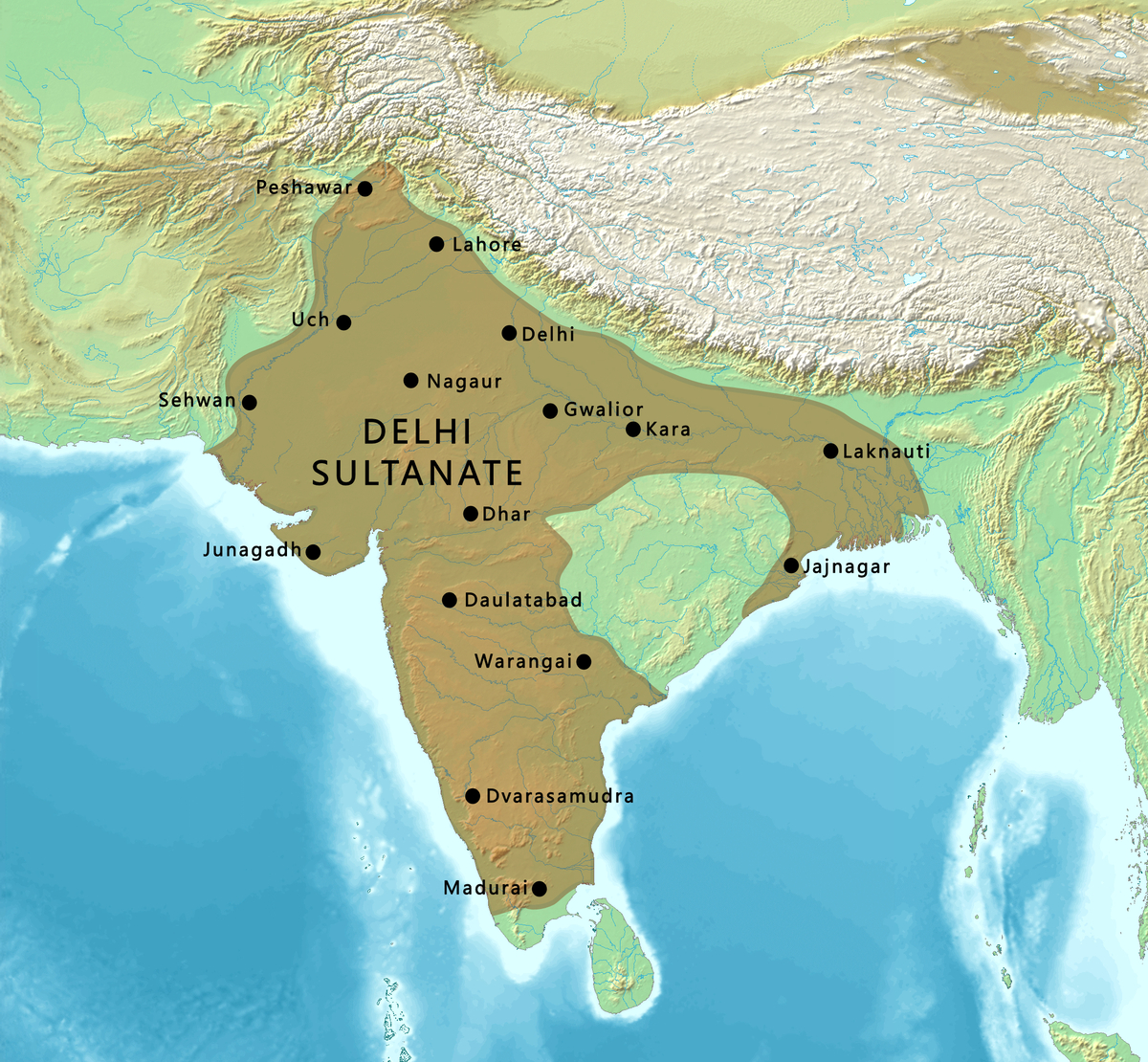
King Jayayakshya Malla's defense against the invasion of the Delhi Sultanate marks a pivotal episode in Nepal's history. Before this critical encounter, the Delhi Sultanate sought to expand its territory in the Indian subcontinent, intending to dominate the Kathmandu Valley — a region rich with commerce and cultural heritage. Jayayakshya Malla, determined to safeguard his domain, strategized rigorously with his military advisors.
The kingdom's forces, though outnumbered, capitalized on the valley's geographical advantage. Elevated terrains and fortified city walls provided a natural defense mechanism against the invaders. King Jayayakshya Malla prioritized not just physical fortifications but also the morale and readiness of his troops. Utilizing traditional weapons and combat techniques, as well as leveraging local support, the defense effort was meticulously executed.
The Delhi Sultanate's army, equipped with superior weaponry and larger numbers, encountered unanticipated resistance. The intricate network of defenses and the strategic discipline of Jayayakshya Malla's forces resulted in the invaders' eventual retreat.
The successful defense of Kathmandu Valley had a lasting impact. It maintained Nepal's sovereignty and prevented the cultural and economic disruption that often accompanied foreign rule. The victory reinforced a sense of unity and resilience among the local populace, bolstering the region's political and social structures. Additionally, it reinforced King Jayayakshya Malla's legacy as a shrewd leader committed to his land's autonomy.
In the broader context of South Asian geopolitics, this moment underscored the limitations of the Delhi Sultanate's expansionist ambitions. It demonstrated that local knowledge and strategic ingenuity could counter formidable imperial forces, contributing to a rethinking of military tactics in the region.
The event remains a critical reference point in Nepalese history, symbolizing resistance and resilience. It underscored the importance of strategic preparation and the effective use of local resources in the face of foreign threats. This episode is often reflected upon for its lessons in leadership, strategy, and the preservation of cultural heritage.
#MoofLife #NepalHistory #DefenseStrategy #CulturalHeritage #MilitaryLeadership

Explore the Life Moments of
 AI Twin