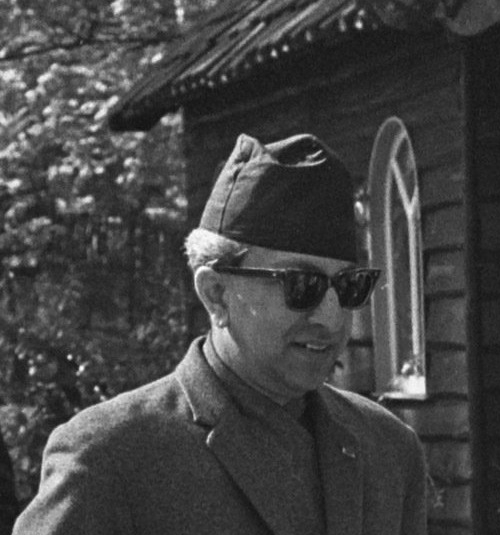
Establishment of Panchayat System under New Constitution for King's Sole Power
Nepal

Political
5 min read
Updated By: History Editorial Network (HEN)
Published:
In the early 1960s, Nepal introduced a new constitution that fundamentally transformed its political landscape. This change marked the shift to a non-party system of governance centered around councils known as Panchayat. The new constitution conferred all executive power upon the king, effectively ending multiparty democracy in the country. Under this system, the king wielded absolute control, with the Panchayat councils acting as intermediaries between the monarch and the people.
The introduction of the Panchayat system laid the groundwork for the first elections to the Rastrya Panchayat, the national legislative body. The election process was structured in such a way that candidates were elected not by the general populace but through indirect electoral methods. This system was designed to ensure that the king could maintain control over the legislative process, as candidates required royal endorsement to stand for election.
The implementation of the Panchayat system had profound implications for Nepal's political framework. It centralized authority in the hands of the monarchy, significantly reducing political pluralism and restricting citizen participation in governance. Critics argued that the system stymied political dissent and limited avenues for civic engagement, thereby hindering democratic development.
Despite these criticisms, proponents of the Panchayat system believed it provided stability and continuity in a period marked by political turbulence. They argued that the consolidation of power under the monarchy was necessary to prevent factionalism and maintain national unity.
This political restructuring in Nepal drew mixed reactions both domestically and internationally. Some segments of the population supported the move, viewing it as a return to traditional governance structures. In contrast, others called for the restoration of multiparty democracy and greater political freedoms.
Overall, the new constitution and the subsequent elections to the Rastrya Panchayat underscored a complex period in Nepal's history. The era was characterized by an intricate balance between tradition and modernity, authority and democracy.
#NepalPolitics #PanchayatSystem #MonarchyPower #RastryaPanchayat #MoofLife
Primary Reference
Nepal profile - Timeline - BBC News

Explore the Life Moments of
 AI Twin