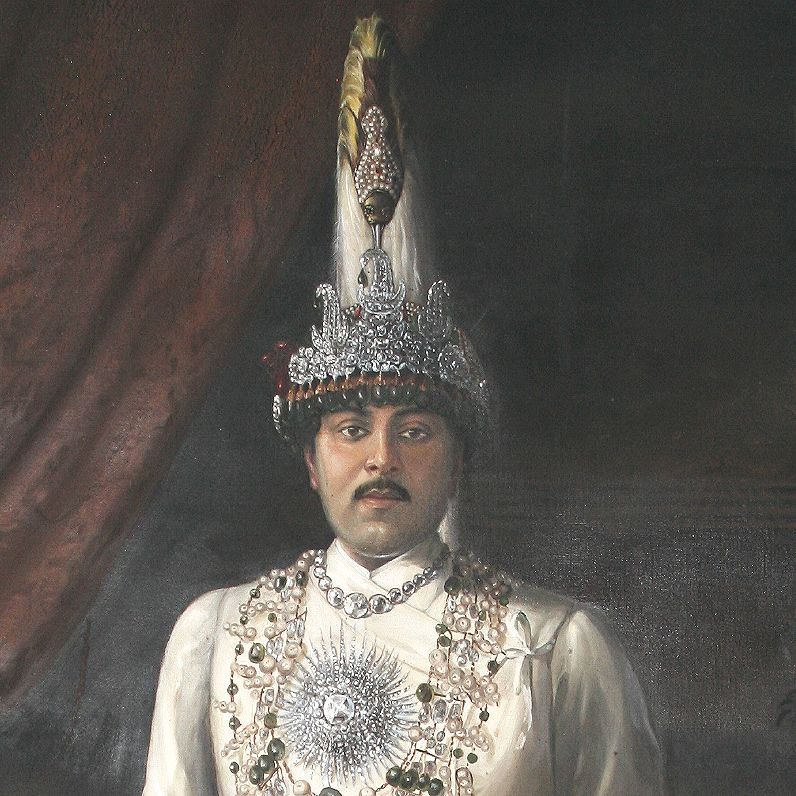
Return of Tribhuvan: King reclaims throne from Rana dynasty.
Nepal

Political
5 min read
Updated By: History Editorial Network (HEN)
Published:
Updated:
In the mid-20th century, Nepal was on the brink of transformative political change. King Tribhuvan, central to this shift, returned from exile in India, putting an end to the autocratic Rana dynasty. The Rana regime had ruled Nepal for over a century, with Prime Minister Jung Bahadur Rana establishing hereditary rule, centralizing power away from the monarchy. This period was characterized by political repression and economic stagnation, with the Ranas maintaining strict control over the government and military.
Tribhuvan's exile and subsequent return were precipitated by growing discontent among the Nepalese population, who were increasingly influenced by global movements towards democracy and self-determination. The Nepali Congress, a political party advocating for democratic reforms, played a significant role in mobilizing public opinion and seeking international support. Tribhuvan's escape to India symbolized a critical alliance with the anti-Rana forces, garnering further support from the Indian government, newly independent and keen to see democratic governance in its neighboring states.
Upon Tribhuvan's return, a tripartite agreement was brokered among the monarchy, the Ranas, and the Nepali Congress. This pact led to a power-sharing arrangement and the establishment of an interim government, marking an end to the century-old autocratic Rana rule. The significance of this transition rippled across Nepal. It set the stage for the promulgation of the interim constitution, which laid the groundwork for democratic governance and eventually led to the establishment of a constitutional monarchy.
The impact of Tribhuvan's return and the end of Rana autocracy was profound. It redefined Nepal's political landscape, fostering a move towards democracy and inclusivity. Economic policies and social reforms began to be implemented, aimed at addressing the deep-seated issues that had been neglected under Rana rule. While challenges remained, particularly in terms of political stability and economic development, this moment marked a pivotal shift towards modernization and political representation.
#NepalTransformation #KingTribhuvan #EndOfRanaRule #PoliticalChange #HistoricalShift #MoofLife
Primary Reference
Timeline of Nepalese history - Wikipedia

Explore the Life Moments of
 AI Twin