
Malta

The Jewel of the Mediterranean
About
#VisitMalta
#Malta
#Malta_History
#Malta_Timeline
#Malta_History_Timeline
Life Classification
Country
Life ID
EL2188129033572
Verified Name
malta
Life Type
Entity Life
Life Editor(s)
History Editorial Network (HEN)
Life Privacy
Public
Subscription
Elite
Created On
2024-08-21
Updated On
2025-12-19
Connect
Related Lives

Luxembourg
The Gibraltar of the North
Nobel Prize in Physics
Celebrating the Pioneers of Science

Malawi
Warm Heart of Africa

Slovenia
Green Heart of Europe

Portugal
The Land of Explorers
European Union
United in Diversity
Prime Minister of the United Kingdom
The Head of Government
Albania
The Land of Eagles

2026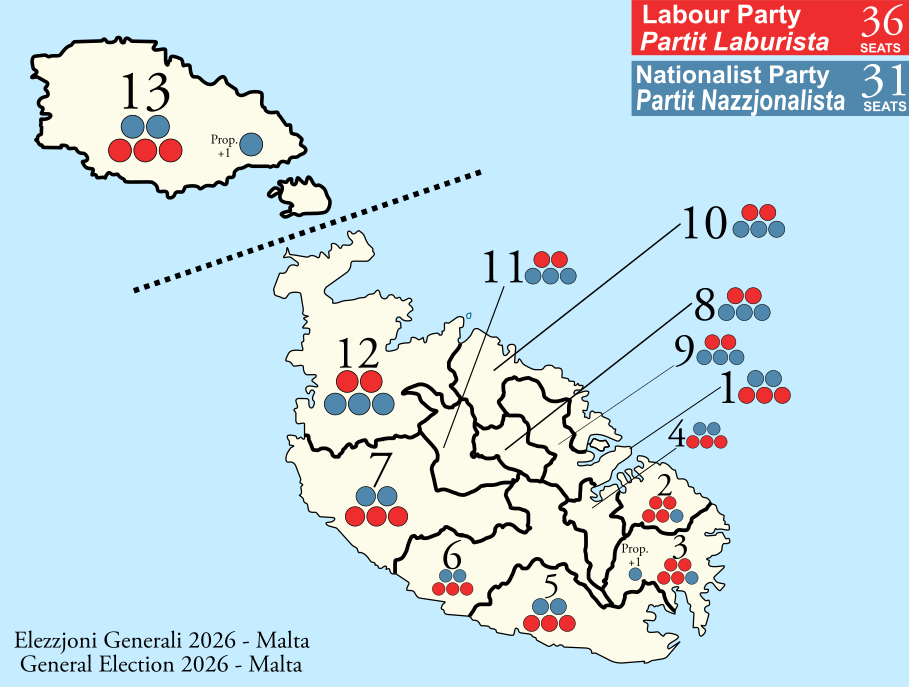
On 30/05/2026, Malta's ruling Labour Party (Partit Laburista) won a historic fourth consecutive general election, extending its time in government and giving Prime Minister Robert Abela a renewed mandate to lead the country. The snap election had been called a year ahead of schedule after Abela argued that Malta needed political stability amid international uncertainty and economic challenges.
The election delivered a record result in Malta's modern political history, as no political party had previously secured four successive general election victories. The Labour Party has governed Malta continuously since 2013 and maintained its position as the country's dominant political force. Preliminary and final counts showed Labour winning a clear parliamentary majority, with approximately 51.77% of the national vote and a lead of more than 21,000 votes over the opposition Nationalist Party (PN).
Prime Minister Robert Abela, who became Labour leader and Prime Minister in 2020, secured his second election victory as party leader following the 2022 election. After the result became clear, Labour supporters gathered at party headquarters and participated in traditional celebrations across Malta. Abela described the outcome as a strong mandate based on the programme presented to voters and called for national unity as his government prepared to implement its electoral agenda.
Voter participation remained exceptionally high by European standards. Official turnout reached 87.4%, slightly higher than the turnout recorded during the 2022 election. The election featured six political parties, but Labour and the Nationalist Party once again remained the only parties expected to secure parliamentary representation, continuing a political pattern that has existed in Malta since 1966.
The opposition Nationalist Party was led by Alex Borg, who had assumed leadership only months before the election. Although the party acknowledged defeat, Borg highlighted that the Nationalists had reduced Labour's previous electoral advantage. Labour's lead was considerably smaller than the margin recorded in the 2022 election, reflecting gains made by the opposition despite the overall result.
Economic issues played a central role throughout the campaign. Abela repeatedly pointed to Malta's economic performance, including strong growth, low unemployment and controlled energy prices, as evidence of government competence and stability. The Nationalist Party, meanwhile, argued that economic growth had not fully translated into improved quality of life for all residents and raised concerns about housing costs, infrastructure pressures and migration-related challenges.
Why This Moment Matters:
The 2026 election established a new electoral record in Malta by delivering a fourth consecutive mandate to a single party. The result also confirmed Robert Abela's position as the country's political leader at a time when economic management, regional instability and long term development issues remain central topics in Maltese public life.
View details2025
Malta has officially opened its first offshore wind farm feasibility zone, located in the maritime area between Malta and Sicily, marking a significant step in the country’s transition toward renewable energy. The designated zone is intended for detailed technical, environmental, and economic studies to assess the viability of developing offshore wind power, particularly floating wind technology suited to deep waters. Authorities stated that the move reflects Malta’s long-term strategy to diversify its energy mix, reduce dependence on imported fossil fuels, and align with European Union climate and decarbonisation targets. The feasibility zone will allow data collection on wind resources, seabed conditions, grid connectivity, and potential environmental impacts before any construction decisions are made.
The opening of the feasibility zone carries important strategic, environmental, and economic significance. From an energy security perspective, offshore wind offers Malta the potential to generate clean electricity at scale despite its limited land availability. Environmentally, the feasibility process is expected to include assessments to protect marine ecosystems and shipping routes in one of the Mediterranean’s busiest sea corridors. Economically, the initiative could attract international investment, stimulate technological innovation, and create new opportunities in engineering, maritime services, and renewable energy expertise. Overall, the launch of Malta’s first offshore wind farm feasibility zone represents a milestone in national energy planning, signaling a cautious but forward-looking approach to sustainable development and regional energy cooperation in the central Mediterranean.
View detailsThe first LNG-powered ferry connection between Malta and Sicily has begun regular service, marking an important step in the modernization and sustainability of maritime transport in the central Mediterranean. The new service uses liquefied natural gas as its primary fuel, significantly reducing carbon dioxide emissions, sulphur oxides, and particulate matter compared to conventional marine fuels. The ferry route strengthens an already vital transport corridor between Malta and Sicily, supporting passenger travel, tourism, and the movement of goods while aligning with European Union goals for cleaner and greener transport solutions. Authorities highlighted the project as part of broader efforts to upgrade port infrastructure and promote alternative fuels in shipping.
The launch of the LNG-powered ferry carries economic, environmental, and strategic significance for both Malta and Italy. Environmentally, it contributes to reduced air pollution in coastal and port areas, improving public health and supporting climate commitments. Economically, the service enhances connectivity, boosts tourism, and facilitates trade by offering a more efficient and reliable transport option. Strategically, it positions Malta as a regional leader in sustainable maritime innovation and supports the EU’s transition toward low-emission transport networks. Overall, the introduction of regular LNG-powered ferry services represents a milestone in Mediterranean shipping, demonstrating how technological innovation can balance economic development with environmental responsibility while strengthening cross-border cooperation.
View details2024
Malta concluded its two-year term on the United Nations Security Council, marking the end of a significant period of international engagement and diplomatic activity. During its tenure, Malta actively participated in discussions and decisions on global peace, security, and humanitarian issues, contributing its perspective as a small but strategically positioned EU member state. The country emphasized themes such as conflict resolution, human rights, climate security, and migration, reflecting both national priorities and broader international concerns. Malta’s presence on the Council allowed it to engage directly with major powers, advocate for multilateral solutions, and reinforce its commitment to the principles of the United Nations Charter.
The conclusion of Malta’s term carries political, diplomatic, and reputational significance. Politically, it demonstrates Malta’s growing role in international affairs and its capacity to represent regional and small-state interests on the world stage. Diplomatically, the experience strengthened Malta’s networks and influence within the UN system, enhancing its ability to shape discussions on pressing global challenges. From a reputational perspective, the successful completion of its Security Council term highlights Malta’s commitment to multilateralism, dialogue, and global cooperation. Overall, Malta’s tenure reinforced the country’s standing as a constructive and responsible actor in international diplomacy, leaving a legacy of engagement and advocacy on key security, humanitarian, and policy issues.
View detailsMyriam Spiteri Debono was sworn in as President of Malta, assuming the nation’s highest ceremonial office and marking a historic moment in Maltese political history. She was unanimously elected by Parliament and officially took office on April 4, 2024, becoming the 11th President of the Republic. Spiteri Debono brings extensive experience from her previous roles in government and civil society, where she championed social programs, governance reforms, and civic engagement. Her election was widely praised as a demonstration of national unity, reflecting broad parliamentary support and public confidence in her leadership.
Her presidency carries significant social, political, and diplomatic importance. Domestically, she serves as a unifying figure above partisan politics, tasked with upholding the constitution, promoting democratic values, and representing the interests of all citizens. Symbolically, her appointment is seen as a milestone for gender representation in Maltese politics, inspiring greater participation of women in leadership roles. Internationally, she represents Malta in bilateral and multilateral engagements, strengthening diplomatic relations and promoting the country’s interests abroad. Overall, Myriam Spiteri Debono’s swearing-in reinforces Malta’s commitment to democratic governance, inclusivity, and continuity, while highlighting her role in guiding the nation through both domestic and international affairs.
View details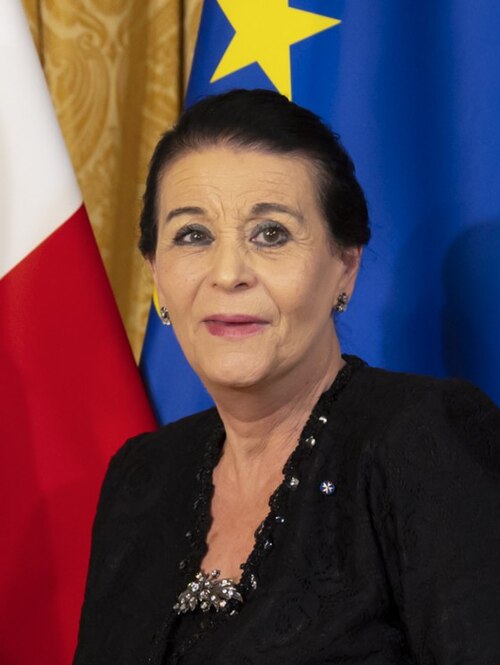
2023
Malta hosted EuroPride 2023 in Valletta from September 7 to 17 2023, drawing thousands of participants to celebrate diversity, equality, and LGBTIQ+ rights with marches, cultural events, and performances across the capital. The 10-day event culminated in a major public concert at the Floriana Granaries, where international pop star Christina Aguilera headlined the festivities, performing free to a large crowd following the Pride March. Aguilera’s appearance was a symbolic highlight, reflecting her longstanding support for the LGBTIQ+ community and drawing both local and international audiences to the celebration.
EuroPride Valletta 2023 was widely described as a successful and vibrant edition of the pan-European event, bringing together over 38,000 people for the march and concert while offering a packed programme of activities, exhibitions, and discussions on human rights and inclusion. The concert featured a mix of local and international talent alongside Aguilera, contributing to an atmosphere of pride and solidarity that resonated throughout the capital. Malta’s hosting of EuroPride underscored its reputation as one of Europe’s most LGBTIQ+ friendly countries and showcased the nation’s cultural openness and commitment to equality.
View details2022
In 2022, Malta applied a gender corrective mechanism designed to increase the representation of women in Parliament, resulting in additional seats being allocated to female candidates and raising the share of women Members of Parliament to 28 percent. The mechanism was introduced as part of broader electoral reform aimed at addressing the historically low representation of women in Maltese politics. Under the corrective formula, parties that cross a specified vote threshold but elect fewer than a set proportion of women candidates receive extra seats to ensure a minimum level of female representation. This approach reflects efforts to enhance gender equality in political decision-making and to create a legislature that more accurately reflects the demographics of Maltese society.
The implementation of the gender corrective mechanism had significant political and social impact. Politically, it reshaped the composition of the House of Representatives by increasing gender diversity and encouraging parties to support more women candidates. The measure has been credited with accelerating progress toward gender balance in Maltese governance, which had lagged behind many of its European counterparts. Socially, the increase in women MPs helped elevate the visibility of women’s voices in national debates on policy areas such as social welfare, education, and health. While advocates emphasise that further progress is needed to reach full parity, the 2022 application of the gender corrective mechanism marked an important milestone in Malta’s ongoing efforts to promote inclusive and representative democracy.
View details2020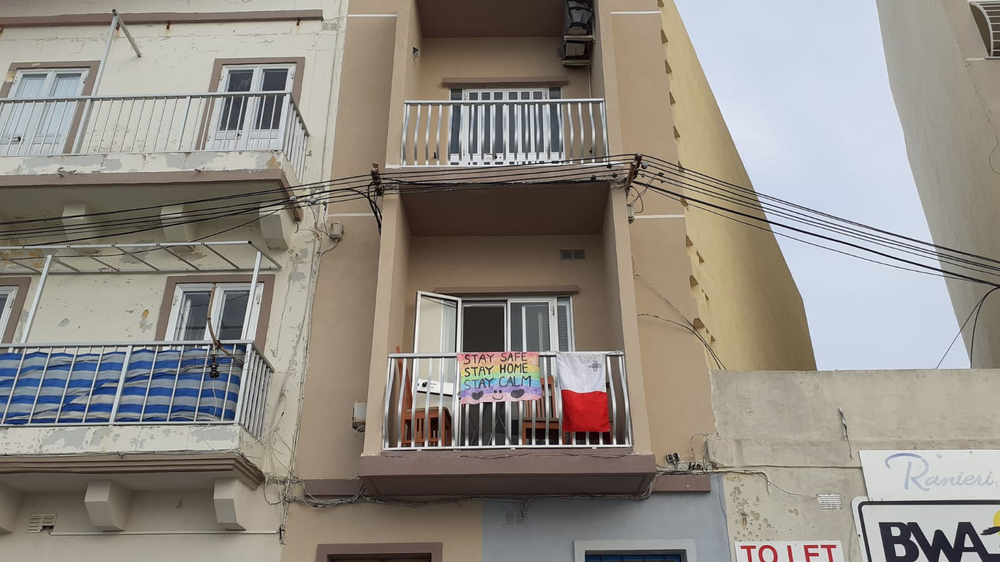
The COVID-19 pandemic reached Malta after its initial outbreak. Originating in Wuhan, China, the novel coronavirus quickly spread across the globe. Malta, a small Mediterranean island, detected its first case shortly after the virus reached Europe.
The Maltese government responded by implementing several public health measures aimed at curbing the virus's spread. These included mandatory quarantine for travelers, social distancing guidelines, and the closure of non-essential businesses, schools, and public spaces. The government also launched extensive testing and contact tracing initiatives to monitor and control the virus's transmission. Hospitals and healthcare facilities focused on preparing for increased patient load by expanding intensive care units and acquiring necessary medical supplies.
The pandemic impacted daily life significantly. The tourism sector, a vital part of Malta's economy, saw a drastic decline in visitors due to travel restrictions and fears over the spread of the virus. Local businesses faced unprecedented challenges, leading to furloughs, layoffs, and closures. The government introduced financial aid packages intended to support affected businesses and individual workers, including tax deferrals, wage supplements, and grants.
Statistically, the virus's spread in Malta mirrored global trends. Daily reported cases initially rose sharply, triggering stricter measures from authorities. Public health campaigns aimed at raising awareness about preventive measures, such as wearing masks and frequent hand hygiene, were widespread. The healthcare system, though strained, managed to avoid critical levels of overwhelm due to swift and early interventions.
Education also adapted, with schools transitioning to online platforms to continue lessons while minimizing physical contact. This shift highlighted disparities in digital access among students, leading to government efforts to provide digital resources and support.
Community efforts to support frontline workers and vulnerable populations emerged, showcasing solidarity and resilience. Volunteer groups organized to deliver groceries and essentials to those in quarantine or at risk. Local artists and cultural institutions created online content to keep spirits high during lockdowns and restrictions.
The arrival of vaccines, prioritized initially for healthcare workers and at-risk groups, marked the beginning of a gradual return to normalcy. Vaccination campaigns rolled out in multiple phases, leading to decreasing infection rates and a cautious lifting of various restrictions.
#MoofLife #COVID19Malta #PublicHealth #EconomicImpact #SocialResilience #VaccinationCampaign
View details2019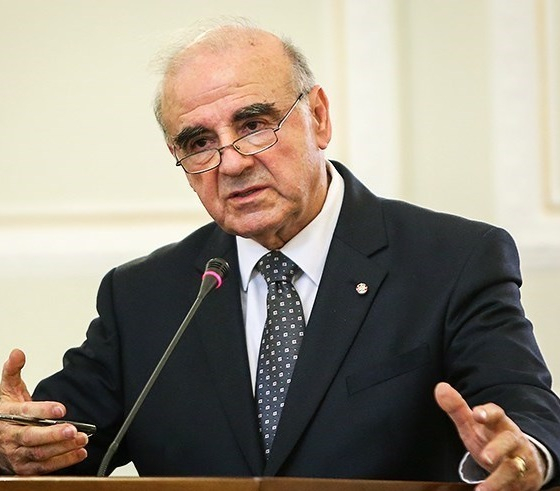
George Vella was elected the 10th President of Malta, a role largely symbolic yet essential in representing the country’s unity. Before his presidency, Vella had an extensive political career, predominantly within the Malta Labour Party, where he served as Deputy Leader and Minister for Foreign Affairs. His election came after his predecessor, Marie-Louise Coleiro Preca, completed her term.
Vella’s election came during a period of political stability in Malta, where the Labour Party held a strong parliamentary majority. The Maltese Parliament unanimously approved his nomination, reflecting a rare moment of bipartisan agreement in the nation’s highly polarized political landscape. Vella’s background in healthcare and diplomacy was expected to contribute positively to his role as head of state. He is known for his previous efforts in international diplomacy, notably enhancing Malta’s standing within the European Union and fostering deeper relations with Mediterranean countries.
One notable aspect of Vella’s presidency is his commitment to maintaining and promoting Malta’s constitutional neutrality, a principle established in the aftermath of the country’s independence. This concept of neutrality continues to be a cornerstone of Malta’s foreign policy, given its strategic location in the Mediterranean Sea.
George Vella's tenure as president is marked by his focus on social issues, including equality and justice. His experience and respected statesmanship were anticipated to bring a sense of continuity and stability, aligning with Malta's ongoing socio-political dialogue concerning governance and civic responsibility.
#Election #GeorgeVella #Malta #Politics #Presidency #Leadership #ParliamentaryApproval #ForeignAffairs #ConstitutionalNeutrality #MoofLife
View details2016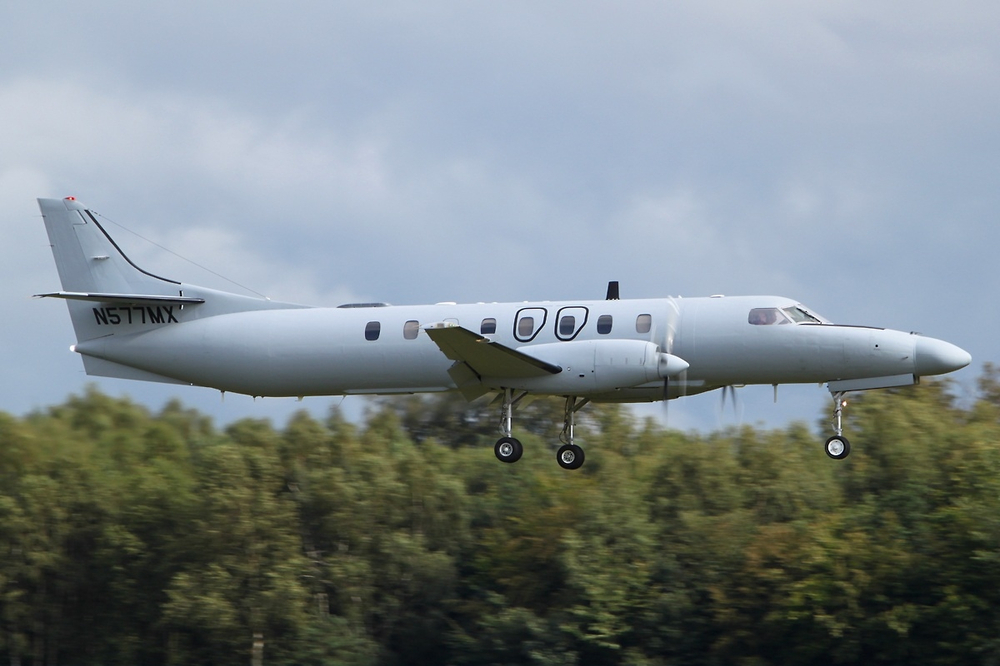
In the early morning hours, a Fairchild Merlin twin-engine turboprop aircraft took off from Malta International Airport. The flight was part of a surveillance mission, operated by Luxembourg-based CAE Aviation, contracted by French Customs. The aircraft's intended route included observation duties over the Mediterranean Sea, a task it had performed numerous times.
Shortly after takeoff, disaster struck. Witnesses reported seeing the aircraft suddenly tilt to the right and descend rapidly. The plane crashed into the grounds near the runway, bursting into flames upon impact. Emergency response was swift, with firefighting teams arriving to douse the flames. However, the scene was one of devastation, and there were no survivors among the five individuals onboard. The casualties included three French Defense Ministry officials and two private contractors.
The crash was noted as the worst aviation disaster in Malta's history. An investigation was immediately launched, involving the Bureau of Air Accident Investigation of Malta and the BEA (Bureau d'Enquêtes et d'Analyses), France’s equivalent body, collaborating to determine the cause. Preliminary reports suggested a potential structural or mechanical failure, but the exact cause required detailed analysis.
This incident highlighted the risks associated with surveillance flights, even when performed by experienced crews in serviceable aircraft. It also drew attention to the importance of rigorous maintenance and operations protocols in aviation safety.
The event triggered international condolences and spurred discussions on improving aviation surveillance missions’ safety. Maltese aviation authorities received pledges of support from European counterparts, emphasizing the collective responsibility toward air safety.
In summary, the Malta Fairchild Merlin crash marked a somber chapter in Maltese aviation history, underscored by the tragic loss of five lives and the urgent need to enhance surveillance flight safety protocols. The aftermath saw calls for heightened safety standards and reinforced the global imperative for continual improvements in aviation security and emergency response readiness.
#MaltaCrash #AviationSafety #SurveillanceFlight #Tragedy #AviationHistory #MoofLife
View details2015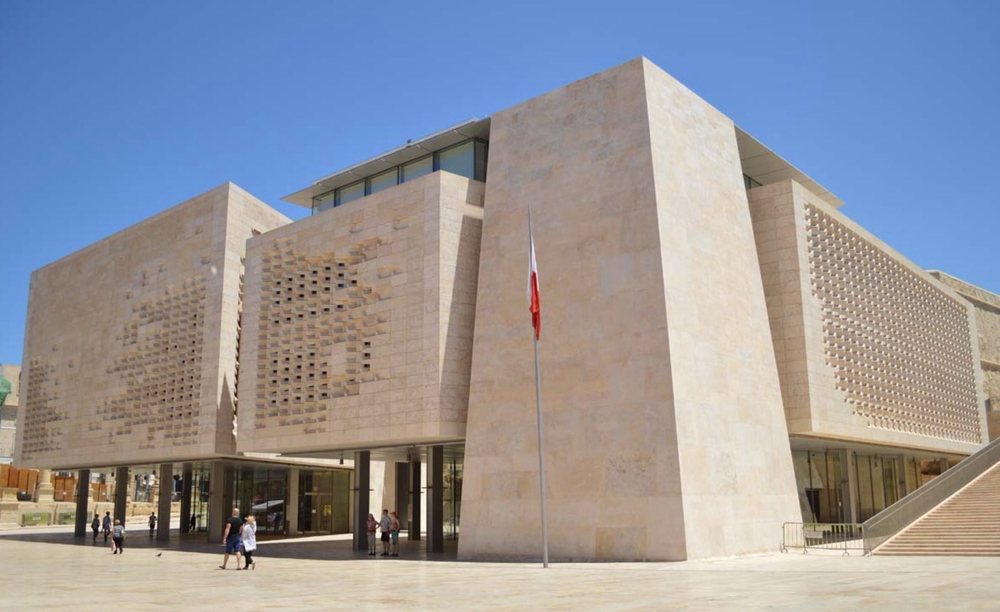
The opening of Malta's Parliament building and the new City Gate in Valletta marked a substantial development in the country’s civic and architectural landscape. This transformation was part of a broader initiative to revitalize Valletta, the capital city. The Parliament building project was led by renowned architect Renzo Piano, known for his innovative designs and contributions to modern architecture.
The new Parliament building and City Gate were key elements in the Valletta City Gate project, which also included the refurbishment of the open-air theatre. The aim was to create a more accessible, contemporary space that respected the historical significance of the area. The project was funded by both local and European Union sources, emphasizing its importance not only within Malta but also in the context of the European community.
The architectural design of the new Parliament building blended modernity with respect for the historical backdrop of Valletta. The building featured a façade made of locally sourced stone, carefully designed to ensure it integrated seamlessly into its surroundings. It included sustainable features such as natural ventilation and maximized natural light to enhance energy efficiency.
The construction of the Parliament building employed numerous local workers and utilized materials sourced from within Malta, providing an economic boost and employment opportunities. Additionally, the project echoed a sense of national pride by showcasing Maltese craftsmanship and commitment to sustainable development.
The project led to several debates within Maltese society. Proponents highlighted the modernization and development benefits, whereas some critics voiced concerns over the alterations to Valletta's historical character. Despite differing opinions, the project was completed, and the building began functioning as the seat of the nation's legislative body.
Following the completion of the project, Valletta experienced an increase in tourism, attributed to the enhanced aesthetic appeal and newfound architectural interest. The revitalized City Gate became a gateway into the heart of Valletta, reinforcing its status as a UNESCO World Heritage site.
The successful completion of the new Parliament building and City Gate stands as a testament to Malta’s evolving architectural landscape and commitment to blending history with contemporary advancements.
#Architecture #UrbanRenewal #Valletta #MaltesePride #MoofLife
View details2011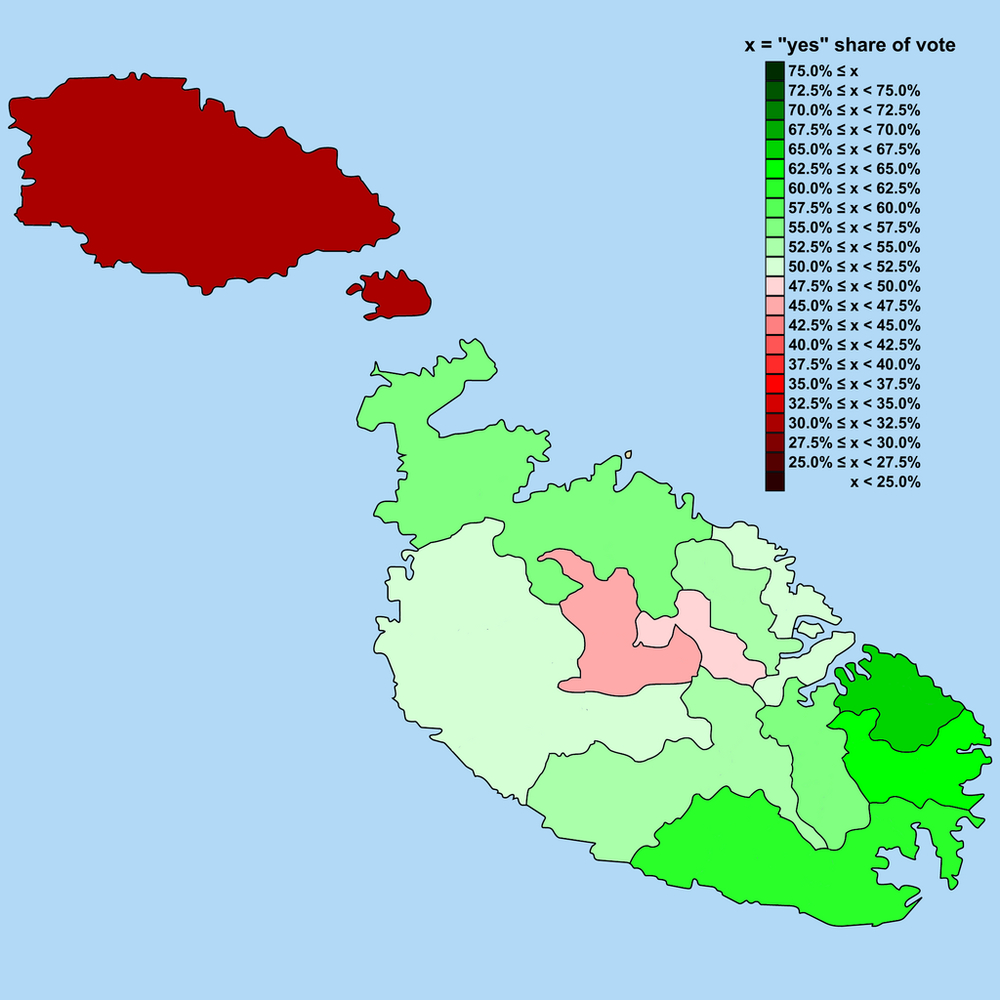
Malta, a predominantly Catholic country with deep-rooted religious traditions, faced a pivotal decision that transformed its social landscape. A national referendum was held, asking citizens whether they supported the introduction of divorce. The result was 53% of voters in favor and 47% against. This marked a significant shift in Malta's legislative and cultural history, as it was the last remaining European Union country without provisions for legal divorce.
The referendum's outcome led to intense debates within Maltese society and government, resulting in Parliament's subsequent approval of the divorce law. Prior to this, Maltese couples seeking to end their marriages faced extensive and complicated procedures, often resorting to long-term separations or annulments. The approval represented a significant step toward aligning Malta's legal framework with contemporary human rights standards.
In the wake of the vote, the legal infrastructure for divorce was formally established, coming into effect a few months later. This new law allowed Maltese citizens to dissolve their marriages, subject to specific conditions such as a period of separation. The change aimed to provide a more humane and equitable option for spouses trapped in untenable marital situations.
Statistically, around 328,000 registered voters participated in the referendum, reflecting substantial public engagement on the issue. The majority vote in favor of divorce indicated a societal shift, suggesting that many Maltese were ready to move toward progressive reforms, despite the country's strong religious foundation.
The introduction of the divorce law not only brought Malta in line with other EU nations but also indicated broader social transformations. Families affected by failed marriages could now seek legal resolutions more easily, impacting social policies and family structures significantly.
This change has had lasting effects on Malta's legislative landscape, setting a precedent for future discussions on personal rights and social reforms.
#LegalReform #MaltaDivorce #CatholicCountry #SocialChange #EUStandards #MoofLife
View details2008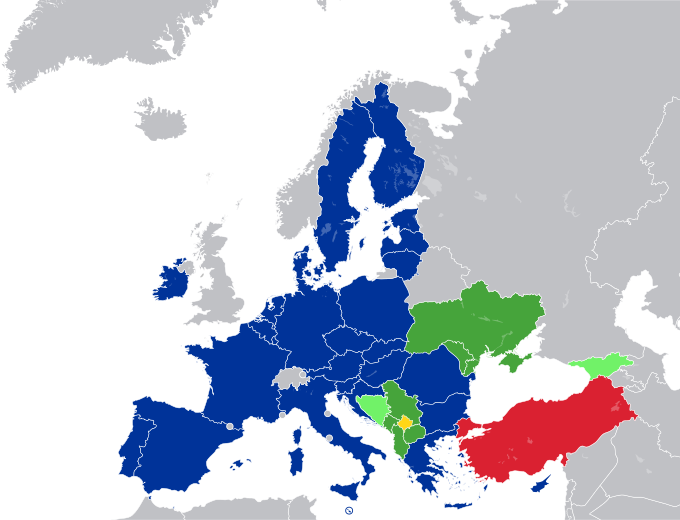
Following years of negotiations and preparations, Malta officially became a member of the European Union. This event was the culmination of rigorous political and economic reforms that positioned the small island nation as a full participant in the EU's political framework and economic structures.
Malta's EU membership signified a critical shift for its previously insular economy. Being part of the EU meant that the nation had to adopt the EU acquis communautaire, involving adjustments to various sectors including the legal system, trade policies, and environmental standards. Malta's accession to the EU also required comprehensive changes in regulations related to business, judiciary reforms, and social policies to align with EU norms.
Economically, Malta benefited almost immediately from access to the EU Single Market, enabling smoother and more extensive trade activities with fellow EU member states. This integration allowed local businesses to operate under uniform trade policies, reducing barriers and fostering opportunities for growth. Financially, Malta saw an influx of structural and cohesion funds aimed at infrastructure development, promoting regional equality, and enhancing the quality of life for its residents.
Social impact was equally significant: EU membership provided Maltese citizens the freedom to travel, live, and work in other EU countries with fewer restrictions, enhancing personal and professional mobility. This mobility contributed to the exchange of skills, knowledge, and culture between Malta and the broader EU community, enriching the island nation's diverse culture even further.
The accession also brought challenges, requiring Malta to relinquish some degree of sovereignty to comply with common EU policies and regulations. This transition was met with both political and public scrutiny, reflecting concerns about national identity and the implications of shared governance.
In summary, Malta's entry into the European Union was a transformative period that brought economic opportunities, social mobility, and challenges of integration. It showcased a commitment to new standards and regulations whilst offering a bridge between its local attributes and the broader European framework.
#EUIntegration #Malta #EconomicGrowth #Mobility #MoofLife
View detailsMalta's adoption of the euro as its official currency marked a decisive shift in its economic landscape. This event followed extensive preparations and alignment with the Maastricht criteria, which required maintaining inflation and interest rates within specified limits and achieving budgetary discipline. Malta, with its robust tourism sector and burgeoning financial services, viewed integration into the Eurozone as a strategic opportunity to enhance economic stability and attract foreign investment.
The introduction of the euro was the culmination of a rigorous appraisal by European Union authorities, ensuring that Malta met all the necessary economic conditions. Following the approval, the Central Bank of Malta coordinated the transition, replacing the Maltese lira with the euro. This logistical endeavor involved recalibrating financial systems, reprinting price tags, and conducting public information campaigns to facilitate a seamless changeover.
The impact of this shift was multifaceted. Economically, it reduced exchange rate risks and currency conversion costs, streamlining trade and financial transactions with other Eurozone countries. Businesses in Malta, particularly those involved in international trade and tourism, benefited from the increased transparency and efficiency. Reports indicated that the Maltese banking sector showed resilience, and the introduction of the euro bolstered investor confidence, marking a period of gradual economic growth.
Statistics reflected a positive trajectory. For instance, Malta's GDP growth rates evidenced steady improvement post-adoption. Inflation remained controllable, converging with the broader Eurozone trend. Public sentiment was cautiously optimistic, with surveys indicating support for the euro, though tempered by concerns about potential price hikes — a phenomenon observed in other Eurozone transitions. Policymakers emphasized monitoring and mitigating inflation, employing measures to ensure price stability.
Malta's integration into the Eurozone represented a strategic alignment with broader European objectives, enhancing its economic footprint and reinforcing its status within the EU framework.
#Malta #Eurozone #Economy #CurrencyChange #EUIntegration #MoofLife
View details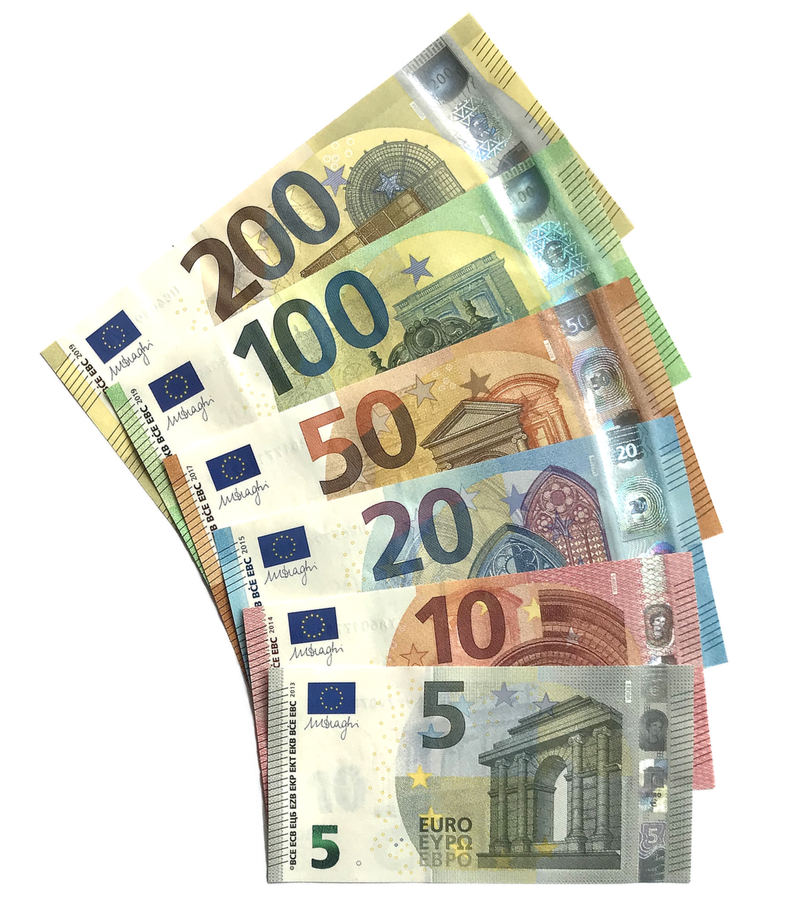
1992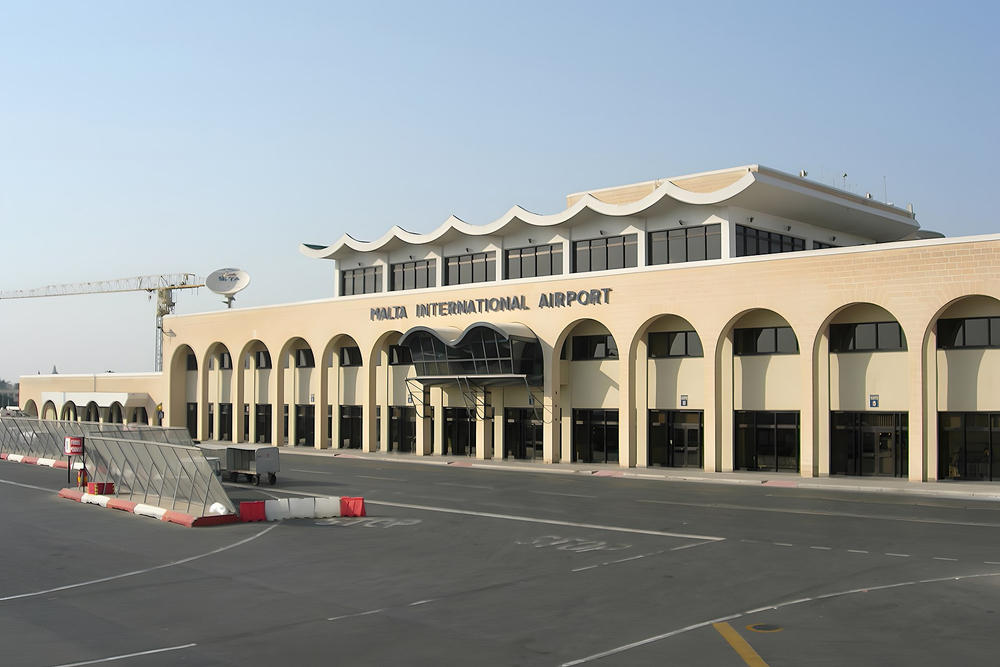
The Malta International Airport commenced operations following a comprehensive construction and planning phase. The establishment of this airport marked a pivotal development in Malta's infrastructure and economy, designed to replace the older Luqa Airport. The new airport was built to accommodate the increasing air traffic and to sustain Malta’s growing reputation as a tourist destination.
Strategically located between the villages of Luqa and Gudja, the airport was conceptualized to provide enhanced facilities and services. With a modern terminal, the airport introduced better passenger handling capabilities and adhered to international aviation standards. Its construction included advanced security systems, improved baggage handling, and more efficient customs processing.
In terms of impact, the opening of the Malta International Airport significantly boosted tourism, one of the key sectors in Malta's economy. The airport provided better connectivity to Europe, North Africa, and the Middle East, further integrating Malta into global travel networks. As a result, it facilitated higher tourist arrivals, which in turn promoted growth in the hospitality and services industries. The local job market benefited directly through the creation of employment opportunities in various sectors such as ground services, security, retail, and aviation management.
The architectural design and operational efficiency of the airport underscored Malta’s commitment to modernity and progress. The airport played a crucial role in establishing Malta as an accessible destination for international events, business ventures, and tourism activities. In the subsequent years, Malta International Airport saw incremental upgrades and expansions to keep pace with technological advancements and passenger demand.
Statistics reflect the airport’s role in boosting passenger numbers and flight movements. The increasing flow of visitors contributed to the growth of ancillary industries and the broader economy. Malta International Airport quickly became a central hub for Air Malta, the national airline, among other international carriers.
In conclusion, the opening of Malta International Airport represented a forward step in Malta's development, with lasting effects on its global connectivity and economic landscape. The airport continues to serve as a vital gateway for millions of passengers annually, underlining Malta’s emergence as a significant player in international travel and commerce.
#MaltaInternationalAirport #TourismBoost #Infrastructure #EconomicGrowth #GlobalConnectivity #MoofLife
View details1974
Malta undertook a significant transformation when it became a republic within the Commonwealth. In its quest for independence and sovereignty, Malta had already achieved independence from British colonial rule earlier, securing its position as an autonomous entity. Building on this momentum, Maltese leaders and citizens aspired to further sever residual ties to the British monarchy by adopting a republican form of government. This political evolution was characterized by the establishment of a new constitutional framework that replaced the British monarch with a Maltese president, symbolizing the island nation's full self-governance.
The transition to a republic was marked by profound political reforms. The Governor-General, who represented the British Crown, was succeeded by a Maltese president elected by the nation’s parliament. This change was significant in the context of Maltese identity and governance, reinforcing the principles of democracy and self-determination. The new constitutional structure provided for a parliamentary republic, with a clear delineation of power between the executive, legislative, and judicial branches.
Malta’s transition had notable implications both domestically and internationally. Being part of the Commonwealth, Malta’s status as a republic allowed it to maintain and strengthen its relations within the organization while asserting its sovereign status. Domestically, the move was embraced as a milestone in the Maltese people's ongoing journey towards democratic maturity and national pride.
Internationally, Malta’s shift to a republic was recognized and respected by global entities, indicating a successful implementation of republican principles in a small yet strategically significant island state. This change did not alter Malta’s membership in the Commonwealth; instead, it bolstered its role within the association, fostering stronger diplomatic and economic ties while promoting shared values of democracy, peace, and cooperation.
The establishment of the Republic of Malta underscored the island's long-standing resilience and commitment to self-rule. This impactful decision continues to be a cornerstone of Maltese governance and identity, reflecting the nation's ambitions and its position on the global stage.
#RepublicTransition #MaltaGovernance #SelfDetermination #CommonwealthNation #MalteseIdentity #MoofLife
View details1964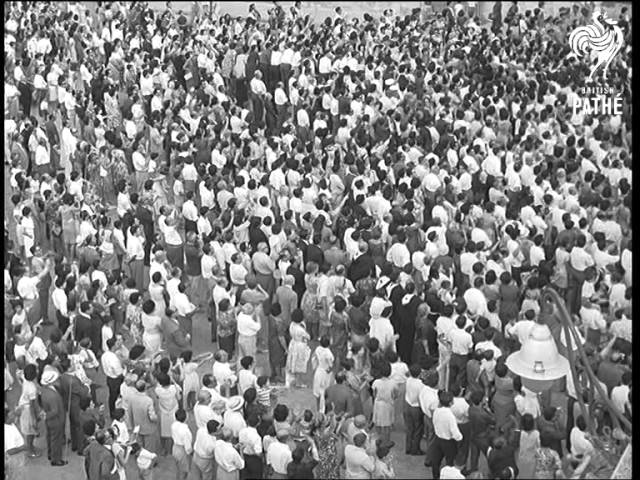
In a pivotal chapter of Maltese history, Malta's transition from British rule to independent sovereignty marked a transformative shift. The island nation, situated strategically in the Mediterranean Sea, had been under British control since the early 19th century. Over the years, Malta served as a crucial naval base for the British Empire, especially during the World Wars. However, increasing national consciousness and desire for self-governance culminated in constitutional changes and eventually full independence.
The journey towards independence began with political efforts led by Maltese leaders who envisioned a sovereign state. The Maltese general public supported these efforts, seeking to establish a national identity separate from colonial ties. In the lead-up to independence, negotiations between Maltese leaders and British representatives paved the way for a peaceful transition of power. This negotiation process acknowledged Malta's right to self-determination, reflecting broader decolonization trends occurring globally during that period.
Upon gaining independence, Malta implemented its constitution, establishing a parliamentary democracy. The Maltese head of state became the British monarch, represented locally by a Governor-General, although Malta would later become a republic. This newfound sovereignty allowed Malta to control its domestic affairs, including its economy, education system, and other key institutions, reinforcing national pride and cultural identity.
Economically, independence enabled Malta to forge its path. The island began diversifying its economy beyond its previous dependency on British military expenditure. Investment in tourism, manufacturing, and eventually financial services became pillars of Malta's economic strategy. This shift brought about new opportunities for economic growth and development, although challenges remained.
Malta's independence also had a significant impact on its international relations. The island nation joined the Commonwealth of Nations and the United Nations, seeking to establish its diplomatic presence globally. Malta's strategic location continued to hold geopolitical importance, although now it wielded greater control over how it engaged with other countries.
In summary, the moment when Malta achieved independence from British rule marked a significant transformation in its political landscape, economy, and international standing. This milestone laid the groundwork for future development and fostered a strong sense of national identity and pride.
#MoofLife #Malta #Independence #History #SelfDetermination #Decolonization #NationalIdentity
View details1942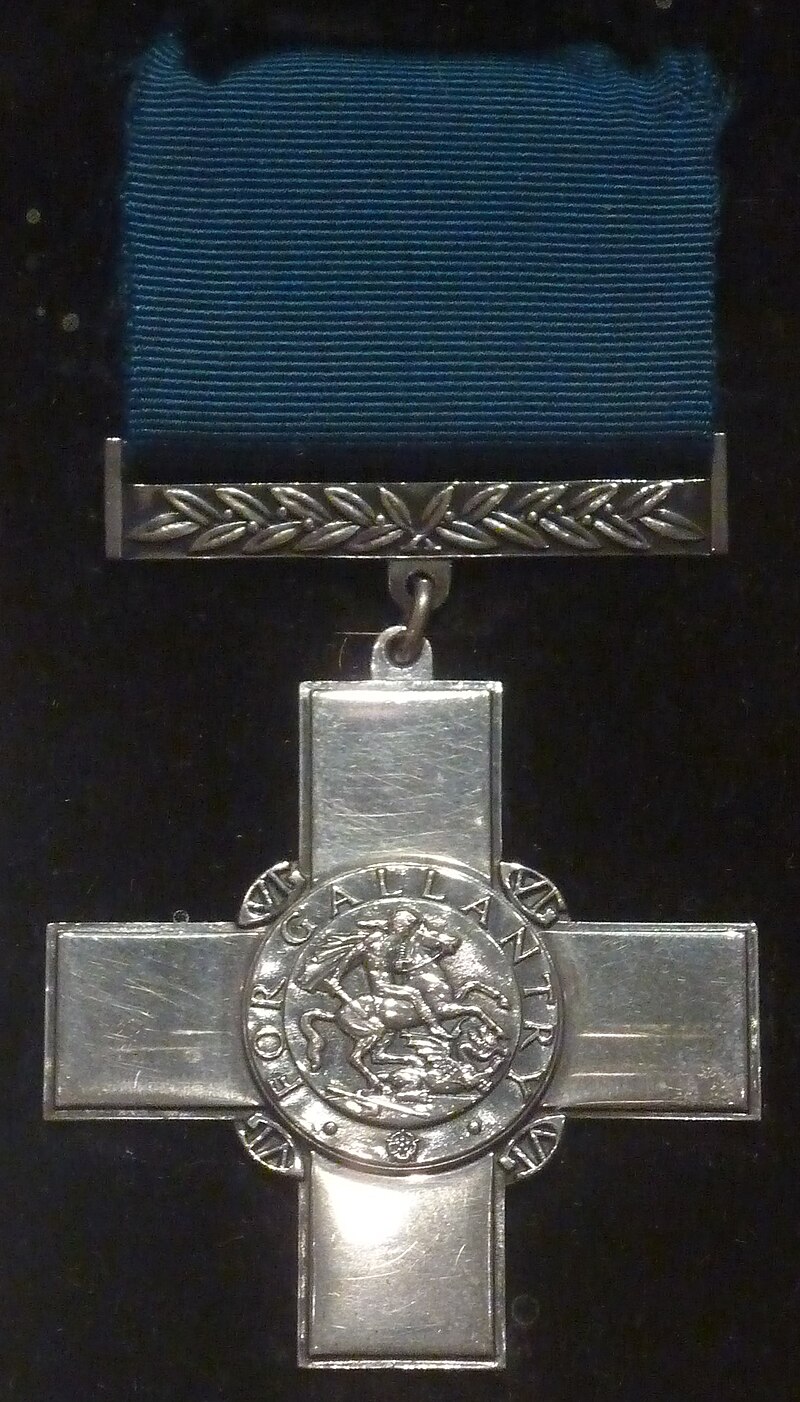
Malta, a strategic archipelago in the Mediterranean Sea, played a pivotal role during World War II. The island served as a crucial base for the Allied forces, controlling the supply routes to North Africa. Throughout the war, Malta endured relentless bombings from Axis powers, primarily Italy and Germany. Despite the overwhelming attacks, the island's civilian and military populace exhibited exceptional resilience and bravery.
The award of the George Cross to the people of Malta was a formal recognition of their indomitable spirit. Established by King George VI, the George Cross is one of the highest civilian honors for acts of heroism. Its bestowal upon an entire community was unprecedented, reflecting the collective courage and sacrifices made by the Maltese people. This honor highlighted the strategic importance and unwavering defiance of Malta against enemy aggression.
Malta sustained over 3,000 air raids, with civilians often living in underground shelters to escape the bombings. Supplies, including food and medical aid, were scarce due to blockades, leading to widespread hardships. Despite these conditions, the island maintained its operational capabilities, supporting Allied military actions in the region.
The George Cross became a symbol of Malta's fortitude and collective valor. The presentation of the award underscored the island's critical role in the Allied victory and served as a morale booster for both military personnel and civilians. This acknowledgment also formed a significant bond between Malta and the Allied nations, particularly the United Kingdom.
The impact of this moment extended beyond the war, influencing Malta's national identity and pride. It remains a pivotal chapter in the island's history, commemorated and respected by successive generations.
#MoofLife #Malta #GeorgeCross #WorldWarII #Bravery #AlliedForces #HistoricalEvent #MilitaryHistory #Resilience #Heroism #Courage
View details1919
In the mid-20th century, Malta experienced a pivotal shift when a National Assembly was formed. This development came after years of political activism and negotiation. The formation of the assembly was a crucial step in the island's journey towards self-governance.
For decades, Malta had been under British colonial rule, with limited local self-administration. However, the rising tide of nationalism and a growing sense of identity among Maltese citizens prompted calls for greater autonomy. Leading political figures and parties in Malta began to campaign for constitutional reform. Their objective was to establish a body that would give Maltese citizens a stronger voice in legislative affairs.
The National Assembly was established as a result of these pressures and deliberations. Comprised of representatives from various sectors of Maltese society, the assembly aimed to draft a new constitution that would enable Malta to govern itself more effectively. It included members from political parties, religious groups, and civil society organizations. The purpose was to ensure a broad-based approach to the framing of Malta's governance structures.
The creation of the National Assembly had a significant impact on Maltese politics. It marked the beginning of a more participatory form of government and laid the groundwork for subsequent constitutional developments. Over time, this led to increased political autonomy for Malta. The assembly's efforts culminated in a constitutional framework that provided for greater local legislative powers.
Statistically, the formation of the National Assembly led to higher voter engagement in subsequent elections, as citizens felt more empowered and involved in the political process. This participation was a testament to the growing political maturity of the Maltese populace.
Overall, the creation of the National Assembly was a critical juncture in Malta's path towards self-governance. It represented a collective move towards greater autonomy and self-determination, aligning with the broader global context of decolonization happening at that time.
#MoofLife #MaltaPolitics #SelfGovernance #NationalAssembly #PoliticalReform
View details1905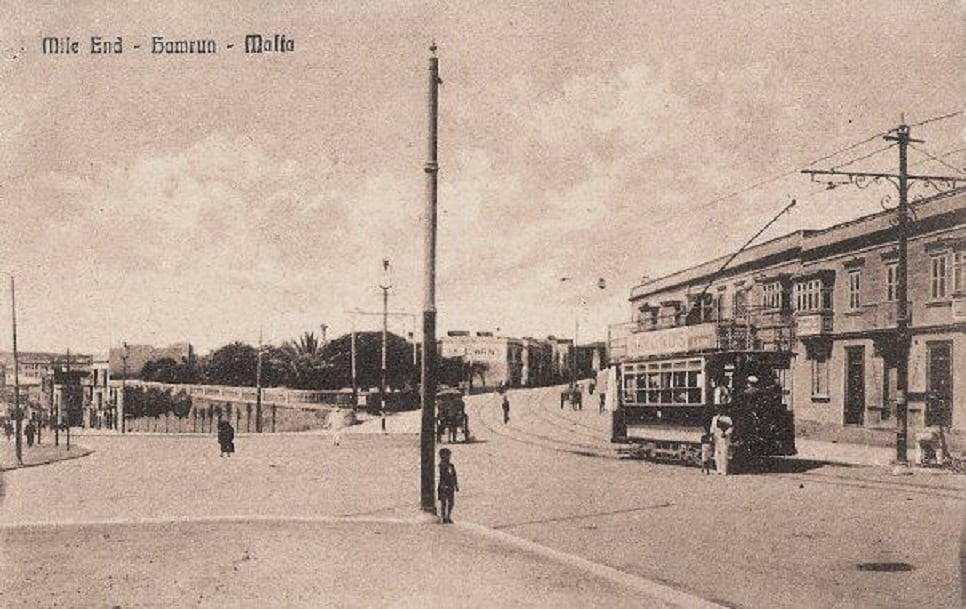
The introduction of the electric tramway service in Malta by McCartney, McElroy \u0026 Co. Ltd. marked a pivotal development in the island's transportation infrastructure. This new service connected Valletta, the Three Cities, and the towns of Żebbuġ and Ħamrun, significantly enhancing mobility for the island's inhabitants.
Before this initiative, Malta relied primarily on horse-drawn carriages and other less efficient modes of transport. The electric tramway offered a more reliable and faster means of public transportation, facilitating quicker travel between key urban areas. This development not only improved daily commutes for thousands of residents but also stimulated economic activity by making it easier to move goods and services across the island.
The tramway system, implemented by the British company McCartney, McElroy \u0026 Co. Ltd., was a testament to Malta's modernization efforts. Electrification of the tramway also underscored Malta's increasing alignment with contemporary European technological advancements. The infrastructure required for this service saw considerable investment, including the laying of tracks and the construction of specialized vehicles for the service.
From an operational perspective, the tramway reduced travel time significantly. The connectivity between Valletta, the administrative and commercial hub, and the Three Cities – Birgu, Senglea, and Cospicua – located across the Grand Harbour, enhanced the strategic importance of these areas. The extension to Żebbuġ and Ħamrun integrated more distant locales into the urban fabric of Malta, promoting social and economic inclusion.
The impact of the tramway on the local economy was notable. Increased accessibility made it easier for businesses to operate, leading to growth in various sectors such as retail and manufacturing. Labor mobility also improved, allowing people to work in different parts of the island without the burden of long travel times.
Strategically, the introduction of the electric tramway demonstrated Malta's capacity to adopt and implement new technologies, setting a precedent for future infrastructure developments. This initiative laid the groundwork for subsequent advances in public transportation and urban planning on the island.
Overall, this pioneering effort represented a crucial step in Malta's journey towards modernization and economic development.
#PublicTransport #MaltaInfrastructure #UrbanDevelopment #Electrification #EconomicImpact #Valletta #ThreeCities #MoofLife
View details1892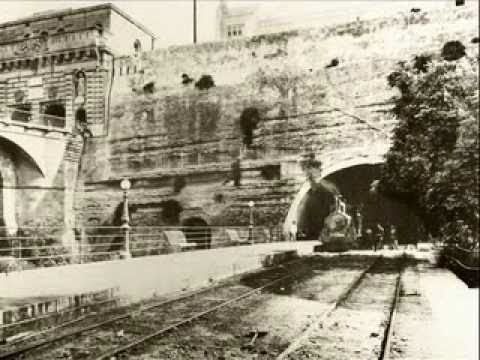
The reopening of the Malta Railway under government management marked a crucial point in the country's transportation history. The railway, originally inaugurated several years prior, had faced multiple challenges, including financial difficulties and inadequate maintenance, which had led to its temporary closure. The decision to bring the railway under government control was driven by the need to revitalize this essential infrastructure and improve public transport services across Malta.
The Malta Railway spanned approximately 11 kilometers, connecting the capital city of Valletta with Mdina, an ancient city. This route was significant for both commuters and freight, aiding in the efficient movement of people and goods. The railway's reopening under government oversight aimed to ensure better financial management, regular maintenance, and overall improvements in service reliability.
One of the immediate impacts of this development was an increase in passenger numbers. With improved services and the assurance of government backing, public confidence in the railway system was restored. This not only eased commute times but also had economic benefits, as businesses could depend on a reliable transport system for logistics. Moreover, the railway's operation under government management led to job creation, offering employment opportunities to local residents.
The significance of this transition was underscored by statistical improvements in railway operations. Punctuality rates increased, and incidents of service disruptions decreased significantly. The government also implemented measures to standardize ticket pricing, making travel more affordable for regular commuters. This contributed to a more integrated and efficient public transport system in Malta.
In the broader context, the government's intervention in the Malta Railway symbolized a shift towards greater public investment in infrastructure. It highlighted the importance of government involvement in crucial public services and set a precedent for future infrastructure projects.
The reopening of the Malta Railway under government management was not merely an administrative change; it was a step towards modernizing Malta's transportation network, providing economic benefits, and improving the quality of life for its citizens.
#MaltaRailway #PublicTransport #Infrastructure #EconomicGrowth #PublicServices #MoofLife
View details1890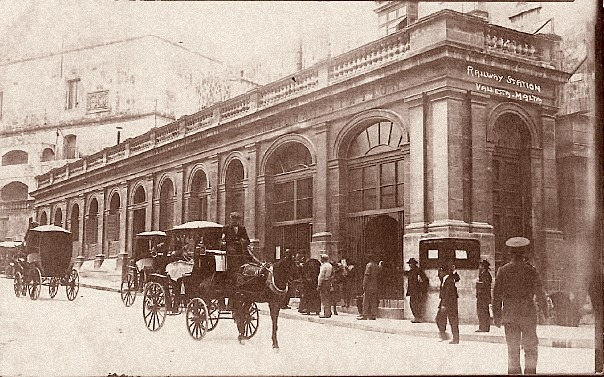
The Malta Railway Company Ltd., a significant transportation provider, faced a turning point when it declared bankruptcy, leading to the cessation of the Malta Railway service. Initially inaugurated to facilitate more efficient travel across the island, the railway had operated for 28 years before financial difficulties necessitated its closure.
The railway had been intended as a revolutionary mode of transport, offering a faster alternative to traditional horse-drawn carriages and the less common maritime routes. Stretching approximately seven miles from Valletta to Mdina, the line boasted several stations including Birkirkara, Hamrun, and Notabile, serving both passengers and freight. However, the company struggled with maintaining profitable operations due to the limited size of the domestic market and competition from emerging bus services.
Contributing factors to the financial distress included high operational costs, continuous maintenance needs of the infrastructure and rolling stock, insufficient ridership, and competition from other modes of transport. Efforts to modernize and increase the railway's efficiency proved ineffective in reversing the financial downturn. Eventually, these difficulties surpassed the company's ability to sustain operations, culminating in the railway's cessation.
The closure of the Malta Railway had broad implications. It marked the end of an era in Maltese transport history and disrupted the daily routines of many commuters and businesses that had come to depend on the service. Nonetheless, it became a critical lesson in the complexities of running a transportation system within a limited geographical and economic environment.
Reflecting on this event, it stands as a testament to the challenges faced by early transportation enterprises and their impact on societal mobility. The memory of the Malta Railway and its stations still captures the imagination of history enthusiasts, reminding them of the transformative yet challenging nature of industrial advancements.
#MaltaRailway #Bankruptcy #TransportationHistory #InfrastructureChallenges #EconomicImpact #MoofLife
View details1858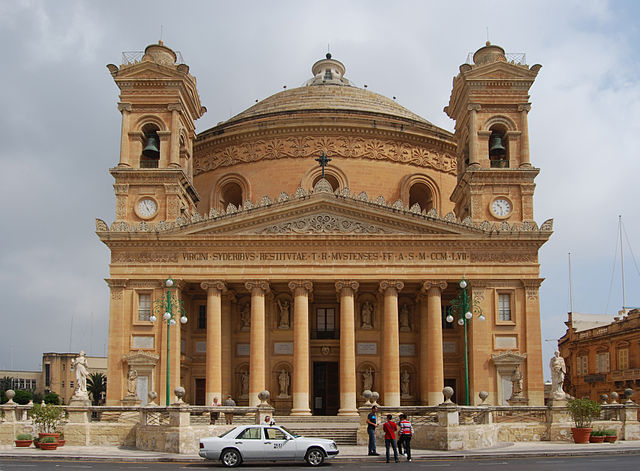
The construction of the Mosta Dome, situated in the heart of Malta, marked a pivotal chapter in architectural and cultural history. This monumental project involved the local community's collective effort, showcasing their dedication and religious fervor. The Rotunda of Mosta, as it is formally known, features one of the largest unsupported domes in the world, with an internal diameter spanning approximately 37 meters.
Maltese architect Giorgio Grognet de Vassé designed the dome, inspired by Rome's Pantheon. The construction employed traditional building techniques with local resources, primarily the resilient limestone endemic to the island. This architectural feat was not just a reflection of technical prowess but also of strategic communal collaboration. The workforce comprised skilled local artisans and laborers, all contributing towards crafting a structure symbolizing their religious devotion and social unity.
The Mosta Dome's impact extended beyond religious significance. Economically, this project catalyzed local industries, particularly quarrying and masonry, providing employment and fostering skill development. Culturally, it cemented Malta's position in architectural innovation, attracting scholars and tourists.
Statistically, the Mosta Dome stands as a testament to architectural ingenuity with a height of around 60 meters from the floor to the lantern top. The dome's impressive scale places it among the top three largest church domes globally, a fact that continues to draw admiration.
The building's completion epitomized not just a spiritual triumph for the residents of Mosta but also a milestone of communal persistence, illustrating the palpable spirit of 'Mutual Aid' deeply embedded in Maltese society. Its reverberating influence touches various facets of life in Malta today, portraying a blend of historic reverence and architectural marvel.
#MostaDome #ConstructionHistory #MalteseArchitecture #ChurchDome #CulturalHeritage #EngineeringFeats #ArchitecturalInnovation #CommunityEffort #MoofLife
View details1800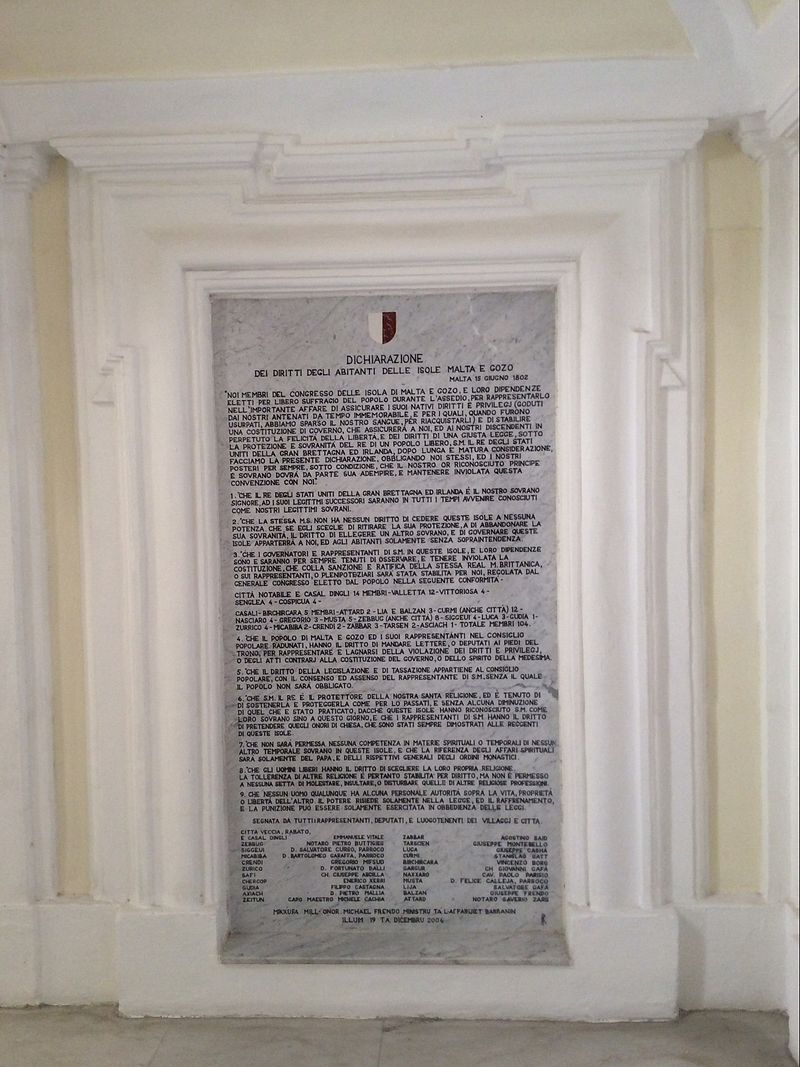
Malta's shift to a British protectorate under the Treaty of Paris marked a pivotal change in its political and strategic landscape. The Treaty of Paris, an agreement aimed at resolving disputes among European powers, played a crucial role in transferring control of Malta. Before the treaty, Malta had been under the rule of the Knights of St. John for nearly two centuries. The island's strategic importance grew due to its position in the Mediterranean, becoming a focal point for naval and military operations.
The backdrop to this event involved considerable conflict and the rise and fall of various sovereignties and empires. As European powers vied for dominance, Malta's location made it an essential asset for controlling trade routes and military movements. The British saw Malta as a vital naval base that could support their interests in the Mediterranean.
The Treaty of Paris formalized British control over Malta, making it a protectorate and ensuring that the island would be administered under British governance. This transition had significant implications for both Malta and the broader region. For Malta, it meant a shift in administrative practices and an alignment with British political and military strategies. The local population experienced changes in law, education, and commerce as British influence began to permeate various aspects of Maltese life.
For Britain, establishing Malta as a protectorate bolstered their strategic capabilities in the Mediterranean, providing a crucial link between their other holdings and adding a layer of security to their maritime operations. The shift also contributed to the British Empire's expanding influence during this period, reinforcing its position as a global power.
The signing of the Treaty of Paris thus set the stage for a long-term British presence in Malta, shaping the island's future and its role in European geopolitics. This event is an example of how international treaties and power dynamics can lead to significant changes in the governance and strategic importance of regions.
#TreatyOfParis #BritishProtectorate #MaltaHistory #MediterraneanPower #NavalStrategy #EuropeanGeopolitics #MoofLife
View details1799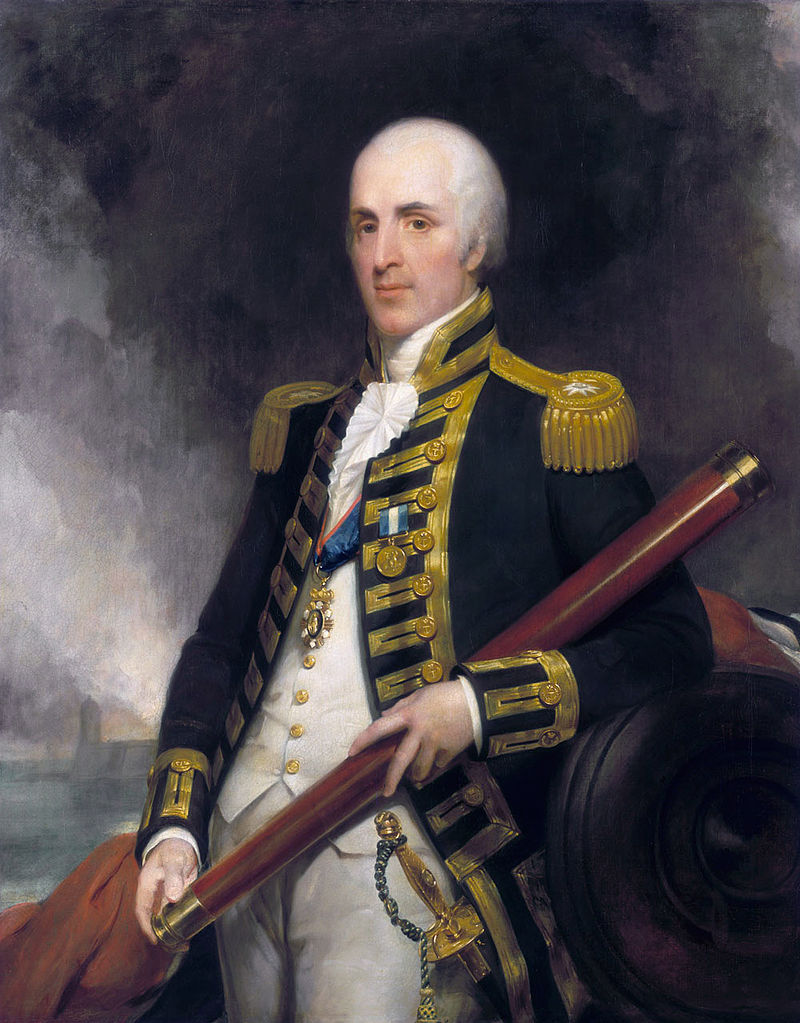
The event marking the arrival of the first British Governor Sir Alexander Ball in Malta initiated a pivotal chapter in the island's history, shifting its governance from a brief period of French rule to British control. Prior to this transition, Malta had endured a tumultuous period. The island was under the rule of the Knights of St. John until Napoleonic forces seized it. However, the French administration soon met resistance from the Maltese population, leading to a blockade of French troops in Valletta by local insurgents.
In response to the Maltese request for assistance, British forces intervened. Sir Alexander Ball, who had already played a crucial role in diplomatic negotiations during the siege, was appointed as the first British Governor by the British Crown. His arrival symbolized the commencement of British rule over Malta, with Ball mediating between British objectives and Maltese interests.
The impact of British administration was significant. It marked the beginning of infrastructural improvements, including the development of the island's harbors and the construction of new public buildings. The British also introduced administrative reforms, enhancing the efficiency and effectiveness of governance. British occupation fundamentally altered Malta’s strategic importance in the Mediterranean, particularly during times of conflict such as the Napoleonic Wars and later during World War II.
Economically, British rule gradually integrated Malta into the broader British trade network. This period saw the establishment of banks, promotion of free trade policies, and development of the maritime industry. As a naval base, Malta's economy became heavily entwined with British military and commercial interests.
The population’s reaction to British rule was mixed. Some segments of Maltese society benefited from the new economic opportunities and political stability, while others harbored resentment due to cultural and social changes imposed by the colonial administration.
By considering the strategic, economic, and social ramifications, the arrival of Sir Alexander Ball as the first British Governor remains a foundational event in Maltese history, illustrating the island's transformation under British influence.
#MoofLife #MaltaHistory #BritishEmpire #ColonialAdministration #MediterraneanStrategicLocation
View details1798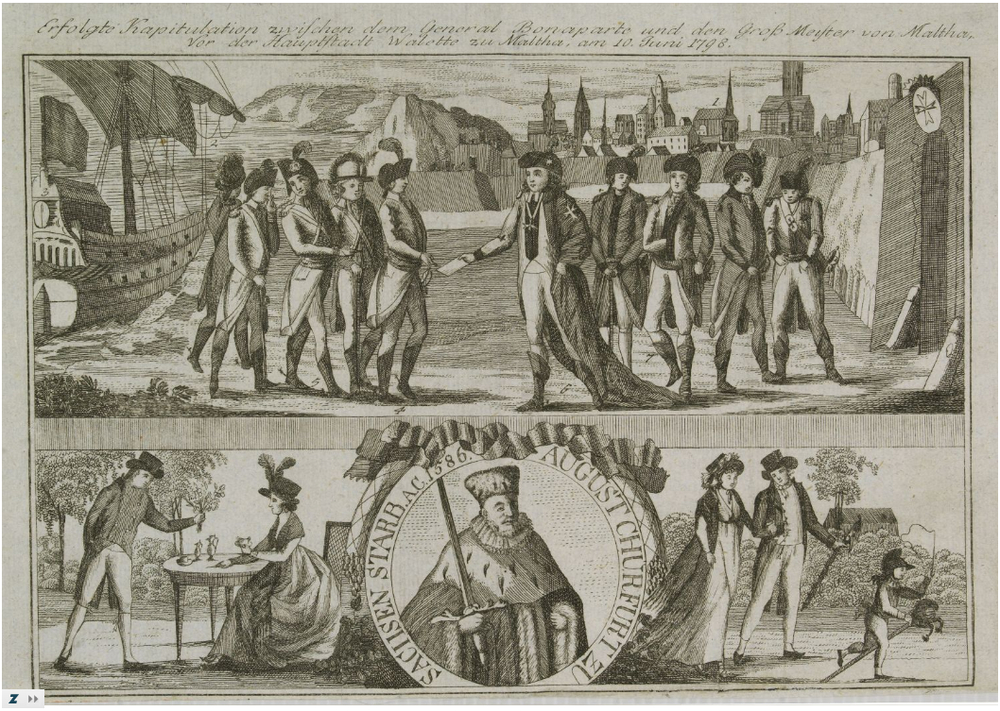
Napoleon Bonaparte led a French fleet to Malta, which played a strategic role in the central Mediterranean. Malta was then under the control of the Knights of St. John, who ruled the islands but were unable to muster an effective defense against the French force. The local population, resentful of the Knights, viewed the French arrival with a combination of curiosity and hope for change.
The French forces efficiently moved to disarm the Knights and take control of the critical ports and fortifications. The leadership of the Knights capitulated without significant resistance. Napoleon promised reforms, which included the abolition of a feudal system, and the introduction of public education and civil liberties. These promises initially garnered support from various Maltese citizens who were dissatisfied with the Parochial and elite-controlled administration of the Knights.
However, the imposition of heavy taxation, the requisition of church property, and anticlerical measures soon led to disaffection among the broader population. Discontent grew as Malta's economic conditions worsened. Napoleon's tenure in Malta was brief but transformative. The French presence redistributed power from the Knights and introduced modern concepts of governance and civil liberties. Nonetheless, it led to a period of unrest due to the abrupt changes and economic strain it caused.
Eventually, the Maltese revolted against the French occupation. Assisted by the British Royal Navy, the Maltese blockade led to the French garrison's surrender. This event radically altered Malta's trajectory, removing the Knights' centuries-old rule and moving the islands towards British influence, which defined much of Malta's subsequent history.
This period marked the spread of revolutionary ideals and altered Malta's socio-political landscape permanently, even though it was initially met with local resistance and hardship.
#Napoleon #FrenchMilitary #MaltaHistory #RevolutionaryIdeals #MoofLife
View details1775
In the lead-up to the event known as 'Rising of the Priests' in Malta, discontent among various social groups was growing. The existing governance structure, dominated by the Knights of St. John, had created substantial inequalities and economic hardships. This discontent was further fueled by the scarcity of necessary goods, and the imposition of additional taxes, which were particularly burdensome to the local clergy and laypeople.
The clergy, who held a powerful influence over the Maltese populace, played a pivotal role in this period of unrest. The conflict of interests between the island's native population and the ruling Knights had been simmering for years. Tensions reached a breaking point when a series of provocations from the ruling class tipped the balance.
On this day, the priests led their congregations in challenging the prevailing authority, demanding better living conditions and revolt against financial and social grievances. The event was marked by a significant gathering of the local population, who expressed their dissatisfaction vocally and, at times, violently.
The impact of this uprising was substantial. It demonstrated the collective frustration of the local populace with the ruling elite's policies. The immediate reaction saw a crackdown on the uprisings, but in the long-term, it contributed to a heightened awareness of the local economic and social issues. This event is also significant for its role in galvanizing future resistance movements, subtly reshaping the relationship between the clergy and the governing entities.
Statistics from this period reveal a stark contrast in wealth distribution and accessibility, contributing to the underlying causes of the unrest. Reports indicated a significant portion of Maltese families lived in poverty, despite the considerable income and opulence enjoyed by the ruling Knights. Consequently, events like 'Rising of the Priests' are critical in understanding the socio-political fabric of Malta during this era.
#RisingOfThePriests #MaltaHistory #ClergyRevolt #SocialJustice #EconomicInequality #HistoricalUprising #MoofLife
View details1749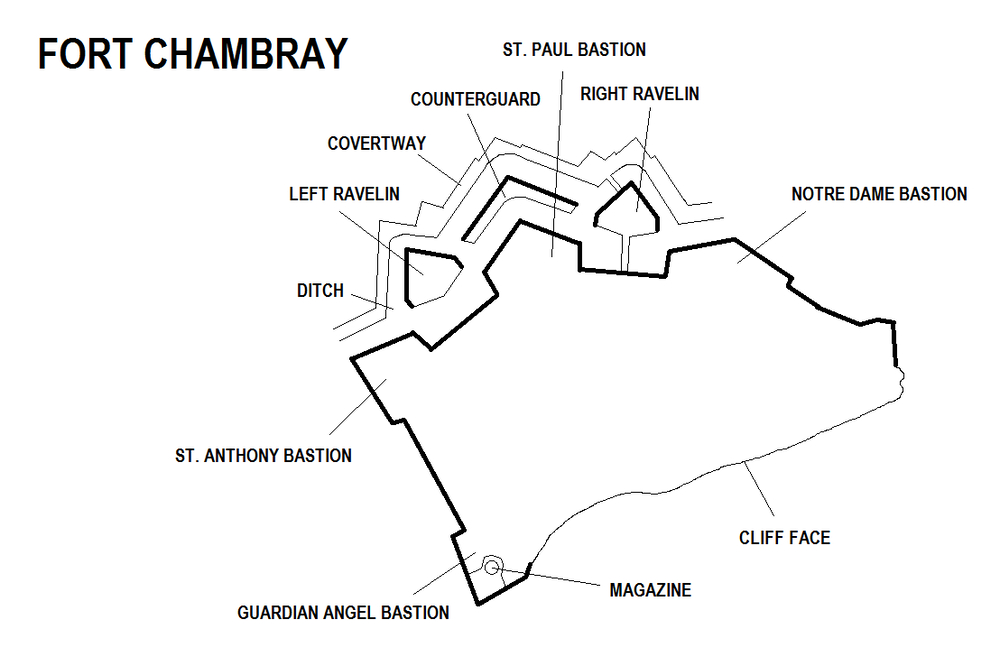
In the 18th century, the Maltese archipelago witnessed the construction of Fort Chambray on the island of Gozo. This fortification was conceived as a strategic military installation by the Order of St. John. Fort Chambray was established to enhance the island's defenses, serving as a deterrent to potential Ottoman attacks and other maritime threats in the Mediterranean region. The Virginio, Marquis of Chambrai, funded its construction, leading to its naming in his honor.
Strategically located on a plateau overlooking the Mgarr harbor, the fort provided a vantage point for surveying incoming ships and safeguarding Gozo's coastline. The design of Fort Chambray incorporated the latest advancements in military architecture, with bastions, barracks, and extensive fortifications illustrating the tactical sophistication of the time.
The impact of Fort Chambray on Gozo and its inhabitants was multifaceted. Militarily, it bolstered the island's defenses, reducing the vulnerability of Gozo to pirate raids, which were a significant threat during this period. Economically, the construction and garrisoning of the fort provided employment opportunities and stimulated local trade. Socially, the presence of the fort fostered a sense of security among the Gozitans and contributed to the stabilization of the local community.
The introduction of Fort Chambray did not solely focus on defensive purposes. The Order of St. John envisioned it as part of a comprehensive plan to develop Gozo's inadequate infrastructure. However, despite these ambitions, the fort's potential as a fully-fledged urban development went unrealized, and it remained primarily a military installation.
Throughout its operational years, Fort Chambray played a critical role during various conflicts and transitions in the region, notably during the French invasion and subsequent Maltese insurrection. It stood as a symbol of resilience and adaptability in Malta's historical landscape.
Today, Fort Chambray remains a historical monument, reflecting the strategic importance of military architecture in shaping Mediterranean geopolitics. Its legacy endures in the collective memory of Malta, contributing to the understanding of the island's complex past and its continual evolution.
#FortChambray #MilitaryHistory #MalteseIslands #Gozo #MoofLife
View details1732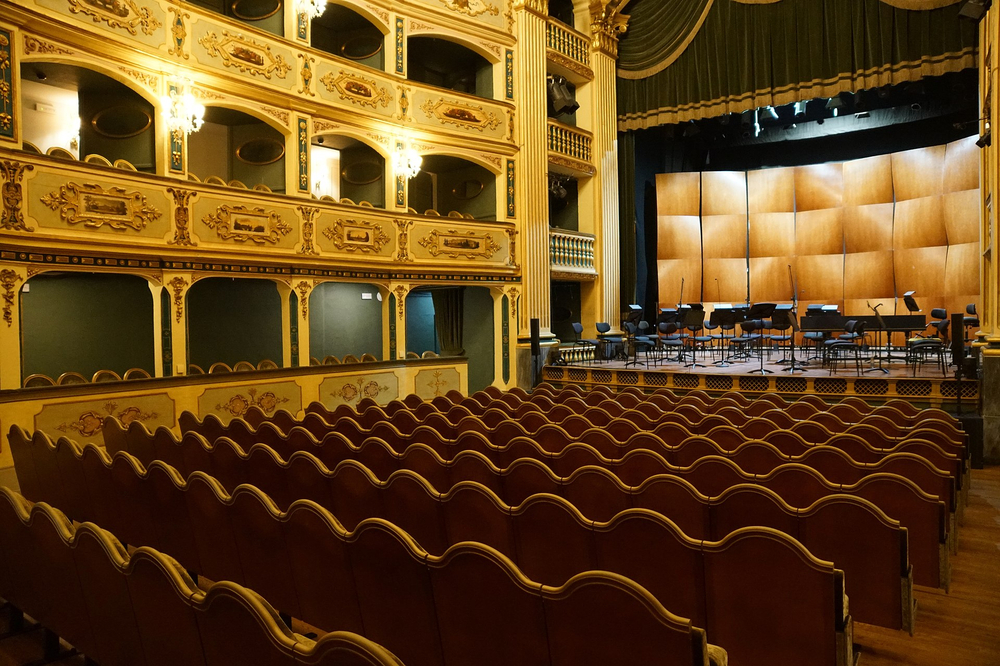
The Manoel Theatre, a historic gem in Valletta, Malta, celebrated its grand opening with a performance of Merope by Scipione Maffei. This event marked the beginning of the theatre's long-standing tradition as a cultural hub for the Maltese community. Built in 1731 by Grand Master Antonio Manoel de Vilhena, the Manoel Theatre was intended to provide "honest entertainment" to the public. The choice of Merope, a poignant tragedy by the Italian playwright Maffei, was a fitting inaugural performance, reflecting the theatre's dedication to presenting sophisticated and impactful works from its very inception.
The opening night was a significant moment in Malta's cultural history, as it introduced a venue that would become central to the island's artistic life. The elegant baroque architecture of the theatre, combined with the powerful narrative of Merope, created an unforgettable experience for those in attendance. The success of this event set the stage for the Manoel Theatre to flourish as one of Europe's oldest working theatres, continuing to host an array of performances that celebrate both local and international talent.
#MomentsOfLife #MoofLife_Moment #MoofLife #ManoelTheatre #VallettaHistory #MalteseCulture #TheatreOpening
View details1723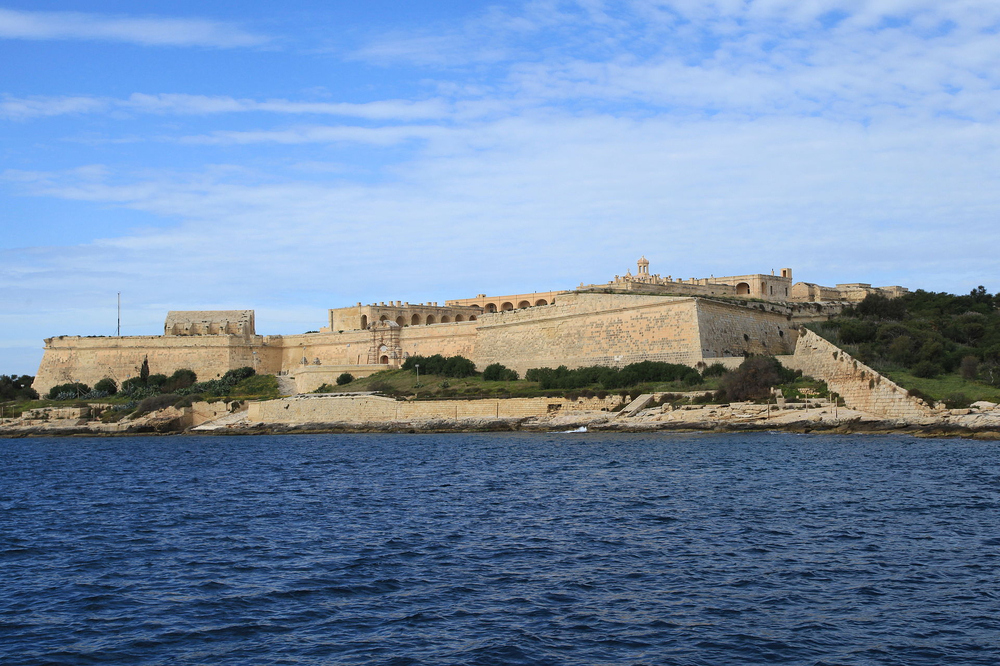
The construction of Fort Manoel on Malta started on 14-Sep-1723, marking a pivotal development in the island's defense strategy. Funded by Portuguese Grand Master António Manoel de Vilhena of the Order of Saint John, the project aimed to bolster the island's fortifications against potential threats, particularly from the Ottoman Empire. Prior to this, Malta's defenses were considered inadequate against evolving military technologies.
The location selected for Fort Manoel was Manoel Island, situated strategically within Marsamxett Harbour. The fort's design, attributed to French military engineer René Jacob de Tigné and his Maltese counterpart, Charles François de Mondion, followed the principles of the star fort, a type recognized for its ability to withstand artillery assaults. The layout included angular bastions to minimize blind spots and maximize defensive firepower, alongside a deep moat and a series of underground tunnels for secure movement and supplies.
Upon completion, Fort Manoel significantly enhanced Malta’s military capabilities. It served not only as a defensive stronghold but also housed a chapel dedicated to Saint Anthony of Padua, showcasing the integration of religious and military functions typical of Knight’s establishments. Over time, Fort Manoel played critical roles during various military conflicts, including the French invasion of Malta and the subsequent British colonization.
The fort had a lasting impact on the local population and regional geopolitics. It provided employment opportunities during its construction and thereafter served as a stable base for the garrison, contributing to the local economy. The strategic advantage it created helped to secure Malta's harbors, essential for controlling seaborne trade routes in the Mediterranean.
Fort Manoel remains a testament to early 18th-century military architecture and engineering, reflecting the broader historical context of European and Ottoman tensions in the Mediterranean. Today, it stands as an iconic historical and tourist site, attracting visitors interested in Malta's rich heritage and the enduring legacy of the Knights of St. John.
#MoofLife #FortManoel #MaltaHistory #MilitaryArchitecture #OrderOfSaintJohn #MediterraneanHistory
View details