
Philippines

Pearl of the Orient Seas
About
#Philippines
#Filipino
#Pinoy
Life Classification
Country
Life ID
EL9609718834072
Verified Name
philippines
Life Type
Entity Life
Life Privacy
Public
Subscription
Elite
Created On
2024-07-26
Updated On
2025-12-19
Connect
Related Lives

Horror Movies
Nightmares on Screen

Canadian Federal Election
Canada Decides

World War I
The Great War

Serbia
The Heart of the Balkans

Thailand
Land of Smiles
Afghanistan
The Jewel of Central Asia
Brunei
Abode of Peace

South Africa
The Rainbow Nation

2026
On 09/09/2026, a fire aboard the passenger ferry MV June Aster reportedly killed at least 76 people and left 13 others missing in waters off Coron, Palawan, in the Philippines. The incident occurred near one of the country's island destinations, where passenger ferries provide transport between coastal communities and tourist locations. The reported death toll and number of missing passengers indicated a serious maritime disaster, with search and rescue efforts focused on locating survivors and accounting for those aboard the vessel.
The Philippine Coast Guard, local emergency responders and nearby fishermen participated in rescue and recovery operations. By 12/09/2026, authorities had reported 76 deaths, 43 survivors and 13 missing people. Subsequent verification revised the figures to 77 fatalities, 43 survivors and eight missing, according to the Philippine News Agency on 13/10/2026. Investigations continued into the cause of the fire and the vessel's safety procedures.
View details2025
Catalina Cabral, the former undersecretary of the Philippines’ Department of Public Works and Highways (DPWH) and a key figure in a high-profile flood control scandal, has been found dead, prompting widespread concern and speculation. Cabral had been linked to allegations of mismanagement and irregularities in flood control projects, which drew public criticism and scrutiny over delays, cost overruns, and questionable procurement practices. Authorities have confirmed her death and initiated an investigation to determine the circumstances, emphasizing that all possibilities, including natural causes and foul play, are being considered. The case has intensified public attention on accountability and governance within major infrastructure projects.
The death of Cabral carries significant political, social, and institutional implications. Politically, it may affect ongoing inquiries and legal proceedings related to the flood control scandal, raising questions about transparency, accountability, and potential obstruction in high-profile corruption cases. Socially, the development has sparked debate over the oversight of public officials and the mechanisms in place to ensure responsible management of taxpayer-funded projects. Institutionally, it highlights challenges in monitoring large-scale infrastructure programs and the risks associated with corruption in critical public services. Overall, the death of Catalina Cabral underscores the broader urgency for effective governance, robust anti-corruption measures, and public accountability in the Philippines’ infrastructure sector, while also drawing attention to the societal and political stakes of high-profile scandals.
View details2024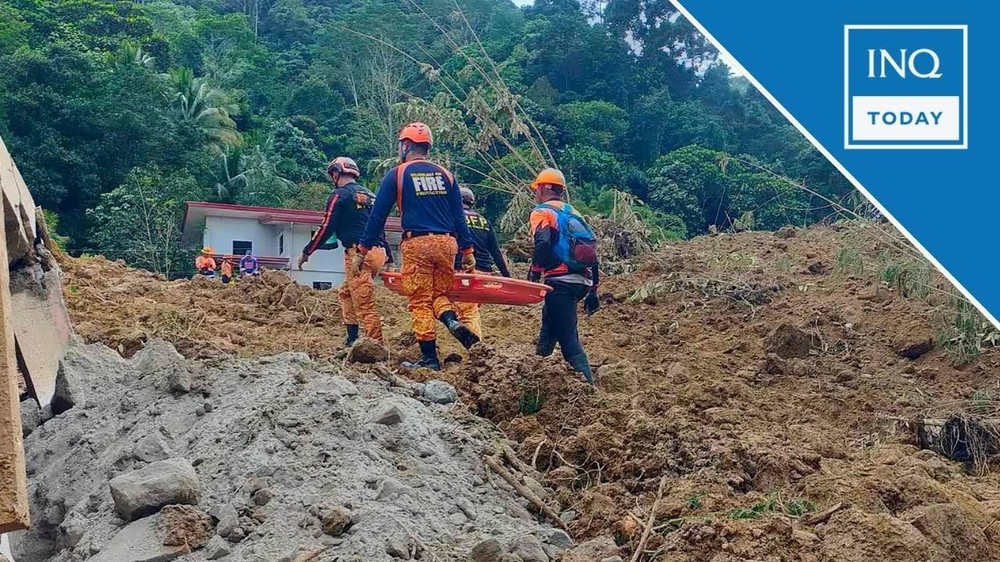
A deadly landslide struck Maco in Davao de Oro, Philippines, killing at least 68 people and causing widespread destruction across affected communities. The disaster, triggered by heavy rainfall and unstable terrain, buried homes, roads, and farmland, leaving many residents trapped or displaced. Emergency responders, local authorities, and military units quickly mobilized search-and-rescue operations to recover survivors and provide medical assistance, food, and temporary shelter. Access to some affected areas was severely hindered due to debris and damaged infrastructure, complicating relief efforts. The landslide has drawn national attention, prompting calls for urgent disaster response and long-term mitigation strategies.
The Maco landslide carries significant humanitarian, environmental, and socio-economic implications. Humanitarian concerns are immediate, as survivors face critical shortages of food, clean water, and medical care, while families cope with the loss of loved ones. Environmentally, the disaster underscores vulnerabilities related to deforestation, land use practices, and soil instability in high-risk areas. Economically, the destruction of homes, farmland, and local infrastructure threatens livelihoods and may require extensive reconstruction and rehabilitation. Socially, the event highlights the importance of disaster preparedness, early warning systems, and community awareness programs in mitigating the impact of natural hazards. Overall, the Maco landslide represents a tragic disaster with far-reaching consequences, emphasizing the urgent need for coordinated relief, sustainable land management, and improved disaster resilience in vulnerable regions.
View details2021
At the Tokyo Olympics, weightlifter Hidilyn Diaz made history by securing the first Olympic gold medal for the Philippines. Diaz competed in the women's 55-kilogram category, lifting a total of 224 kilograms. This victory ended a 97-year wait for the Philippines to claim the top spot on the Olympic podium.
Born and raised in Zamboanga City, Diaz's journey to Olympic gold was marked by challenges and perseverance. She previously competed in the 2008 and 2012 Olympics, winning silver in the latter. Diaz's triumph resonated deeply with Filipinos, uniting the nation in celebration and pride.
Her victory was a source of inspiration for aspiring athletes in the Philippines, especially for female athletes in a male-dominated sports landscape. Diaz's win also shed light on the importance of investing in sports development and providing support to athletes from underrepresented communities.
The impact of Diaz's gold medal extended beyond sports, highlighting the resilience and determination of the Filipino people. It served as a reminder of the potential and talent that exist within the Philippines, motivating individuals to pursue their dreams against all odds.
Through her historic achievement, Hidilyn Diaz etched her name into Philippine sports history and inspired a nation. Her gold medal win represented a breakthrough moment for the Philippines, uniting the country and showcasing the power of hard work and dedication. Diaz's triumph exemplified the Filipino spirit of bayanihan (unity) and pagtutulungan (collaboration), inspiring generations to come.
#HidilynDiaz #PhilippinesGold #OlympicHistory #Inspiration #FilipinoPride
View details2017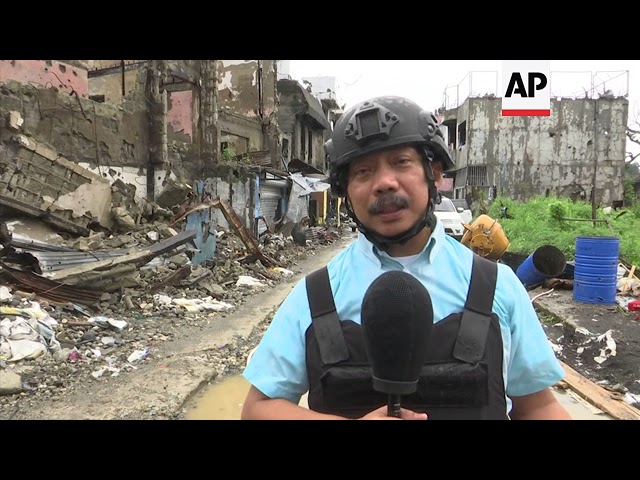
In Southern Philippines, the city of Marawi was declared liberated from jihadist fighters who controlled it for almost five months. The conflict began when government forces attempted to capture Isnilon Hapilon, a key figure in the Islamic State group. The militants seized control of large parts of Marawi, leading to a months-long battle between the Philippine military and the insurgents.
The fighting resulted in widespread destruction, displacing thousands of residents and causing significant casualties on both sides. The liberation of Marawi marked a significant victory for the Philippine government in its efforts to combat extremism in the region. However, the city's infrastructure was left in ruins, with many buildings damaged or destroyed.
Despite the liberation, the humanitarian crisis in Marawi continued, with thousands of displaced residents in need of assistance. The government faced the challenge of rebuilding the city and providing support to those affected by the conflict. The rehabilitation efforts in Marawi were a priority for the authorities, aiming to restore normalcy to the city and ensure the welfare of its residents.
The declaration of Marawi's liberation was a pivotal moment in the conflict, symbolizing the end of the militant presence in the city. It marked the beginning of a new chapter for Marawi, as the government worked towards rebuilding and restoring peace in the region. The impact of the conflict on the city and its residents was profound, highlighting the ongoing challenges of extremism and conflict in the Philippines.
#MarawiLiberation #PhilippinesConflict #RebuildingMarawi
View detailsIn May, martial law was declared on the island of Mindanao after clashes between security forces and militants linked to the Maute group and Isnilon Hapilon. The Maute group, known for its allegiance to ISIS, is a local militant organization operating in the southern Philippines. Isnilon Hapilon, a leader of the Abu Sayyaf group, had been declared the emir of ISIS in Southeast Asia.
The violence erupted when the Philippine military attempted to capture Hapilon in Marawi City. The militants responded by taking over several buildings, burning down schools, and using hostages as human shields. The clashes led to a humanitarian crisis, with thousands of residents fleeing the city to escape the violence.
The government's decision to impose martial law in Mindanao was met with mixed reactions. Supporters argued that it was necessary to combat the growing threat of terrorism in the region, while critics raised concerns about human rights abuses and the potential for a prolonged military rule.
The conflict in Marawi City continued for months, resulting in significant casualties on both sides. The Philippine military launched airstrikes and ground offensives to retake the city from the militants. The battle finally concluded when Hapilon was killed in a military operation in October.
The impact of the fighting was devastating, with many civilian casualties and widespread destruction of infrastructure. The city of Marawi was left in ruins, and thousands of residents were displaced from their homes. The conflict also highlighted the ongoing security challenges facing the Philippines, particularly in the southern region where insurgent groups have long been active.
#Mindanao #MauteGroup #IsnilonHapilon #MarawiCity #Philippines #MartialLaw #ISIS #SecurityForces #Terrorism #HumanitarianCrisis
View details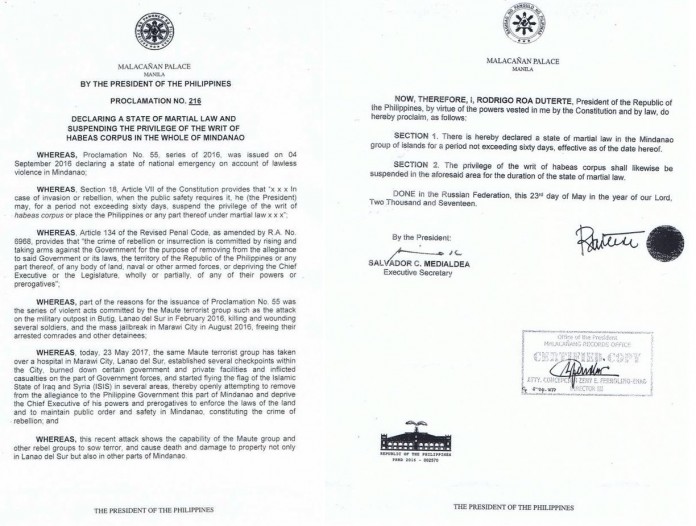
2016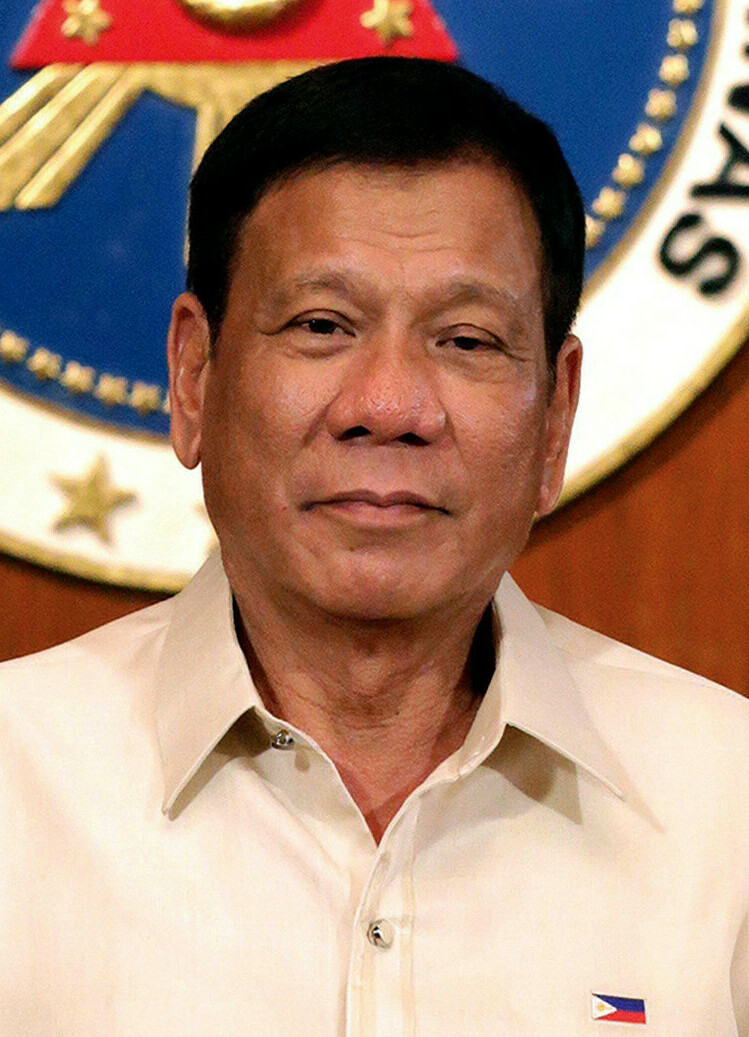
Rodrigo Duterte was elected as President of the Philippines after a landslide victory in the national elections. Known for his tough stance on crime and corruption, Duterte's campaign promised swift and decisive action to address these issues. His rise to power was fueled by a growing dissatisfaction with the political establishment and a desire for change among the Filipino population.
During his presidency, Duterte implemented a controversial anti-drug campaign that garnered both praise and criticism on the international stage. His administration also focused on infrastructure development and economic growth, with initiatives aimed at improving the lives of ordinary Filipinos.
Duterte's leadership style was marked by his unfiltered rhetoric and unorthodox methods, which often drew both admiration and condemnation. His presidency was characterized by a series of high-profile incidents, including clashes with human rights groups and strained relations with traditional allies.
Despite the controversies surrounding his administration, Duterte maintained a strong base of support among the Filipino people, particularly those who appreciated his no-nonsense approach to governance. His presidency left a lasting impact on the political landscape of the Philippines, setting the stage for future leaders to follow in his footsteps or chart a different course.
The election of Rodrigo Duterte as President of the Philippines underscored a shifting political climate in the country, marked by a desire for change and a willingness to embrace unconventional leadership. As his term came to an end, the legacy of Duterte's presidency continued to shape the discourse around governance and democracy in the Philippines.
#RodrigoDuterte #PhilippinesElection #PoliticalShifts
View details2015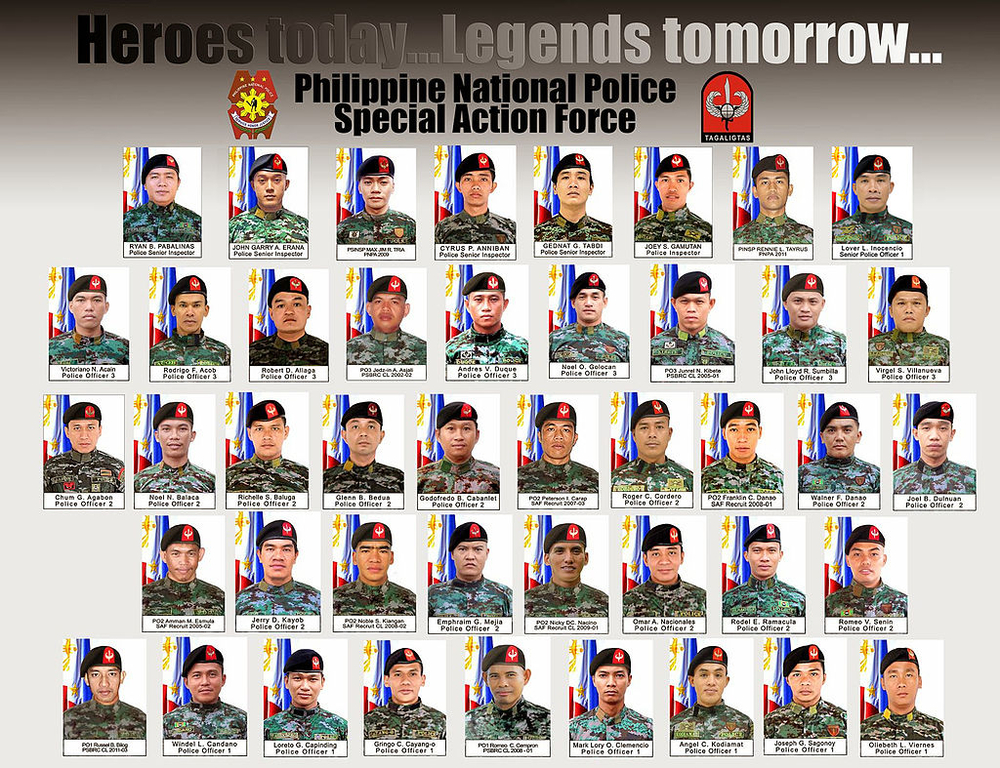
In an unfortunate incident on the southern island of Mindanao, forty-four police commandos lost their lives in a clash with Muslim rebels. The clash marked the deadliest day for the security forces in recent history, sending shockwaves through the nation.
The clash took place in a remote village where the police were carrying out an operation to capture two high-profile militants. The encounter quickly turned violent, resulting in an intense firefight that lasted for hours. The police commandos were outnumbered and outgunned, leading to a devastating loss of life.
The aftermath of the clash saw a national outpouring of grief and anger. Families of the fallen commandos demanded justice and answers from the government. The incident also reignited debates on the peace process in Mindanao and raised questions about the effectiveness of the security forces in addressing the insurgency in the region.
The loss of forty-four police commandos in a single day sent a clear message about the challenges faced by the security forces in maintaining peace and order in conflict-affected areas. It also highlighted the complexities of the situation in Mindanao and the need for a comprehensive and sustainable solution to the decades-long conflict.
As the nation mourned the loss of the fallen heroes, questions remained about the circumstances leading to the tragic event and the lessons that could be learned to prevent such incidents in the future. The memory of the forty-four police commandos who made the ultimate sacrifice in the line of duty continues to be honored and remembered by the people of the Philippines.
#MindanaoClash #PoliceCommandos #PeaceProcess #FallenHeroes
View details2014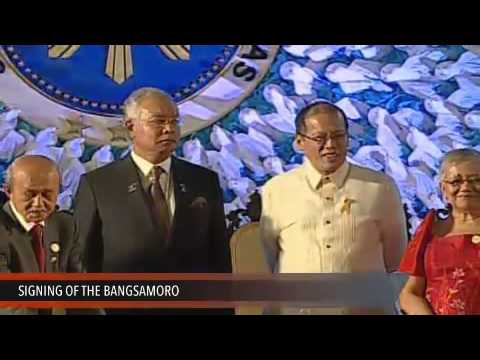
The Comprehensive Agreement on the Bangsamoro (CAB) was signed between the Philippine government and the Moro Islamic Liberation Front (MILF) to address the decades-long conflict in Mindanao. The agreement aimed at creating a new autonomous political entity known as the Bangsamoro to replace the Autonomous Region in Muslim Mindanao (ARMM). It granted the Bangsamoro region greater political and economic powers, including the establishment of a parliament and control over resources.
The signing of the CAB marked a significant milestone in the peace process between the Philippine government and the MILF, signaling a commitment to peace and development in the region. The agreement was a result of years of negotiations and efforts to address the root causes of conflict in Mindanao, including historical marginalization and grievances of the Bangsamoro people.
The CAB was seen as a crucial step towards achieving lasting peace and stability in Mindanao, as it provided a framework for addressing the aspirations of the Bangsamoro people for self-governance and recognition of their identity and rights. The agreement also paved the way for the decommissioning of MILF fighters and the normalization process in the region.
The signing of the CAB was welcomed by various stakeholders, including the international community, as a significant achievement towards resolving one of the longest-running conflicts in the Philippines. It was seen as a testament to the willingness of both parties to work towards a peaceful and inclusive society in Mindanao.
Overall, the signing of the CAB was a historic moment that represented a turning point in the peace process in Mindanao, setting the stage for the establishment of a more inclusive and autonomous Bangsamoro region.
#Philippines #PeaceProcess #Bangsamoro #MILF #Government #Autonomy
View detailsIn 2015, hundreds of Muslim rebels in the southern Philippines registered to vote in the upcoming elections as part of a peace deal aimed at resolving a four-decade-long conflict. This initiative came after the Moro Islamic Liberation Front (MILF) signed a peace agreement with the government, with the establishment of an autonomous region under the Bangsamoro Organic Law (BOL) as a key component.
The registration of Muslim rebels to vote was seen as a significant step towards inclusivity and political participation in the region, giving them a voice in the electoral process and a chance to shape their future through peaceful means. It also marked a shift from armed struggle to democratic engagement, as former rebels embraced the opportunity to contribute to the country's political landscape.
The peace deal and the subsequent voter registration process were aimed at addressing the long-standing grievances of the Muslim population in the southern Philippines, who have historically faced marginalization and violence. By participating in the electoral process, Muslim rebels sought to exercise their rights, advocate for their interests, and work towards a more stable and prosperous future for their communities.
Overall, the registration of hundreds of Muslim rebels to vote in the 2016 elections was a significant development in the peace process in the southern Philippines. It symbolized a commitment to reconciliation, dialogue, and democratic principles, laying the groundwork for a more inclusive and peaceful society in the region.
#Philippines #PeaceDeal #MuslimRebels #BangsamoroOrganicLaw #Inclusivity #Elections
View details2013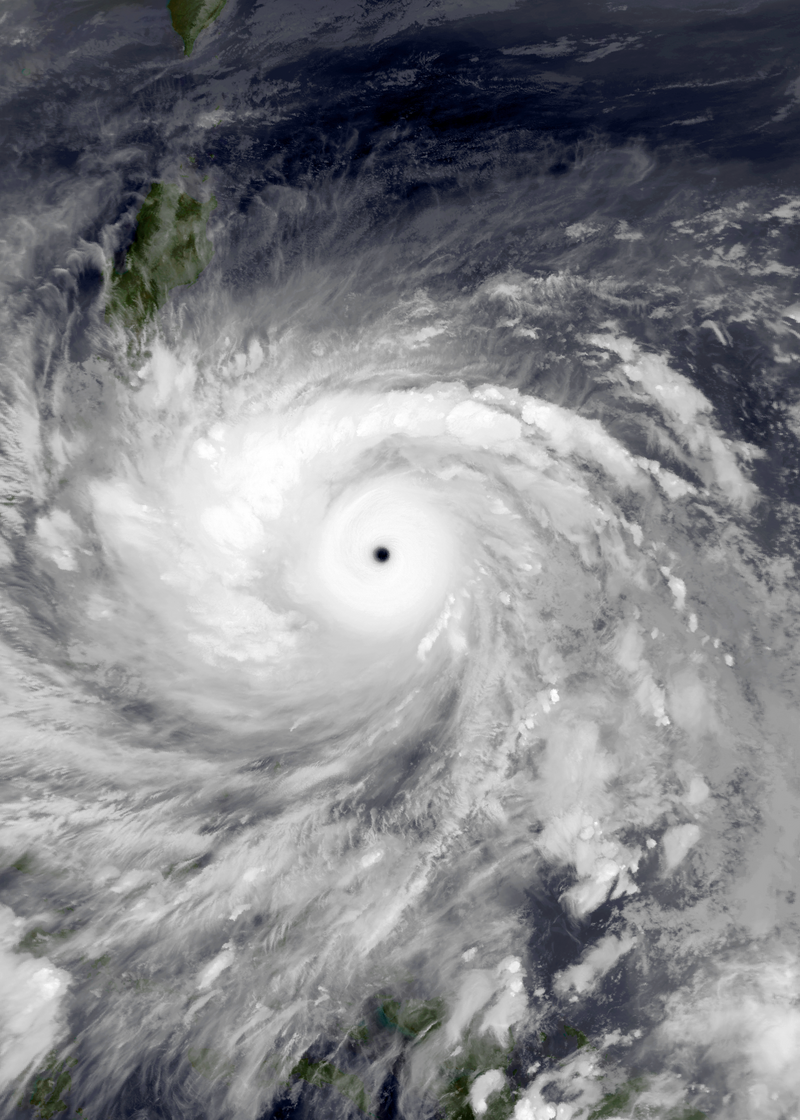
On November 8, Typhoon Haiyan, known as Yolanda in the Philippines, struck the country, bringing catastrophic destruction. With wind speeds reaching 195 mph, it was one of the strongest typhoons ever recorded, causing storm surges as high as 20 feet in some coastal areas. The provinces of Leyte and Samar were among the hardest hit, with thousands of homes demolished and infrastructure severely damaged.
The typhoon left a trail of devastation, affecting millions of people and causing widespread displacement. The storm surge submerged entire communities, leaving thousands dead and many more injured. Access to clean water, food, and medical supplies became scarce, exacerbating the humanitarian crisis.
The Philippines government, along with international aid agencies, launched massive relief efforts to assist those affected by the disaster. The days and weeks following the typhoon saw a global outpouring of support, with countries and organizations offering financial aid, relief supplies, and sending personnel to help with the recovery process.
Reconstruction and rehabilitation efforts in the affected areas took years, with many communities still rebuilding homes and livelihoods. The typhoon served as a stark reminder of the vulnerability of coastal regions to extreme weather events, highlighting the need for better disaster preparedness and response measures.
The resilience of the Filipino people shone through as they came together to support each other in the face of adversity. The lessons learned from Typhoon Haiyan have since informed disaster risk reduction strategies and climate change adaptation initiatives in the Philippines and beyond.
#TyphoonHaiyan #Yolanda #PhilippinesStrong #DisasterResponse #ClimateChangeAdaptation
View detailsIn the southern city of Zamboanga, a stand-off between the army and rebel remnants of Moro National Liberation Front resulted in 75,000 residents fleeing their homes. This conflict is rooted in the decades-long struggle for autonomy by the Moro people in the Philippines.
The Moro National Liberation Front, seeking an independent Muslim state in Mindanao, signed a peace agreement with the government in the 1990s. However, some rebel factions continued to resist, leading to sporadic violence in the region. The stand-off in Zamboanga was a result of these lingering tensions.
As the conflict escalated, the streets of Zamboanga turned into a battleground, with gunfire and explosions echoing throughout the city. The army engaged in fierce combat with the rebels, leading to casualties on both sides. Civilians, caught in the crossfire, were forced to flee their homes, seeking refuge in evacuation centers.
The humanitarian impact of the stand-off was significant, with thousands of families displaced and in need of assistance. Basic services were disrupted, and the city was plunged into a state of crisis. The conflict also raised concerns about the fragile peace process in Mindanao and the challenges of addressing the root causes of insurgency in the region.
In the aftermath of the stand-off, efforts were made to restore order and provide aid to the displaced residents. The Philippine government reiterated its commitment to peace and development in Mindanao, highlighting the importance of addressing the grievances of marginalized communities.
#ZamboangaStandoff #MoroConflict #PhilippinesCrisis #HumanitarianEmergency #PeaceBuilding
View details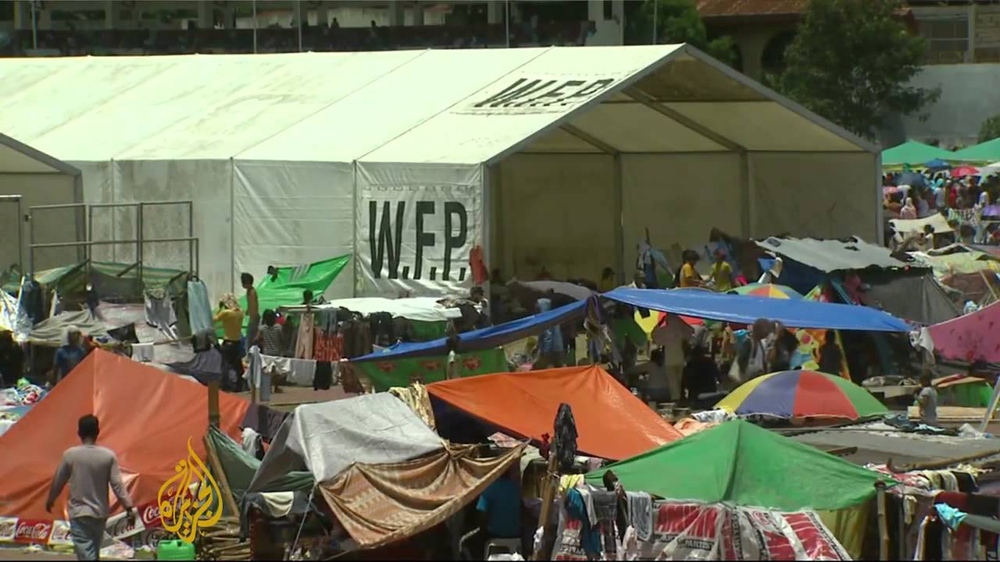
A major diplomatic row erupted between Taiwan and the Philippines after Filipino coastguards fatally shot a Taiwanese fisherman in disputed waters. The incident occurred when the Taiwanese fishing boat, Guang Ta Hsin 28, was operating in waters that both countries claimed as their exclusive economic zone. The Filipino coastguards alleged that the Taiwanese vessel was engaging in illegal fishing activities, which led to the fatal confrontation.
The killing of the Taiwanese fisherman sparked outrage in Taiwan, with the government demanding a formal apology and compensation from the Philippines. In response, the Philippines expressed regret over the incident but stopped short of issuing a formal apology, leading to further escalation of tensions between the two nations. The Taiwanese government imposed sanctions on the Philippines, including a travel ban for Filipino workers and the suspension of economic exchanges.
The diplomatic standoff strained the relations between Taiwan and the Philippines, with both countries refusing to back down from their respective positions. The incident also highlighted the long-standing territorial disputes in the region, with Taiwan asserting its sovereignty over the waters where the shooting occurred.
The incident had significant implications for bilateral relations between Taiwan and the Philippines, impacting diplomatic, economic, and social ties between the two countries. It also raised concerns about the use of force in resolving maritime disputes and the need for improved communication and cooperation among nations in the region to prevent similar incidents in the future.
#Taiwan #Philippines
#DiplomaticRow #MaritimeDispute
#TerritorialConflict #FishermanKilling
View details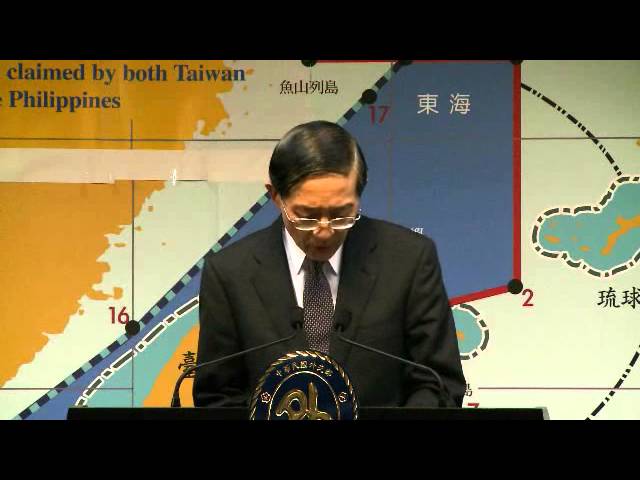
2012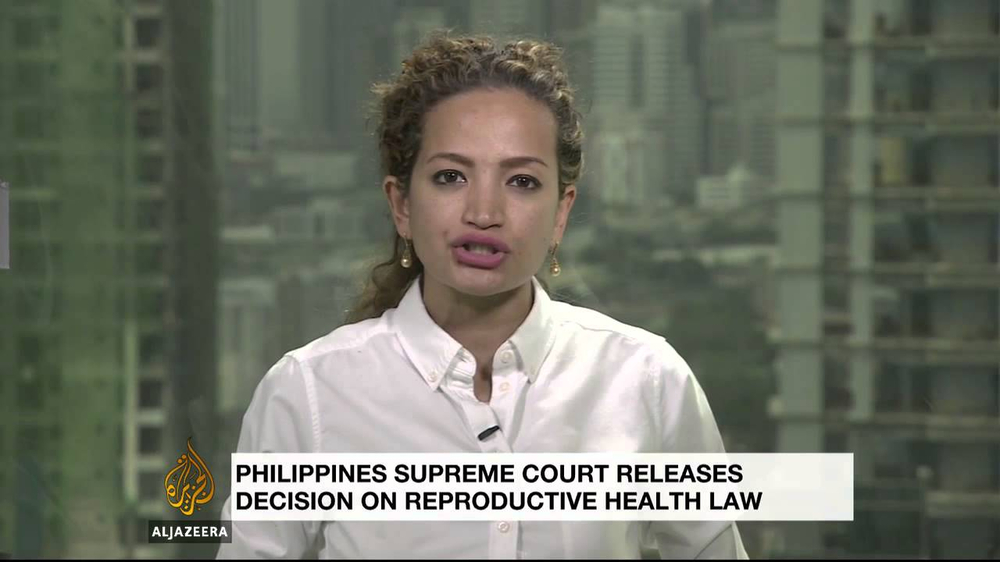
The Reproductive Health Bill in the Philippines, legalizing contraception, was a milestone event in the country's history. The bill aimed to provide universal access to methods of contraception, fertility control, sexual education, and maternal care.
After years of heated debates and strong opposition from religious groups, the bill finally gained approval, marking a significant shift in the conservative stance on reproductive health in the predominantly Catholic nation. The passage of the bill signified a victory for women's rights advocates and health professionals who had long fought for comprehensive reproductive health services.
The impact of this event was far-reaching. It meant that women could now have better control over their reproductive choices, leading to improved maternal health outcomes and a decrease in unplanned pregnancies. The bill also paved the way for better access to sexual education and family planning services, ultimately contributing to the overall well-being of Filipino families.
With the legalization of contraception, the Philippines took a step forward in addressing population growth and poverty issues, aligning itself with global standards for reproductive health and rights. The event sparked discussions on progressive social policies and the separation of church and state in governance.
In conclusion, the approval of the Reproductive Health Bill in the Philippines was a watershed moment in the country's history, marking a significant shift towards more inclusive and progressive policies on reproductive health. It set the stage for improved health outcomes for women and families, signaling a new era of empowerment and choice. #ReproductiveHealth #Philippines #Empowerment.
View detailsTensions escalated in the South China Sea as naval vessels from the Philippines and China faced off near the disputed Scarborough Shoal reef. Both nations lay claim to the strategic location, believed to hold valuable reserves of oil and gas. The confrontations between the two naval forces raised concerns over potential conflict and highlighted the longstanding territorial disputes in the region.
The Scarborough Shoal, known as Huangyan Island in China and Panatag Shoal in the Philippines, is a reef located in the South China Sea. Rich in marine resources, the area has been a focal point of territorial disputes between multiple countries in Southeast Asia. The standoff between the Philippines and China at Scarborough Shoal further complicated the already intricate web of claims in the region.
The event prompted diplomatic efforts to de-escalate tensions, with both countries engaging in negotiations to resolve the dispute peacefully. Despite international calls for restraint, the standoff underscored the challenges of managing competing territorial claims in the South China Sea. The incident also highlighted the strategic importance of the region, not only for its natural resources but also for its geopolitical significance.
The Scarborough Shoal standoff between the Philippines and China raised concerns about the potential for conflict in the South China Sea and the need for a multilateral approach to address territorial disputes in the region. The incident served as a reminder of the complex dynamics at play in Southeast Asia and the importance of finding diplomatic solutions to prevent further escalation.
#Philippines #China #SouthChinaSea #TerritorialDispute #Diplomacy #Geopolitics
View details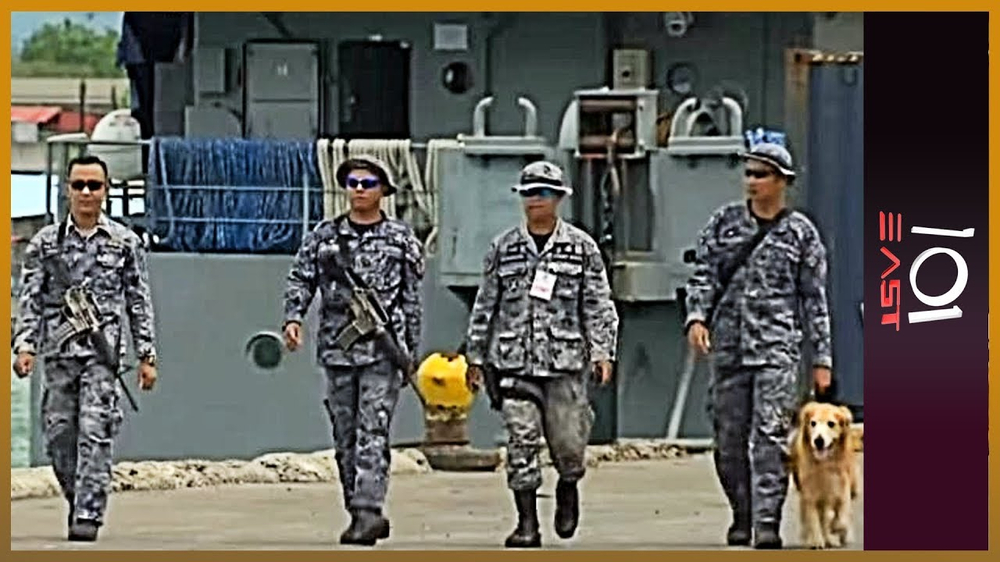
2009
Andal Ampatuan Jr ., a prominent figure of the influential Ampatuan family, was brought to trial for orchestrating the infamous Maguindanao massacre. The massacre, considered one of the deadliest acts of political violence in the Philippines, claimed the lives of 58 people, including journalists and political opponents, as they were en route to file candidacy papers for a local leader.
The Ampatuan clan had a history of wielding power and influence in the region, often through politics and private armies. The massacre brought to light the culture of impunity and corruption that plagued the Philippine political landscape. The trial of Andal Ampatuan Jr. was seen as a test of the country's justice system and its ability to hold powerful individuals accountable for their crimes.
The impact of the trial was significant, as it symbolized a turning point in the fight against political violence and corruption in the Philippines. It also highlighted the dangers faced by journalists and those who dared to challenge the status quo. The trial brought some semblance of justice to the victims' families and sent a strong message that no one, regardless of their status, is above the law.
The trial of Andal Ampatuan Jr. continues to be a reminder of the need for accountability and transparency in the Philippine government. It serves as a beacon of hope for those seeking justice and an end to the culture of impunity that has long plagued the country. As the trial unfolds, it remains a somber reminder of the lives lost in the massacre and the long road ahead in the fight against corruption and political violence.
#AndalAmpatuanJr #MaguindanaoMassacre #PhilippinesJustice #EndImpunity #PoliticalAccountability
View details2008
In Southern Mindanao, a deal that aimed to bring peace collapsed following objections raised by Christian communities. The region had been plagued by violence fueled by religious and territorial disputes for years. The agreement, which would have promoted coexistence between the Christian and Muslim populations, was met with resistance from Christian groups who were concerned about losing their influence and resources.
The breakdown of the deal led to renewed fighting on the island, resulting in the deaths of at least 30 individuals from both communities. The clashes exacerbated existing tensions and deepened the divide between the groups. The violence spread fear and insecurity among the residents, many of whom had already been displaced multiple times due to the conflict.
The failure of the agreement highlighted the challenges of achieving lasting peace in the region. Distrust, historical grievances, and competing interests continued to hinder efforts towards reconciliation. The lack of a comprehensive and inclusive approach to addressing the root causes of the conflict perpetuated the cycle of violence and instability.
The incident underscored the urgent need for dialogue, understanding, and cooperation among the different communities in Mindanao. It also emphasized the importance of addressing socio-economic disparities and ensuring the protection of minority rights to prevent further bloodshed and promote sustainable peace.
#SouthernMindanao #Conflict #PeaceDealCollapse #ChristianMuslimTensions #RenewedFighting #CommunityObjections #PhilippinesPeacebuilding
View detailsThe capture of Camarudin Hadji Ali, a prominent leader of the Moro Islamic Liberation Front (MILF), was a significant development in the Philippines. Ali was a key figure within the MILF, a rebel group seeking an independent Islamic state in Mindanao. His capture dealt a major blow to the group's leadership and capabilities. The Philippine Army successfully apprehended Ali in a targeted operation, demonstrating the government's commitment to addressing security challenges in the region.
Ali's arrest represented a major milestone in the government's efforts to combat insurgency and terrorism in Mindanao. The MILF had been engaged in a decades-long conflict with the Philippine government, resulting in widespread violence and instability in the region. Ali's capture not only weakened the group's leadership but also disrupted its operations, leading to a reduction in militant activities.
The successful apprehension of Ali also sent a strong message to other insurgent groups operating in the Philippines. It showcased the Philippine Army's capabilities in targeting high-value individuals and dismantling illegal armed groups. The government's actions highlighted its determination to restore peace and order in Mindanao, addressing the root causes of conflict and promoting development in the region.
Overall, the capture of Camarudin Hadji Ali was a significant event that had far-reaching implications for security and stability in the Philippines. It underscored the government's commitment to addressing insurgency and terrorism, while also signaling a new phase in efforts to achieve lasting peace in Mindanao.
#Philippines #MILF #MilitaryOperation #Insurgency #Peacebuilding
View details2007
Renegade soldiers attempted a coup at a luxury hotel in Manila after escaping from court where they were on trial for a failed 2003 mutiny. The mutiny aimed to overthrow the government, led by a group of soldiers known as the Magdalo. Despite the failed attempt, tensions continued to simmer within the military over issues such as corruption and lack of support for troops.
The soldiers managed to flee the court premises with the help of sympathetic comrades and took over the Peninsula Manila hotel, where they barricaded themselves with weapons. The standoff put civilians at risk and led to the evacuation of guests and staff from the hotel.
Security forces quickly surrounded the hotel and demanded the soldiers surrender. Negotiations ensued, but the rebels refused to back down. The government issued arrest warrants for the leaders of the rebellion and vowed to resolve the situation quickly.
After a day-long standoff, the military launched a final assault on the hotel, resulting in the arrest of the rebel soldiers. The incident highlighted the ongoing challenges faced by the Philippine government in addressing internal unrest and discontent within the military ranks.
The failed coup attempt at the luxury hotel in Manila underscored the persistent threat posed by rogue elements within the armed forces and the need for continued vigilance to maintain stability in the country.
#Philippines #CoupAttempt #MilitaryUnrest #ManilaHotelSiege
View details2005
In 2005, heavy fighting erupted between government troops and Moro Islamic Liberation Front (MILF) rebels in the Philippines, breaking a ceasefire that had been in place since July 2003.
The conflict stemmed from longstanding grievances between the minority Muslim population in the southern region of Mindanao and the predominantly Catholic government. The MILF, seeking greater autonomy and rights for Muslims, had engaged in sporadic fighting with government forces for decades, despite efforts to negotiate a peaceful resolution.
The breach of the ceasefire led to a significant escalation in violence, with clashes spreading across various areas in Mindanao. Civilians were caught in the crossfire, leading to casualties and displacement as communities were forced to flee their homes to seek safety.
The government responded by deploying more troops to the region, intensifying military operations against the MILF rebels. Both sides sustained casualties, further fueling the cycle of violence and deepening the humanitarian crisis in the affected areas.
The breakdown of the ceasefire highlighted the challenges in achieving a lasting peace agreement and addressing the underlying issues fueling the conflict in Mindanao. It underscored the complex nature of the situation, with multiple armed groups, political interests, and socio-economic factors at play.
Efforts to resume peace talks were made in the aftermath of the clashes, but the trust between the parties had been severely compromised. The incidents served as a sobering reminder of the fragility of peace in the region and the need for genuine dialogue and sustainable solutions to end the cycle of violence.
#Philippines #MILF #conflict #ceasefire #Mindanao #peacebuilding #humanitariancrisis
View details2002
The US and Filipino armies conducted joint counter-terror exercises near the stronghold of the Al-Qaeda-linked Abu Sayyaf group in the Philippines. The training aimed to enhance coordination and capabilities in combating terrorism and insurgency in the region.
The Abu Sayyaf group, known for its history of kidnappings, bombings, and other violent attacks, posed a significant security threat in the southern Philippines. The joint exercises between the US and Filipino armies were part of efforts to strengthen the Philippine military's capacity to address this threat and improve regional security.
During the exercises, troops engaged in simulated scenarios to practice tactical skills, intelligence sharing, and operational coordination. The training also involved lessons on human rights, rules of engagement, and humanitarian assistance to support the overall effectiveness of counter-terror operations.
The participation of US forces in the joint exercises demonstrated the commitment of both countries to combat terrorism and promote stability in the region. The exchange of expertise and experience between the two armies was vital in addressing the evolving security challenges posed by terrorist groups like Abu Sayyaf.
The joint counter-terror exercises near the Abu Sayyaf stronghold had a positive impact on the capabilities of the Filipino military in addressing security threats in the region. It also underscored the importance of international cooperation in combating terrorism and maintaining peace and stability.
#USFilipinoAlliance #CounterTerrorism #RegionalSecurity #MilitaryCooperation #AbuSayyafThreat
View details2001
Joseph Estrada, the former President of the Philippines, faced charges of plundering over $80 million from state funds during his time in office. The accusation stemmed from allegations that he received kickbacks from illegal gambling operations and amassed wealth beyond his known sources of income.
After a lengthy trial, Estrada was ultimately found guilty and sentenced to life imprisonment in what was considered a landmark case in the country's history. The verdict sent shockwaves through the political landscape, marking the first time a Philippine President had been convicted of such offenses.
Despite being behind bars, Estrada remained a polarizing figure in Philippine politics. His supporters viewed him as a champion of the poor, while his critics saw him as a symbol of corruption and excess. The case sparked debates about accountability, transparency, and the rule of law in the country's government.
In a surprising turn of events, Estrada was later granted a pardon by his successor, sparking further controversy and dividing public opinion. Some saw it as a move towards reconciliation and political stability, while others viewed it as a miscarriage of justice and a blow to the fight against corruption.
The saga of Joseph Estrada's rise, fall, and eventual pardon highlighted the complexities of power, privilege, and accountability in the Philippines. It underscored the challenges of promoting good governance and combating corruption in a country with a tumultuous political history.
#JosephEstrada #PlunderCase #PhilippinesPolitics #Corruption #RuleOfLaw
View details2000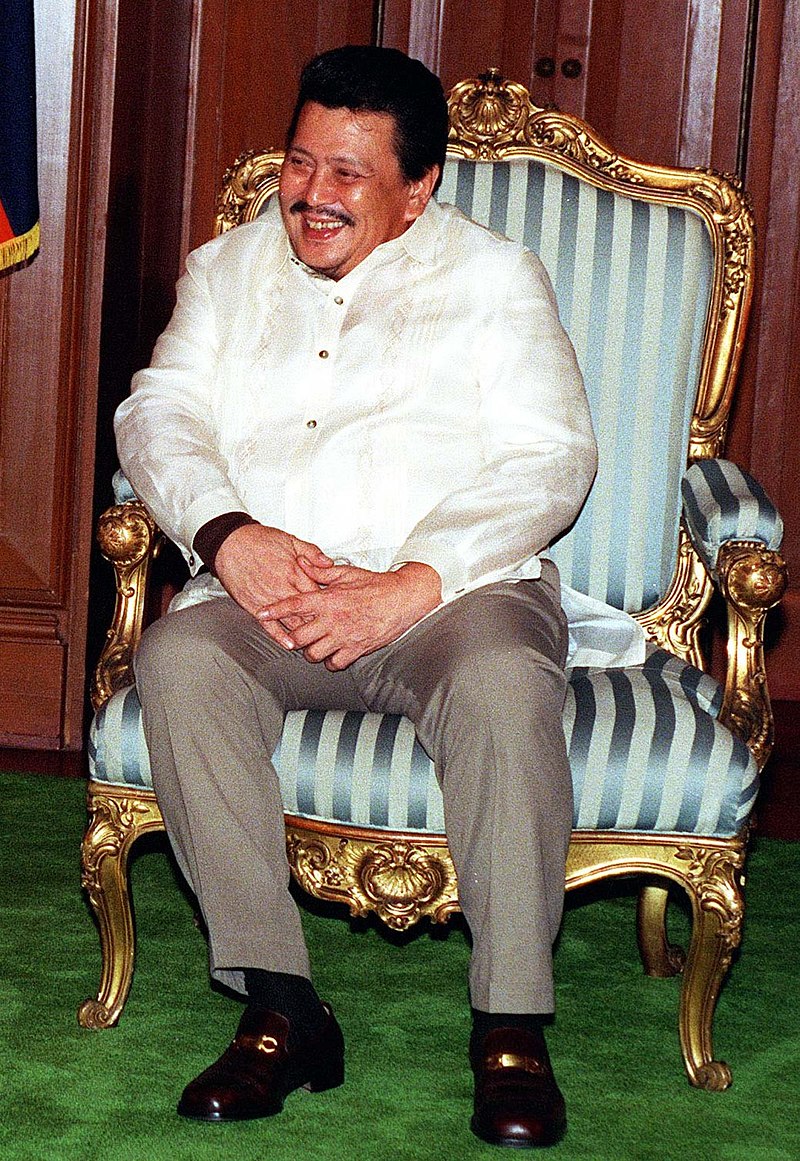
Amid mounting allegations of corruption, betrayal of public trust, and violation of the constitution, impeachment proceedings were initiated against President Estrada. The allegations stemmed from charges that Estrada had amassed wealth through illegal means, accepted bribes, and committed other acts of malfeasance during his time in office.
The impeachment proceedings were a culmination of escalating public outrage and calls for accountability following a high-profile scandal involving kickbacks and illegal gambling. The accusations against Estrada struck at the heart of public confidence in the government, leading to widespread protests and demands for his removal from office.
The proceedings brought to light a deep divide within Philippine society, with supporters of the president rallying behind him while opposition groups and civil society organizations pushed for his impeachment. As the process unfolded, it laid bare the systemic issues of corruption and lack of accountability that had plagued the country for decades.
Ultimately, the impeachment proceedings highlighted the importance of upholding the rule of law and the need for transparency and accountability in government. The outcome of the proceedings would have far-reaching implications for the Philippines, shaping its political landscape for years to come.
#Philippines #Impeachment #Corruption #Accountability
View details1991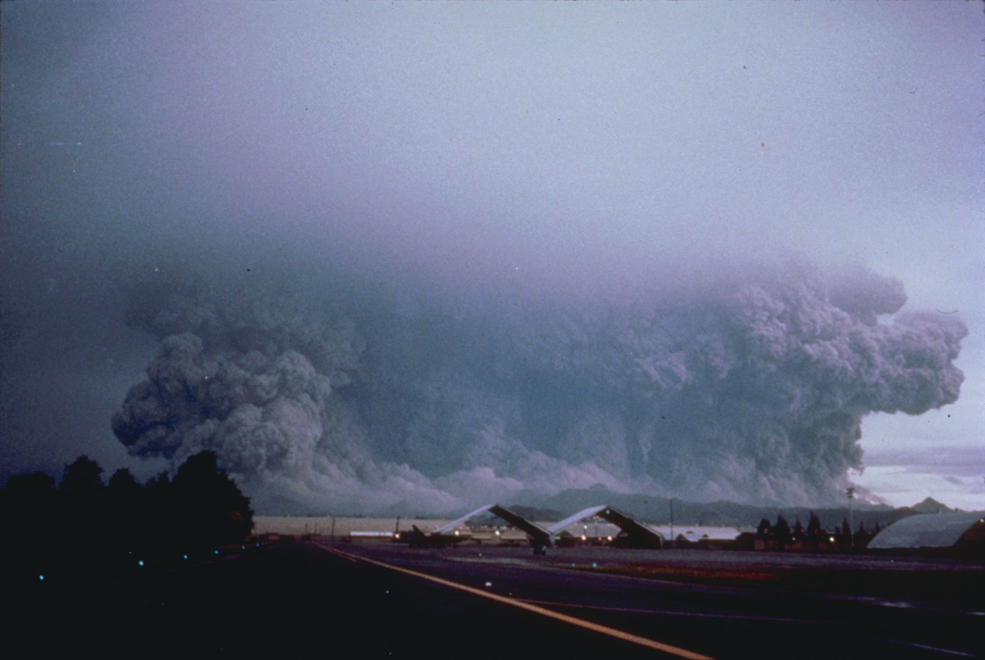
Clark Air Base, once a bustling military facility in the Philippines, was left deserted after being blanketed in ash following a violent volcanic eruption. The nearby Mount Pinatubo had been exhibiting signs of activity for weeks, prompting evacuations and safety warnings. However, when the volcano finally erupted, sending plumes of ash thousands of feet into the air, the air base was overwhelmed. The thick layer of ash that settled over the entire area caused buildings to collapse, runways to become unusable, and machinery to malfunction.
The United States, which operated the base under a mutual defense agreement with the Philippines, made the decision to abandon the facility in the wake of the disaster. The eruption not only rendered the base inoperable but also posed significant health risks to personnel due to the toxic nature of volcanic ash. The once vibrant community of military personnel and their families was forced to relocate, leaving behind homes, belongings, and memories.
The impact of the volcanic eruption on Clark Air Base was profound, marking the end of an era for the US military presence in the region. The abandonment of the base symbolized the sheer power of nature and the vulnerability of even the most fortified structures in the face of such natural disasters. The aftermath of the eruption was a somber reminder of the need for preparedness and resilience in the face of environmental threats.
#ClarkAirBase #MountPinatuboEruption #USMilitaryPresence #PhilippinesHistory
View detailsIn June 1991, Mount Pinatubo, a volcano located in the Philippines, experienced a catastrophic eruption after being dormant for over 600 years. The eruption sent plumes of ash and smoke 40 kilometers into the air, causing widespread destruction in the surrounding areas.
The impact of the eruption was devastating, with lahars, volcanic mudflows, burying entire towns and causing rivers to overflow their banks. Thousands of people were displaced from their homes, and infrastructure such as roads, bridges, and buildings were severely damaged. The ash and debris thrown into the atmosphere led to a drop in global temperatures for the following years.
Rescue and relief efforts were quickly mobilized to help the affected population, but the scale of the disaster was immense. Many people lost their homes and livelihoods, and the agricultural sector suffered significant losses due to the destruction of crops and farmland.
The eruption of Mount Pinatubo serves as a stark reminder of the power of nature and the need for preparedness in the face of such disasters. It also highlights the resilience of the Filipino people in rebuilding their lives and communities in the aftermath of a tragedy.
#MountPinatubo #Philippines #NaturalDisaster #VolcanoEruption #Resilience
View details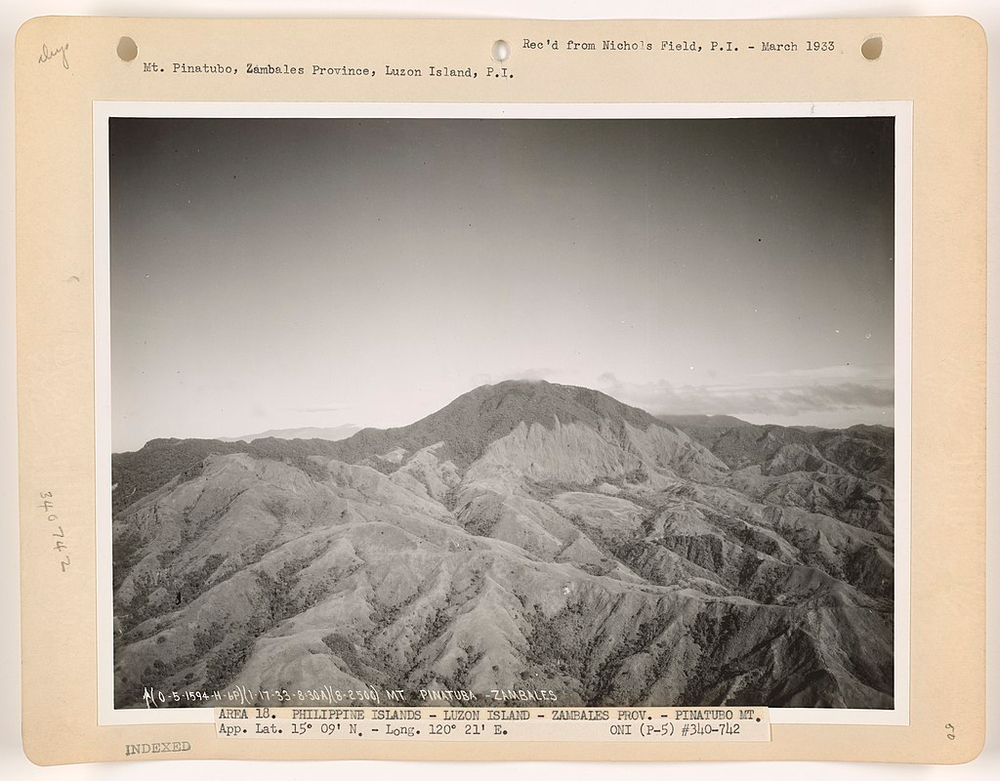
1989
The Philippine government faced a threat when rebel forces attempted to carry out a coup. The insurgents, led by disaffected military personnel, aimed to overthrow the established order. The situation escalated rapidly, prompting the government to seek assistance.
In response, the United States deployed jets to aid Philippine government forces in quelling the uprising. The US jets provided crucial air support, helping to suppress the rebellion and maintain stability. The collaborative effort between the two countries proved successful, as the coup attempt was ultimately thwarted.
The intervention of the US jets had a significant impact on the course of events. Their timely assistance bolstered the Philippine government's ability to respond effectively to the threat, ultimately preventing the coup from succeeding. The incident underscored the importance of strong partnerships and cooperation in addressing security challenges.
Overall, the successful suppression of the attempted coup highlighted the resilience of the Philippine government and its commitment to upholding the rule of law. The collaboration between the Philippines and the United States served as a testament to the importance of solidarity in defending against threats to stability and democracy.
#Philippines #US #coup #military #cooperation #security
View detailsDiscovered near Laguna de Bay, the Laguna Copperplate Inscription is a legal document inscribed in 900 CE on a copper plate. The inscription mentions names and places in the Philippines such as Tondo and Pila, shedding light on the ancient societies that existed in the region.
This inscription is significant as it provides valuable insight into the legal and societal practices of early Philippine civilizations. It reveals details about political structures, economic activities, and social customs of the time. The mention of Tondo and Pila suggests that these areas were already important centers of trade and governance during that period.
The discovery of the Laguna Copperplate Inscription has had a profound impact on Philippine historiography. It has challenged previous assumptions about the level of sophistication of early Philippine societies and has opened up new avenues for research and exploration into the country's past. The inscription also serves as tangible evidence of the advanced state of civilization in the region during the pre-colonial era.
The text on the copperplate is written in Old Kawi script, an ancient script used in the Philippines, Indonesia, and Malaysia. The content of the inscription suggests that it was a legal document related to debt forgiveness. This provides valuable information about the legal and economic systems in place at the time.
Overall, the Laguna Copperplate Inscription is a significant archaeological find that has deepened our understanding of early Philippine history. It serves as a testament to the rich and complex societies that thrived in the region long before the arrival of European colonizers. By studying and analyzing this inscription, historians and archaeologists continue to unravel the mysteries of the past, contributing to a more comprehensive narrative of Philippine heritage.
#LagunaCopperplateInscription #PhilippineHistory #AncientCivilizations
View details
1986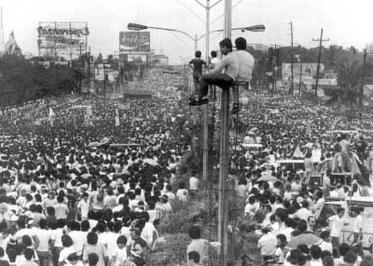
The People Power Revolution in the Philippines began as a nonviolent uprising that culminated in the ousting of President Ferdinand Marcos from power. The revolution was fueled by years of corruption, economic struggles, and human rights abuses under Marcos' regime. The tipping point came when Marcos declared victory in a disputed presidential election against opposition leader Corazon Aquino, sparking widespread accusations of fraud.
In response, millions of Filipinos took to the streets in protest, with the uprising centered in the capital city of Manila. The protesters, including nuns, students, and ordinary citizens, used peaceful resistance and civil disobedience to defy the military forces loyal to Marcos. The movement gained international attention, with the world watching as the Filipino people united against a dictator with a long history of abuses.
As the protests intensified, key figures from the government and military, including Defense Minister Juan Ponce Enrile and armed forces Vice Chief of Staff Fidel Ramos, defected from Marcos' camp and joined the opposition. Their support boosted the momentum of the revolution, leading to a turning point when Marcos was forced to flee the country and seek exile in Hawaii. Corazon Aquino, the widow of assassinated opposition leader Benigno Aquino Jr., was sworn in as the new President, marking a historic moment in Philippine history.
The People Power Revolution demonstrated the power of collective action and nonviolent resistance in achieving political change. It symbolized the will of the Filipino people to fight for democracy, freedom, and justice. The peaceful transition of power from Marcos to Aquino inspired similar movements around the world and solidified the Philippines' reputation as a beacon of democracy in Southeast Asia.
#PeoplePowerRevolution #CorazonAquino #PhilippinesDemocracy
View details1983
Benigno Aquino Jr., a prominent opposition leader in the Philippines, met his tragic fate at Manila International Airport. He had spent several years in exile in the United States after opposing the authoritarian regime of President Ferdinand Marcos. Aquino decided to return to the Philippines to challenge the dictatorship. However, as soon as he landed at the airport, he was shot dead by military personnel.
The assassination of Benigno Aquino Jr. shook the nation and the international community, sparking outrage and widespread condemnation. Many believed that the government orchestrated the killing to eliminate a powerful political rival. The incident further fueled the growing unrest and resistance against the Marcos regime.
Aquino's death galvanized the opposition and united the Filipino people in their quest for democracy and freedom. It became a turning point in Philippine history, leading to widespread protests and campaigns against the oppressive government. The event eventually paved the way for the People Power Revolution, which ousted Marcos from power and restored democracy in the country.
The assassination of Benigno Aquino Jr. remains a significant and somber chapter in Philippine history, symbolizing the sacrifices made in the fight for democracy and human rights. It serves as a reminder of the importance of upholding justice and holding accountable those who abuse power.
#BenignoAquinoJr #Philippines #Assassination #Democracy #PeoplePowerRevolution
View details1973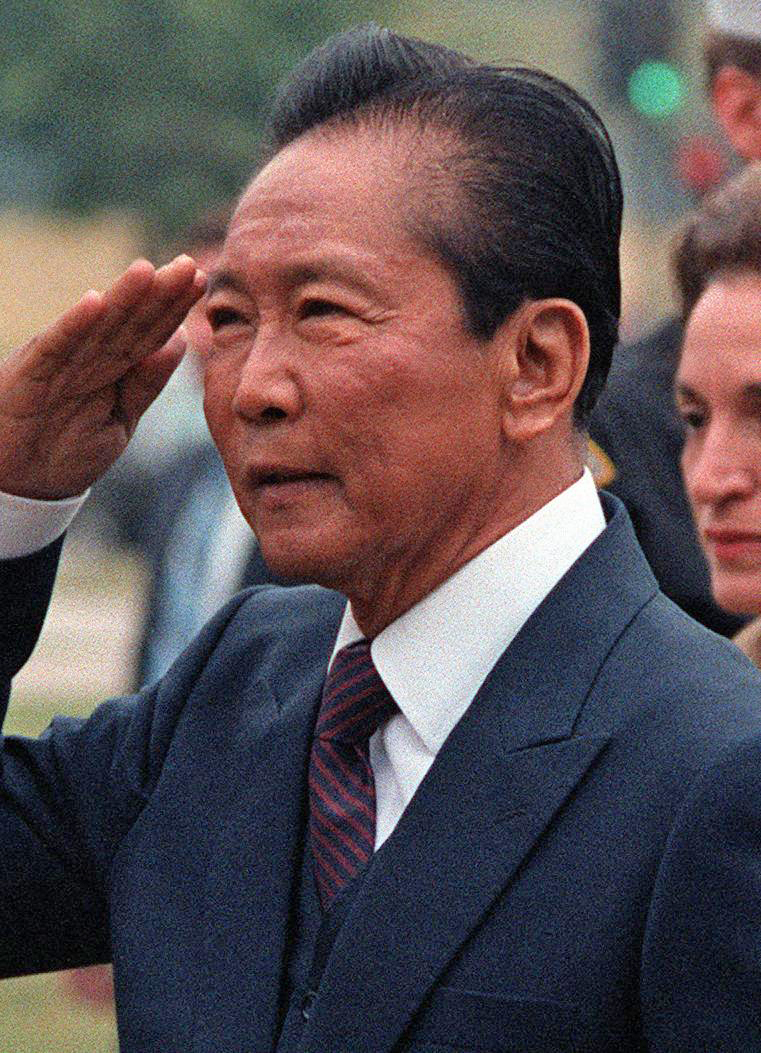
President Ferdinand Marcos of the Philippines proclaimed a new constitution, granting himself unprecedented authority. The move centralized power within his grasp, effectively establishing a dictatorship. Under the guise of reform, Marcos expanded his control over the government, judiciary, and military. This marked a turning point in Philippine history, as the country descended into a period of authoritarian rule.
The new constitution bestowed Marcos with absolute powers, allowing him to rule by decree and bypass the usual checks and balances. Opposition was swiftly suppressed through censorship, arrests, and violence. Civil liberties eroded as dissenting voices were silenced, and political opponents were marginalized or exiled. The Marcos regime justified its actions by citing the need for stability and economic development, but it ultimately led to widespread corruption, human rights abuses, and economic inequality.
The international community expressed concerns about the erosion of democracy in the Philippines and the deteriorating human rights situation. Despite increasing isolation on the global stage, Marcos remained steadfast in consolidating his power. His grip on the country tightened as he entrenched his family and allies in key positions of authority, ensuring his rule continued unchallenged.
The new constitution giving Marcos absolute powers had lasting repercussions for the Philippines, shaping its political landscape for years to come. It highlighted the fragility of democratic institutions and the ease with which authoritarianism can take hold. The legacy of Marcos' dictatorship continued to haunt the country, serving as a cautionary tale against the dangers of unchecked power.
#MarcosRegime #Authoritarianism #PhilippinesHistory #Dictatorship
View details