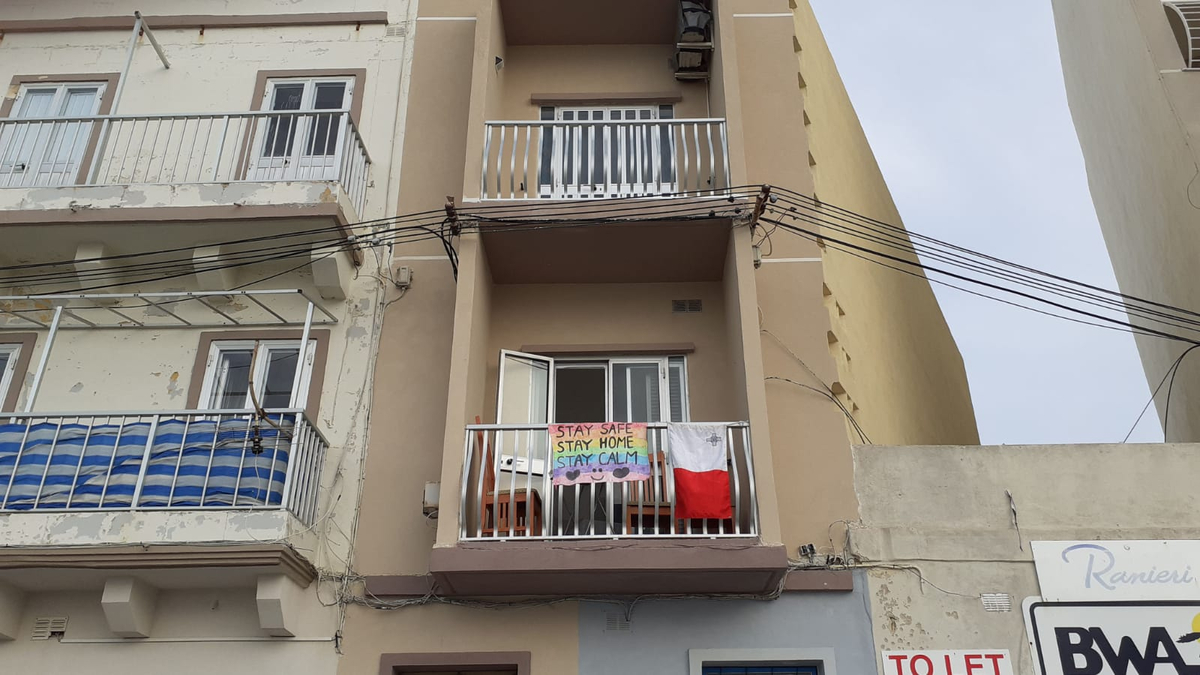
Impact of COVID-19 on the Island
Malta

Public Health
Economic Impact
6 min read
Updated By: History Editorial Network (HEN)
Published:
The COVID-19 pandemic reached Malta after its initial outbreak. Originating in Wuhan, China, the novel coronavirus quickly spread across the globe. Malta, a small Mediterranean island, detected its first case shortly after the virus reached Europe.
The Maltese government responded by implementing several public health measures aimed at curbing the virus's spread. These included mandatory quarantine for travelers, social distancing guidelines, and the closure of non-essential businesses, schools, and public spaces. The government also launched extensive testing and contact tracing initiatives to monitor and control the virus's transmission. Hospitals and healthcare facilities focused on preparing for increased patient load by expanding intensive care units and acquiring necessary medical supplies.
The pandemic impacted daily life significantly. The tourism sector, a vital part of Malta's economy, saw a drastic decline in visitors due to travel restrictions and fears over the spread of the virus. Local businesses faced unprecedented challenges, leading to furloughs, layoffs, and closures. The government introduced financial aid packages intended to support affected businesses and individual workers, including tax deferrals, wage supplements, and grants.
Statistically, the virus's spread in Malta mirrored global trends. Daily reported cases initially rose sharply, triggering stricter measures from authorities. Public health campaigns aimed at raising awareness about preventive measures, such as wearing masks and frequent hand hygiene, were widespread. The healthcare system, though strained, managed to avoid critical levels of overwhelm due to swift and early interventions.
Education also adapted, with schools transitioning to online platforms to continue lessons while minimizing physical contact. This shift highlighted disparities in digital access among students, leading to government efforts to provide digital resources and support.
Community efforts to support frontline workers and vulnerable populations emerged, showcasing solidarity and resilience. Volunteer groups organized to deliver groceries and essentials to those in quarantine or at risk. Local artists and cultural institutions created online content to keep spirits high during lockdowns and restrictions.
The arrival of vaccines, prioritized initially for healthcare workers and at-risk groups, marked the beginning of a gradual return to normalcy. Vaccination campaigns rolled out in multiple phases, leading to decreasing infection rates and a cautious lifting of various restrictions.
#MoofLife #COVID19Malta #PublicHealth #EconomicImpact #SocialResilience #VaccinationCampaign
Primary Reference
Documents - CURIA

Explore the Life Moments of
 AI Twin