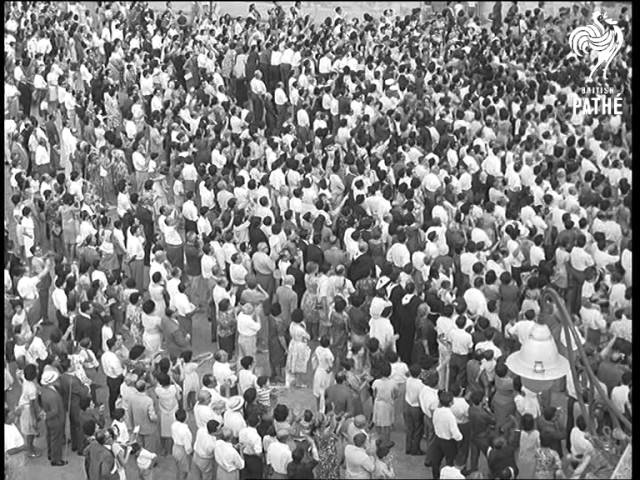
Independence from the United Kingdom
Malta

Political
6 min read
Updated By: History Editorial Network (HEN)
Published:
In a pivotal chapter of Maltese history, Malta's transition from British rule to independent sovereignty marked a transformative shift. The island nation, situated strategically in the Mediterranean Sea, had been under British control since the early 19th century. Over the years, Malta served as a crucial naval base for the British Empire, especially during the World Wars. However, increasing national consciousness and desire for self-governance culminated in constitutional changes and eventually full independence.
The journey towards independence began with political efforts led by Maltese leaders who envisioned a sovereign state. The Maltese general public supported these efforts, seeking to establish a national identity separate from colonial ties. In the lead-up to independence, negotiations between Maltese leaders and British representatives paved the way for a peaceful transition of power. This negotiation process acknowledged Malta's right to self-determination, reflecting broader decolonization trends occurring globally during that period.
Upon gaining independence, Malta implemented its constitution, establishing a parliamentary democracy. The Maltese head of state became the British monarch, represented locally by a Governor-General, although Malta would later become a republic. This newfound sovereignty allowed Malta to control its domestic affairs, including its economy, education system, and other key institutions, reinforcing national pride and cultural identity.
Economically, independence enabled Malta to forge its path. The island began diversifying its economy beyond its previous dependency on British military expenditure. Investment in tourism, manufacturing, and eventually financial services became pillars of Malta's economic strategy. This shift brought about new opportunities for economic growth and development, although challenges remained.
Malta's independence also had a significant impact on its international relations. The island nation joined the Commonwealth of Nations and the United Nations, seeking to establish its diplomatic presence globally. Malta's strategic location continued to hold geopolitical importance, although now it wielded greater control over how it engaged with other countries.
In summary, the moment when Malta achieved independence from British rule marked a significant transformation in its political landscape, economy, and international standing. This milestone laid the groundwork for future development and fostered a strong sense of national identity and pride.
#MoofLife #Malta #Independence #History #SelfDetermination #Decolonization #NationalIdentity
Primary Reference
Malta - Countries - Office of the Historian

Explore the Life Moments of
 AI Twin