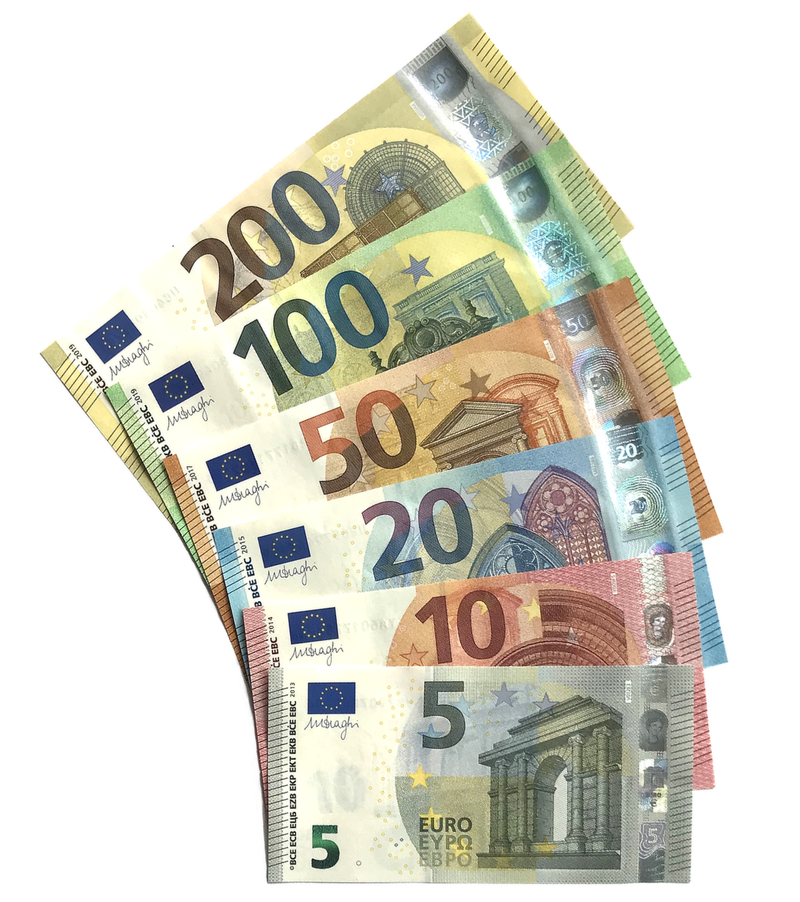
Malta Adopts Euro as Official Currency.
Malta

Economic
Global Trade
5 min read
Updated By: History Editorial Network (HEN)
Published:
Malta's adoption of the euro as its official currency marked a decisive shift in its economic landscape. This event followed extensive preparations and alignment with the Maastricht criteria, which required maintaining inflation and interest rates within specified limits and achieving budgetary discipline. Malta, with its robust tourism sector and burgeoning financial services, viewed integration into the Eurozone as a strategic opportunity to enhance economic stability and attract foreign investment.
The introduction of the euro was the culmination of a rigorous appraisal by European Union authorities, ensuring that Malta met all the necessary economic conditions. Following the approval, the Central Bank of Malta coordinated the transition, replacing the Maltese lira with the euro. This logistical endeavor involved recalibrating financial systems, reprinting price tags, and conducting public information campaigns to facilitate a seamless changeover.
The impact of this shift was multifaceted. Economically, it reduced exchange rate risks and currency conversion costs, streamlining trade and financial transactions with other Eurozone countries. Businesses in Malta, particularly those involved in international trade and tourism, benefited from the increased transparency and efficiency. Reports indicated that the Maltese banking sector showed resilience, and the introduction of the euro bolstered investor confidence, marking a period of gradual economic growth.
Statistics reflected a positive trajectory. For instance, Malta's GDP growth rates evidenced steady improvement post-adoption. Inflation remained controllable, converging with the broader Eurozone trend. Public sentiment was cautiously optimistic, with surveys indicating support for the euro, though tempered by concerns about potential price hikes — a phenomenon observed in other Eurozone transitions. Policymakers emphasized monitoring and mitigating inflation, employing measures to ensure price stability.
Malta's integration into the Eurozone represented a strategic alignment with broader European objectives, enhancing its economic footprint and reinforcing its status within the EU framework.
#Malta #Eurozone #Economy #CurrencyChange #EUIntegration #MoofLife
Primary Reference
EU countries and the euro - European Commission

Explore the Life Moments of
 AI Twin