
Malta

The Jewel of the Mediterranean
Related Lives

Luxembourg
The Gibraltar of the North

Nobel Prize in Physics
Celebrating the Pioneers of Science

Malawi
Warm Heart of Africa

Slovenia
Green Heart of Europe

The Prime Ministers of Italy
The President of the Council of Ministers

Timor-Leste (East Timor)
Land of the Rising Sun

Arkansas
The Natural State

South Korea
The Land of Morning Calm

1596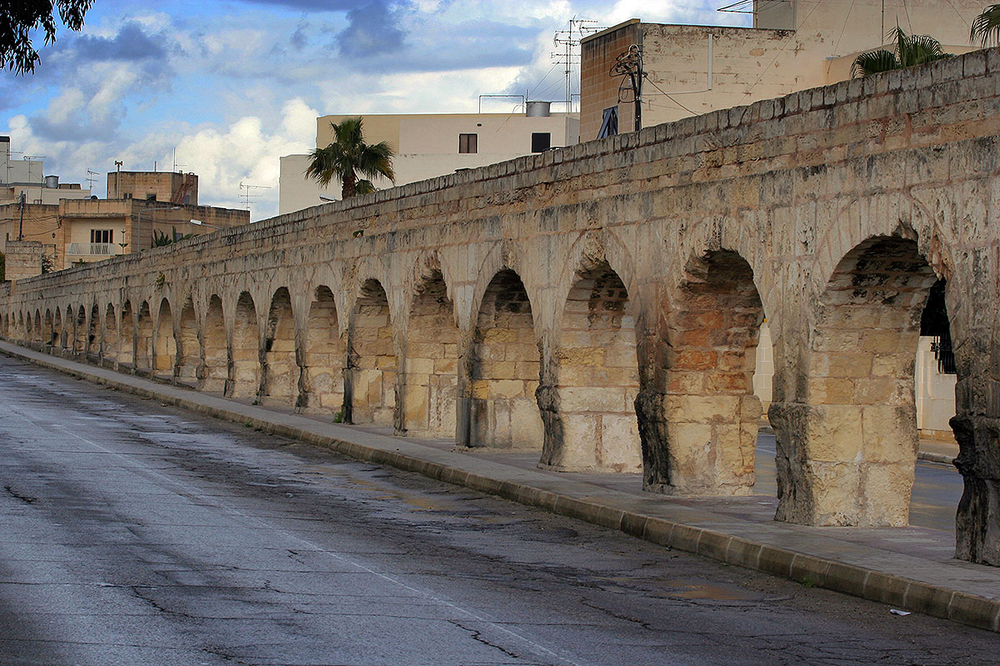
The commencement of the Wignacourt Aqueduct's construction in Malta marked a pivotal step towards addressing the island's longstanding water scarcity issue. Prior to this project, the Knights of St. John who governed the island faced chronic shortages of fresh water, particularly in the growing city of Valletta. The aqueduct was named after Grand Master Alof de Wignacourt, who resolved to tackle this pressing challenge by initiating the project.
The planning and execution were entrusted to the Maltese architect Bontadino De Bontadini. His design aimed to transport water from the high ground of Dingli and Rabat to the urban areas. The project was ambitious, stretching over 15 kilometers, incorporating a network of underground pipes, and above-ground arcades. Skilled laborers from various parts of Europe converged in Malta to bring their expertise to this monumental task.
The construction was financially burdensome, yet critical. The total cost was significant, straining the resources of the Knights. However, the potential benefits far outweighed the financial sacrifices. The project promised a reliable water supply for domestic use, agriculture, and the overall hygiene of Valletta's growing population.
The impact of the Wignacourt Aqueduct was transformative. Upon completion, it provided Valletta with a substantial and reliable water source. This not only improved living conditions but also fostered public health. The aqueduct was a key infrastructural advancement that contributed to the city's resilience against sieges and its strategic importance within the Mediterranean.
The successful completion of the aqueduct also reflected the Knights' engineering prowess and administrative efficiency. It stood as one of the most significant infrastructural achievements in Malta during that period, symbolizing the blend of European engineering techniques and local Maltese resourcefulness.
#WignacourtAqueduct #MaltaHistory #InfrastructureDevelopment #WaterManagement #KnightsOfStJohn #MalteseEngineering #MoofLife
View details1591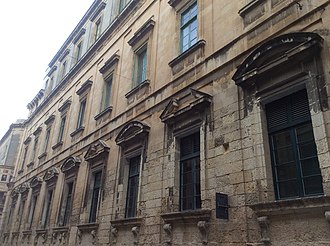
Grand Master Jean de Valette played a crucial role in establishing the University of Malta. The foundation of the university was driven by the necessities of an evolving society. Malta, centrally positioned in the Mediterranean, had long been a nexus of cultural and intellectual exchange. Recognizing the need for an institution that could serve as both an educational center and a bastion of scholarly pursuits, Valette and his advisors laid the groundwork for what would become the University of Malta.
The decision to establish the university was also influenced by the strategic interests of the Knights Hospitaller, who sought to enhance their standing in Europe. Education was seen as a means to cultivate leadership, intellectual prowess, and moral fortitude within the Order and the broader community. Funding and resources for the university came primarily from the Order’s extensive network and good management of their assets.
Initially, the university focused on theology and philosophy, reflecting the religious impulses of the time. It was an institution designed to produce not only learned men but also individuals capable of taking on leadership roles within the Order and the broader ecclesiastical hierarchy. The university quickly became an essential part of Maltese society, contributing to the intellectual and cultural development of the island.
A notable aspect of the establishment was the recruitment of distinguished professors from across Europe, which ensured high academic standards. The effect of these educational advancements was significant, forging a critical mass of educated individuals who contributed to various fields, including law, medicine, and the sciences.
In the initial phase, enrollment numbers were modest but steadily grew as the university's reputation spread. The institution also enjoyed the support of various European powers who saw value in a well-educated Malta, given its strategic location.
The establishment of the University of Malta under Grand Master Jean de Valette was a pivotal development with far-reaching consequences. This initiative fostered a tradition of higher learning and intellectual inquiry that continues to shape Malta’s educational landscape.
#MoofLife #UniversityOfMalta #JeanDeValette #MalteseEducation #KnightsHospitaller #HigherEducation #IntellectualHistory #CulturalExchange
View details1566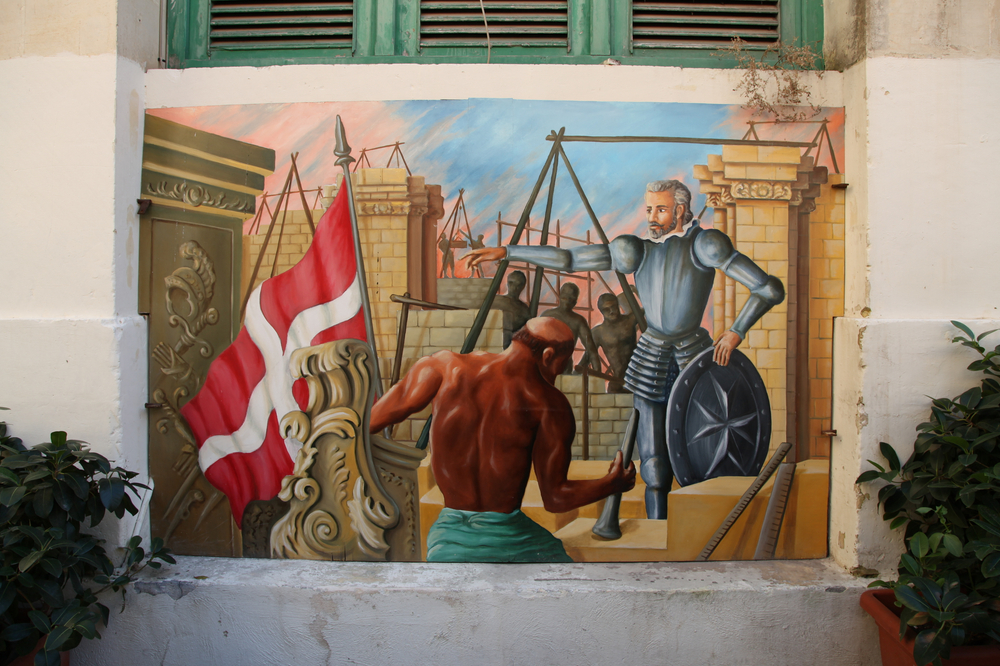
Construction of the new city of Valletta commenced under the guidance of the Knights of St. John. This initiative followed the conclusion of the Great Siege of Malta, where the Knights successfully defended the island from the invading Ottoman Empire. Valletta was strategically planned to bolster the island’s defenses and establish a stronghold against future threats.
The Grand Master of the Order, Jean de Valette, played a pivotal role in initiating the project. Understanding the importance of a well-defended city, de Valette engaged the renowned military engineer Francesco Laparelli to design the city's fortifications. The plan for Valletta took into consideration both military and civilian needs, featuring a network of bastions, forts, and a structured grid of streets.
Valletta's construction marked a significant leap in urban planning and military architecture. The city layout was meticulously planned, featuring wide straight streets to facilitate movement and defense. A key aspect was the inclusion of advanced fortifications, ensuring the city's ability to withstand any potential sieges. Prominent buildings constructed included the Auberge de Castille, the Grand Master’s Palace, and St. John’s Co-Cathedral, reflections of the Order’s wealth and influence.
The impact of beginning the city's construction was multifaceted. Economically, it stimulated local markets and engaged thousands of laborers and craftsmen. Strategically, it served as a deterrent to further Ottoman advances into the Western Mediterranean. Valletta also became a central hub for commerce and politics in the region, solidifying the Knights’ presence on the island.
Statistics show that Valletta evolved rapidly, with a significant population influx over the years. It attracted merchants, artisans, and immigrants, reflecting its growing importance. The city's development underscored the strategic foresight of the Knights of St. John, transforming Malta into a bastion of Christian defense and a symbol of resilience.
#VallettaConstruction #KnightsOfStJohn #MaltaHistory #UrbanPlanning #MilitaryArchitecture #GreatSiegeOfMalta #FrancescoLaparelli #JeanDeValette #MoofLife
View details1565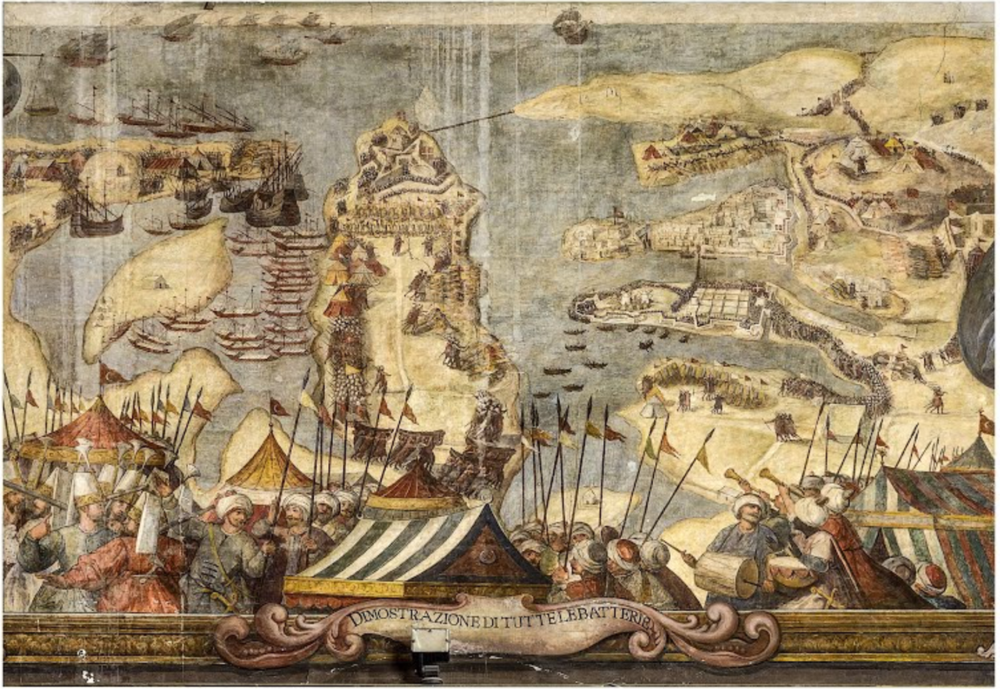
The Ottoman Empire launched its formidable assault on the island of Malta, initiating what is known in history as the Great Siege of Malta. This military engagement was pivotal, as it marked a significant clash between the Ottoman forces and the Knights Hospitaller, defenders of the Christian stronghold.
The Ottomans, under the command of Sultan Suleiman the Magnificent, dispatched an armada consisting of approximately 200 ships and an army of 40,000 soldiers, including elite Janissaries. Their objective was to capture the island and consolidate their control over the Mediterranean, a strategy aimed at undermining the influence of European powers and expanding Ottoman territory.
Malta, strategically located between Sicily and North Africa, was defended by the Knights of St. John, a military order based in the fortress city of Valletta. The defenders, numbering around 6,100, including several thousand Maltese militia and European mercenaries, were led by Grand Master Jean Parisot de Valette. Despite being outnumbered, the Knights leveraged the island’s fortifications, which included the fortified cities of Birgu and Senglea, as well as Fort St. Elmo.
The siege unfolded with intense fighting and substantial casualties on both sides. Fort St. Elmo was the first target, and after weeks of bombardment, it fell to the Ottomans, though only after heavy resistance. This victory came at a great cost to the Ottoman forces, delaying their progress and depleting their numbers.
As the siege continued, the resilience of the Maltese and the Knights became evident. The defenders utilized guerilla tactics, surprise night raids, and their intimate knowledge of the terrain to their advantage. Furthermore, their fortifications withstood numerous assaults, causing significant Ottoman losses.
The siege had immense implications, not only for the immediate parties but also for the broader geopolitical landscape of Europe and the Mediterranean. The prolonged resistance weakened the Ottoman resolve, and by the arrival of a relief force from Sicily led by Don García de Toledo, the Ottomans were forced to retreat. This retreat marked a turning point, symbolizing the decline of Ottoman dominance in the region.
The Great Siege of Malta is remembered for its display of tactical ingenuity, the indomitable spirit of the defenders, and its lasting impact on the balance of power in the Mediterranean. The event is etched into Maltese history as a symbol of resistance and valor.
#MoofLife #History #Malta #OttomanEmpire #KnightsHospitaller #MilitaryHistory
View details1564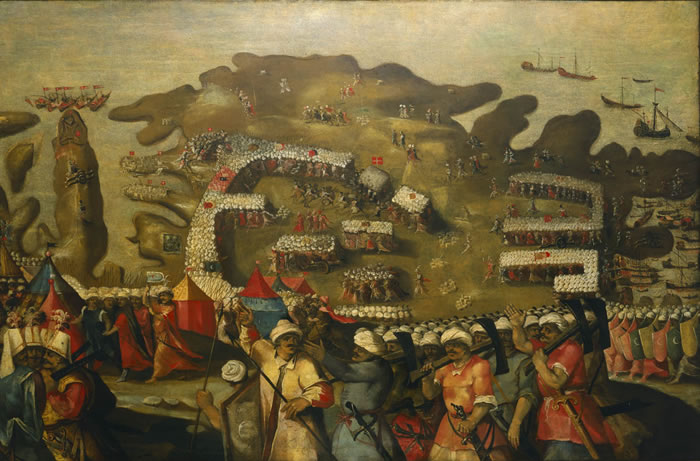
In the waning months of the year, the Ottoman Empire found itself at a strategic crossroad in its expansive campaign across the Mediterranean. The Ottoman war council in Constantinople convened with one pivotal objective: to decree that Malta must be invaded and conquered. This decision arose from Malta's significant geopolitical position, guarding vital maritime routes between Europe and the Ottoman territories in North Africa.
The siege of Malta held immense strategic importance for Sultan Suleiman the Magnificent and his council. Capturing the island would provide a critical base for Ottoman naval forces, allowing greater control over Mediterranean trade routes and furthering Ottoman expansion into Europe. The Knights Hospitaller, a formidable military order defending Malta, were seen as a potent, though stubborn, obstacle in this ambition.
The decision to target Malta was influenced by previous failures and successes. The Knights had repelled an earlier Ottoman attack on the island, establishing Malta as a resilient thorn in the side of Ottoman naval ambitions. The Ottoman council, composed of seasoned military leaders and advisors, recognized that a carefully planned and overwhelming assault was necessary to overcome the Knights' formidable defenses.
The council's resolve was backed by substantial numerical strength and resources. The invasion force was projected to comprise tens of thousands of troops, hundreds of vessels, and extensive artillery. The Ottomans aimed to leverage their superior manpower and naval capabilities to subdue Malta's defenders swiftly and decisively.
The council's decree set in motion what would become one of the most notable sieges in history. The conflict on the island would not only test the resolve of its defenders but also have lasting implications for the balance of power in the Mediterranean region. The siege would ultimately be a testament to strategic planning, military tenacity, and the fierce determination of both attackers and defenders.
In essence, the Ottoman war council's decision to invade Malta was a calculated move shaped by strategic imperatives, historical context, and the realization of Malta's critical importance to Mediterranean dominance. This military campaign, driven by the ambitions of an expanding empire, would resonate through history as a pivotal moment in Mediterranean warfare.
#OttomanEmpire #Malta #MilitaryStrategy #HistoricalConflict #MoofLife
View details1561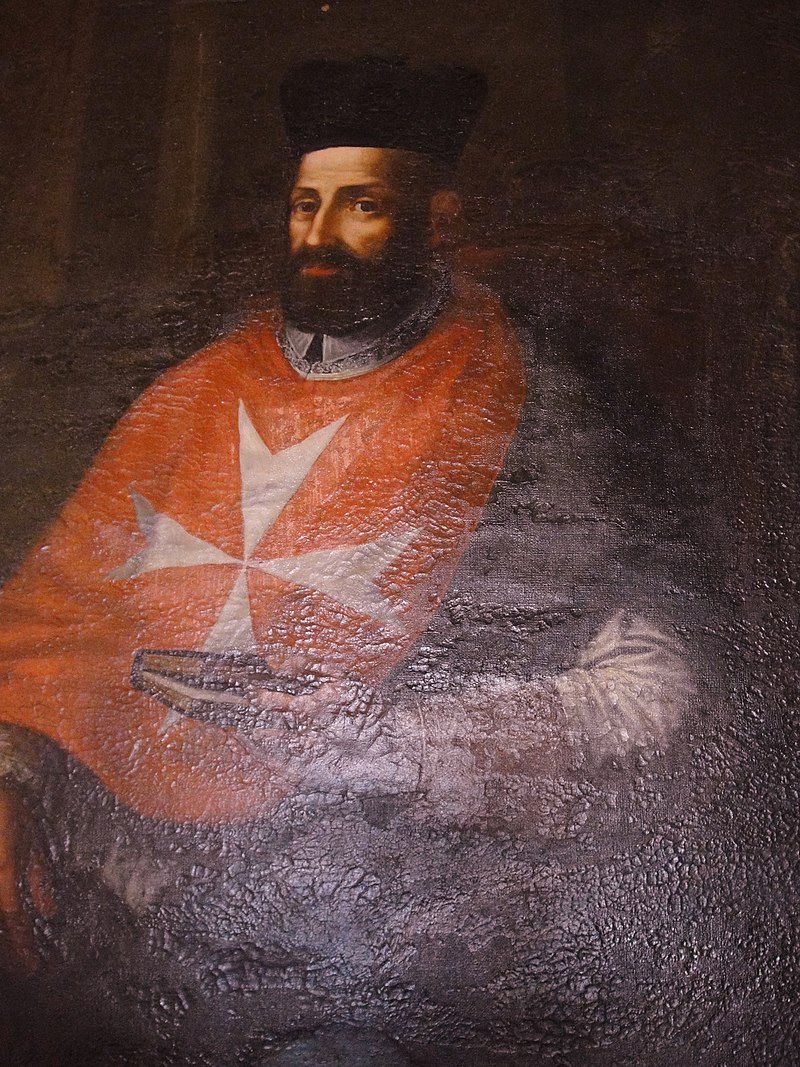
The establishment of the Holy Inquisition in Malta marked the beginning of a significant religious and judicial shift within the archipelago. Domenico Cubelles was appointed as the first Inquisitor, tasked with overseeing the adherence to Catholic doctrines and the identification and suppression of heretical beliefs. Located strategically in the Mediterranean Sea, Malta had long been a battleground for religious and military powers. The Knights Hospitaller, who governed the archipelago, viewed the Inquisition as a means to reinforce Catholic orthodoxy following the turmoil of the Protestant Reformation and the rise of the Ottoman Empire.
The Holy Inquisition in Malta operated under the direct authority of the Roman Catholic Church, with Cubelles reporting to the Pope. The Inquisition's court was set up in Birgu (Vittoriosa) and later transferred to Mdina and Valletta. It utilized the power of the Church and state to conduct investigations, trials, and punishments based on accusations of heretical teachings, witchcraft, and other religious offenses. While it intended to purify religious practice, it also contributed to an atmosphere of surveillance and fear among the local population.
During Cubelles' tenure, the Inquisition's methods included questioning, imprisonment, and in some cases, execution. The reach of the Inquisition extended to various social strata, affecting clergy, nobility, and common citizens alike. Documented cases reveal the extent to which individuals could be interrogated and penalized for deviations from established doctrines.
While statistics on the number of trials and executions vary, historical records indicate that the Maltese Inquisition processed hundreds of cases over its active years. The records also highlight the Inquisition's role in shaping social and cultural norms through the enforcement of religious conformity.
The long-term impact of the Inquisition shaped Malta's religious landscape, bolstering Catholic dominance while suppressing dissenting voices. This period serves as a crucial chapter in understanding the island's religious and sociopolitical evolution during the early modern era.
Concluding with relevant hashtags for analysis:
#InquisitionInMalta #ReligiousAuthority #CatholicDoctrine #DomenicoCubelles #HistoryOfMalta #MoofLife
View details1559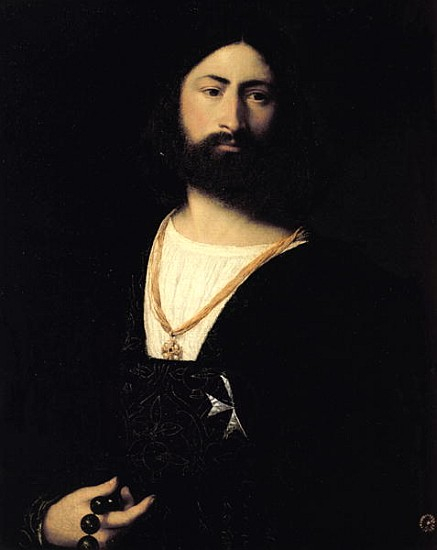
In the midst of growing tension between Christian and Ottoman forces, the Knights of Malta shifted their focus to intensifying their corsairing activities in the western Mediterranean. This decision emerged from their strategic positioning on the island of Malta, which provided an advantageous base for operations against Ottoman vessels and other targets deemed hostile to Christian Europe.
The escalation in corsairing saw increased naval engagements as the Knights targeted Ottoman merchant and military ships. Driven by a mission to defend Christianity and disrupt the Ottoman Empire's economic resources, their actions resulted in significant disruption of Ottoman trade routes. The Knights employed a fleet of galleys, responsible for capturing numerous Ottoman ships, thereby weakening the Ottoman’s naval capabilities and commerce.
Reports from this period indicate a marked rise in the number of Ottoman vessels seized by the Knights. This surge in corsairing activities not only impacted Ottoman trade but also contributed to regional instability, invoking retaliatory measures from the Ottoman navy, which sought to safeguard its assets and ensure the flow of goods and resources.
These activities helped bolster the defense of Christian territories, particularly those along the Mediterranean coast. The Knights of Malta gained a reputation for their formidable presence on the seas, embodying both religious fervor and military prowess. Their actions provided a measure of economic gains through the sale of captured ships and goods, which were reinvested into further fortifying Malta against future Ottoman incursions.
The Knights' aggressive campaigns had broader implications for Mediterranean maritime politics. The increased hostility contributed to a climate of suspicion and frequent clashes at sea, influencing the nature of engagements between Christian and Muslim maritime powers. The Knights’ corsairing tenure underscored their strategic importance and foreshadowed subsequent conflicts that would unfold in the region.
In sum, the intensification of corsairing by the Knights of Malta during this period served both strategic military objectives and economic purposes. The effect of these activities was felt across the Mediterranean, highlighting the persistent conflict between Christian and Ottoman forces. These actions not only defined the military landscape but also influenced the socio-economic dynamics of the region.
#KnightsOfMalta #MediterraneanConflict #HistoricalNavalWarfare #OttomanEmpire #Corsairing #ReligiousWars #MoofLife
View details1557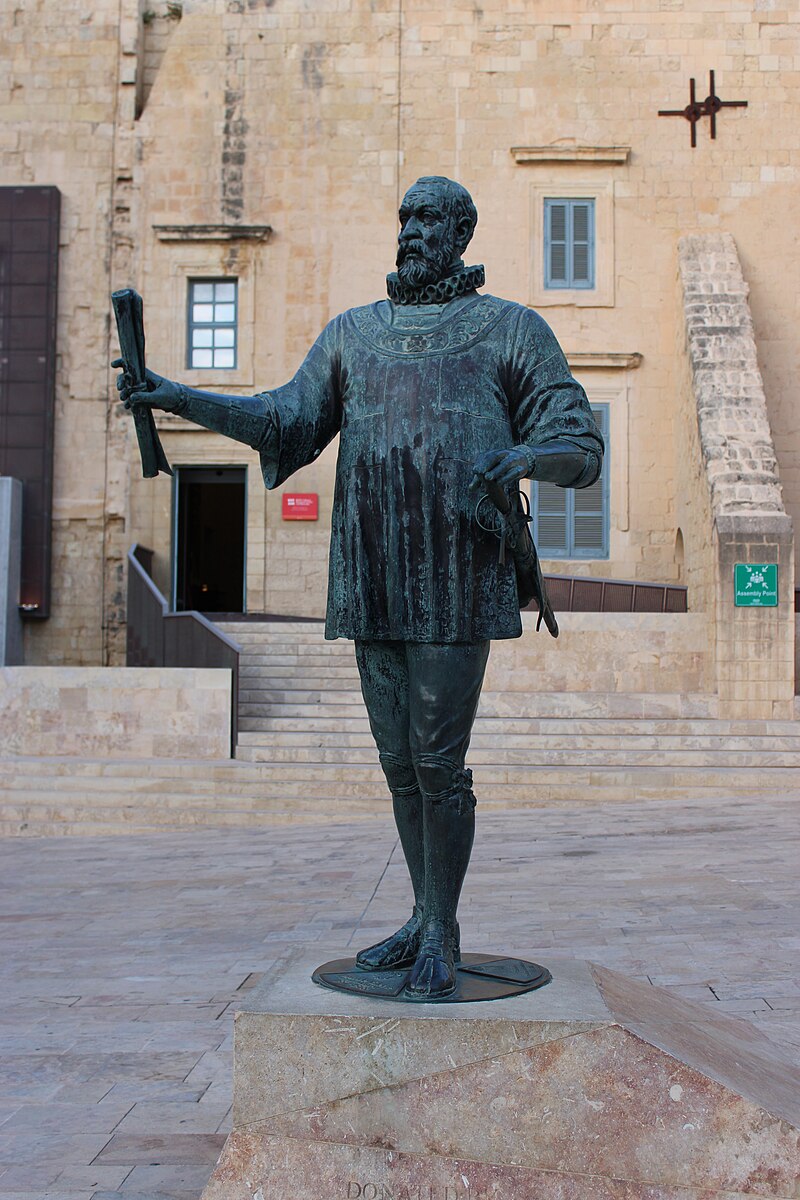
Jean Parisot de Valette was elected as the Grand Master of the Knights of Malta following the death of his predecessor, Claude de la Sengle. Valette, a seasoned knight and a veteran of several key battles, was known for his strategic acumen and leadership skills. Before becoming Grand Master, he had served within the Order for several decades, gaining significant respect among his peers for his commitment to the Order's mission of defending Christianity and providing aid to pilgrims.
Valette’s election came at a crucial time. The Knights of Malta, having been expelled from Rhodes nearly three decades earlier, were working to solidify their position on the island of Malta. Under Valette’s leadership, the Order embarked on extensive fortification projects, strengthening their defenses against the growing threat of the Ottoman Empire. Valette’s strategic foresight led to the construction of several fortifications, including the building of the fortress city that would be later named Valletta, in his honor.
His leadership was put to the test during the Great Siege of Malta. Throughout the siege, Valette’s command and unyielding resolve played a pivotal role in withstanding the Ottoman forces. The siege ended in favor of the Knights, significantly boosting their morale and securing Malta as a bastion of Christian defense in the Mediterranean.
Statistically, the siege saw roughly 6,000 defenders facing an Ottoman force of about 40,000. Despite these odds, the defenders under Valette held out until reinforcements arrived, causing staggering losses for the Ottomans and crippling their expansion in the region for some time.
Valette’s tenure as Grand Master marked a renewed vigor and adaptation for the Knights of Malta. His focus on fortifications, tactical reforms, and unwavering stance against external threats significantly impacted the Order and the broader geopolitical landscape of the Mediterranean. His legacy continued to influence Malta and the Knights well beyond his death, setting a standard for leadership within the Order.
#+MoofLife #KnightsOfMalta #Leadership #HistoricDefence
View details1553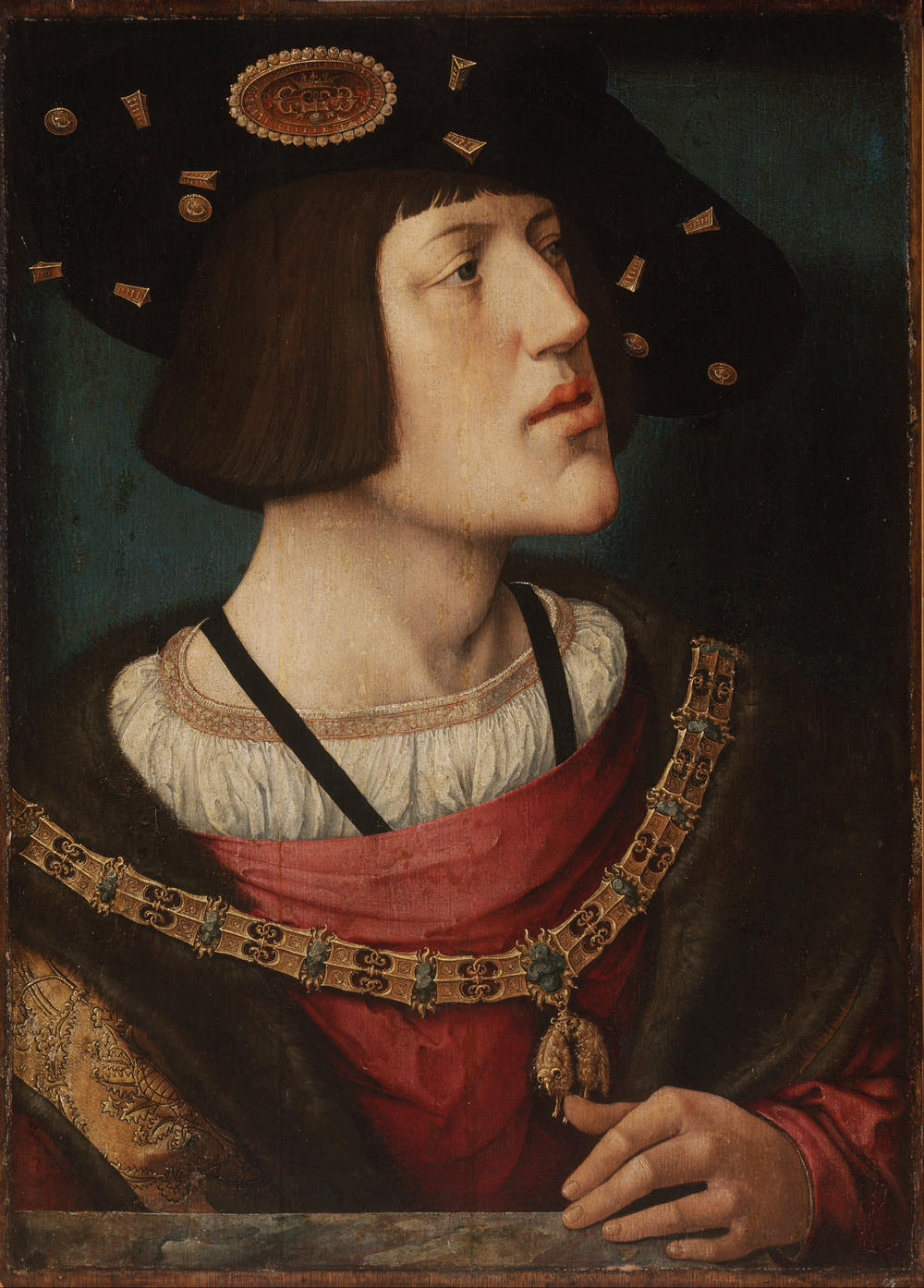
Charles V, Holy Roman Emperor, faced numerous challenges in his reign, including frequent piracy in the Mediterranean. The North African port city of Mahdia, under control of the Ottoman Empire, served as a base for corsairs disrupting trade and security. In an effort to curb piracy and extend Christian influence, Charles captured Mahdia.
Following the conquest, Charles offered Mahdia to the Order of Saint John. The Order, based in Malta and known for their naval expertise and experience in fortifications, considered the offer but ultimately declined. This decision was influenced by several factors including their own resource constraints, the city's vulnerable position far from Malta, and the significant resources required to defend it against persistent Ottoman threats.
Faced with this refusal, and recognizing the impracticality of maintaining a distant and isolated outpost, Charles made a strategic decision. He ordered the destruction of Mahdia to prevent its recapture and reuse by the Ottomans. The city's fortifications and infrastructure were systematically dismantled, reducing Mahdia's viability as a corsair haven.
The destruction of Mahdia had multiple impacts: it temporarily reduced Ottoman maritime threats, it demonstrated the strategic dilemmas faced by European powers in balancing offense and defense in the Mediterranean, and it highlighted the resource limitations and strategic selectiveness of the Order of Saint John. This exemplifies the complex geo-political and military dynamics of the period, where decisions were influenced by a matrix of logistical, strategic, and defense considerations.
#CharlesV #Mahdia #MilitaryStrategy #OttomanConflict #OrderOfSaintJohn #MediterraneanPiracy #HistoricalDecision #MoofLife
View details1552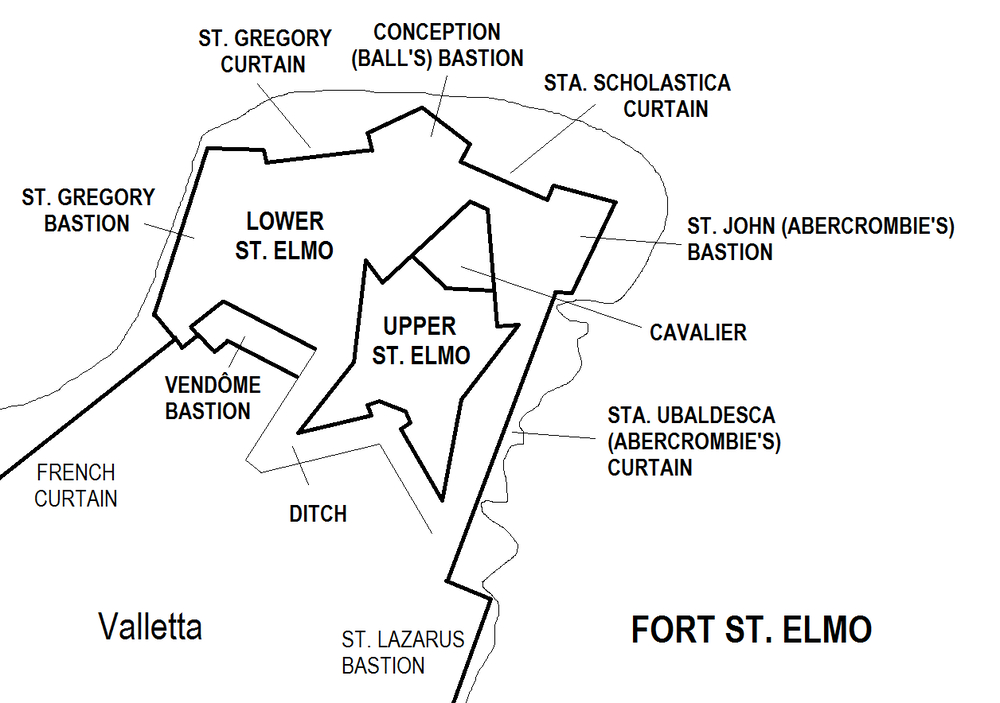
The fortification and development of Fort St Elmo, located on the tip of the Sciberras Peninsula in what is now known as Valletta, Malta, marked a critical point in the island's military history. The effort was spearheaded by the Order of St. John, who recognized the strategic importance of the Sciberras Peninsula for its control over the Grand Harbour and Marsamxett Harbour. The primary motivation behind the construction was to protect Malta from the increasing threats of Ottoman expansion and piracy in the Mediterranean.
Before the development of Fort St Elmo, Malta’s coastal defenses were largely inadequate to resist a full-scale assault. The Knights of St. John employed both local workers and brought in skilled military architects from across Europe to ensure the fort was built to the latest defensive standards of the period. These standards included star-shaped bastions designed to deflect cannon fire and prevent scaling by invaders.
The initial phase focused on building solid foundations and basic defenses, enabling the structure to function as a crucial outpost. Fort St Elmo's advantageous position allowed it to serve as a first line of defense, safeguarding major maritime activities and trade through the harbors. This fortification greatly influenced the Knights' future strategies and served as a hub for subsequent military operations.
Upon completion, Fort St Elmo significantly bolstered Malta's overall defense capabilities. It allowed the Knights to launch preemptive strikes against naval threats and monitor enemy movements closely. The increased military readiness provided by Fort St Elmo helped deter Ottoman attempts to capture the island, most notably during the Great Siege of Malta, when it played a pivotal role in repelling the invaders.
The infrastructure investments in Fort St Elmo not only contributed to the island's security but also laid the groundwork for Valletta’s eventual expansion and urban development. Over time, the fort became an essential part of the city's skyline, symbolizing resilience and military ingenuity.
#FortStElmo #MilitaryHistory #MedievalMalta #OrderOfStJohn #Fortifications #GrandHarbour #VallettaHistory #MoofLife
View detailsThe island of Malta, strategically located in the central Mediterranean, has long been a target for various powers due to its valuable position. During the mid-16th century, the Maltese population faced significant threats from Ottoman Turks and Barbary corsairs who conducted frequent raids and razzias. These attacks aimed to enslave and plunder, instilling a climate of fear and insecurity among the inhabitants.
In response to this persistent threat, and to ensure their safety, approximately one thousand Maltese people decided to flee the island. They sought refuge in the neighboring island of Sicily, which was under Spanish control and provided a semblance of safety against the marauding forces. The migration included men, women, and children, hoping to find a secure environment away from the turmoil and threats posed by the corsairs and Ottoman forces.
This exodus had several immediate impacts on Malta. Firstly, the loss of a significant portion of the population meant fewer people to cultivate the land, fish the seas, and contribute to the island's overall economy. It also led to a demographic reduction which affected local communities and social structures. On the other hand, for Sicily, this influx meant an increase in population which could have varied implications including potential economic benefits but also strains on local resources and infrastructures.
Historically, this movement contributed to the broader narrative of Mediterranean geopolitics involving Christian European powers and the Muslim Ottoman Empire and Barbary States. The continuous collisions between these forces influenced migration patterns, societal changes, and the strategic defenses of various regions.
Reflecting on this event underscores the persistent nature of human migration in response to conflict and insecurity, a theme that resonates through centuries and continues to shape global demographics.
#MigrationHistory #MalteseExodus #MediterraneanConflict #OttomanRaids #BarbaryCorsairs #HumanSecurity #MoofLife
View details1551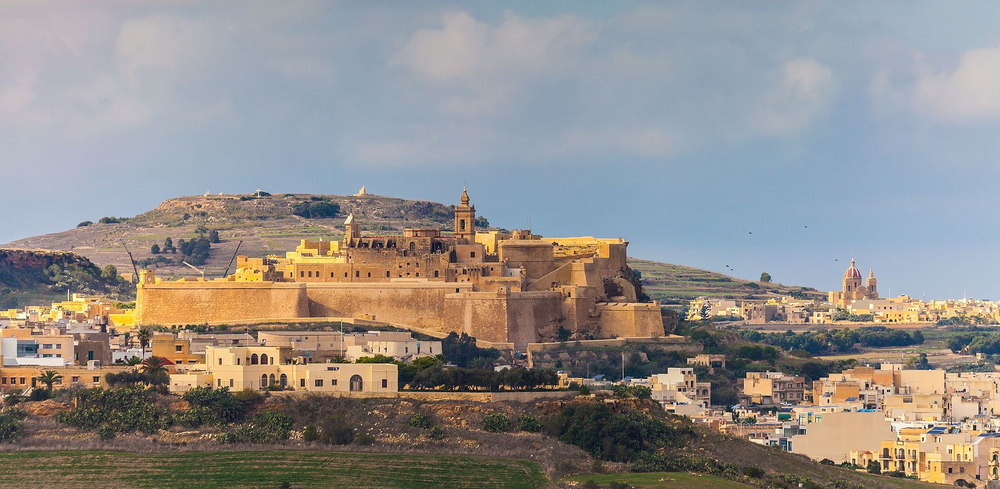
During the siege of the fortress of Gozo, Gaspar de Vallier faced a critical negotiation with the Ottoman forces. The garrison, comprising primarily Knights of the Order of St. John, had defended their position against the besieging Turkish army under the command of Sinan Pasha. The prolonged conflict strained resources and morale, leading to inevitable discussions of truce terms.
Gaspar de Vallier managed to secure a deal that would allow the Knights safe passage from Tunis to Malta, evading the fate that awaited other defenders. This agreement reflected the diplomatic efforts harbored under extreme circumstances, prioritizing the extraction of the Knights for future engagements. The truce, however, excluded the Maltese, Calabrian, and Rhodian soldiers who had fought alongside them. These soldiers, lacking the Order's influence and protection, were captured and subsequently auctioned off into slavery by the Turkish forces.
The impact of this negotiation was felt deeply in Malta and beyond. While the Knights managed to evade immediate doom, the loss of their fellow soldiers highlighted the brutal reality of the time. These auctions not only stripped these men of their freedom but also served as a stark message about the consequences of resistance against the Ottoman Empire. The event underscored the vulnerability of local and foreign allies who supported the Knights but did not enjoy the same diplomatic leverage.
In Malta, the fallout from this event contributed to a complex legacy of betrayal and survival. The geopolitical dynamics of the Mediterranean region were intensely shaped by such negotiations, influencing future defense strategies and alliances. Understanding the choices made and their repercussions provides insight into the tactical decisions and human costs during periods of conflict in this era.
#MoofLife #Diplomacy #MilitaryHistory #Slavery #MediterraneanConflict
View detailsThe Construction of Fort Saint Michael in Senglea marked a pivotal point in Malta's history. The Knights of St. John, who had settled on the island, faced constant threats from the Ottoman Empire. Recognizing the need for a robust defense system, Grand Master Juan de Homedes ordered the fortification of key strategic points.
Senglea, an area of significant strategic value due to its position on a peninsula in the Grand Harbour, was selected as the site for one of these fortifications. The initial planning and design focused on creating a stronghold that could withstand potential sieges. Architect Pedro Pardo was commissioned to oversee the construction, leveraging his expertise in military engineering.
The fort was constructed with formidable walls and bastions, designed to repel attacks and provide a defensive stronghold for the Knights. Building the fort required substantial resources and manpower. Laborers, masons, and engineers worked tirelessly, transporting materials across challenging terrains to complete the structure.
The impact of Fort Saint Michael was immediate and profound. It formed part of a larger defensive network that included Fort Saint Elmo and Fort Saint Angelo, creating a triad of fortifications that protected Valletta and the Grand Harbour. This network played a crucial role in the Great Siege of Malta. The fortifications held firm against the Ottoman forces, contributing to the Knights' victory.
The statistics surrounding the construction were impressive for the time. Hundreds of workers were employed, and substantial quantities of limestone were quarried and transported. The fort's walls, some as thick as three meters, showcased the military engineering skills of the period.
The construction of Fort Saint Michael not only bolstered Malta's defenses but also influenced future fortification designs across the Mediterranean. It demonstrated the strategic foresight of the Knights and their determination to resist Ottoman encroachment.
The successful defense during the Great Siege secured Malta's place as a bastion of resistance in the region. Fort Saint Michael remains a symbol of resilience and strategic military planning.
#FortSaintMichael #Senglea #KnightsOfStJohn #GrandHarbour #MaltaHistory #MilitaryFortifications #MoofLife
View details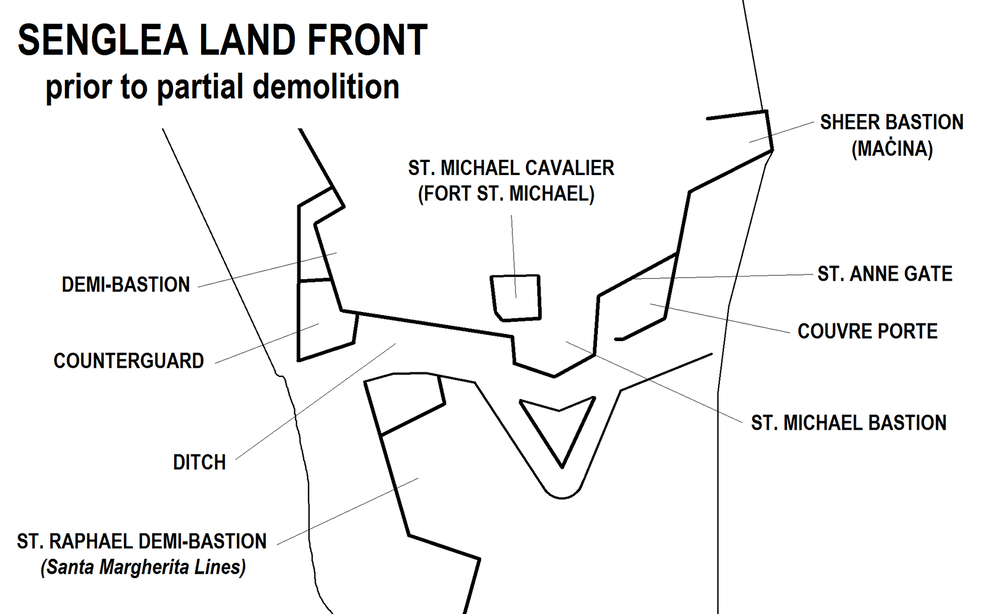
Following their arrival in Malta, Turkish forces initially concentrated their efforts on the harbour area, aiming to destabilize the strategic location controlled by the Knights of St. John. The invaders, however, faced robust defense and realized that their current plan would not yield the desired results. Consequently, they decided to abandon the harbour area and redirect their efforts northward to St. Paul's Bay.
From St. Paul's Bay, the Turkish forces launched a brief siege on the city of Mdina. Mdina, the fortified ancient capital of Malta, possessed significant defensive attributes with its high walls and strategic positioning on a hill. The city represented a critical military and symbolic target. Despite the Turkish army's determination, the siege of Mdina was short-lived. The defenders of Mdina, aided by the fortifications and perhaps the element of surprise regarding their resistance, successfully repelled the invaders.
This decision by the Turkish forces to relocate and stage another attack underscores their resilience and adaptability in warfare. However, the inability to capture Mdina demonstrated the robustness of the Maltese defense and the strategic acumen of the Knights of St. John. The local population, having endured the threat, would have been alerted to the continued dangers posed by such invaders and the importance of prepared defenses.
The impact of this event is notable in the ongoing conflict dynamics in the Mediterranean. It illustrates the strategic considerations and adaptability required in warfare, while also highlighting the resilience of the Maltese defenders under the Knights of St. John in such periods of conflict.
#MoofLife #MaltaHistory #MilitaryStrategy #KnightsOfStJohn #DefensiveFortifications #MediterraneanConflict
View details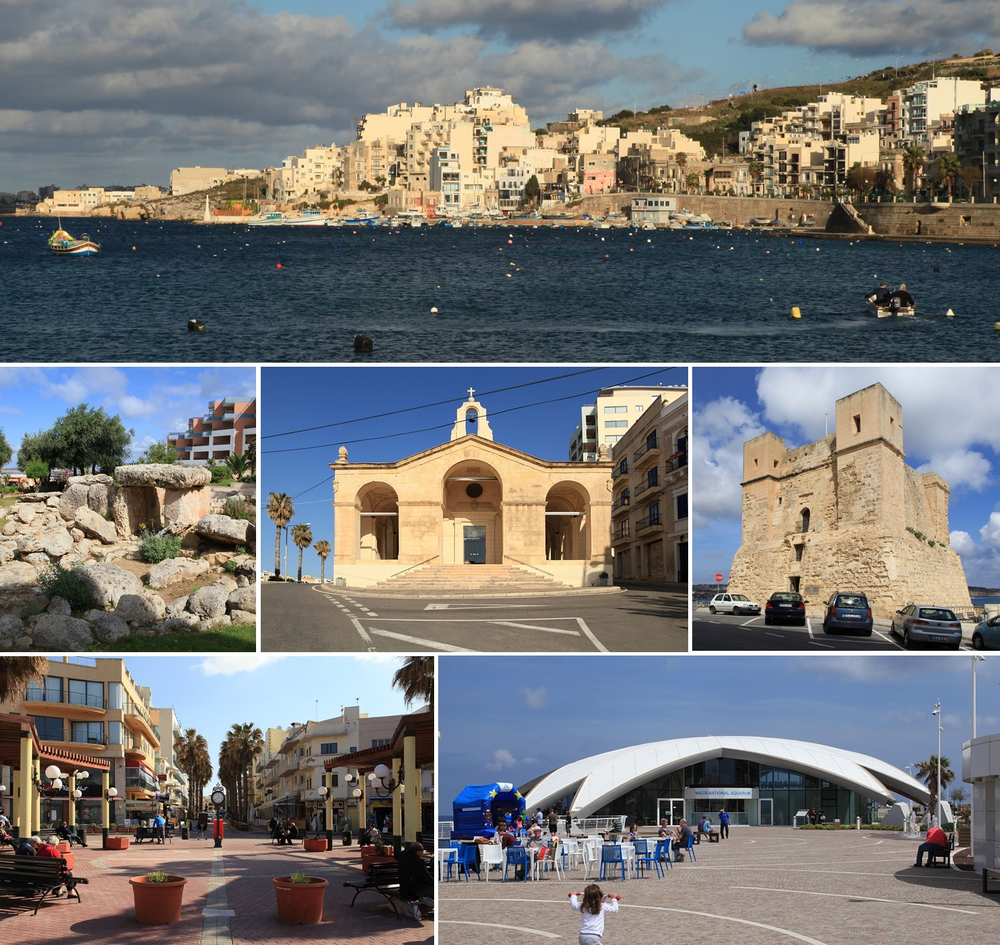
1550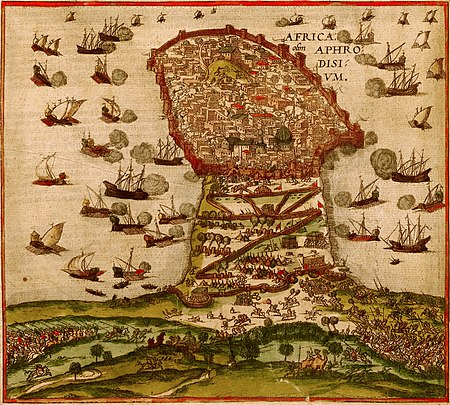
In the mid-16th century, tensions ran high in the Mediterranean as European powers and the Ottoman Empire vied for control. One significant event in this conflict involved Andrea Doria, a Genoese admiral serving under Charles V, and Claude de la Sengle, bailli of the French langue of the Knights of St. John, also known as the Knights Hospitaller. They set their sights on Mahdia, a strategic coastal city in Tunisia that had fallen under Ottoman influence.
The expedition was well-prepared, with Doria's fleet comprising 27 galleys and transports from the Holy Roman Empire and the Knights Hospitaller. Their objective was to capture Mahdia, disrupt Ottoman maritime operations, and assert control over the region. When they landed, they encountered fierce resistance from the Ottoman forces stationed there.
After substantial fighting, Doria and de la Sengle succeeded in capturing Mahdia. However, the aftermath of this military victory was marked by brutality. The population of Mahdia faced a massacre at the hands of the invaders. The objective of the attack had been not only military control but also to send a clear message of deterrence to the Ottoman forces. This action caused a significant loss of life and added to the long-standing enmity between Christian and Muslim powers in the Mediterranean region.
This event had lasting repercussions. It intensified the military confrontations in the region and highlighted the persistent volatility of Mediterranean geopolitics. The participation of the Knights Hospitaller, headquartered in Malta, underscored their ongoing role in the defense against Ottoman expansion.
The massacre at Mahdia is remembered for its grim nature and as a part of the broader historical context of power struggles in the Mediterranean. It illustrates the extreme measures taken by European forces to combat the Ottoman influence and secure strategic locations.
#MahdiaCapture #AndreaDoria #ClaudeDeLaSengle #OttomanConflict #KnightsHospitaller #MediterraneanHistory #Malta #MoofLife
View details1540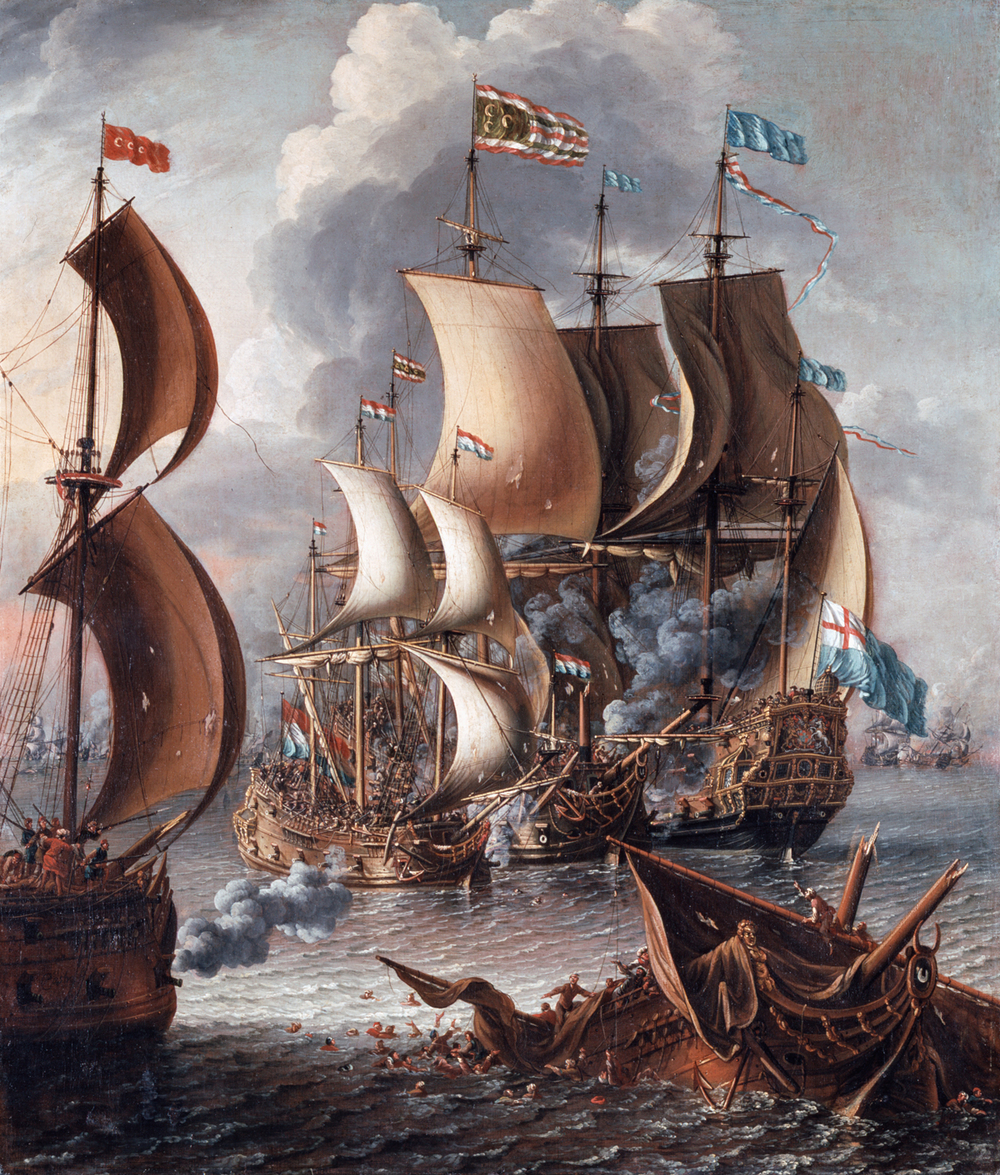
The event reflects the heightened maritime conflict characterized by the increasingly frequent razzias conducted on Malta and parts of Italy by Ottoman forces and Barbary pirates. During this period, the Mediterranean region witnessed a surge in military raids. The primary aggressors comprised the Ottoman Empire and corsairs from the Barbary Coast, particularly targeting exposed coastal settlements and merchant vessels.
Engaged in strategic domination and economic disruption, these raids had severe repercussions. For regions like Malta, the attacks led to substantial losses in both lives and material resources. Established as a crucial bastion between Europe and North Africa post the arrival of the Knights Hospitaller, Malta became a strategic target due to its pivotal position in controlling naval routes. The local population faced grim realities, including abduction, enslavement, and frequent pillaging of goods and settlements.
Such incursions were part of a broader conflict, underscoring the Ottoman Empire's expansive ambitions and the Barbary pirates' quest for captives and loot. The Ottomans, leveraging their naval strength, sought to impose dominance over Mediterranean waters, thereby challenging European maritime powers. Barbary pirates, operating primarily from what is now Tunisia, Algeria, and Libya, capitalized on the disarray, intensifying their raids for economic gains and captives, who were either ransomed or sold into slavery.
Quantitative data illustrate the scale and frequency of these raids. The Mediterranean sea lanes saw an alarming spike in pirate activity, with an estimated thirty to fifty ships falling prey annually to such aggressions. Predatory raids led to significant disruptions in trade and travel, affecting the broader economic landscape of the region.
In retaliation, regional authorities, including the Knights of Malta, fortified their defenses and undertook counter-raids against these aggressors. Continuous skirmishes, though, strained resources and inflicted long-term social and economic impacts. These confrontations underscored the volatility of the Mediterranean area, leading to significant geopolitical shifts.
Ultimately, the increasingly frequent raids by the Ottomans and Barbary pirates in Malta and Italy underscored the turbulent dynamics of Mediterranean politics and warfare. This phase in maritime history highlighted the relentless struggle for control and dominance amidst a backdrop of cultural and economic clashes.
#OttomanInvasions #BarbaryPirates #MediterraneanHistory #NavalWarfare #RaidsOnMalta #HistoricalConflicts #MoofLife
View details1531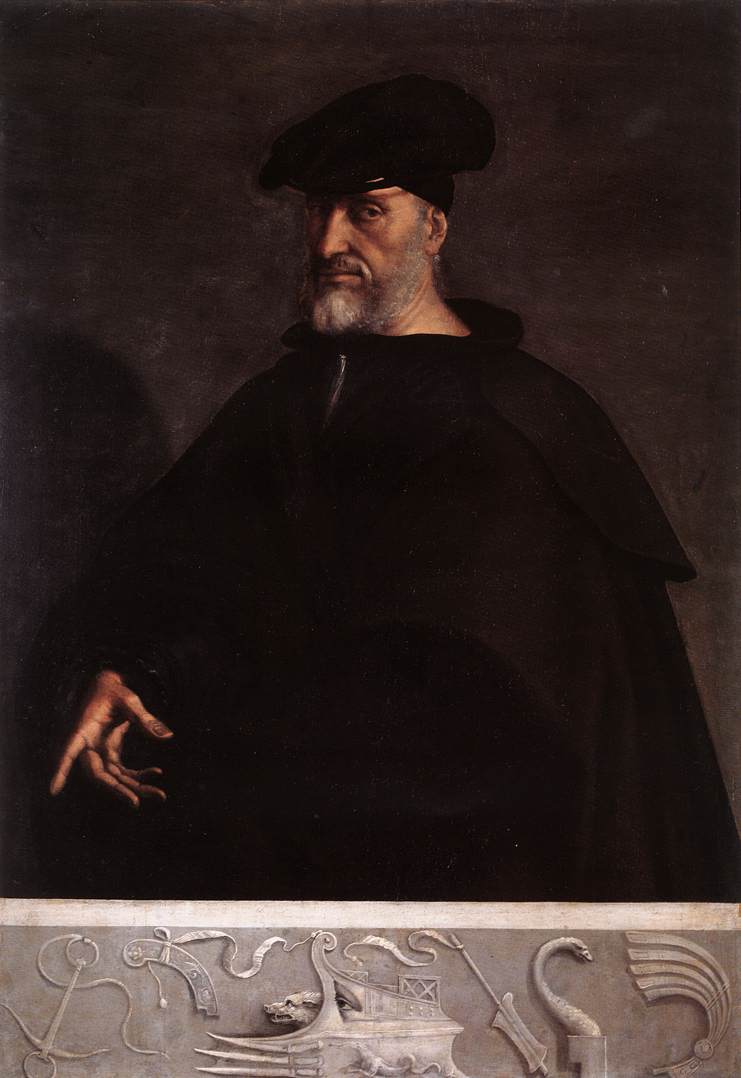
The Knights Hospitaller, having been driven from Rhodes by the Ottoman Empire, established a new naval base in Malta following a strategic decision. They joined the Christian naval fleet led by Admiral Andrea Doria, aligning themselves with larger Western European efforts against Ottoman expansion. Their initial operations included assaults on Modone, targeting the Ottoman positions in the western Peloponnese. These operations disrupted Ottoman supply lines and demonstrated the growing military collaboration among European forces.
The Knights' actions extended to the Ottoman fort at Coronna. This attack aimed to further weaken Ottoman hold in the region. As part of these combined efforts, the Knights and Doria’s fleet launched an offensive on Tunis. This operation sought to dismantle the Ottoman stronghold in North Africa, thereby reducing both economic and military pressures on the Christian territories in the Mediterranean.
These engagements marked the Knights' significant contributions to the war effort against the Ottomans. Their presence in Malta facilitated quicker and more strategic naval maneuvers, capitalizing on Malta's geographical advantage. The attacks on Modone, Coronna, and Tunis were pivotal in shifting the balance of power, impacting Ottoman control and signaling the resilience and coordination of Christian forces.
#KnightsOfMalta #OttomanWars #NavalStrategy #EuropeanHistory #MoofLife
View details1530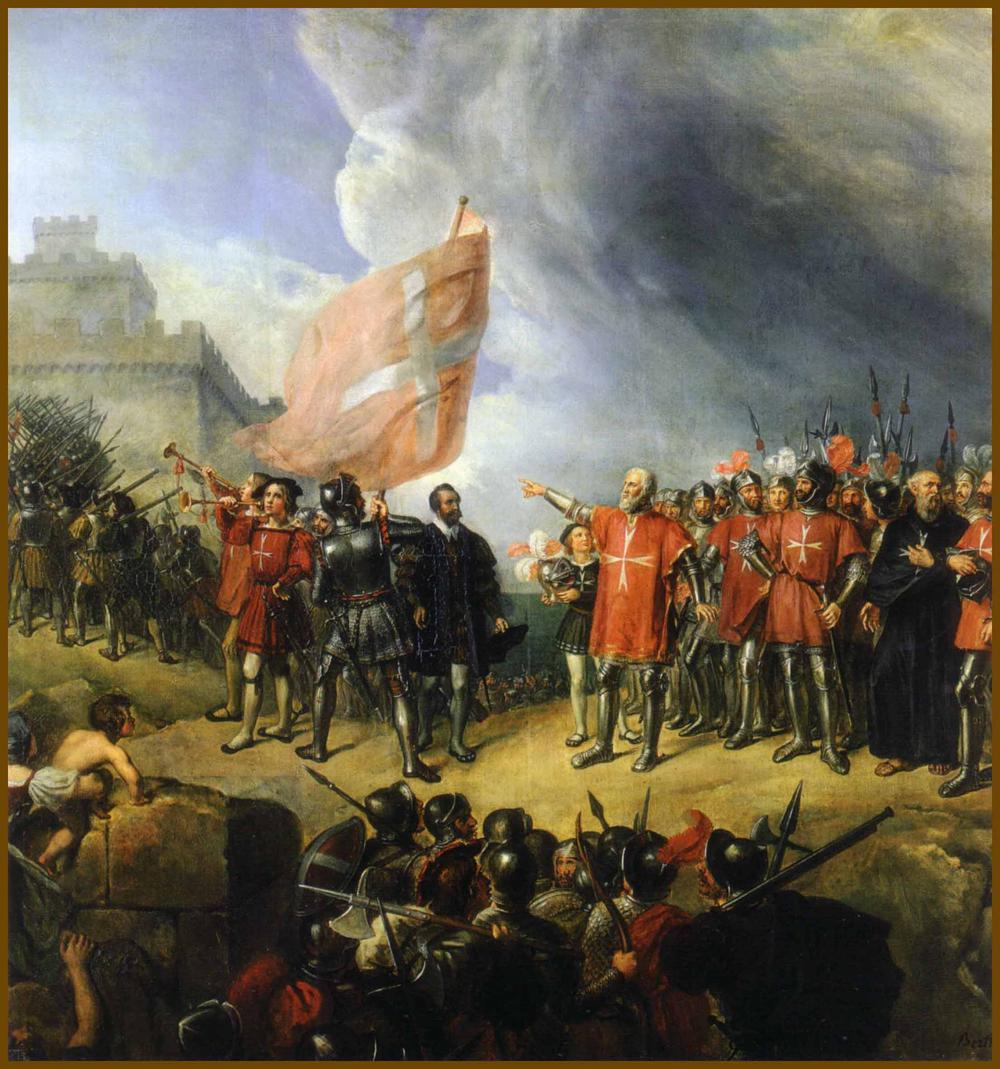
In an effort to protect Rome from Islamic invasion, Emperor Charles V grants the Maltese Islands to the Knights of St. John of Jerusalem in perpetual fief. The growing threat from the Ottoman Empire to Europe was of significant concern to the Emperor. The Knights of St. John, a militant monastic order, had been seeking a new base of operations since losing Rhodes to the Ottomans.
The strategic location of Malta in the central Mediterranean made it ideal for defense against Ottoman naval expeditions. Charles V's decision was partly influenced by this strategic importance, and also by the need to secure a buffer zone to protect Rome and Christian Europe from Islamic incursions. The Maltese Islands included Malta, Gozo, and Comino, with a local population mostly engaged in agriculture and fishing.
The grant established that the Knights would hold the islands in return for an annual tribute of one Maltese falcon to the Viceroy of Sicily. This symbolic payment underscored the perpetual nature of the fief. The Knights transformed the islands into a fortified stronghold, significantly strengthening Europe's southern defenses. They built extensive fortifications, including the construction of the mighty fortress city of Valletta, named after Grand Master Jean Parisot de Valette.
The impact of this grant had far-reaching implications. It fortified the Mediterranean against Ottoman expansion and established a period of Maltese history defined by military and architectural advancements. Malta became a formidable naval base contributing to the broader effort to control maritime routes in the region.
The legacy of this arrangement between the Holy Roman Empire and the Knights of St. John of Jerusalem is evident in the enduring fortifications of Malta and its rich history of defense against external threats.
#MoofLife #Malta #KnightsOfStJohn #CharlesV #OttomanEmpire #MediterraneanDefense #HistoricalEvents #Fortifications
View details1410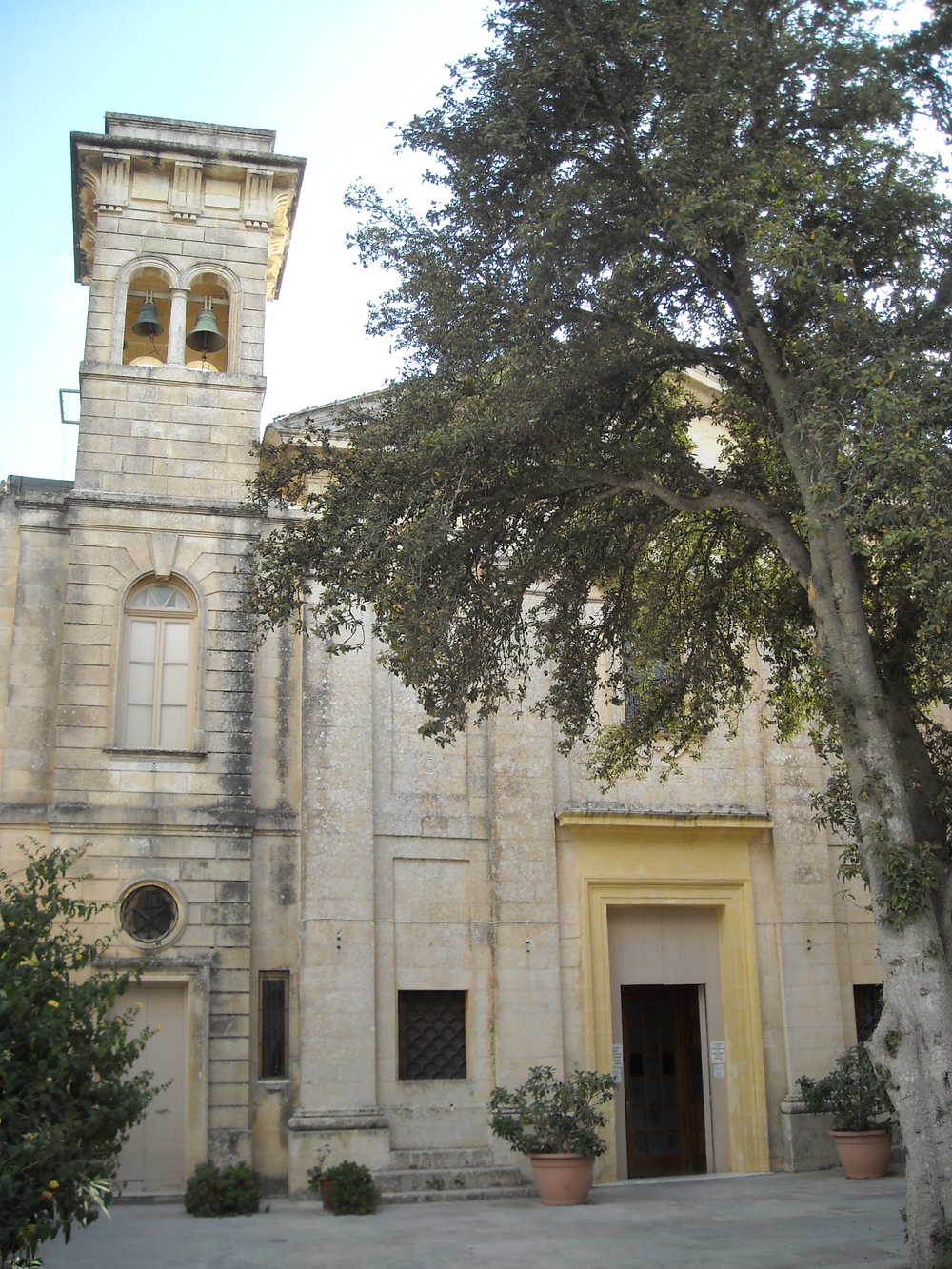
The medieval chapel of St. Agatha's in Rabat, Malta, saw its completion amid a period of substantial religious and cultural development on the island. The chapel, dedicated to St. Agatha, reflects Malta's deep-rooted Christian traditions and the architectural tendencies of that era.
The building of the chapel was a community effort, involving local craftsmen and funded through the contributions of the Church and local residents. The structure features typical medieval ecclesiastical architecture, including a simple, robust design conducive to both worship and community gatherings. St. Agatha’s chapel became a focal point for the local population, serving not only spiritual needs but also fostering a sense of communal identity.
The impact of completing the chapel reverberated through Rabat and the surrounding areas. It provided a central place for worship, pilgrimages, and religious instruction. The construction of religious buildings such as St. Agatha's often influenced settlement patterns, demonstrating the importance of the Church in everyday life. Archaeological studies suggest that the chapel also played a role in the continuity of Christian practices in the region.
St. Agatha's chapel became a significant element in the development of ecclesiastical architecture in Malta. It influenced subsequent constructions and renovations of churches in the region. The preservation of such buildings has provided valuable insights into medieval architecture and Maltese history, aiding historians and archaeologists alike.
St. Agatha’s has withstood the test of time, and today it offers a glimpse into the medieval life of Rabat. The chapel continues to attract visitors, scholars, and religious devotees, thus maintaining its historical and cultural legacy.
Relevant hashtags include: #MoofLife #Rabat #StAgathasChapel #MedievalMalta #CulturalHeritage #MalteseHistory #ReligiousArchitecture
View details1355
The period following the death of Frederick III of Sicily marked a pivotal chapter for the Maltese islands. Upon his demise, the House of Barcelona emerged as the ruling dynasty in Malta, consolidating regional power and reshaping the political landscape. At the time, Malta was integrated into the Kingdom of Sicily, and the transition in leadership underscored significant shifts in Mediterranean politics.
Frederick III's rule had left the Kingdom of Sicily, including Malta, in a complex state of governance and societal organization. His death opened the door for the House of Barcelona to assert its influence over Malta, thereby incorporating it into a broader dynastic realm governed by the Crown of Aragon. This governance change streamlined administrative control and fortified the islands' strategic and economic importance in the central Mediterranean.
The House of Barcelona's assumption of power led to the enhancement of Malta's maritime capacities. The island served as a crucial waypoint for Aragonese and later Spanish ships navigating between Europe and North Africa. The dynastic change had immediate military implications, with fortifications improved to protect against the looming threats of piracy and Ottoman expansion. This period also ushered in a new era of economic integration with the greater Mediterranean trade networks, amplifying Malta's role as a commercial hub.
Integration under the House of Barcelona had social and cultural ramifications as well. The Maltese islands exhibited increased contact with Catalan and Aragonese settlers, which influenced local dialects, customs, and governance practices. This new political affiliation brought about legal and administrative reforms aligned with broader Aragonese policies, contributing to the islands' stability and growth.
In summary, the transfer of power to the House of Barcelona initiated a significant phase in Maltese history, marked by strategic enhancements, increased maritime activity, and socio-cultural integration within the broader Aragonese dominions. This dynastic shift not only fortified Malta’s defenses and economy but also embedded the islands more deeply into the socio-political fabric of the Crown of Aragon.
#Malta #HouseOfBarcelona #FrederickIII #MediterraneanHistory #DynasticChange #TradeAndMaritime #MoofLife
View details1282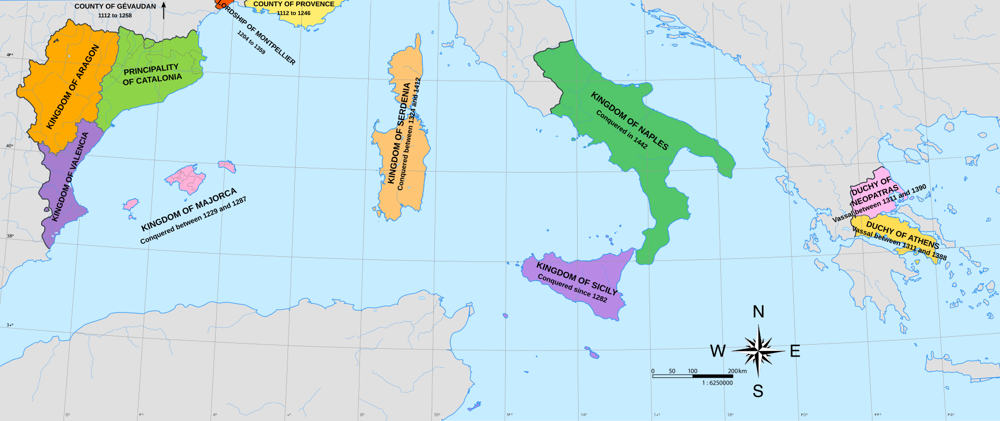
The Maltese archipelago transitioned under the governance of the Crown of Aragon following the War of the Sicilian Vespers. This period marked a significant geopolitical shift in the central Mediterranean region.
Before this change, the islands had been part of various dominions, reflecting their strategic importance. The War of the Sicilian Vespers was a large-scale conflict primarily involving the Kingdom of Sicily and the Angevin King Charles I of Anjou. The insurrection against the Angevin rule began on the island of Sicily and rapidly expanded, impacting surrounding regions, including Malta.
The upheaval resulted in Peter III of Aragon asserting control over Sicily and its dependencies, including Malta. This new Aragonese rule was distinguished by a distinct administrative approach compared to the former Angevin rulers. The Maltese people experienced changes in governance that included different legal frameworks and tax policies introduced by the Aragonese authorities.
Economically, the Aragonese period saw various developments influenced by broader Mediterranean trade. The islands' involvement in maritime activities continued, capitalizing on their location. Social structures, heavily influenced by feudal systems, began to evolve under the new rule, as the Aragonese monarchy sought to integrate Malta more closely into its empire.
The transition also marked changes in diplomatic and military strategies in the region. The Crown of Aragon utilized Malta for its maritime campaigns and as a logistical base, influencing the local dynamics and integrating the islands within its broader political strategies.
Over time, the Maltese islands emerged as an important point within the Aragonese territories. This period also laid foundational aspects of Malta's later historical developments, as the archipelago continued to be a focal point in Mediterranean power struggles.
#CrownOfAragon #WarOfSicilianVespers #MaltaHistory #MedievalMediterranean #HistoricalGovernance #MoofLife
View details1098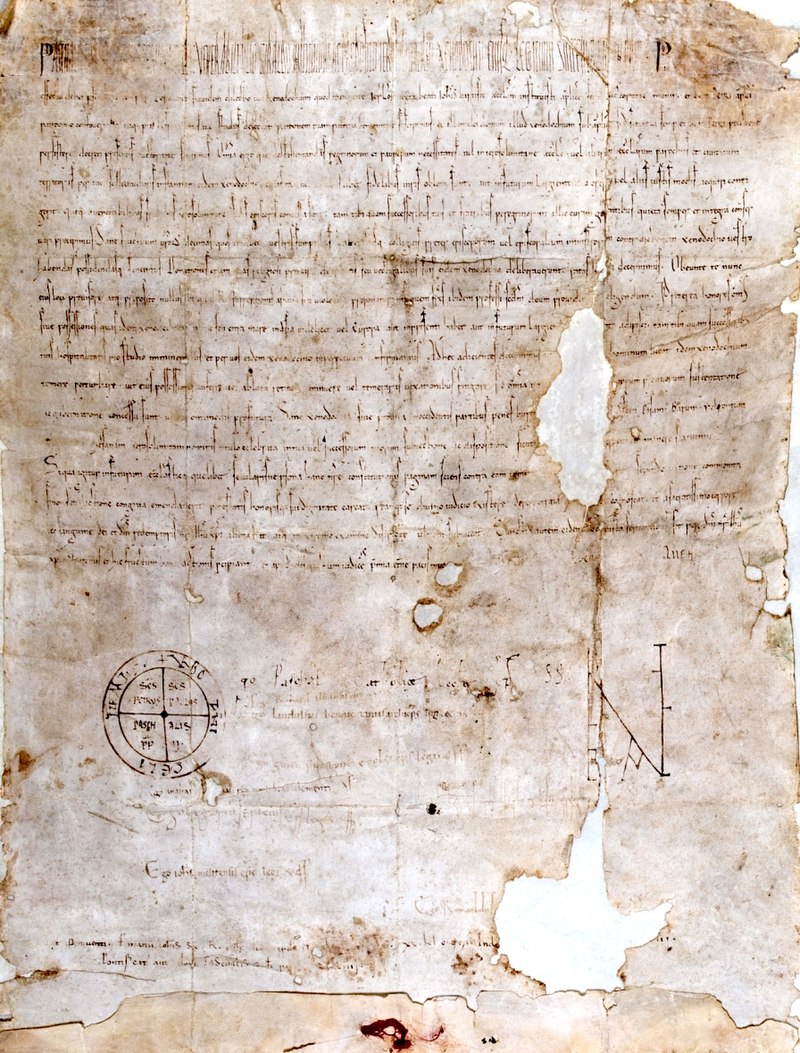
The founding of the Order of the Knights of St. John in Jerusalem marked a pivotal development during the medieval Crusades. This event occurred after the Christian forces captured Jerusalem, leading to the establishment of a hospital to provide medical care to pilgrims and warriors. Initially focused on healthcare, the Hospitallers, as they became known, soon evolved into a military order dedicated to defending the Holy Land and aiding in the Crusades.
Background information underscores that the order originated from a hospital established by merchants from Amalfi. It provided care for sick, poor, and injured pilgrims traveling to Jerusalem. The Hospitallers' reputation for service quickly grew, prompting church recognition and support from European nobility. This led to significant donations of land, wealth, and resources, enabling the order to expand its operations beyond Jerusalem.
The immediate impact included creating a structured organization within the region, with the dual goals of healthcare and military defense. They built additional strongholds and hospitals across the Crusader states, ensuring their influence extended beyond Jerusalem. The military wing of the order participated in key battles and fortifications, contributing significantly to the defense of the Christian-held territories in the Levant.
In terms of relevant statistics, the order amassed considerable lands and properties across Europe, facilitating sustained funding for their operations. They developed an early form of what can be termed 'medieval banking,' managing wealth that further bolstered their standing among European powers.
This foundation set the stage for the order's future evolution. Eventually, the order relocated, firstly to Cyprus, then Rhodes, and ultimately Malta, where they cemented their legacy as the Order of Malta. The knights continued their dual mission of hospitality and military engagement, notably playing crucial roles in defending against Ottoman expansion and securing key maritime routes.
#MoofLife #OrderOfStJohn #Crusaders #MedievalHistory #KnightsHospitaller #OrderOfMalta
View details1091
The Normans' conquest of Malta from the Arabs stands as a pivotal episode in the island's history. The preceding era saw Malta under Arab rule, which had brought significant changes such as the introduction of new agricultural techniques, advancements in irrigation, and the spread of the Arabic language and Islamic culture. The Arab influence deeply permeated Maltese society, shaping the island's landscape, customs, and heritage.
The arrival of the Normans was part of their broader campaign in the Mediterranean region. Under the leadership of Count Roger I of Sicily, the Normans launched an expedition to extend their influence. The invasion fleet approached Malta, encountering relatively little resistance. The contrast in military strategies and resources played a decisive role in the swift subjugation of the islands.
The conquest marked the cessation of Arab rule and initiated Norman control, which began the re-Christianization of Malta. One significant consequence was the gradual implementation of Norman feudal structures. The Latin Church's influence resurfaced, leading to the construction of Christian places of worship and the establishment of Latin schools.
The shift in power also had demographic implications, as Norman rule facilitated the migration of settlers from Sicily and Southern Italy, integrating new cultural elements into the island's society. Arabic, while remaining in use, slowly receded as the dominant language, making way for the spread of Latin.
This transition not only altered the religious and cultural landscape of Malta but also laid the groundwork for future political alignment with European powers, severing previous ties with the Arab world. This change remained significant in shaping Malta's medieval history and identity.
#Normans #Arabs #Malta #MedievalHistory #CulturalShift #MoofLife
View details0870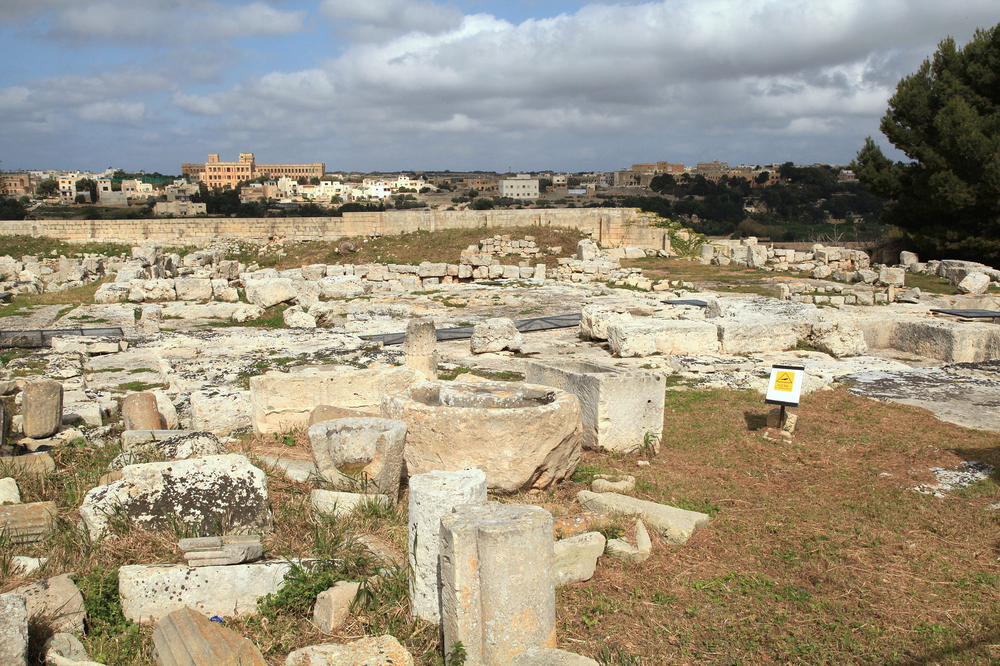
The transformation of Melita, a fortified Roman settlement located on the highlands in the center of Malta, marked a crucial change in Maltese history. Initially established due to its strategic position and defensive capabilities, Melita served as a notable center for trade and administration under Roman rule. Various structures, including fortifications, public buildings, and private residences, highlighted the settlement's significant role in the region.
During this period, Malta faced numerous threats from invaders, particularly the Aghlabids. These incursions led to the decision to reduce the size of Melita significantly. This reduction aimed to create a more manageable and defensible settlement, necessitated by military and administrative reasons. The fortified area was concentrated around the highest and most defensible parts of the original settlement.
As a result of these changes, the settlement was renamed Medina. This new name signified a departure from its Roman past and indicated a shift towards a different cultural and administrative paradigm.
Renaming the settlement as Medina set the stage for its future development into what would become the Medieval city of Mdina. The fortified, smaller Medina provided a secure environment for its inhabitants, enabling them to withstand further attacks and hostilities. The consolidation of the settlement contributed to its resilience and sustained importance throughout Malta's history.
This strategic resizing and renaming laid the groundwork for the emergence of a city that would become a central part of Malta's heritage. Mdina, as a successor to Medina, preserved the legacy of both Roman planning and medieval defensive architecture. The impact of this transformation is evident today in the enduring historical and architectural significance of Mdina.
#MoofLife #History #Malta #Roman #Medieval #Transformation #Fortification #Inheritance
View detailsDuring a time of increased geopolitical maneuvering in the Mediterranean, Arab forces took control of Malta. Recognizing the strategic importance of the Grand Harbour, the Arab conquerors decided to strengthen their hold by constructing a fortification on the site of what would later become Fort St. Angelo.
Located on the prominent peninsula of Birgu, the chosen site offered natural defensive advantages and a commanding view over the surrounding waters. The fortification they erected was designed to ensure control over the Grand Harbour, a critical maritime asset for trade and military operations in the region. This construction was part of a larger strategy to secure and administer Malta within the Arab empire's extensive network of conquests. The fort's walls served to defend against both seafaring and land-based threats.
The impact of constructing this fort extended beyond military dominance. The fortified structure became a secure base from which the Arabs could administer the islands, facilitating developments in trade and agriculture. The introduction of advanced irrigation techniques and crop varieties during this period marked a transformative era in Malta’s agrarian landscape, boosting local productivity and sustainability.
Moreover, this fortification made Malta a crucial military outpost for the Arabs, enabling them to project power throughout the Mediterranean. It also served as a bulwark against other emerging powers vying for control of this strategically vital region. The presence of the Arabs in Malta introduced architectural, cultural, and technological advancements that would have lasting influences on the Maltese archipelago.
Given these long-term impacts on both the military significance and daily life in Malta, the Arabs' construction of the fort at what is now Fort St. Angelo stands as a pivotal development in the island’s history. This moment foreshadowed the many roles that this site would play in the centuries to come, defending against sieges, serving as a stronghold for the Knights of St. John, and continuing to be a focal point in Mediterranean maritime affairs.
#MoofLife #MaltaHistory #GrandHarbour #ArabConquest #MedievalFortifications #StrategicMilitaryResources
View details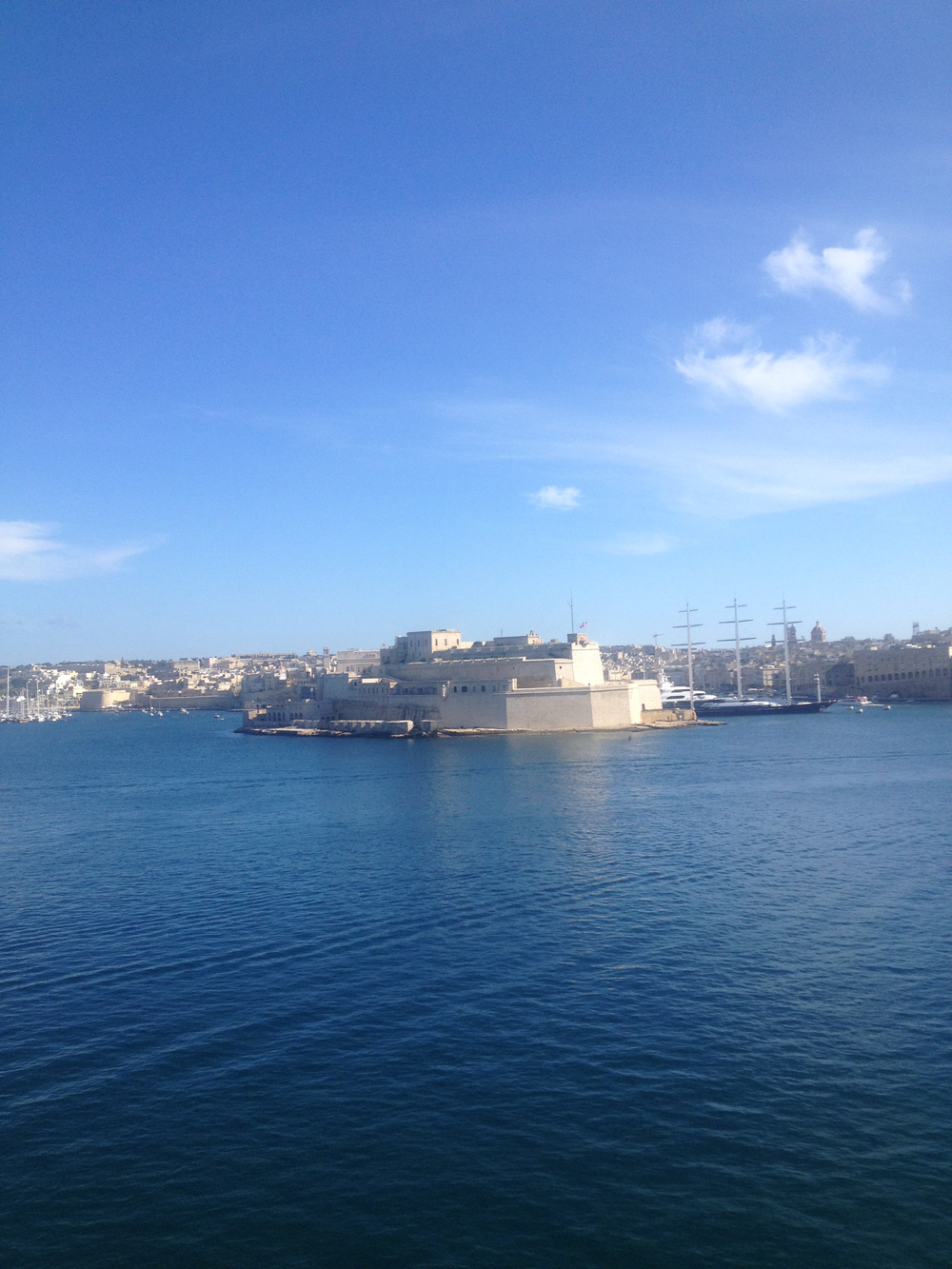
The Aghlabid emirate, under the leadership of the Arab commander Abu Hafs, launched a successful military campaign towards Malta. This incursion marked an important chapter in the wider Islamic expansion across the Mediterranean. The Aghlabids, an Islamic dynasty based in Ifriqiya (modern-day Tunisia), sought to extend their influence and control over strategic points in the region, focusing on islands like Malta that held significant maritime and trading value.
At the time, Malta was under Byzantine control. The Byzantine Empire, a formidable maritime power, systematically incorporated important islands into its territorial network to fortify its defenses and maintain its economic routes. However, persistent internal strife and wars on other fronts weakened Byzantine control over more distant territories such as Malta.
Upon arrival, Abu Hafs’ forces met with resistance from the local defenders. The strategic geographical positioning of Malta, with its fortified cities and natural harbors, initially presented challenges to the invaders. However, the Aghlabids’ persistence and tactical prowess eventually overcame these defenses. Following a series of confrontations and sieges, the Aghlabids succeeded in capturing the island. This conquest was part of a broader series of military and naval engagements that characterized the Aghlabid expansion.
The impact of the invasion on Malta was profound. The local population faced significant changes in their social and political structures. The existing Byzantine administrative systems were dismantled and replaced by those aligned with Aghlabid rule. This transition introduced new cultural, economic, and religious dynamics to the island. The spread of Islam began influencing local traditions, architecture, and day-to-day life, laying the foundations for a long-lasting Arab presence in Malta.
Besides the political and cultural shifts, the Aghlabid control of Malta had economic implications. Malta's strategic position in the central Mediterranean became a cornerstone in the trade and military networks of the Aghlabid emirate. The island began serving as a crucial refueling and resupply point for Muslim ships navigating the Mediterranean, reinforcing the Aghlabids’ dominance in the region.
In essence, the Aghlabid invasion led by Abu Hafs not only redefined Malta’s historical trajectory but also illustrated the shifting power dynamics in the Mediterranean basin during the era of Islamic expansion.
#MaltaHistory #IslamicExpansion #ByzantineEmpire #MediterraneanControl #CulturalShift #AghlabidDynasty #MoofLife
View details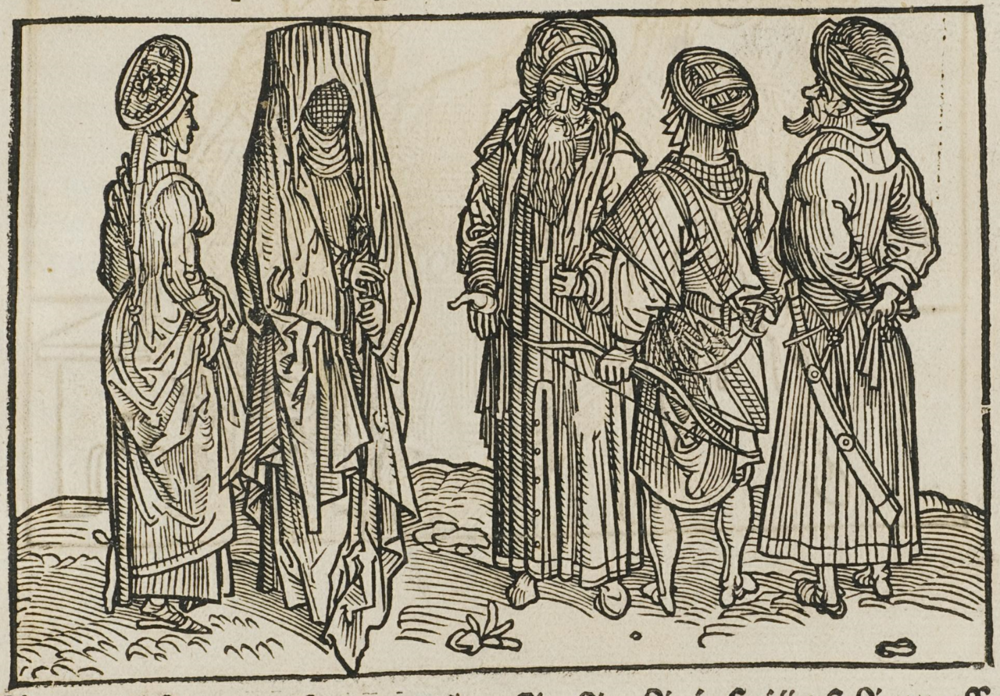
In a period marked by intense territorial expansion, the Aghlabid Arabs of North Africa launched an offensive that led to the conquest of Malta. At the time, the Aghlabids aimed to solidify their control over the Mediterranean region. Initially, Malta had been under Byzantine rule, serving as a strategic outpost and supply station.
The Aghlabids' campaign against Malta was driven by the island's strategic importance, lying between Sicily and North Africa. Their naval expedition encountered a relatively modest Byzantine defense, as the empire was preoccupied with other military threats. The conquest proceeded with little resistance due to the Byzantines’ weakened state in the region.
The impact of the Aghlabid conquest was multifaceted. Strategically, it allowed the Aghlabids to control a key point in the central Mediterranean, facilitating further expansion and consolidation of their maritime dominance. Economically, Malta became integrated into the broader trade networks of the Aghlabid dynasty, contributing to the flow of goods and wealth across the region.
Culturally, the Arab influence began to permeate Malta. Over time, the local population adopted various aspects of Arab culture, including language, architecture, and administrative practices. The legacy of this period can still be detected in Malta’s archaeological remains and linguistic traces found in the Maltese language, which incorporates elements of Arabic.
In terms of demographics, the conquest led to the settlement of Arabs and Berbers on the island, which also influenced the social fabric. This period marked the beginning of a new chapter in Malta's history, further diversifying its cultural and demographic landscape.
The Aghlabid rule brought significant changes in Malta’s political and cultural development, laying the groundwork for future interactions between the Arab world and the island.
#AghlabidConquest #MediterraneanHistory #MaltaHeritage #CulturalExchange #MoofLife
View details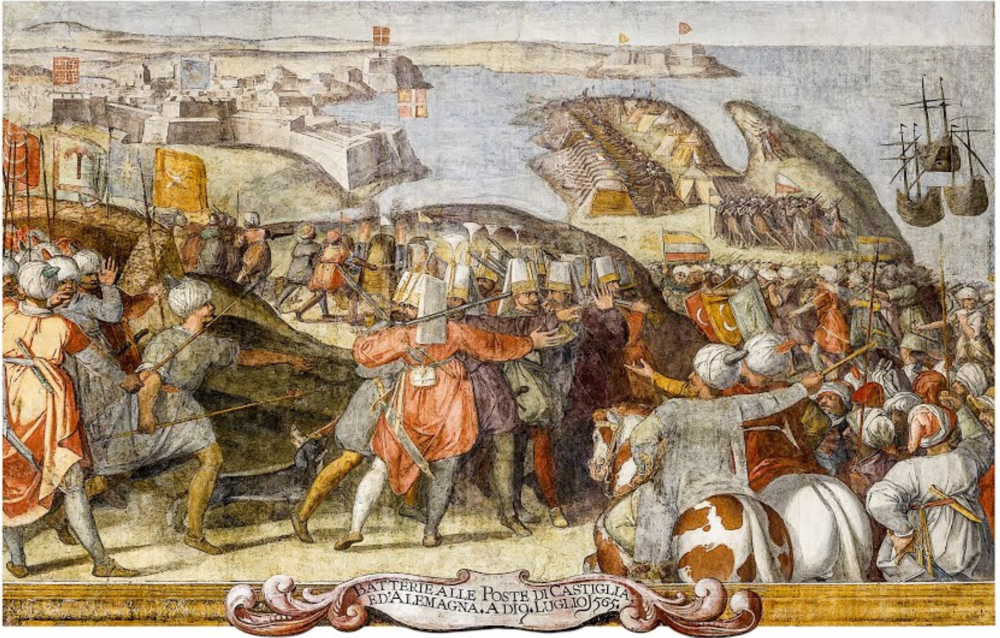
0530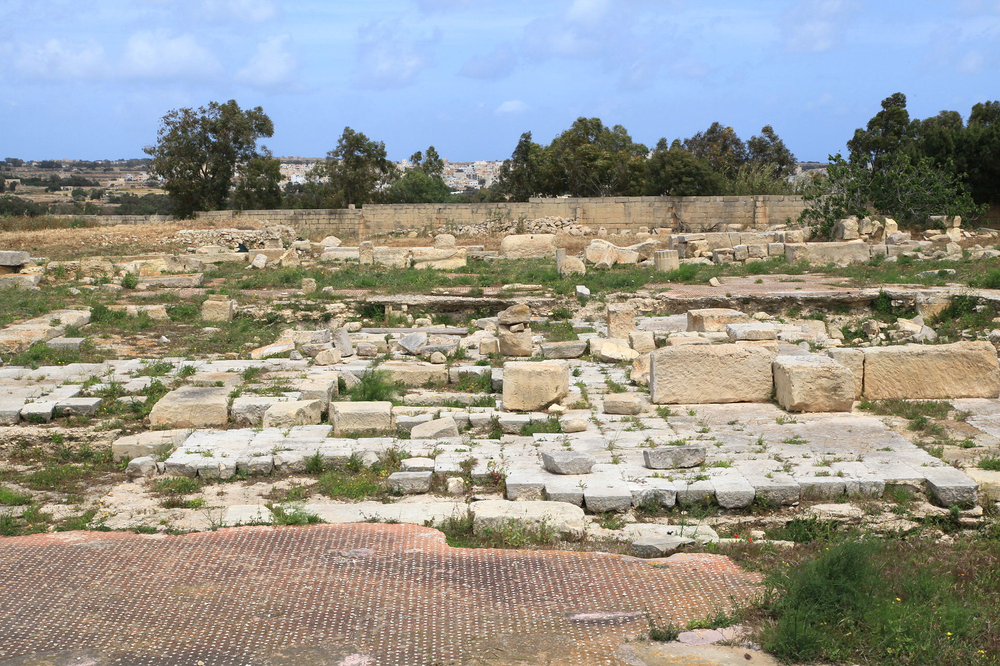
The Byzantine Empire's regaining control of the Maltese Islands marked a significant shift in the power dynamics of the Mediterranean region. After a period of domination by the Vandals and later the Ostrogoths, the Maltese Islands returned to Byzantine rule during the reign of Emperor Justinian I in the mid-6th century. This reconquest was part of Justinian's ambitious campaign to restore the former territories of the Roman Empire. The Byzantine administration re-established its influence over Malta, ensuring the island's strategic importance as a naval base and a critical link in maritime trade routes across the Mediterranean.
Under Byzantine rule, Malta experienced a renewed connection to the Eastern Roman Empire's cultural and religious practices. The islands were fortified against potential invasions, and the Byzantine presence left a lasting imprint on Malta's religious landscape, with the spread of Eastern Christian traditions. This period also saw the construction of new churches and the reinforcement of existing defenses, further integrating Malta into the broader Byzantine sphere of influence. The Byzantine reconquest of Malta was not just a military victory but a reassertion of the empire's resilience and strategic prowess in the face of shifting regional powers.
#MomentsOfLife #MoofLife_Moment #MoofLife #ByzantineEmpire #MalteseHistory #MediterraneanPower #HistoricalReclaim
View details464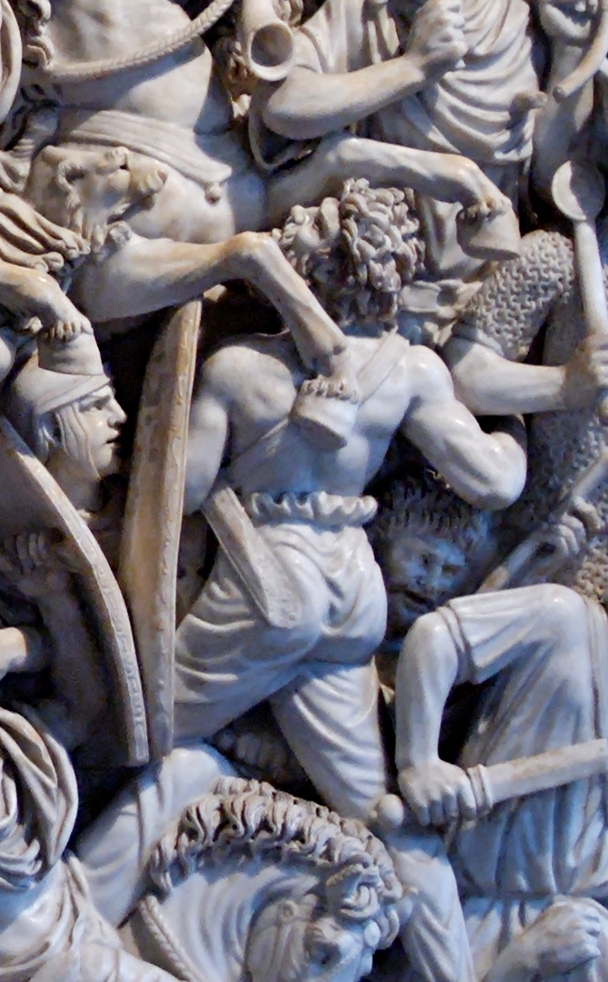
The occupation of Malta by the Goths took place during a period marked by intense geopolitical shifts in the Mediterranean. This event unfolded amidst the decline of the Western Roman Empire, which created a power vacuum in the region. The Goths, a Germanic tribe, had been gradually expanding their influence across Europe, and Malta's strategic location and its established resources made it a significant target.
Before the Goths arrived, Malta was under Roman control, benefitting from integration into the empire's extensive trade network. The island economy flourished, supported by agriculture, particularly the cultivation of olives and grapes, and fishing. Trade links ensured the flow of goods and cultural exchanges between Malta and other parts of the Roman Empire.
With the Goths' arrival, Malta experienced administrative and military changes. The Goths established their own governance structures, which impacted local political dynamics. The immediate effect was disruption in the local economy, as trade routes were altered and existing social hierarchies were challenged. The Goths, known for their prowess in warfare, likely fortified Malta's defenses to consolidate their control and use the island as a staging ground for further expansions.
Resource management under the Goths saw shifts; there was a return to more localized production and subsistence strategies, altering the economic landscape. The Goths may have also introduced new agricultural practices and weapons technology. Despite the turmoil, there was continued interaction between Malta and surrounding territories, facilitating a degree of cultural exchange.
In terms of population, the Gothic occupation had a significant impact on the demographic structure of Malta. This period saw an influx of Germanic warriors and their families, which altered the ethnic and cultural composition of the island.
The occupation also left a mark on Malta's architectural landscape. The Goths utilized existing Roman infrastructure, but additions such as fortifications had long-term implications for Malta's urban development.
This occupation period was a crucial chapter in Malta's history. It underscores the fluidity of power and cultural exchanges in the Mediterranean during late antiquity and sets the stage for Malta's evolving role in subsequent historical epochs.
#MoofLife #History #Malta #Goths #Mediterranean #RomanEmpireDecline #CulturalExchange #GeopoliticalShift
View details0454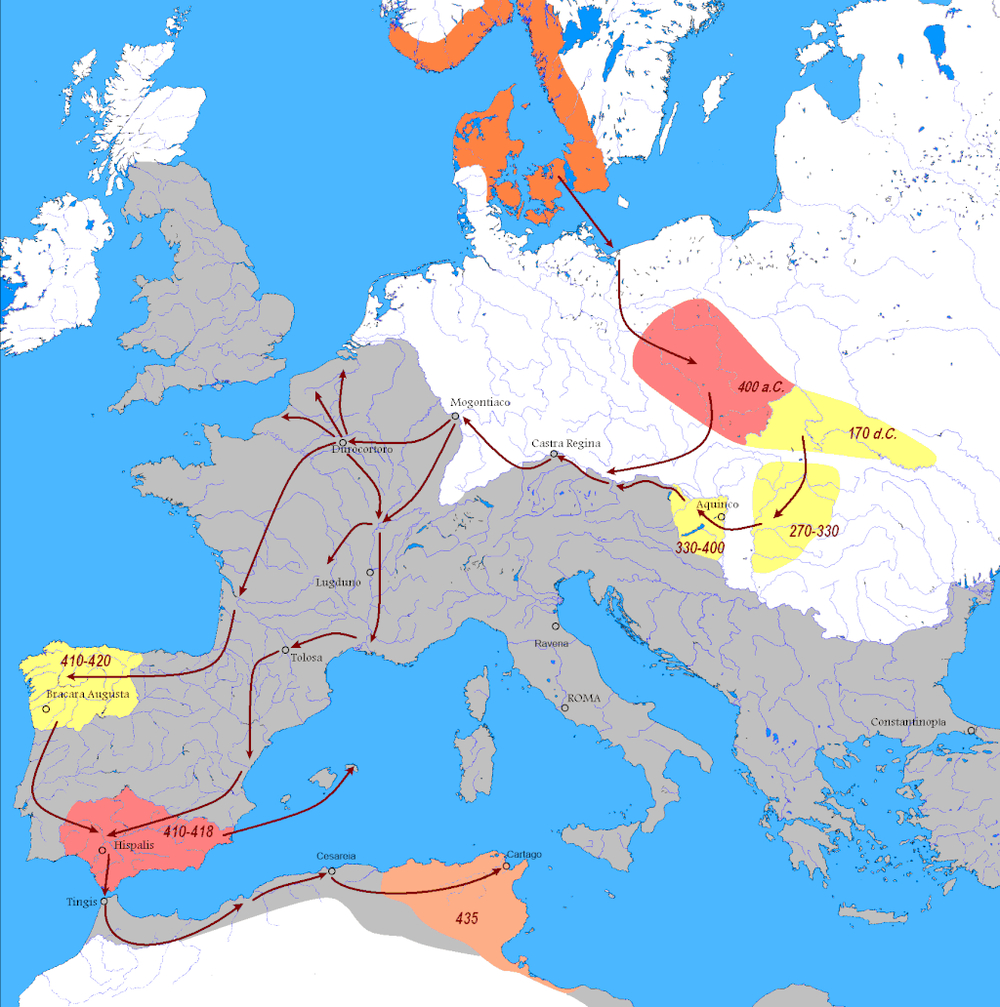
The occupation of Malta by the Vandals marked a notable point in the island's history. The Vandals, a notable East Germanic tribe known for their incursions into Roman territories, had been expanding their reach across the Mediterranean. By this time, their kingdom in North Africa had already been established, with Carthage serving as their power center.
Malta, strategically located in the central Mediterranean Sea, became a target for Vandal expansion due to its valuable position and resources. The small island, part of the Eastern Roman Empire, was not equipped with sufficient defenses to repel the advanced Vandal forces. The Vandals, using their naval capabilities, swiftly overpowered the island's defenses and brought Malta under their control.
Upon occupation, the Vandals imposed their authority over local governance and customs. The existing Roman administrative systems were adapted to fit Vandal needs, and the island’s economic resources, including agricultural produce and trade routes, were redirected to benefit the Vandal kingdom.
This occupation had significant implications for the island's residents. The shift in power dynamics disrupted traditional local practices and created a new socio-political landscape. The Vandals, known for their Arian Christian beliefs, influenced religious practices on the island, which was predominantly Catholic under the Roman occupation. The imposition of Arianism altered the religious structure and introduced new tensions among the population.
Economically, while the Vandals exploited Malta’s resources, they also integrated the island into their broader trade network, bringing both challenges and opportunities for the local inhabitants. Some segments of the population managed to adapt and thrive under the new order, while others suffered under the pressures of foreign rule.
The Vandal occupation of Malta did not last indefinitely, but it left an indelible mark on the island’s historical trajectory. It signified a period of domination by a group outside the traditional Roman sphere, offering a glimpse into the broader geo-political shifts occurring in the Mediterranean world during this time.
#MoofLife #MaltaHistory #Vandals #Mediterranean #PowerShift #Arianism #RomanEmpire
View details