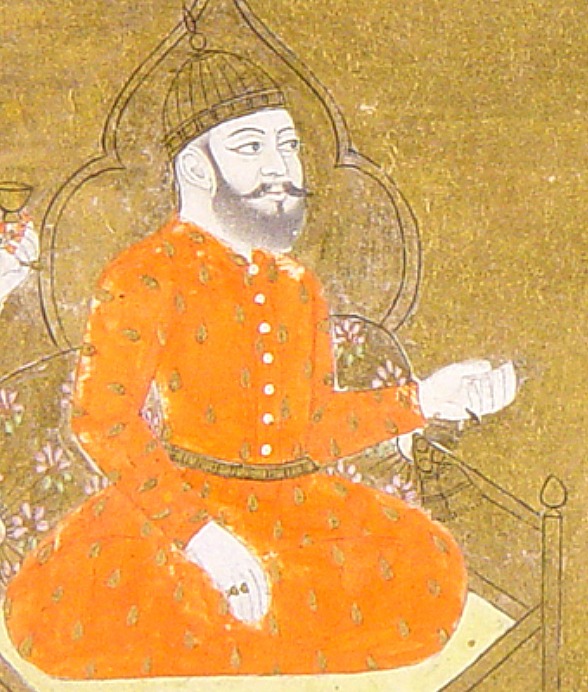
Mohammad bin Tughlaq's Coronation in Delhi
Political
4 min read
Updated By: History Editorial Network (HEN)
Published:
In the grand city of Delhi, the Coronation of Mohammad bin Tughlaq unfolded, marking a pivotal moment in the history of the Delhi Sultanate. Mohammad ascended to the throne following the reign of his father, Ghiyas ud-Din Tughlaq. His rule was characterized by ambitious reforms and significant administrative changes.
Known for his intelligence and passion for knowledge, Mohammad bin Tughlaq was a scholar and a visionary. He possessed a keen interest in various branches of knowledge, such as logic, philosophy, and the sciences. This intellectual inclination influenced his approach to governance, leading to innovative policies that aimed to improve the efficiency of the administration.
One of Mohammad's most notable reforms was the introduction of token currency in the empire. This ambitious monetary experiment aimed to resolve economic issues but faced significant challenges and ultimately led to widespread confusion and economic instability among the populace. Despite his good intentions, this decision had far-reaching consequences for the empire's economy.
Furthermore, Mohammad bin Tughlaq's ambitious military campaigns and administrative policies strained the resources of the empire. His attempts to expand the territorial boundaries of the Delhi Sultanate were met with mixed results, leading to both successes and failures on the battlefield.
The Coronation of Mohammad bin Tughlaq marked the beginning of a complex and eventful reign that left a lasting impact on the Delhi Sultanate. His rule was characterized by a combination of intellectual curiosity, administrative reforms, military campaigns, and economic experiments. While his reign was marked by challenges and controversies, Mohammad bin Tughlaq's legacy endures as a significant chapter in the history of medieval India.
#MohammadbinTughlaq #DelhiSultanate #MedievalIndia #HistoricalReforms

Explore the Life Moments of
 AI Twin