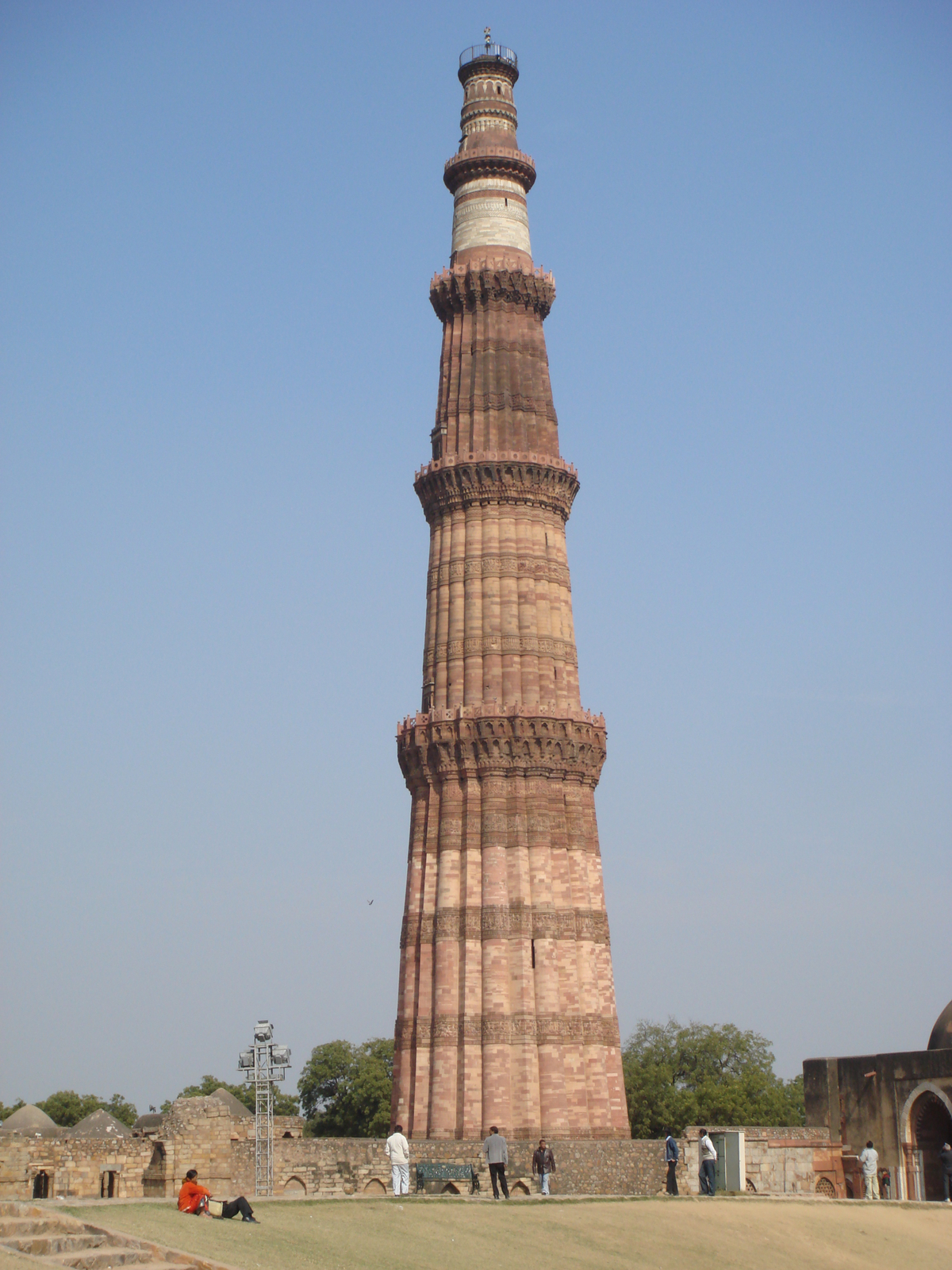
Qutub Minar: Tall Tower Monument in Delhi

Architecture
3 min read
Updated By: History Editorial Network (HEN)
Published:
During the medieval period, in the city of Delhi, the construction of the iconic Qutub Minar began. Built by Qutb-ud-din Aibak, the first ruler of the Delhi Sultanate, this masterpiece is known for its intricately carved sandstone walls and towering height of over 240 feet.
Qutub Minar's construction symbolizes the beginning of the Muslim rule in India and the establishment of a new architectural style blending Islamic and Indian elements. It served as a commemoration of victory, with inscriptions in Arabic paying tribute to the triumph of Aibak over Hindu rulers. The tower also acted as a minaret to the Quwwat-ul-Islam Mosque, calling the faithful to prayer.
This architectural marvel faced challenges during its construction, with various rulers adding their touches over the centuries. Subsequent earthquakes damaged the structure, leading to repairs and alterations under different dynasties. Despite these adversities, Qutub Minar stands as a testament to the skill and craftsmanship of the artisans who brought it to life.
Today, Qutub Minar is a UNESCO World Heritage Site, drawing visitors from around the globe to marvel at its beauty and historical significance. It stands as a reminder of India's rich cultural heritage and the architectural feats accomplished during the medieval era.
#QutubMinar #DelhiHistory #MedievalArchitecture

Explore the Life Moments of
 AI Twin