Delhi Sultanate's Genesis after Chahamana Rajputs' Defeat

Political
4 min read
Updated By: History Editorial Network (HEN)
Published:
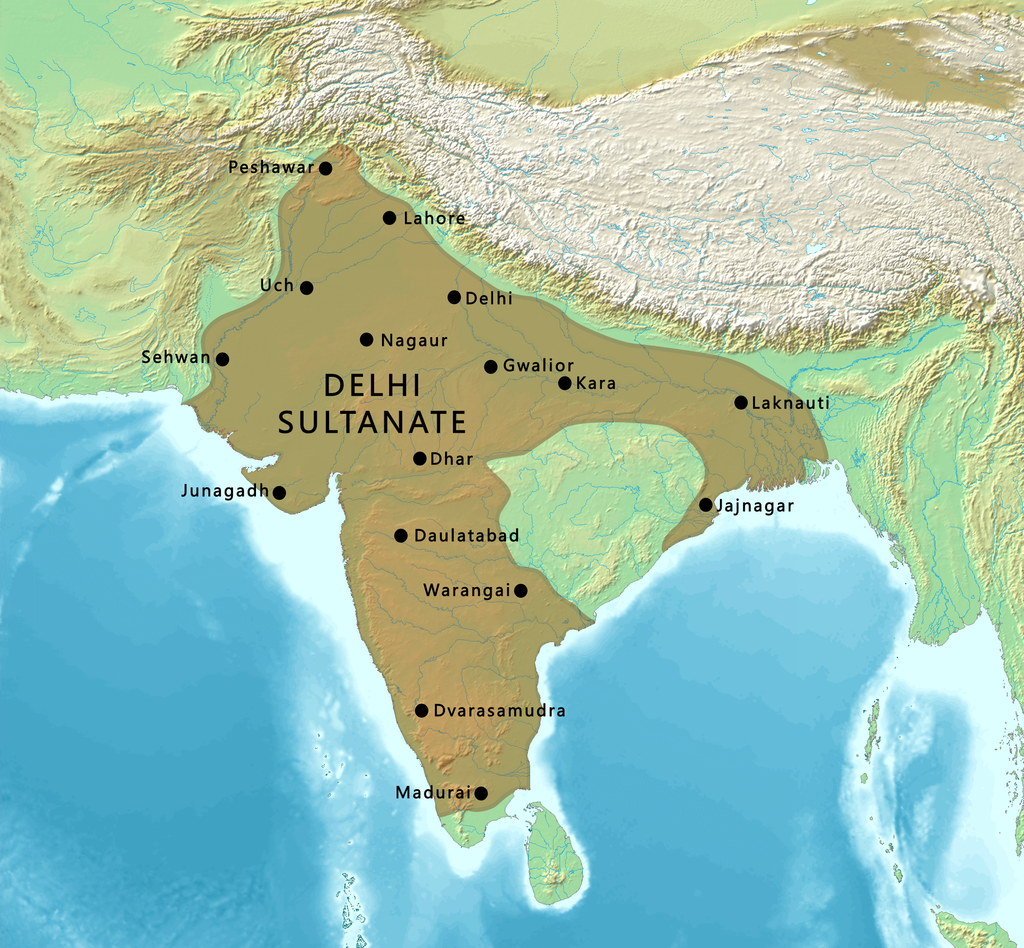
In June 1206, Qutb-ud-din Aibak established the Delhi Sultanate after defeating the Chahamana Rajputs. The Chahamanas, also known as the Chauhans, ruled over the region for centuries before facing defeat at the hands of Aibak. With this pivotal event, Aibak laid the foundation for one of the most influential Islamic empires in the Indian subcontinent.
The establishment of the Delhi Sultanate signaled a significant shift in power dynamics in northern India. Aibak, a former slave of Muhammad of Ghor, ascended to power and became the first Sultan of Delhi, marking the beginning of the Slave Dynasty. His rule ushered in a new era of Islamic governance in the region, with Delhi emerging as a central hub for political and cultural activities.
Under the Delhi Sultanate, a series of military campaigns were launched to expand the empire's territorial reach. Aibak's successors continued to consolidate and expand the Sultanate, marking their authority through the construction of monumental structures like the Qutub Minar in Delhi. The Sultanate's influence extended across northern India, leaving a lasting impact on the region's history and culture.
The defeat of the Chahamana Rajputs by Aibak was a turning point that paved the way for the dominance of Islamic rulers in northern India for centuries to come. The Delhi Sultanate became a melting pot of diverse cultures, languages, and traditions, shaping the socio-political landscape of the region.
Today, the legacy of the Delhi Sultanate endures in India's rich tapestry of history. The establishment of the Sultanate by Qutb-ud-din Aibak after the defeat of the Chahamana Rajputs remains a crucial chapter in the annals of Indian history.
#DelhiSultanate #QutbUdDinAibak #ChahamanaRajputs #IslamicEmpire #IndianHistory

Explore the Life Moments of
 AI Twin