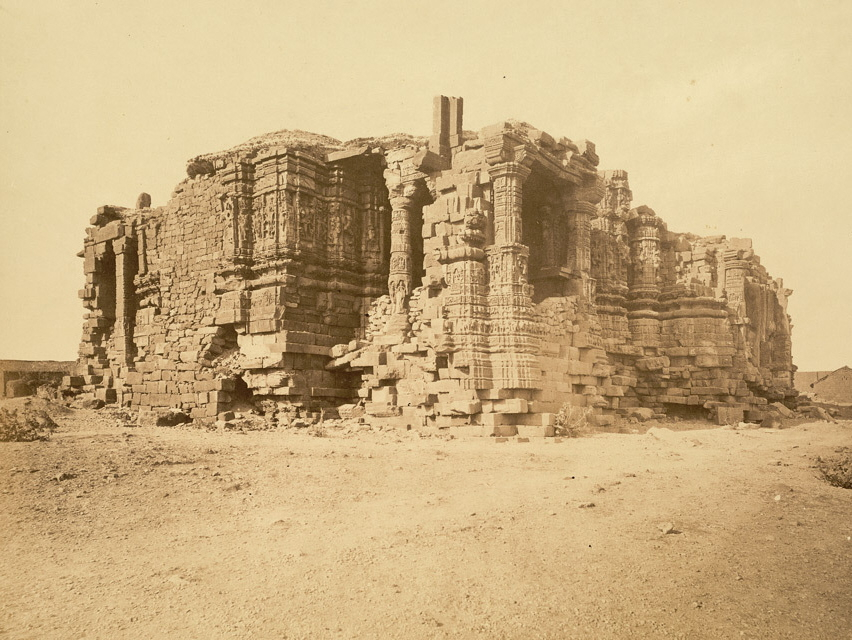
Raids on Somnath Temple
CulturalHeritage
4 min read
Updated By: History Editorial Network (HEN)
Published:
Mahmud of Ghazni, a powerful ruler from Afghanistan, conducted a series of ruthless raids on the revered Somnath temple in India. The temple, located in the present-day state of Gujarat, was known for its immense wealth and treasures accumulated over centuries.
Mahmud's repeated invasions of the temple were driven by his desire for plunder and riches. The raids were brutal, resulting in widespread destruction of the temple complex and the looting of its treasures. The riches taken by Mahmud included gold, silver, precious stones, and other valuable artifacts that had been offered by devotees over generations.
The raids on the Somnath temple not only led to the loss of valuable treasures but also had a significant impact on the local population. The plundering of the temple's wealth caused economic hardship for the region and left a deep sense of devastation among the devotees who held the temple in high reverence.
Despite facing resistance from local rulers and communities, Mahmud of Ghazni's military prowess and ruthlessness enabled him to successfully carry out multiple raids on the Somnath temple. His actions left a lasting mark on the history of India and the Somnath temple, symbolizing the religious and cultural conflicts of the time.
The raids conducted by Mahmud of Ghazni on the Somnath temple serve as a reminder of the tumultuous history of India, highlighting the impact of foreign invasions on the country's rich cultural heritage and religious institutions. The event underscores the challenges faced by ancient Indian temples and the resilience of the people in preserving their traditions and heritage despite such adversities.
#MahmudOfGhazni #SomnathTemple #Plunder #CulturalHeritage #ForeignInvasion #Devastation #Resilience
Primary Reference
Mahmud of Ghazni - Wikipedia

Explore the Life Moments of
 AI Twin