
El Salvador

Land of Volcanoes and Beaches
About
#ElSalvador
#CentralAmerica
#Travel
Life Classification
Country
Life ID
EL6425716962758
Verified Name
el-salvador
Life Type
Entity Life
Life Privacy
Public
Subscription
Elite
Created On
2024-08-14
Updated On
2025-12-19
Connect
Related Lives

Kuwait
Land of Tradition and Progress

Canada
The Great White North

History of Video Game Consoles
The Birth of Home Gaming
Mauritania
The Land of a Million Poets

Greece
The Cradle of Western Civilization.

Italy
The Land of Art and Romance

Prime Minister of the United Kingdom
The Head of Government

Benin
The Jewel of West African Culture.

2025
El Salvador and the United States have reached an agreement concerning the incarceration of certain deported migrants in Salvadoran prisons, reflecting closer cooperation on migration and security policies. The arrangement is linked to U.S. efforts to manage irregular migration and enforce immigration laws, particularly in cases involving individuals with criminal records. Under the agreement, El Salvador has agreed to detain deported individuals upon their return, using its existing prison system. This development comes in the context of El Salvador’s expanded domestic security measures and its government’s emphasis on strict law enforcement to address crime and public order.
The agreement carries significant legal, humanitarian, and political implications. Supporters argue that it strengthens bilateral cooperation, supports immigration enforcement, and contributes to regional security by ensuring that deported individuals are monitored by authorities. Critics, however, raise concerns about due process, detention conditions, and the broader human rights impact, given international scrutiny of prison conditions in El Salvador. The arrangement has also drawn attention from human rights organizations and policymakers, who emphasize the need for transparency and compliance with international standards. Overall, the agreement highlights the complex challenges of migration management, balancing national security priorities with legal protections and humanitarian considerations in cross-border policy cooperation.
View details2024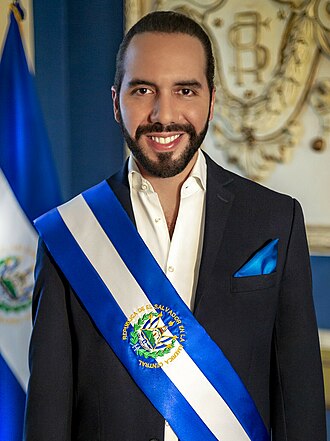
Nayib Bukele, the sitting president of El Salvador, secured a resounding victory in the Salvadoran general election with more than 80% of the vote. This outcome reflected widespread support for his administration. Bukele, who first assumed office in 2019, has been a polarizing figure, achieving notable economic reforms and launching an aggressive crackdown on gang violence. His administration has been characterized by a focus on modernization and digital currency experimentation, with El Salvador becoming the first country to adopt Bitcoin as legal tender.
The election results underscore the significant backing from the Salvadoran populace, suggesting approval of Bukele's policies and governance style. However, his tenure has also faced criticism from international bodies and human rights organizations over allegations of authoritarianism, suppression of political dissent, and concerns about press freedom.
Statistically speaking, turnout in this election was higher than in previous years, indicating a mobilized and engaged electorate. Bukele's Nuevas Ideas party continues to dominate the legislative assembly, giving him the leverage to implement his policy agenda with relatively little opposition.
The election's implications for El Salvador's political landscape are considerable. With a strong mandate, Bukele has the capacity to push forward with his ambitious plans for economic development and security measures. Nonetheless, the international community will be closely monitoring his administration's adherence to democratic norms and human rights standards.
#NayibBukele #ElSalvadorElections #Governance #DigitalCurrency #MoofLife
View details2022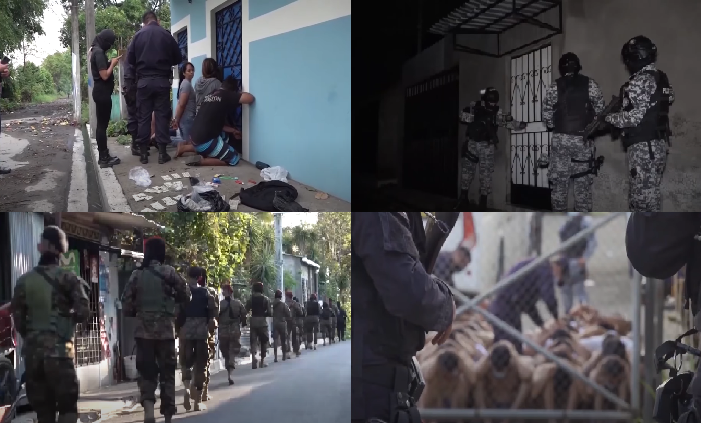
In response to an escalation in criminal activities and gang-related violence, the Salvadoran government launched a large-scale campaign against these criminal elements. This initiative was part of an aggressive strategy to restore public order and security. A critical move in this campaign involved declaring a state of emergency, a measure aimed at empowering the authorities with the necessary tools to curb the widespread violence and unlawful activities orchestrated by these gangs.
Criminal organizations, notably the MS-13 and Barrio 18, had established a stronghold over various communities, engaging extensively in extortion, drug trafficking, and violent confrontations. The government's crackdown included mass arrests, increased police and military presence, and strengthened surveillance measures across the country. This resulted in the detentions of thousands of suspected gang members, targeting their leadership and operations significantly.
While the government's actions were seen as pivotal to reclaiming control and ensuring public safety, they also sparked a complex debate over civil liberties. Critics argued that the declared state of emergency had led to human rights concerns, raising issues of due process and the potential for abuse by law enforcement. Reports surfaced about overcrowded prison conditions and unjust detentions, warranting further scrutiny and international attention.
Notably, statistics show that gang violence had been responsible for a substantial percentage of the country's homicides and other violent crimes. The intervention aimed at reducing this alarming trend brought a mix of hope and fear within the populace, dividing opinions on its efficacy and ethics.
The widespread crackdown was part of a broader strategy to dismantle the structural integrity of these gangs and to restore a sense of normalcy and safety in Salvadoran society. The focus remained on balancing assertive law enforcement with the need to uphold fundamental human rights, a dichotomy that continued to shape the discourse around this substantial governmental action.
Relevant hashtags capturing the essence of the event include #ElSalvador #PublicSafety #Crackdown #GangViolence #LawAndOrder #CivilLiberties #MoofLife.
View details2021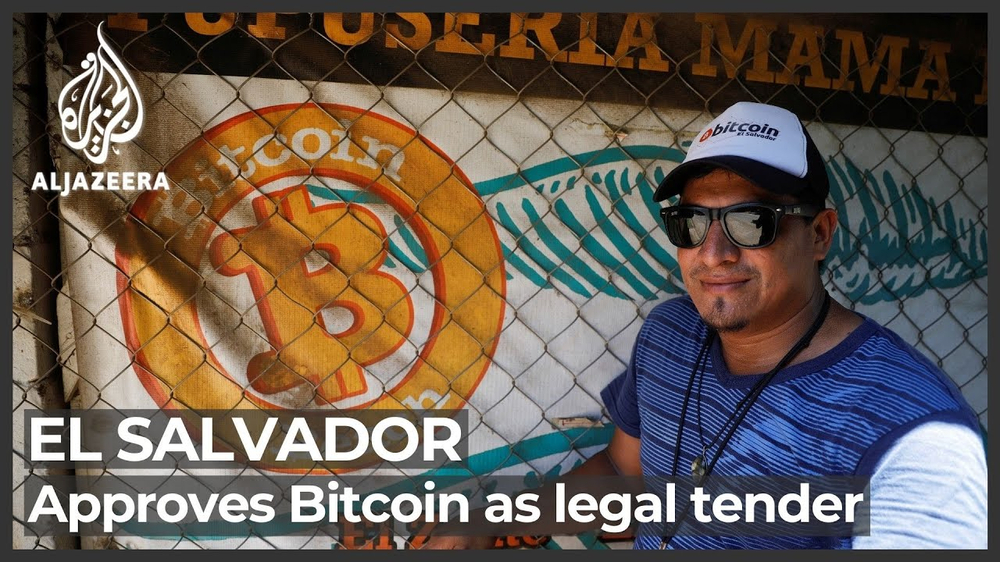
On June 5, 2021, El Salvador made headlines around the world when its President, Nayib Bukele, announced plans to adopt Bitcoin as legal tender. This groundbreaking decision, which was officially passed into law just a few days later on June 9, 2021, positioned El Salvador as the first country in the world to recognize a cryptocurrency as an official currency alongside the U.S. dollar. This bold move, spearheaded by Bukele, aimed to transform El Salvador's economy, enhance financial inclusion, and reduce the costs of remittances, which are a vital lifeline for many Salvadorans.
Background and Motivations
El Salvador's decision to adopt Bitcoin as legal tender was driven by several factors, primarily economic and social. The country has long struggled with high levels of poverty, limited access to financial services, and dependence on remittances from Salvadorans living abroad. Remittances constitute about 20% of El Salvador's GDP, with millions of Salvadorans relying on these funds to support their families.
However, traditional remittance channels, such as banks and money transfer services, often come with high fees and delays. By adopting Bitcoin, Bukele hoped to lower these costs and speed up the transfer process, allowing Salvadorans to receive more of the money sent to them. Additionally, the move was intended to boost financial inclusion in a country where about 70% of the population did not have access to traditional banking services.
Bukele also saw Bitcoin as a way to attract foreign investment, stimulate economic growth, and modernize the country's financial infrastructure. The decision was presented as part of a broader vision to turn El Salvador into a global hub for cryptocurrency innovation.
The Legislative Process
Following Bukele's announcement on June 5, 2021, the proposal to adopt Bitcoin as legal tender was rapidly pushed through the Legislative Assembly of El Salvador, where Bukele's party, Nuevas Ideas, held a strong majority. On June 9, 2021, the "Bitcoin Law" was passed by the assembly with 62 out of 84 votes in favor.
The law established that Bitcoin would become legal tender in El Salvador, meaning that businesses and individuals would be required to accept it as payment for goods and services, just as they would the U.S. dollar. The law also outlined the creation of a government-backed digital wallet called "Chivo," which would be provided to all Salvadorans. The Chivo wallet would allow users to send and receive payments in Bitcoin or U.S. dollars and would come preloaded with a $30 incentive to encourage adoption.
Implementation and Challenges
The implementation of Bitcoin as legal tender officially began on September 7, 2021, when the law took effect. On this day, El Salvador became the first country in the world to accept Bitcoin as an official currency.
However, the rollout was not without challenges. Technical issues plagued the Chivo wallet on its launch day, causing delays and frustration among users. Additionally, there was significant skepticism and resistance among the Salvadoran population, with many expressing concerns about the volatility of Bitcoin and the potential risks associated with its adoption. Protests were held in the capital, San Salvador, by citizens and activists who opposed the law, fearing it could destabilize the economy and disproportionately affect the poor.
Internationally, the move was met with mixed reactions. While some in the cryptocurrency community hailed it as a historic moment for Bitcoin and a step towards broader adoption of digital currencies, others, including institutions like the International Monetary Fund (IMF) and the World Bank, raised concerns about the potential economic risks and the lack of regulatory oversight.
Impact and Legacy
The long-term impact of El Salvador's Bitcoin experiment remains to be fully seen. In the short term, the adoption of Bitcoin has brought significant attention to El Salvador, both positive and negative. The government has touted the success of the initiative, pointing to increased financial inclusion and the potential for economic growth. However, the volatility of Bitcoin has also raised concerns about its suitability as a stable currency.
El Salvador's bold move has inspired discussions about the future of money and the role of cryptocurrencies in the global financial system. It has also prompted other countries to consider the potential benefits and risks of adopting digital currencies.
As El Salvador continues to navigate the challenges of integrating Bitcoin into its economy, the world watches closely. The experiment in this small Central American nation could have far-reaching implications for the future of cryptocurrencies and their role in the global economy.
#MomentsOfLife #MoofLife_Moment #MoofLife #Bitcoin #ElSalvador #Cryptocurrency #FinancialInnovation #Bukele
View details2017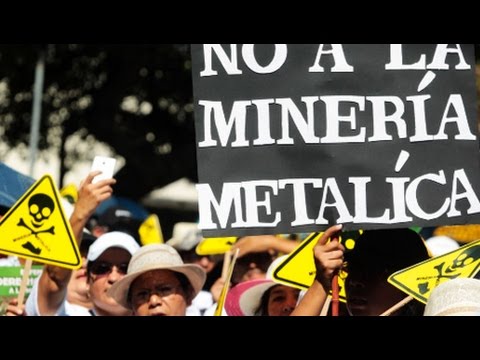
El Salvador's legislature passed a historic law prohibiting all forms of metal mining. This milestone was the culmination of years of advocacy against mining activities that posed significant threats to the environment and public health. El Salvador's decision, largely influenced by the environmental, social, and economic ramifications of mining, reflects the country's prioritization of sustainable development.
Mining in El Salvador had long been associated with negative environmental impacts such as water contamination and deforestation. Activists and communities had raised concerns over cyanide and other toxic chemicals used in the metal extraction process, which posed risks to local water sources. El Salvador, a densely populated nation with limited clean water resources, faced heightened vulnerability to these environmental issues.
Reports indicated that proposed mining projects, particularly those by foreign corporations, had the potential to degrade vital ecosystems and cause irreversible damage. One example involved the Pacific Rim Mining Corporation, later acquired by OceanaGold, which sought to develop an extensive mining operation. Local opposition to these projects highlighted the potential displacement of communities and long-term ecological harm.
The legislation banning metal mining received substantial support across various sectors of the Salvadoran society. Civic groups, environmental organizations, and even religious communities collectively participated in creating awareness and generating the political will to adopt the ban. The national consensus recognized that the projected economic benefits of mining activities did not outweigh the environmental costs and health risks.
El Salvador's government cited international examples of mining impacts and drew upon global environmental standards to justify the enactment of this law. The nation's ban on metal mining positioned itself as a pioneer in the fight against environmentally detrimental extraction industries.
The impact of the ban on El Salvador's economy and society is multifaceted. While it potentially constrained specific economic opportunities, it also underscored the importance of protecting natural resources and public health. The decision has been lauded by environmentalists and policy-makers globally as a progressive step towards sustainable practices.
This watershed decision underscored the potential for small nations to lead in environmental stewardship and offered a model for others facing similar ecological threats.
#MoofLife #ElSalvador #EnvironmentalProtection #SustainableDevelopment #WaterSecurity #PublicHealth #MiningBan
View details2012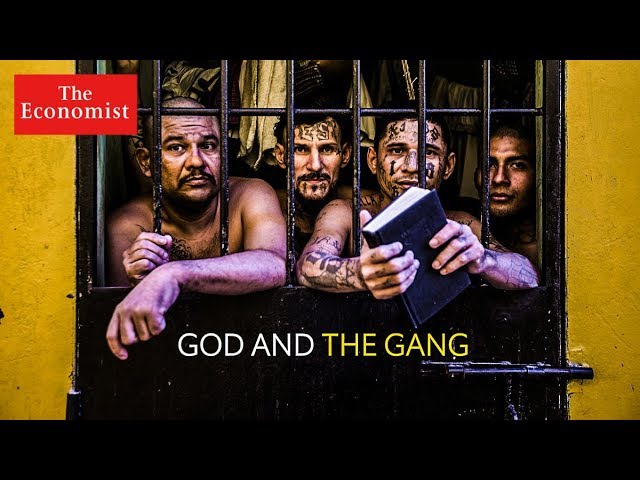
El Salvador faced an ongoing struggle with gang violence, primarily attributed to the Mara Salvatrucha (MS-13) and Barrio 18 gangs. For decades, these gangs contributed to a high homicide rate that plagued the Central American nation. A significant development occurred when the Catholic Church, alongside the government, mediated a truce between these rival gangs. The truce aimed to curb violence and restore a measure of peace within communities severely affected by gang activities.
The agreement was facilitated primarily by Bishop Fabio Colindres, representing the Catholic Church, and included the support of the Salvadoran government. This initiative was driven by the urgent need to address the violence that had entrenched itself in many urban and rural areas. Notably, this truce led to a substantial decrease in homicides. Within the first few months, the daily murder rate fell from approximately 14 to 5.
The success of this truce was measured by the tangible reduction in the rate of violent deaths. Government statistics indicated that nearly 4,000 lives were potentially saved as a result of this agreement. Beyond the immediate reduction in violence, the truce also facilitated discussions between gang leaders and state authorities, fostering a dialogue that had previously been nonexistent. This period marked a temporary but significant pause in the rampant gang violence that had gripped the country.
While the truce initially showed promise in reducing violent crime, challenges emerged. Questions about the sustainability of peace and the long-term disarmament and rehabilitation of gang members remained. Critics noted that the agreement's reliance on ongoing dialogue and good faith among all parties posed inherent risks. Additionally, there were concerns about the truce's legitimacy and the potential for it to empower gang leaders.
Despite these challenges, this truce stands as a notable example of a non-violent approach to conflict resolution in a region beset by crime and instability. The role of the Catholic Church highlighted the power of religious and community leaders in mediating peace initiatives.
#ElSalvador #GangViolence #CatholicChurchMediation #PeaceInitiative #ViolenceReduction #MoofLife
View details2009
In the presidential elections, FMLN candidate Mauricio Funes, a former journalist, secured the presidency. This marked the first victory of a leftist political party in El Salvador’s history. Funes' win symbolized a significant shift in the nation's political landscape, ending decades of right-wing dominance.
The Farabundo Martí National Liberation Front (FMLN) originated from a coalition of leftist guerrilla groups during the Salvadoran Civil War. After the peace accords, the FMLN transitioned into a political party, continually gaining ground in national politics. Funes, with his background in journalism and communication, was seen as a departure from the traditional revolutionary image of FMLN leaders, appealing to a broader segment of the electorate.
His campaign focused on addressing economic inequality, corruption, and improving social services. The electorate's support was driven by a desire for change, reflecting widespread dissatisfaction with previous administrations. Funes received approximately 51.3% of the popular vote, defeating the candidate from the ARENA party, which had held power for the preceding two decades. This election saw high voter turnout, an indication of the population’s engagement and desire for reform.
Funes’ presidency aimed to implement policies focused on social equity and poverty reduction. One of his major initiatives was expanding social programs, including conditional cash transfers, aiming to improve education and health outcomes for the poorest segments of society. His administration also renegotiated foreign debts and sought international assistance to bolster economic development.
The long-term impacts of Funes’ presidency were mixed. While his administration made strides in social policies and attempted to tackle deep-rooted corruption, challenges such as gang violence and economic instability remained significant issues. Furthermore, his tenure laid the groundwork for future administrations, significantly influencing the political dialogue in El Salvador.
Mauricio Funes' victory represented a pivotal change, demonstrating the possibility of a peaceful transition of power from right-wing to leftist governance, and reflecting a broader regional trend of leftist electoral successes in Latin America.
#FMLNVictory #ElSalvadorPolitics #MauricioFunes #LeftistShift #ElectoralChange #MoofLife
View details2004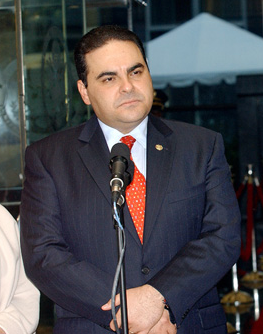
During the presidential elections, the right-wing Nationalist Republican Alliance (ARENA) secured a notable victory with Antonio Saca as their candidate, marking the party's third consecutive presidential term. This win signified a continuation of ARENA's influence in El Salvador, reinforcing the party's political strategies and ideals.
Antonio Saca, a former sports journalist and businessman, garnered 57.7% of the popular vote, demonstrating widespread support across various demographics. His background in media and business resonated with many Salvadorans who saw him as a capable leader to drive economic progress and maintain stability.
The elections underscored the fragmentation within the opposition, primarily represented by the left-wing Farabundo Martí National Liberation Front (FMLN), whose candidate, Schafik Handal, received only 35.7% of the vote. The significant gap between the two candidates highlighted ARENA's robust organizational structure and effective voter outreach efforts.
Saca's administration was expected to focus on continuing economic reforms, combating crime, and strengthening ties with the United States, particularly under the framework of the Central America Free Trade Agreement (CAFTA). These elements were central to ARENA's platform, appealing to voters who prioritized economic growth and security.
The impact of Saca's victory extended beyond domestic politics, influencing El Salvador's position in regional and international spheres. By cementing another term in office, ARENA's policies and priorities remained influential, reflecting the party's vision for El Salvador's development and governance.
#ElSalvador #Politics #ARENA #Elections #AntonioSaca #EconomicGrowth #Stability #RegionalInfluence #MoofLife
View details2001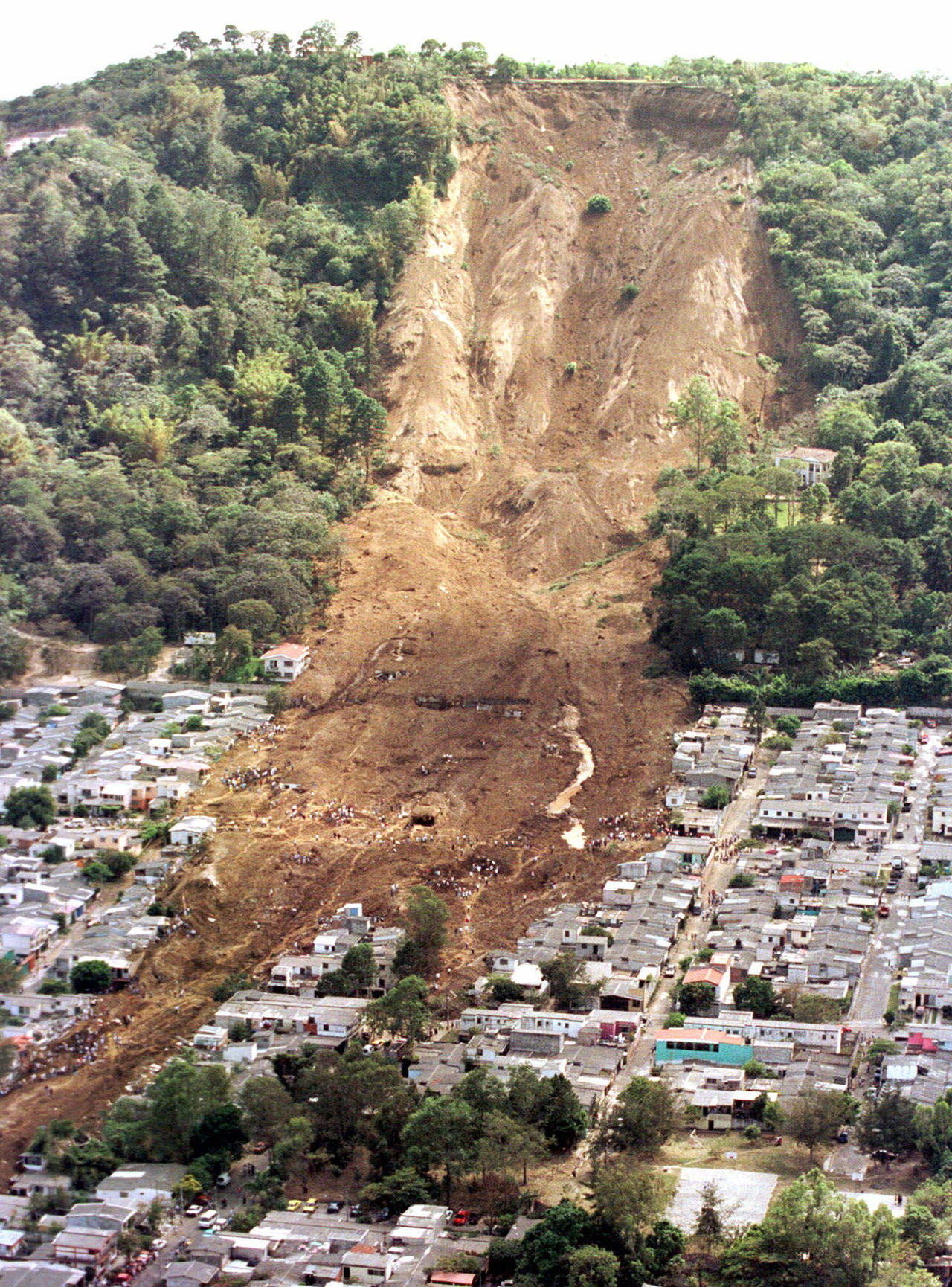
An earthquake struck El Salvador, causing widespread devastation and loss of lives. The country, located in a seismically active region, has historically been vulnerable to earthquakes. The event resulted in severe infrastructural damage, with many buildings, homes, and roads collapsing. Whole communities were flattened, particularly in the rural areas which suffered the most due to poorly constructed housing and inadequate building codes.
Numerous lives were lost, and the death toll exceeded 800 people. The earthquake also displaced thousands, leading to a humanitarian crisis. Many survivors were left without shelter, food, and clean water. The response from local authorities, international aid organizations, and neighboring countries was swift, but the scale of the disaster posed significant logistical challenges.
Landslides triggered by the earthquake added to the destruction, further burying homes and making rescue operations difficult. The most affected areas experienced total devastation, with infrastructure being reduced to rubble. Schools, hospitals, and other critical facilities were not spared, exacerbating the impact on the population.
Rescue efforts were complicated by the aftershocks that continued to shake the region, causing additional structural damages and posing ongoing risks to both survivors and rescuers. Emergency shelters were set up, but they were quickly overwhelmed by the number of displaced individuals seeking refuge.
This earthquake highlighted the urgent need for better disaster preparedness and infrastructure planning in earthquake-prone regions. The international support played a crucial role in providing immediate relief and in the long-term reconstruction process. Subsequent rebuilding efforts focused on developing more resilient structures to withstand future earthquakes.
Despite the challenges, the resilience of the Salvadoran people became evident as they began the long process of recovery and rebuilding their communities. This period underscored the importance of solidarity, both locally and globally, in the face of natural disasters.
#ElSalvadorEarthquake #DisasterRelief #HumanitarianCrisis #EarthquakeResilience #CommunityRecovery #SeismicActivity #RescueEfforts #InternationalAid #MoofLife
View detailsIn a pivotal economic overhaul, El Salvador made a landmark decision to adopt the US dollar as its official currency. This move was primarily aimed at stabilizing the nation's economy, enhancing trade, and fostering investor confidence. Prior to this, El Salvador had been using the colon, a currency that had faced significant inflationary pressures and had persistently suffered from instability in the global market.
The decision to dollarize the economy was met with mixed reactions from different sectors of society. While government officials championed the move as a means to curb inflation, promote fiscal transparency, and facilitate access to international financial markets, critics voiced concerns over the loss of monetary sovereignty. They argued that this could lead to a diminished capacity to respond to economic crises internally, as the government would no longer possess control over its own currency.
From an economic perspective, dollarization had immediate implications. The financial sector experienced increased stability, as the risks associated with currency devaluation were eliminated. Investment flows saw a boost, as international investors gained confidence in the country's economic environment due to the reliability and stability of the US dollar. Furthermore, trade relations, especially with the United States, were streamlined, given the elimination of foreign exchange fluctuations.
On the societal front, the transition had varied impacts. Consumers benefited from lower inflation rates and improved purchasing power. However, some local businesses and individuals found the change challenging, as price adjustments and new financial habits needed to be adopted. Additionally, there was a cultural shift, as the colon, which had been in use for over a century, was phased out, marking the end of an era for Salvadorans.
The macroeconomic data post-dollarization indicated mixed results. While inflation rates saw a notable reduction, averaging a stable rate in the years that followed, economic growth rates exhibited variability, reflecting the complexities of integrating dollarization in a developing country's economy.
In summary, El Salvador’s adoption of the US dollar signaled a major reconfiguration in its economic strategy. While it brought stability and boosted investor confidence, it also introduced challenges related to economic autonomy and societal adjustment. The legacy of this transformation continues to unfold.
#ElSalvador #Dollarization #EconomicTransformation #CurrencyChange #MoofLife
View details
1999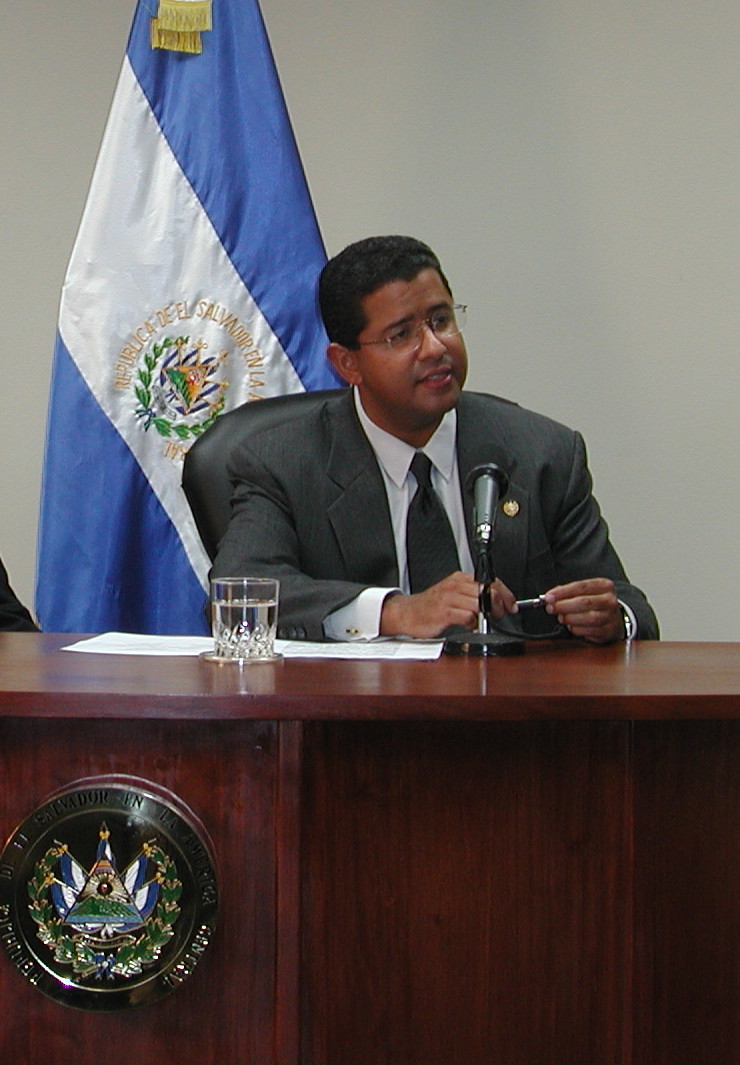
ARENA again won the presidency in the election of March 7, 1999, with its candidate Francisco Flores Pérez.
Francisco Flores Pérez, a member of the Nationalist Republican Alliance (ARENA), secured victory in a key presidential election in El Salvador. This election came at a significant period of El Salvador’s political evolution, following the end of a devastating twelve-year civil war that had concluded with the signing of peace accords in 1992. The electoral victory represented a continuity of ARENA's hold on the presidency, marking their fourth consecutive presidential win since 1989.
ARENA’s win with Flores Pérez was underscored by a campaign centered around economic growth, political stability, and the promise of further democratic consolidation. The party's candidate, Flores Pérez, a Harvard-educated politician, emphasized neoliberal economic policies, seeking to build on the market-oriented reforms initiated by his predecessors.
The political context of this victory is pivotal. With strong backing from the business sector and a significant portion of the urban middle class, ARENA's electoral strategies proved effective. Francisco Flores Pérez received approximately 52% of the vote, surpassing the main opposition candidate, Facundo Guardado from the leftist Farabundo Martí National Liberation Front (FMLN), who claimed around 29% of the vote. Voter turnout was reported at about 41%, reflecting both the engagement and the disillusionment of the electorate in a transitioning democracy.
The impact of this election on El Salvador was multifaceted. Economically, it set the stage for further privatization and efforts to integrate the Salvadoran economy more deeply with global markets. Politically, it reaffirmed ARENA’s dominance and underscored the ongoing struggle for influence between right-leaning and left-leaning factions. Socially, promises of stability and growth were juxtaposed against the realities of socioeconomic disparities and the challenges of combating crime and poverty.
Flores Pérez's presidency later faced numerous challenges, including those arising from natural disasters and economic pressures, but the initial election symbolized a critical junction for a nation striving for peace and prosperity.
#ElSalvadorElections #FranciscoFloresPérez #ARENA #PoliticalTransition #EconomicReforms #PostWarEra #DemocracyInAction #MoofLife
View details1994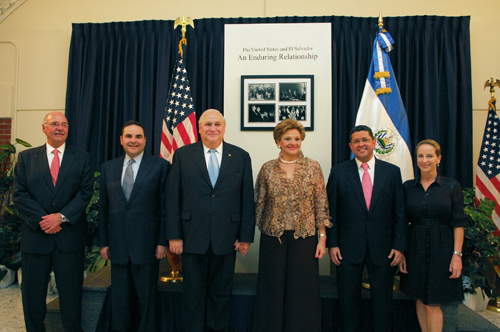
Armando Calderón Sol, representing the right-wing Nationalist Republican Alliance (ARENA), became the president of El Salvador after securing a significant victory in the nation's presidential election. The electoral process marked a pivotal juncture in the country's political landscape, following a devastating twelve-year civil war that had ended recently with the Chapultepec Peace Accords. These accords were crucial in demobilizing armed forces and facilitating the integration of former rebels into civil life.
Calderón Sol's victory signified a continuation of ARENA's influence, which had begun under the leadership of Alfredo Cristiani, Calderón's predecessor. The results underscored the support for ARENA's neoliberal economic policies and commitment to market-oriented reforms. Calderón Sol campaigned on promises of economic stability, privatization, and foreign investment, which resonated with voters seeking stability and growth after years of conflict.
His administration faced challenges, including addressing the needs of a war-torn society and managing socio-economic disparities. Calderón Sol's tenure was marked by efforts to champion economic reforms while also grappling with lingering issues such as poverty and inequality. Statistics from this period indicate an increase in foreign investments and a moderate GDP growth rate, underpinned by policies aimed at stimulating the private sector.
Calderón Sol also inherited the responsibility of reinforcing the nation's fledgling democratic institutions and ensuring that the peace process advanced smoothly. His government oversaw the strengthening of electoral processes, judicial reforms, and the reinforcement of civil liberties.
The implications of Calderón Sol's victory were substantial. It reaffirmed ARENA's stance in El Salvador's political sphere and set the stage for future governance focused on economic modernization and democratic strengthening. However, the administration's emphasis on economic policies often drew criticism for not sufficiently addressing the social needs of the poorer segments of the population.
#ElSalvador #ARENA #PoliticalChange #EconomicPolicy #DemocraticTransition #PeaceProcess #Governance #HistoricElection #MoofLife
View details1992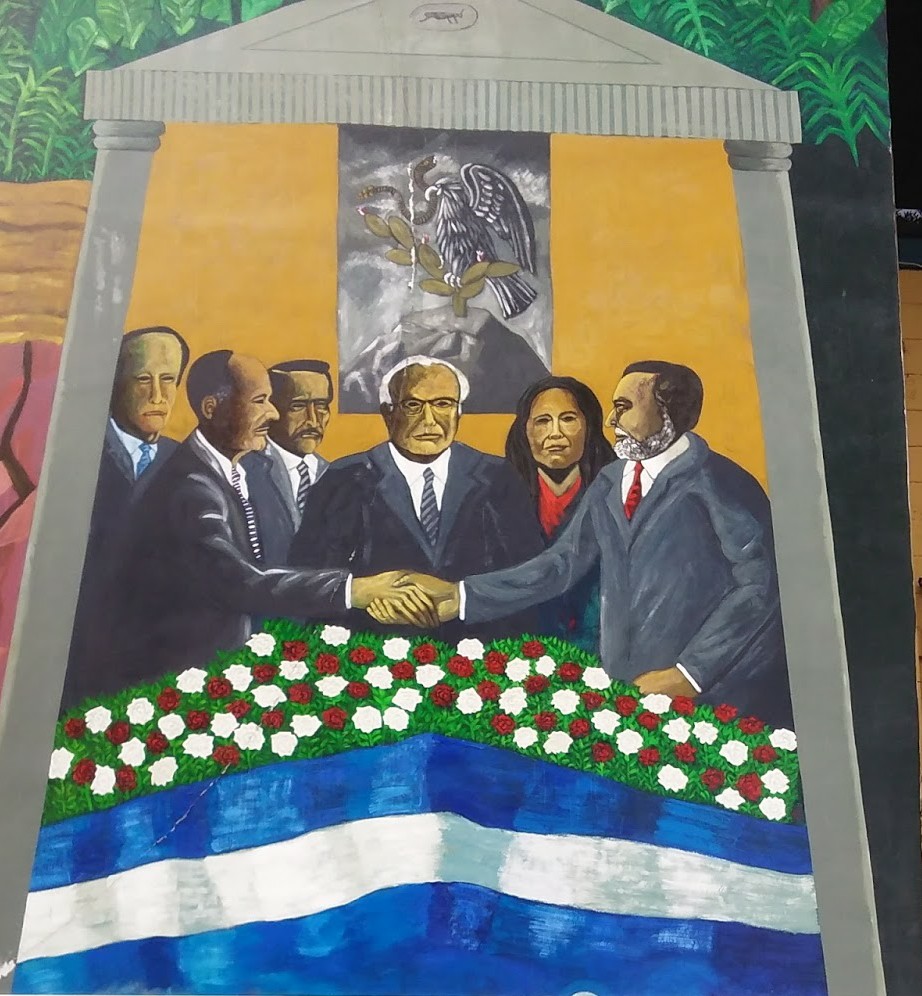
The Chapultepec Peace Accords marked the culmination of the Salvadoran Civil War, a conflict that spanned more than a decade, resulting in approximately 75,000 deaths and significant displacement of the population. The war involved the government of El Salvador and the Farabundo Martí National Liberation Front (FMLN), a coalition of left-wing guerrilla groups. This war was characterized by widespread human rights violations, drawing international attention and condemnation.
Leading up to this accord, extensive negotiations brokered by the United Nations facilitated dialogue between the warring parties. The negotiations were a response to the immense pressure from civil society groups, international organizations, and countries worldwide, all seeking an end to the hostilities that had devastated the nation.
The signing took place in Mexico City, at the historic Chapultepec Castle, symbolizing a new chapter for El Salvador. The peace agreement included provisions for a ceasefire, the demobilization of the FMLN, the reduction of the armed forces, and constitutional reforms aimed at ensuring democratic governance and human rights. The accords mandated the establishment of the Commission on the Truth for El Salvador, tasked with investigating human rights abuses committed during the conflict.
The demobilization process involved the disbanding of FMLN combat units and the reintegration of former fighters into civilian life. This process was crucial for stabilizing the country and fostering national reconciliation. The agreement also led to the restructuring of the Salvadoran armed forces, reducing their size and reorienting their focus towards a peacetime role, including disaster response and infrastructure development.
Economically, the country saw gradual improvements post-accord, with international aid and investments flowing in to support reconstruction and development efforts. Politically, the accords paved the way for the FMLN to transition into a legitimate political party, enabling them to participate in democratic elections. This transformation was a significant step towards establishing a multiparty democracy in El Salvador.
The Chapultepec Peace Accords are regarded as a cornerstone in the history of El Salvador, demonstrating the potential of negotiated settlements in resolving protracted conflicts. The success of this peace process has influenced other regions experiencing similar turmoil, highlighting the importance of international mediation and comprehensive agreements in achieving lasting peace.
#PeaceAccords #EndOfCivilWar #ElSalvadorHistory #Demobilization #ConflictResolution #MoofLife
View details1981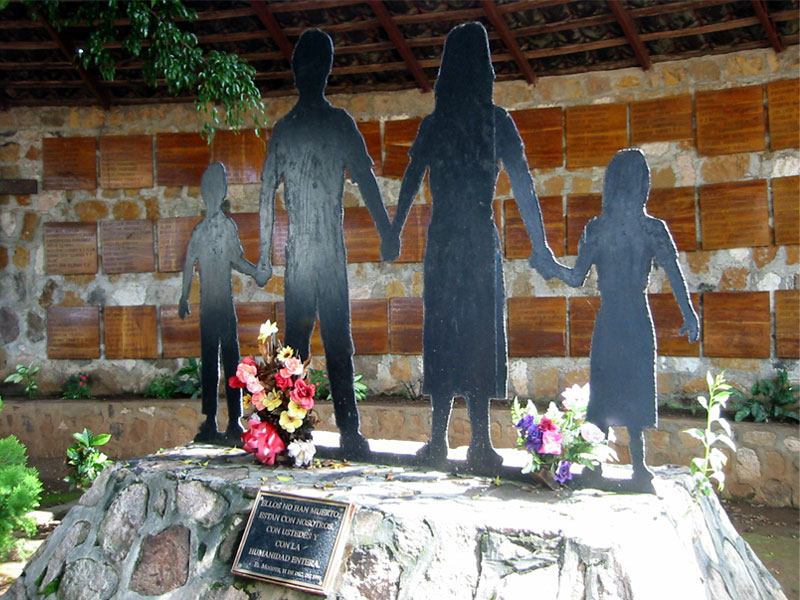
The El Mozote massacre, which took place on December 11, 1981, in the small village of El Mozote in El Salvador, stands as one of the most horrific atrocities of the Salvadoran Civil War (1980-1992). On this day, government forces systematically killed hundreds of civilians, including men, women, and children, in a brutal operation that sought to eradicate guerrilla sympathizers. The massacre, which was denied and covered up by the Salvadoran government and its allies for years, eventually came to symbolize the extreme violence and human rights abuses that characterized the conflict.
The Salvadoran Civil War: A Context of Violence
The Salvadoran Civil War was a bitter and protracted conflict between the U.S.-backed Salvadoran government and leftist guerrilla groups led by the Farabundo Martí National Liberation Front (FMLN). The war emerged from deep-rooted social, economic, and political inequalities in El Salvador, with the FMLN fighting for radical reforms and the government seeking to maintain the status quo.
The Salvadoran government, supported by significant military aid from the United States, pursued a counterinsurgency strategy that often targeted not only guerrilla fighters but also civilians suspected of sympathizing with the rebels. This strategy led to widespread human rights abuses, including extrajudicial killings, disappearances, and massacres, with the El Mozote massacre being one of the most egregious examples.
The Massacre at El Mozote
In early December 1981, the Atlacatl Battalion, an elite unit of the Salvadoran army trained by U.S. military advisors, was deployed to the Morazán department in northeastern El Salvador. Their mission was to eliminate guerrilla forces operating in the area. On December 10, the battalion reached the village of El Mozote, where they suspected the presence of FMLN supporters.
The villagers, who were mostly poor farmers, had been assured by the army that they would not be harmed if they cooperated. As a result, many residents, along with people from neighboring communities who had sought refuge in El Mozote, stayed in the village. However, the promises of safety were a deception.
On the morning of December 11, the soldiers began their assault. They first separated the men from the women and children. The men were taken to a nearby field, where they were tortured and executed. The soldiers then turned their attention to the women and children, who were forced into the village's church and several other buildings. Over the course of the day, the women were systematically raped before being killed. The children were not spared; many were brutally murdered, some with machetes, others by gunfire. By the end of the massacre, nearly the entire population of El Mozote, estimated to be between 800 and 1,200 people, had been exterminated.
After the killings, the soldiers set fire to the buildings and bodies, leaving the village in ruins. Survivors of the massacre were scarce, with only a few individuals managing to escape the carnage and live to tell the tale.
Denial and Cover-Up
In the immediate aftermath, the Salvadoran government and military vehemently denied that a massacre had occurred. When reports of the killings began to surface, they were dismissed as guerrilla propaganda. Despite accounts from survivors and initial reports by journalists, including Raymond Bonner of The New York Times and Alma Guillermoprieto of The Washington Post, the massacre remained largely unacknowledged, with U.S. officials downplaying the event to maintain support for the Salvadoran government.
For years, the official narrative was one of denial, and the victims of El Mozote were left without justice or recognition. The massacre became emblematic of the broader pattern of impunity and the suppression of truth during the Salvadoran Civil War.
Uncovering the Truth
It wasn't until the end of the war and the signing of the Chapultepec Peace Accords in 1992 that a more thorough investigation into the massacre became possible. In the early 1990s, forensic teams began exhuming bodies from mass graves in El Mozote, uncovering the remains of hundreds of victims, including many children, confirming the horrific accounts of the massacre.
In 1993, the United Nations-sponsored Truth Commission for El Salvador documented the El Mozote massacre as one of the most significant human rights violations of the war. The commission concluded that the Salvadoran army had indeed carried out the massacre, and it highlighted the complicity of those who had covered up the atrocity.
Despite these findings, efforts to hold those responsible accountable were hampered by a 1993 amnesty law that protected perpetrators of wartime crimes. It wasn't until this law was overturned in 2016 that new legal proceedings against former military officers involved in the massacre were initiated, offering a glimmer of hope for justice.
Legacy and Remembrance
The El Mozote massacre remains a painful memory in El Salvador, a symbol of the extreme violence and suffering inflicted upon innocent civilians during the civil war. The village of El Mozote has since become a place of pilgrimage and remembrance, with memorials erected to honor the victims.
The massacre has also served as a stark reminder of the dangers of impunity and the importance of truth and justice in post-conflict societies. As El Salvador continues to grapple with its past, the legacy of El Mozote endures as a testament to the resilience of the survivors and the enduring quest for justice.
#MomentsOfLife #MoofLife_Moment #MoofLife #ElMozoteMassacre #HumanRights #ElSalvador #CivilWar #JusticeForVictims
View details1980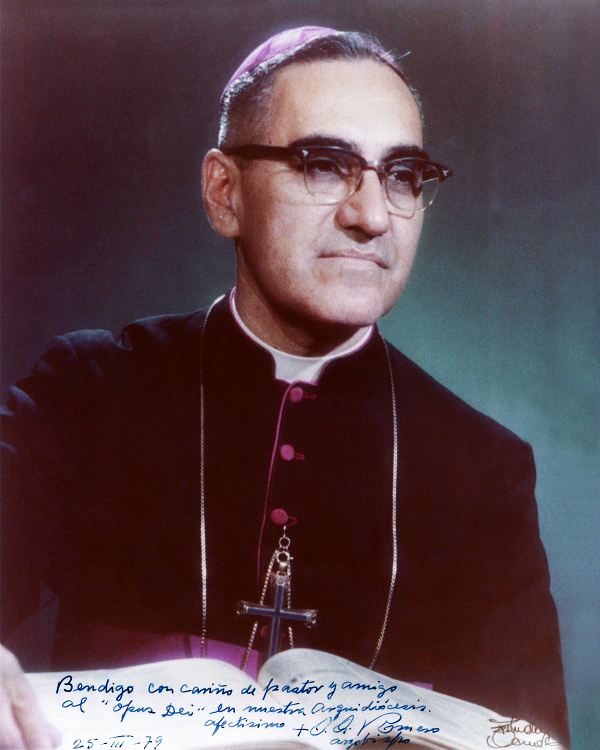
Archbishop Óscar Romero was a key figure in the fight for social justice and human rights in El Salvador. He used his platform to advocate for the poor and oppressed, speaking out against violence and inequality. His outspoken stance on these issues made him a target in a volatile political climate, where the tension between the government and various opposition groups was escalating.
On the day of his assassination, Archbishop Romero was delivering a sermon at the chapel of the Hospital de la Divina Providencia. He called for peace and condemned the ongoing repression and violence perpetrated by the military and paramilitary groups. While he was addressing the congregation, a gunman fired a single shot from the back of the church, killing him instantly.
The assassination had an immediate and profound impact on El Salvador. Protests erupted as people mourned his death and demanded justice. Internationally, Romero was hailed as a martyr for his relentless commitment to human rights and his courage in challenging systemic injustice.
The aftermath of his death saw an intensification of the conflict in El Salvador, contributing to the broader civil war that caused countless deaths and widespread suffering. Human rights organizations and various global leaders condemned the murder, calling for investigations and accountability. Despite numerous calls for justice, the identity of those responsible remains widely disputed. Romero's legacy continues to inspire movements for social justice.
Hashtags: #OscarRomero #ElSalvador #SocialJustice #HumanRights #MoofLife
View details1979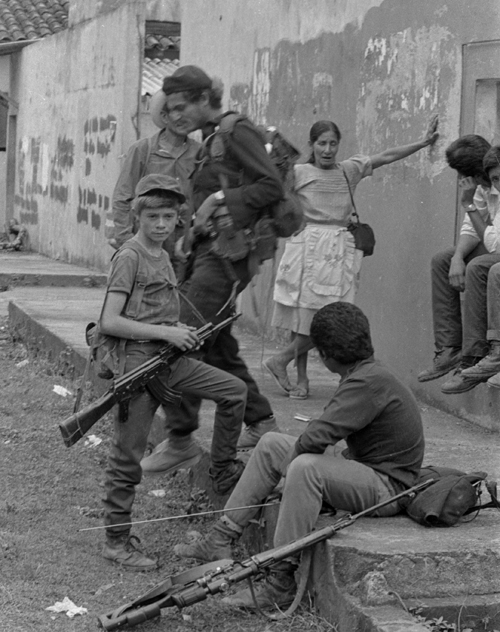
The inception of the Salvadoran Civil War marked a crucial juncture in the history of El Salvador. This event stemmed from mounting socio-economic inequalities, political repression, and widespread discontent with the existing government. The tension culminated when a faction of the military, disillusioned with the government and inspired by leftist ideologies, orchestrated a coup. This act was intended to dismantle the autocratic regime that had been characterized by corruption and human rights abuses.
El Salvador was embroiled in conflict between a series of military-civilian juntas and a coalition of leftist guerrilla groups, predominantly the Farabundo Martí National Liberation Front (FMLN). The military received consistent aid from the United States, as part of its broader strategy to contain communism in Latin America. In contrast, the FMLN gained support from various communist countries and organizations with similar ideological leanings.
The conflict led to extensive human suffering, with estimates of over 75,000 people killed and many others missing. The war caused significant internal displacement and a large-scale exodus of Salvadorans seeking refuge in neighboring countries and the United States. Human rights abuses were rampant, including torture, extrajudicial killings, and forced disappearances committed by both sides. According to some reports, around 85% of these abuses were attributable to government forces and death squads.
The war severely disrupted the nation's economy and infrastructure, exacerbating poverty and limiting access to essential services for its inhabitants. Agriculture, the backbone of El Salvador's economy, was particularly impacted, resulting in food shortages and increased unemployment.
Internationally, the conflict drew attention to human rights issues and ignited debates about foreign military aid and intervention. Numerous organizations, including the United Nations, brokered peace negotiations, which eventually led to the Chapultepec Peace Accords, formally ending the war 12 years later.
#ElSalvador #CivilWar #HumanRights #Conflict #History #MoofLife
View detailsEl Salvador underwent a dramatic shift when a military coup took place. The upheaval was rooted in longstanding social and economic inequalities that plagued the country. Years of civil unrest, growing discontent among civilians, and the influence of Cold War geopolitics set the stage for the coup. Discontent stemmed from a concentration of land ownership and resources in the hands of a wealthy elite, leaving a significant portion of the population in poverty.
The military, seeing the instability and internal strife, decided to intervene. The coup led to the establishment of a junta, which replaced the existing government. The junta was a group formed by high-ranking military officers who promised reforms and pledged to address the country's deep-rooted issues. Initially, their promises included land reforms and broader social justice, seeking to mitigate the conditions that had fueled dissent.
The impact of the junta's ascension to power was immediate and profound. Political parties were dissolved, and civil liberties were significantly restricted. The period that followed saw an escalation in violence as both the junta and opposition groups, including leftist guerrilla factions, engaged in armed conflict. Repression increased, with numerous reports of human rights abuses such as torture, disappearances, and extrajudicial killings becoming commonplace.
Economically, the junta's policies had mixed results. Some efforts at land redistribution were implemented, but they often fell short of meeting the needs of the impoverished majority. Moreover, the inconsistent and often brutal enforcement of these policies contributed to further social turmoil rather than alleviating it.
Internationally, the coup and subsequent rule of the junta drew significant attention. Various countries reacted differently, with some backing the junta in hopes of containing communist influences, while others condemned the human rights violations associated with the regime. The situation in El Salvador became a point of contention in the broader Cold War context, shaping international aid and diplomatic relations.
The military coup thus marked a pivotal moment in El Salvador's history, influencing its socio-political landscape for years to come and setting the stage for a prolonged civil conflict. This period would see the struggle between authoritarian control and demands for democratic governance continue with great intensity.
#MilitaryCoup #ElSalvador #CivilConflict #HumanRights #Junta #LandReform #ColdWarInfluence #HistoricalEvents #MoofLife
View details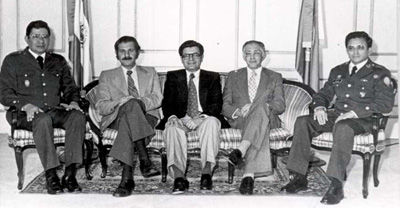
1969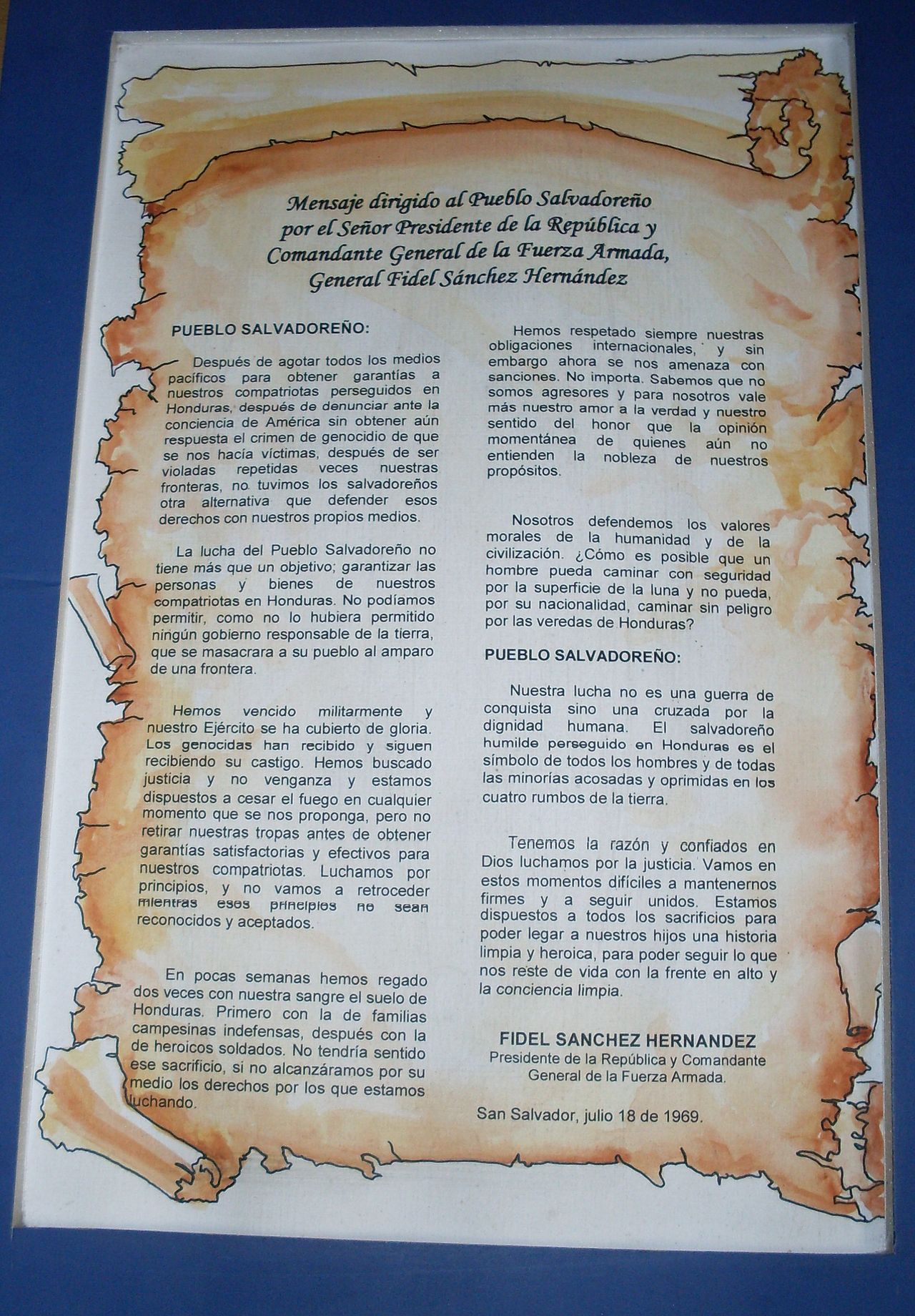
The 'Football War' between El Salvador and Honduras erupted following escalating tensions rooted in economic and political issues. Land reforms in Honduras led to the expulsion of Salvadoran immigrants, heightening friction between the neighboring nations. The strained relationship found a focal point during a series of World Cup qualifiers, where the intense rivalry between both nations turned violent.
The breaking point occurred following the decisive third match, held in Mexico City. During this match, passions ran high, and emotions spilled over, both on and off the field. The game became a symbol of the broader nationalistic and socio-economic conflicts, turning into a spark that ignited military conflict between the two countries.
The hostilities lasted for one hundred hours, involving air raids, infantry fighting, and significant mobilizations of military forces. Casualties were substantial, with estimates of around 2,000 deaths and thousands more wounded. Damage to infrastructure and economic setback further strained the already fraught relations.
On social and political fronts, the conflict led to increased nationalism in both countries. There was also international involvement, with the Organization of American States (OAS) eventually brokering a ceasefire, highlighting the geopolitical implications of the conflict.
Post-war reconciliation efforts were complicated and drawn out, reflecting the deep-rooted issues that had sparked the conflict. The conflict is a poignant reminder of how sports can sometimes transcend beyond the playing field into realms of political and social disputes.
Relevant hashtags: #MoofLife #ElSalvador #FootballWar #Honduras #Conflict #History #OAS #MilitaryHistory
View details1960
The creation of the Central American Common Market (CACM) marked a significant development in the economic landscape of Central America. This initiative brought together El Salvador, along with Guatemala, Honduras, Nicaragua, and Costa Rica, with the primary objective of fostering regional economic integration. The formation of the CACM was driven by the need to promote economic collaboration and reduce trade barriers among these nations.
Before the CACM, Central America faced substantial economic challenges, including limited industrialization, high transportation costs, and a dependence on agricultural exports. The region's fragmented markets hindered economic growth and development. The establishment of the CACM attempted to address these issues by creating a more cohesive economic region.
The CACM facilitated the establishment of a common external tariff and promoted the free movement of goods, services, and factors of production among member countries. This move aimed to spur industrialization, diversify the economy, and reduce dependency on traditional agricultural exports. With a combined population of around 9 million people at the time of its creation, the CACM sought to create a more substantial internal market that could attract foreign investment and boost economic development.
Statistics revealed that intra-regional trade increased significantly among the member countries in the initial years following the CACM's establishment. The trade volume within the bloc grew, showing notable improvement. However, the journey was not without challenges. Political instability, differing economic policies, and varying levels of development among member states posed obstacles to the full realization of the CACM's goals.
Despite these challenges, the CACM left a lasting impact on the economies of its member countries, laying the foundation for future regional integration efforts. It also underscored the importance of economic cooperation in fostering stability and prosperity in Central America.
#CACM #EconomicIntegration #ElSalvador #CentralAmerica #RegionalCooperation #MoofLife
View details1950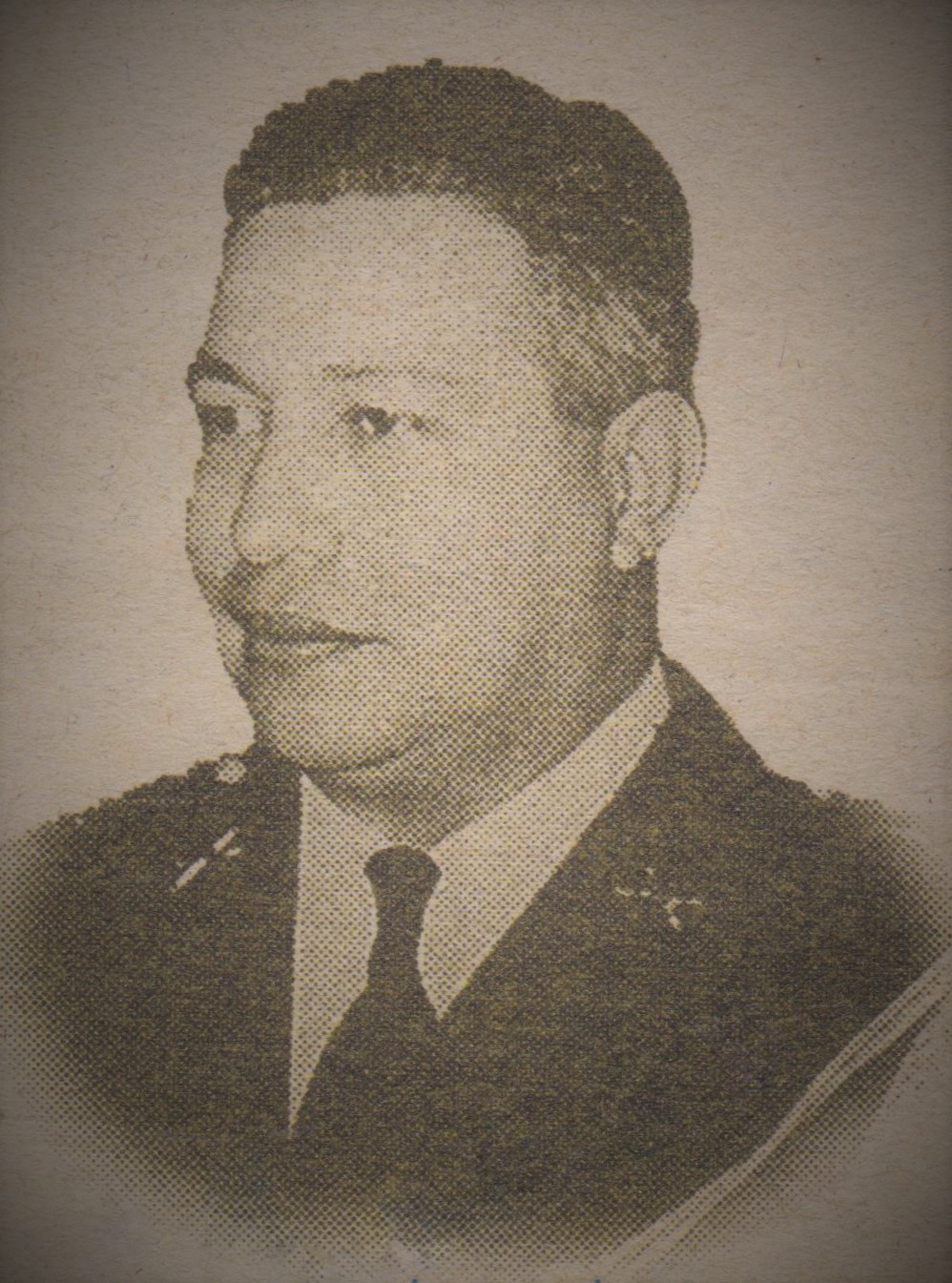
Colonel Óscar Osorio led a military coup that marked the beginning of a period of military rule in El Salvador. Before this transition of power, the country was characterized by political instability and social unrest. Civilian governments grappled with economic challenges and widespread poverty, creating fertile ground for military intervention.
Colonel Osorio, an officer in the Salvadoran army, capitalized on the discontent among both the military and civilians to orchestrate the coup. Backed by sectors of the military dissatisfied with the existing civilian rule, Osorio's takeover was swift and met with limited resistance. The coup led to the establishment of the Revolutionary Council of Government (Junta Revolucionaria de Gobierno), which aimed to stabilize the political landscape and modernize the country.
Under Osorio's leadership, the military government initiated several economic and social reforms. These included promoting industrial development, improving infrastructure, and implementing agrarian programs designed to modernize the agricultural sector. Although these reforms were aimed at addressing long-standing socio-economic issues, they were not universally successful and sometimes deepened existing inequalities, particularly in rural areas.
The military rule that began with Osorio's coup became a defining feature of Salvadoran politics for the next few decades. It fostered a political environment where the military held significant power, often at the expense of democratic institutions. The period saw varying degrees of repression, with dissent frequently stifled through authoritarian measures.
While some economic progress was made, the political landscape remained fraught with tension, laying the groundwork for future conflicts. The legacy of Osorio's coup is therefore a mixed one: it marked the start of efforts at modernization and economic reform but also entrenched military dominance in Salvadoran politics, affecting the country's trajectory for years.
#MilitaryRule #ElSalvador #OscarOsorio #PoliticalChange #SocioEconomicReforms #MilitaryCoup #MoofLife
View details1932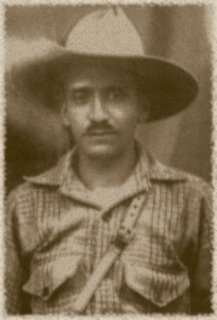
In the early 20th century, El Salvador faced significant internal strife and economic hardship. The nation was under the control of an oligarchic government that maintained power through force and political repression. The period of political unrest reached its peak when indigenous people and peasants, led by the Communist Party and Agustín Farabundo Martí, launched a rebellion against the oppressive government and feudal landholding system.
The origins of the uprising were rooted in the severe socio-economic inequalities and harsh treatment meted out to the peasant workers, who were primarily indigenous. Their demands included fair wages, land reform, and improved working conditions. As the rebellion gained steam, the government responded with brutal force. Military forces were deployed to suppress the uprisings, leading to what would be known as the Matanza massacre.
The crackdown on the rebellion was swift and brutal. Within a span of days, government-aligned military units and death squads killed an estimated 10,000 to 30,000 people, largely targeting indigenous populations. The mass killings were not only a method to quell the immediate rebellion but also intended to eliminate potential future threats to the ruling regime.
This wave of violence had long-lasting impacts on the country's demography, with a significant decline in the indigenous population due to the targeted killings. The events sowed seeds of fear and mistrust between the government and indigenous communities, ef
View details1921
In the early 20th century, El Salvador's socio-economic landscape was characterized by widespread poverty and harsh working conditions. The labor class, comprising agricultural workers and urban factory laborers, faced exploitation and minimal worker rights. This environment of economic disparity and social unrest gave rise to various labor movements seeking enhanced labor rights.
Amidst these circumstances, the General Workers' Union (UGT) was formed by a coalition of labor activists, influenced by global labor movements and emerging socialist ideologies. The founding members aimed to unify the working class, striving for better wages, improved working conditions, and labor laws that would protect workers from abusive employment practices.
The formation of the UGT was a pivotal step in the labor movement in El Salvador. It marked the beginning of organized labor representation, giving workers a collective voice in negotiating with employers and the government. The union advocated for eight-hour workdays, safer working environments, and the elimination of child labor, aligning itself with international labor standards.
The UGT's establishment had a significant impact on the labor policies in El Salvador. While initial responses from employers and the government were resistant, the persistent efforts of the UGT led to gradual changes. These early labor movements laid the groundwork for future labor reforms and the eventual establishment of legal frameworks to protect workers' rights.
The UGT also played a crucial role in raising political awareness among the working class. It not only addressed economic issues but also mobilized workers to participate in the broader socio-political discourse, advocating for democracy and social justice. This involvement extended beyond labor issues, contributing to the formation of political parties and movements that championed the rights of the working class.
In summary, the formation of the General Workers' Union in El Salvador was a critical turning point for labor rights in the country. It signified the beginning of collective bargaining power for the working class and laid the foundation for significant labor reforms and political activism.
#LaborRights #WorkerUnity #SocialJustice #ElSalvador #EconomicReform #PoliticalAwareness #FoundationMoment #MoofLife
View details1917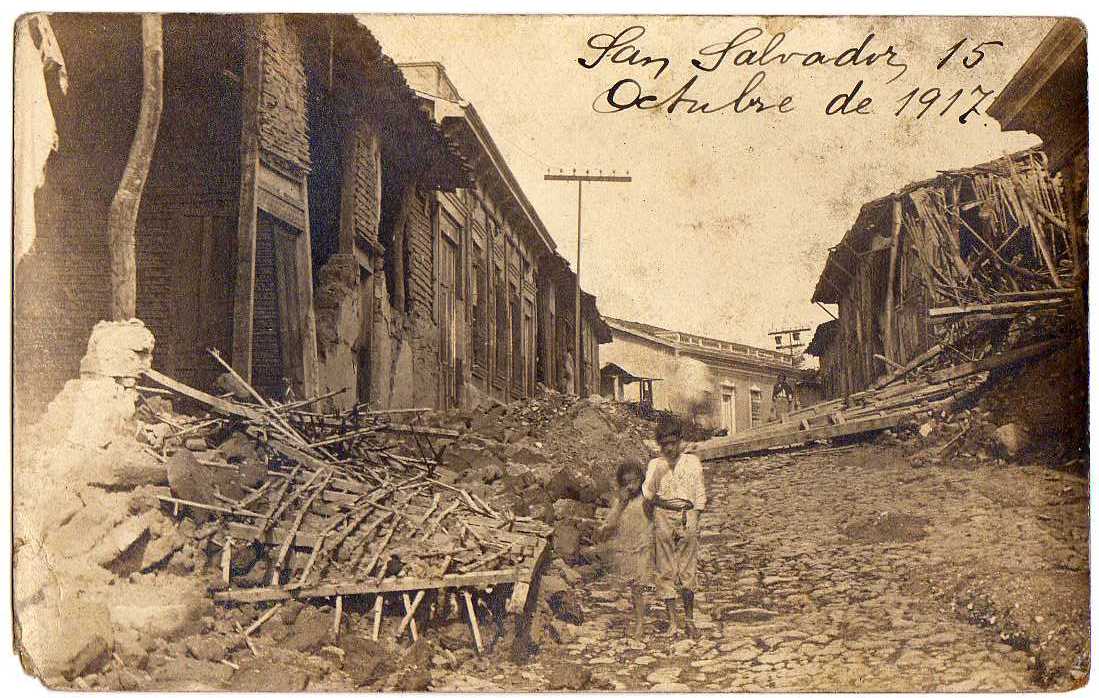
San Salvador witnessed a devastating earthquake which resulted in substantial damage. San Salvador, the capital city of El Salvador, is located along the Pacific Ring of Fire, making it prone to seismic activity. This particular event was marked by intense shaking that lasted for several minutes, leading to widespread destruction in the region.
The earthquake's epicenter was situated near the city, contributing to the severity of the impact on urban structures. Buildings, many of which were not designed to withstand such powerful tremors, collapsed. Public infrastructures like roads and bridges were either damaged or completely destroyed, hampering rescue and relief operations. In the aftermath, the city saw chaos, with many residents trapped under rubble and numerous casualties reported. Historical records indicate that the death toll rose rapidly, and countless individuals were displaced, as their homes were either flattened or deemed unsafe.
Additional ramifications included fires that erupted due to the collapse of buildings and infrastructure, leading to further loss of property. The local economy suffered a significant setback as businesses were disrupted and essential services became inaccessible. Relief efforts were challenged by the destruction of transportation routes and communication lines, hindering effective coordination and timely assistance to those in need.
Geologists studying this earthquake have noted that it was one of the most powerful to have hit the region in historical times. The scientific community has extensively analyzed this seismic event, helping to improve future preparedness for similar occurrences. It also underscored the importance of adopting earthquake-resistant construction practices in vulnerable areas.
Social impacts were profound, with many families losing their homes and livelihoods, escalating the need for long-term rehabilitation efforts. Over time, the city of San Salvador was rebuilt with better structural standards to mitigate the risks posed by future earthquakes.
These events serve as a somber reminder of the vulnerability of human settlements in seismically active regions and the ongoing need for comprehensive disaster management strategies.
#MoofLife #SanSalvadorEarthquake #DisasterManagement #SeismicActivity #ElSalvadorHistory
View details1913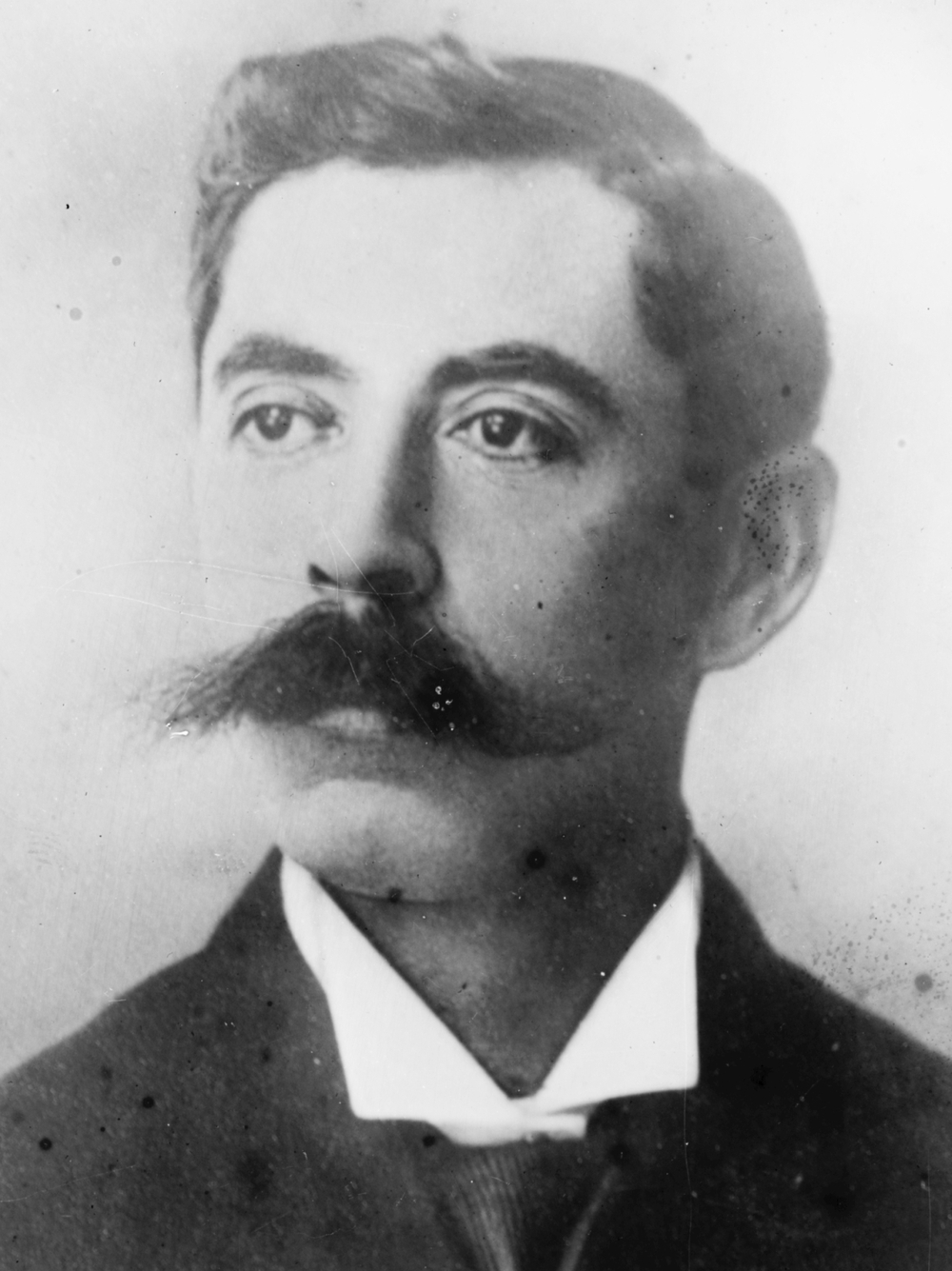
President Manuel Enrique Araujo of El Salvador was attacked while attending a concert in the capital. He was critically wounded during the incident and later succumbed to his injuries. The assassination took place against a backdrop of political instability and social unrest in the country, which was grappling with issues such as inequality, poverty, and violence.
Araujo, who had a background in medicine, had taken office with the intent of implementing reforms and addressing corruption. His administration was marked by efforts to modernize the nation's infrastructure and improve public health. However, his progressive policies made him a target for those opposing change, including political adversaries and criminal elements.
The event had immediate and far-reaching repercussions for El Salvador. Public reaction was one of shock and mourning, and the assassination underscored the pervasive insecurity and political volatility in the country. In the aftermath, there was a significant crackdown on dissent and a bolstering of security measures. The incident also triggered a series of investigations and arrests, though the extent to which the mastermind behind the attack was brought to justice remains a subject of debate.
Statistically, under Araujo's leadership, there was modest economic growth, and efforts were made to enhance education and healthcare systems. Despite these achievements, the assassination highlighted the volatile climate within which such reforms were being pursued.
Overall, the impact of Manuel Enrique Araujo's assassination on El Salvador's socio-political landscape was profound, leading to increased militarization and a heightened sense of mistrust among the populace.
#Assassination #PoliticalInstability #ElSalvador #MoofLife
View details1907
In San Salvador, representatives from five Central American nations came together to create the Central American Court of Justice, aiming to mediate disputes and foster regional peace and cooperation. This initiative emerged from a history of inter-nation conflicts and a need for a structured judicial body to address and resolve arising tensions diplomatically.
The Court was designed to be an impartial tribunal for legal conflicts between member countries, including Costa Rica, El Salvador, Guatemala, Honduras, and Nicaragua. Each nation appointed two judges, ensuring balanced representation. This institution was one of the earliest examples of international courts, marking a significant step towards regional integration and the collective objective of sustainable peace. It was hoped that, through this court, the pattern of numerous wars and border disputes in the region could be curbed.
Structured to reflect the international nature of higher judicial bodies seen in Europe, the Court's jurisdiction covered political, economic, and social disputes. Its establishment was emblematic of a growing recognition that diplomatic and legal means were preferable over militaristic approaches for conflict resolution. Over time, it handled cases such as disputes over territorial boundaries and violations of commercial treaties, contributing to more stable inter-governmental relationships.
Despite its ambitious goals, the Court faced numerous challenges, including political pressure from member states and limited enforcement capabilities. Nevertheless, it served as a precedent and a model for later regional judicial bodies, emphasizing the importance of legal frameworks in maintaining regional peace.
The creation of the Central American Court of Justice represented a pivotal diplomatic effort. It reflected a shift towards collaborative international law as a tool for conflict resolution. This remained underlying in later developments within Central America and influenced the establishment of other regional organizations aimed at promoting peace, stability, and cooperation.
#CentralAmericanCourtOfJustice #RegionalPeace #InternationalLaw #MoofLife
View details1868
The establishment of the Military Academy in El Salvador marked a decisive shift in the nation's approach to professionalizing its armed forces. Prior to this initiative, military training within the country lacked standardized academia, relying predominantly on ad-hoc systems and in-field experience. The need for a more organized and systematic military education became a focal point for El Salvador's government, keen on modernizing its infrastructure and strengthening national security.
The Military Academy was officially founded under the initiative of President Francisco Dueñas, who recognized the necessity for a dedicated institution to train officers in various military sciences and disciplines. This move was partly influenced by observing the structured military education models in Europe and North America, where specialized institutions played a key role in producing skilled and disciplined military personnel.
Upon its establishment, the academy adopted a curriculum that included a range of subjects from tactic and strategy to engineering and cartography, aiming to produce not just soldiers, but well-rounded military leaders. Instructors were often recruited from abroad, bringing international expertise and knowledge to enhance the quality of education provided.
The opening of the Military Academy had substantial implications for El Salvador. It symbolized a commitment to a professional and disciplined military force, which contributed to improved military efficiency and readiness. The availability of trained officers also facilitated the implementation of more structured military operations and logistics, enhancing national defense capabilities.
Another significant impact was on the socio-political landscape of the country. The academy became a breeding ground for future leaders, some of whom played crucial roles in shaping the nation's history. Graduates of the academy often ascended to prominent positions within the military and government, influencing policy and governance.
While the direct numerical data on the initial number of cadets or specific budget allocations remain sparse, the long-term significance of the Military Academy can be gauged through its continued existence and evolution. Over time, it has adapted to changing military needs, remaining a pivotal institution in El Salvador's educational and defense sectors.
#MilitaryAcademyES #ElSalvadorHistory #ProfessionalMilitaryEducation #NationalDefense #LeadershipDevelopment #MoofLife
View details1841
El Salvador's foundational constitution as an independent nation was adopted following its detachment from the Federal Republic of Central America. Before this point, the region was part of a broader federation which had slowly become ineffective, plagued by internal conflicts and political instability. With the dissolution of the federation, El Salvador was prompted to create a self-governing document to assert its autonomy and governance structure.
This pivotal adoption marked El Salvador's initial framework for a legal and political system, laying the groundwork for legislative processes, the separation of powers, and the protection of civil liberties. The constitution was crucial in establishing the principles of sovereignty and democracy for the newly independent state.
The formation of this constitution was a significant effort by the country's leaders to stabilize and govern a nascent nation. It included provisions that structured the executive, legislative, and judicial branches of government, aiming to ensure a balance of power. These measures were intended to address the inefficiencies and power struggles that had characterized the previous federal governance.
The immediate impact of this document was the establishment of an organized government system, which was instrumental in shaping the political landscape of El Salvador. Although challenges and revisions lay ahead, the long-term effect of having a constitutional framework enabled the country to gradually develop and adapt its governance and legal systems.
Key facts about this event include its role in promoting national identity and coherence, as well as laying a foundational structure for future economic and social policies. As the first step in El Salvador's journey as a self-ruled entity, this movement towards constitutional governance was a critical juncture that influenced the country's subsequent historical trajectory.
#ElSalvadorConstitution #NationBuilding #PoliticalHistory #ElSalvadorIndependence #MoofLife
View details1833
The execution of independence leaders in San Vicente was a pivotal moment that reflected the intense fear of liberalism which gripped El Salvador and other parts of Central America. During this period, the region was fraught with political tension between conservative and liberal factions. The conservatives, wary of the sweeping changes proposed by liberal ideologies, such as secular education and land reforms, felt threatened by the burgeoning influence of liberal leaders advocating for independence and progressive reforms.
San Vicente, at this juncture, became the focal point of a crackdown by the conservative ruling powers. Here, several leaders who were at the forefront of promoting independence and liberal ideals were arrested and executed. The primary aim was to instill fear and deter any potential uprisings that could be inspired by liberal philosophies. The impact of this event was profound, generating a climate of apprehension and mistrust that stifled liberal movements temporarily.
Statistics from this period indicate an increase in arrests and political persecutions, signifying the extent of conservative measures to curb liberal ambitions. Public executions served as stark warnings, not only silencing existing leaders but also dissuading others from advocating similar ideas. The immediate consequence was a significant suppression of liberal voices and a forced retreat of revolutionary activities critical of the conservative regime.
In the wider context, however, the ruthless actions in San Vicente inadvertently fueled a martyrdom narrative that later galvanized the liberal cause. The executed leaders became symbols of resistance and fortitude, inspiring subsequent generations. This incident is a reminder of the turbulent path towards achieving political independence and ideological freedom amid intense opposition and governmental repression.
The fear of liberalism and its associated reforms thus not only influenced the immediate political landscape but also had lasting repercussions on the struggle for sovereignty and progressive change in El Salvador.
#SanVicente #IndependenceLeaders #PoliticalTensions #ConservativesVsLiberals #ElSalvadorHistory #PoliticalRepression #MoofLife
View details1821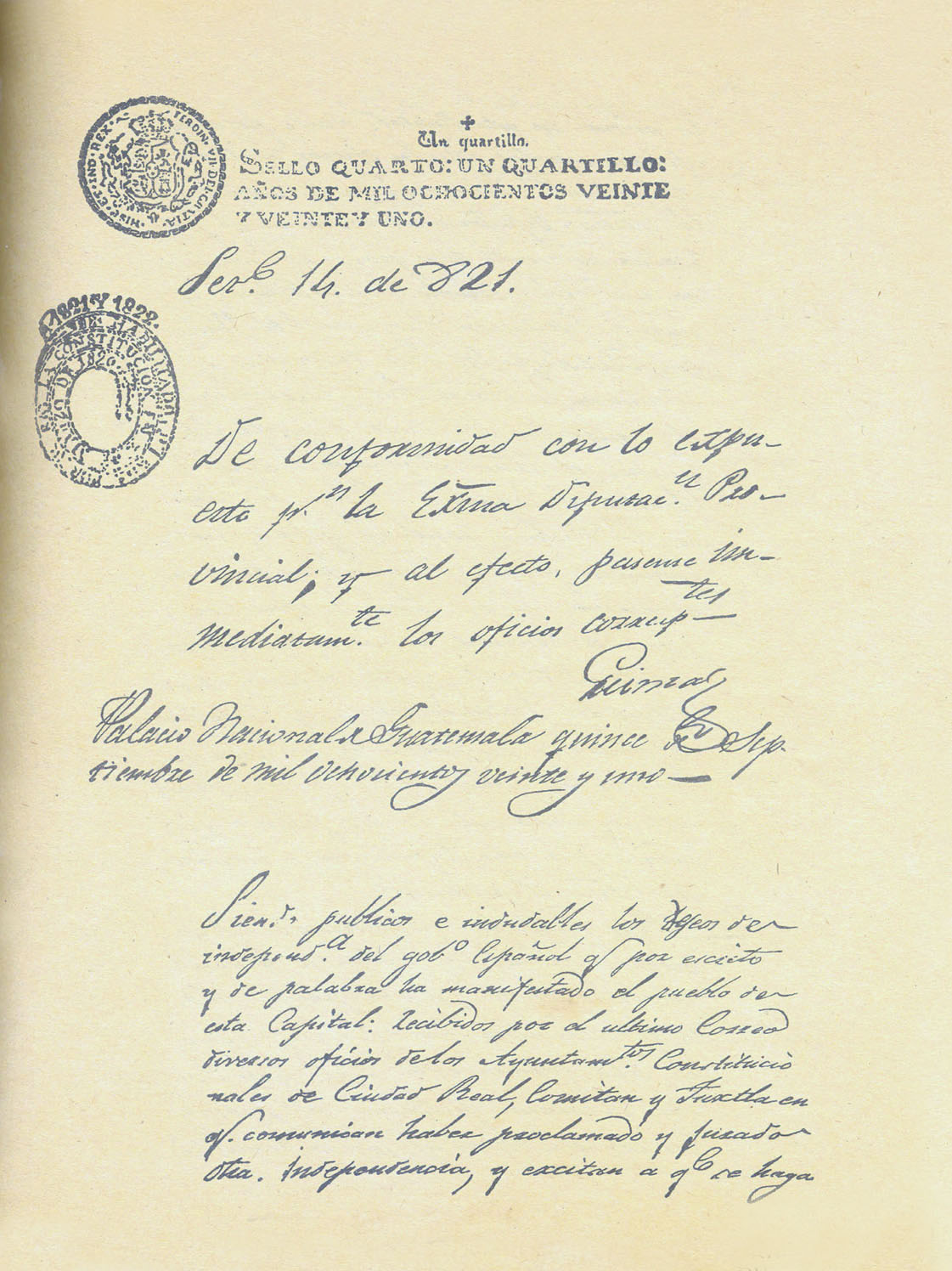
El Salvador marked its severance from the Federal Republic of Central America, establishing itself as an independent nation. The backdrop to this event involved a period of political and social transformations across the Central American isthmus. The Federal Republic of Central America, formed initially by the nations of Guatemala, El Salvador, Honduras, Nicaragua, and Costa Rica, succumbed to internal conflicts and regionalist challenges that strained the federation.
El Salvador's path to independence was influenced by the cumulative pressures of distinct local identities, economic interests, and political power factions. With the fragmentation of the federation becoming evident, El Salvador moved decisively towards self-governance. The move was driven by both a desire to establish a stable political framework and ensured economic independence, which was crucial for its development prospects.
The impact of El Salvador's independence was profound. It marked the beginning of a new era where the country could freely navigate its path without the interference of an unstable federation. This brought about immediate changes in governance, including the establishment of its political institutions and reinforced the country's autonomy in internal and external affairs.
Economic changes also ensued, primarily in the agricultural sector, with coffee becoming the backbone of the economy. This economic shift had significant implications for trade patterns and international relations. On the socio-political front, the independence movement contributed to a burgeoning sense of national identity among Salvadorans, an essential factor in subsequent nation-building efforts.
Relevant statistics from the period indicated a steady growth in the population and gradual economic improvements following independence. While the path ahead remained challenging, El Salvador took pivotal steps towards establishing itself as a sovereign entity that could address its unique challenges and aspirations.
#ElSalvadorIndependence #CentralAmericanHistory #PoliticalTransformation #EconomicDevelopment #NationBuilding #MoofLife
View details1655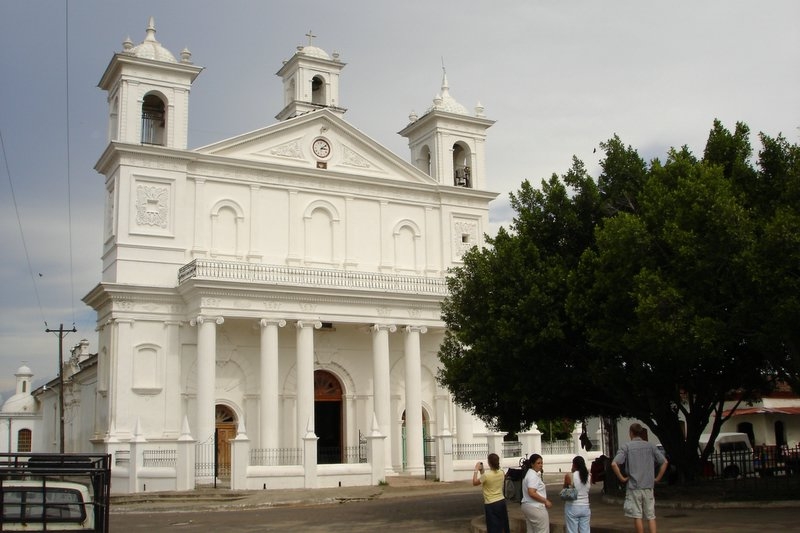
In the era of early colonial expansion, the town of Suchitoto, nestled in the heart of El Salvador, witnessed a pivotal development with the commencement of the construction of the Church of Our Lady of Concepción. Suchitoto, one of the oldest colonial settlements in the region, was undergoing notable changes as it sought to bolster its religious and cultural identity under Spanish influence.
The Church of Our Lady of Concepción emerged as an essential public work, reflecting the community's adherence to Catholicism imposed by the Spanish colonizers. The construction was a massive undertaking involving local laborers and artisans, whose contributions were instrumental in translating European architectural styles into the local context. The design of the church incorporated traditional Spanish colonial architecture, featuring elements such as thick adobe walls and a prominent facade, which would later become a distinguishing landmark in Suchitoto.
Economically, the project marked a period of increased activity in the town, as resources were allocated for its completion. The influx of materials and labor fostered an environment of growth within the local community. The church also served as a social and spiritual hub for the townspeople, cementing its role as a core element of Suchitoto's societal framework.
The impact of the church's construction extended beyond the immediate religious implications. It became a symbol of Spanish presence and authority in the region, solidifying Suchitoto’s status as a critical node in the colonial network of El Salvador. The town's development trajectory was significantly shaped by the establishment of this religious institution, which influenced patterns of settlement, governance, and cultural practices.
The Church of Our Lady of Concepción stands today as a historical testament to the Spanish colonial era, offering insights into the architectural, social, and economic transformations that transpired in one of El Salvador's enduring towns. The legacy of its construction continues to underscore the interplay between indigenous communities and colonial forces in shaping the cultural landscape of Central America.
#ElSalvadorHistory #ColonialArchitecture #Suchitoto #CulturalHeritage #MoofLife
View details