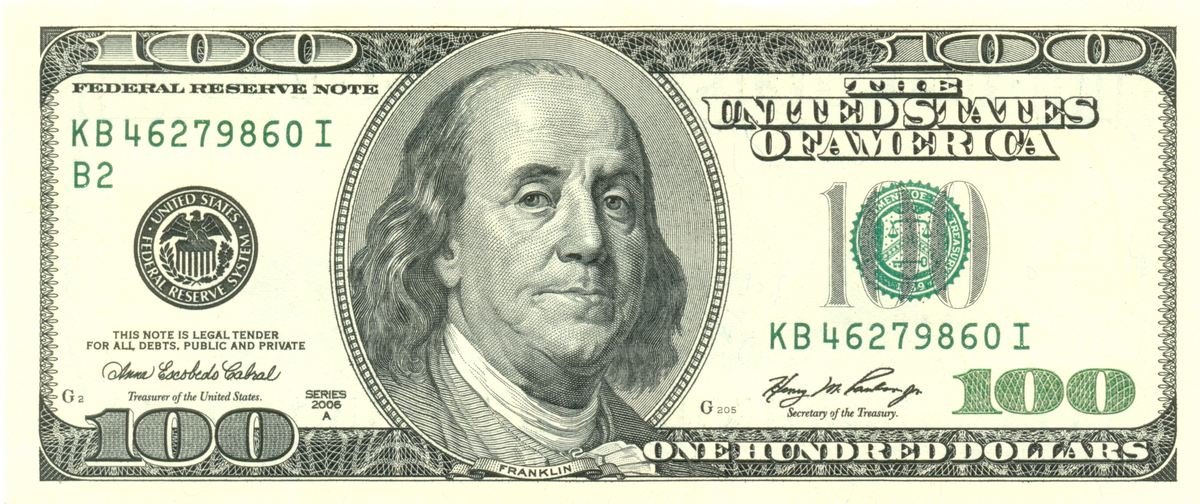
Nation officially adopts US dollar as currency to stabilize economy and boost trade.
El Salvador

Economic Transformation
Global Trade
6 min read
Updated By: History Editorial Network (HEN)
Published:
In a pivotal economic overhaul, El Salvador made a landmark decision to adopt the US dollar as its official currency. This move was primarily aimed at stabilizing the nation's economy, enhancing trade, and fostering investor confidence. Prior to this, El Salvador had been using the colon, a currency that had faced significant inflationary pressures and had persistently suffered from instability in the global market.
The decision to dollarize the economy was met with mixed reactions from different sectors of society. While government officials championed the move as a means to curb inflation, promote fiscal transparency, and facilitate access to international financial markets, critics voiced concerns over the loss of monetary sovereignty. They argued that this could lead to a diminished capacity to respond to economic crises internally, as the government would no longer possess control over its own currency.
From an economic perspective, dollarization had immediate implications. The financial sector experienced increased stability, as the risks associated with currency devaluation were eliminated. Investment flows saw a boost, as international investors gained confidence in the country's economic environment due to the reliability and stability of the US dollar. Furthermore, trade relations, especially with the United States, were streamlined, given the elimination of foreign exchange fluctuations.
On the societal front, the transition had varied impacts. Consumers benefited from lower inflation rates and improved purchasing power. However, some local businesses and individuals found the change challenging, as price adjustments and new financial habits needed to be adopted. Additionally, there was a cultural shift, as the colon, which had been in use for over a century, was phased out, marking the end of an era for Salvadorans.
The macroeconomic data post-dollarization indicated mixed results. While inflation rates saw a notable reduction, averaging a stable rate in the years that followed, economic growth rates exhibited variability, reflecting the complexities of integrating dollarization in a developing country's economy.
In summary, El Salvador’s adoption of the US dollar signaled a major reconfiguration in its economic strategy. While it brought stability and boosted investor confidence, it also introduced challenges related to economic autonomy and societal adjustment. The legacy of this transformation continues to unfold.
#ElSalvador #Dollarization #EconomicTransformation #CurrencyChange #MoofLife
Explore the Life Moments of
 AI Twin