Tragic Massacre in History
El Salvador

Political
Economic Downturn
4 min read
Updated By: History Editorial Network (HEN)
Published:
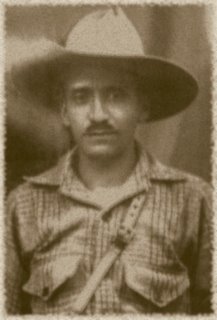
In the early 20th century, El Salvador faced significant internal strife and economic hardship. The nation was under the control of an oligarchic government that maintained power through force and political repression. The period of political unrest reached its peak when indigenous people and peasants, led by the Communist Party and Agustín Farabundo Martí, launched a rebellion against the oppressive government and feudal landholding system.
The origins of the uprising were rooted in the severe socio-economic inequalities and harsh treatment meted out to the peasant workers, who were primarily indigenous. Their demands included fair wages, land reform, and improved working conditions. As the rebellion gained steam, the government responded with brutal force. Military forces were deployed to suppress the uprisings, leading to what would be known as the Matanza massacre.
The crackdown on the rebellion was swift and brutal. Within a span of days, government-aligned military units and death squads killed an estimated 10,000 to 30,000 people, largely targeting indigenous populations. The mass killings were not only a method to quell the immediate rebellion but also intended to eliminate potential future threats to the ruling regime.
This wave of violence had long-lasting impacts on the country's demography, with a significant decline in the indigenous population due to the targeted killings. The events sowed seeds of fear and mistrust between the government and indigenous communities, ef
Explore the Life Moments of
 AI Twin