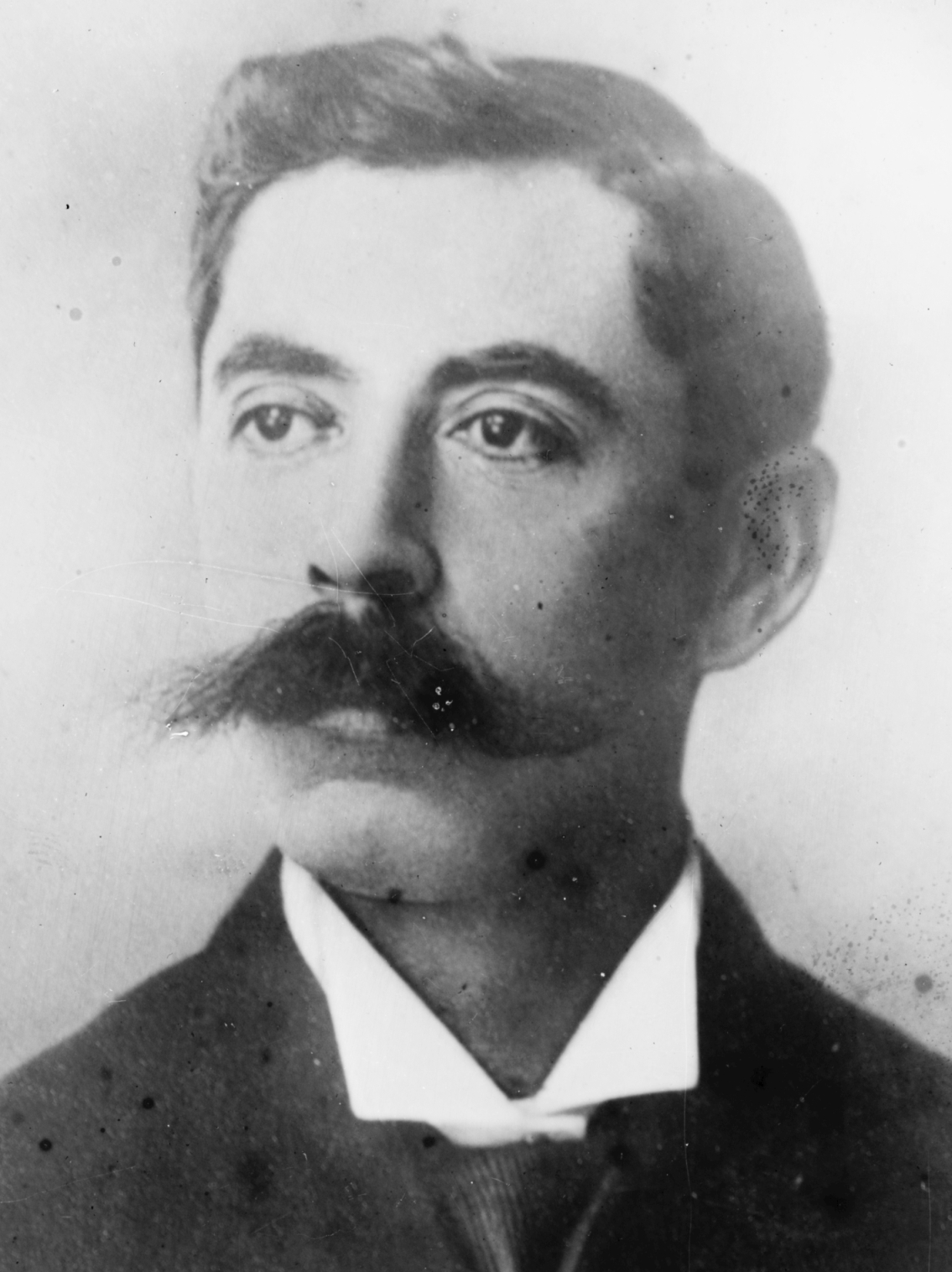
Assassination of President Manuel Enrique Araujo: A Historical Tragedy
El Salvador
Political
4 min read
Updated By: History Editorial Network (HEN)
Published:
President Manuel Enrique Araujo of El Salvador was attacked while attending a concert in the capital. He was critically wounded during the incident and later succumbed to his injuries. The assassination took place against a backdrop of political instability and social unrest in the country, which was grappling with issues such as inequality, poverty, and violence.
Araujo, who had a background in medicine, had taken office with the intent of implementing reforms and addressing corruption. His administration was marked by efforts to modernize the nation's infrastructure and improve public health. However, his progressive policies made him a target for those opposing change, including political adversaries and criminal elements.
The event had immediate and far-reaching repercussions for El Salvador. Public reaction was one of shock and mourning, and the assassination underscored the pervasive insecurity and political volatility in the country. In the aftermath, there was a significant crackdown on dissent and a bolstering of security measures. The incident also triggered a series of investigations and arrests, though the extent to which the mastermind behind the attack was brought to justice remains a subject of debate.
Statistically, under Araujo's leadership, there was modest economic growth, and efforts were made to enhance education and healthcare systems. Despite these achievements, the assassination highlighted the volatile climate within which such reforms were being pursued.
Overall, the impact of Manuel Enrique Araujo's assassination on El Salvador's socio-political landscape was profound, leading to increased militarization and a heightened sense of mistrust among the populace.
#Assassination #PoliticalInstability #ElSalvador #MoofLife

Explore the Life Moments of
 AI Twin