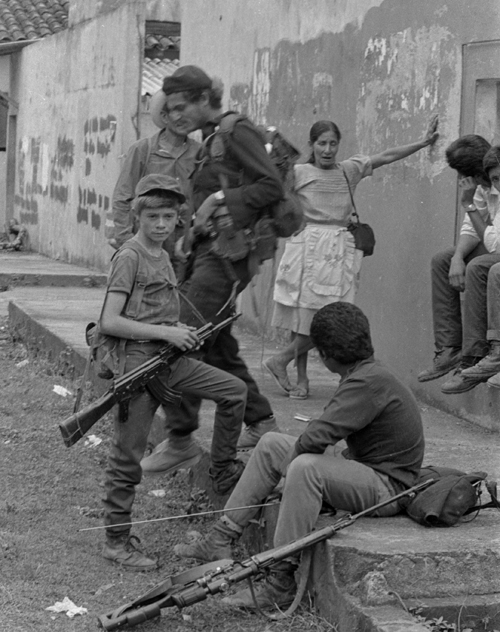
12-year Salvadoran Civil War marks brutality, loss of life, and human rights violations.
El Salvador

Political
5 min read
Updated By: History Editorial Network (HEN)
Published:
The inception of the Salvadoran Civil War marked a crucial juncture in the history of El Salvador. This event stemmed from mounting socio-economic inequalities, political repression, and widespread discontent with the existing government. The tension culminated when a faction of the military, disillusioned with the government and inspired by leftist ideologies, orchestrated a coup. This act was intended to dismantle the autocratic regime that had been characterized by corruption and human rights abuses.
El Salvador was embroiled in conflict between a series of military-civilian juntas and a coalition of leftist guerrilla groups, predominantly the Farabundo Martí National Liberation Front (FMLN). The military received consistent aid from the United States, as part of its broader strategy to contain communism in Latin America. In contrast, the FMLN gained support from various communist countries and organizations with similar ideological leanings.
The conflict led to extensive human suffering, with estimates of over 75,000 people killed and many others missing. The war caused significant internal displacement and a large-scale exodus of Salvadorans seeking refuge in neighboring countries and the United States. Human rights abuses were rampant, including torture, extrajudicial killings, and forced disappearances committed by both sides. According to some reports, around 85% of these abuses were attributable to government forces and death squads.
The war severely disrupted the nation's economy and infrastructure, exacerbating poverty and limiting access to essential services for its inhabitants. Agriculture, the backbone of El Salvador's economy, was particularly impacted, resulting in food shortages and increased unemployment.
Internationally, the conflict drew attention to human rights issues and ignited debates about foreign military aid and intervention. Numerous organizations, including the United Nations, brokered peace negotiations, which eventually led to the Chapultepec Peace Accords, formally ending the war 12 years later.
#ElSalvador #CivilWar #HumanRights #Conflict #History #MoofLife
Explore the Life Moments of
 AI Twin