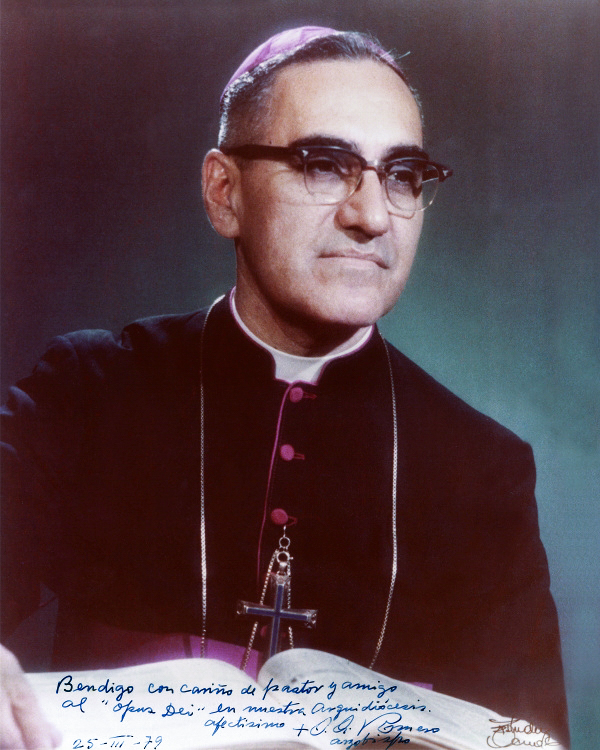
Assassination of Archbishop Óscar Romero during sermon.
El Salvador
Political
4 min read
Updated By: History Editorial Network (HEN)
Published:
Archbishop Óscar Romero was a key figure in the fight for social justice and human rights in El Salvador. He used his platform to advocate for the poor and oppressed, speaking out against violence and inequality. His outspoken stance on these issues made him a target in a volatile political climate, where the tension between the government and various opposition groups was escalating.
On the day of his assassination, Archbishop Romero was delivering a sermon at the chapel of the Hospital de la Divina Providencia. He called for peace and condemned the ongoing repression and violence perpetrated by the military and paramilitary groups. While he was addressing the congregation, a gunman fired a single shot from the back of the church, killing him instantly.
The assassination had an immediate and profound impact on El Salvador. Protests erupted as people mourned his death and demanded justice. Internationally, Romero was hailed as a martyr for his relentless commitment to human rights and his courage in challenging systemic injustice.
The aftermath of his death saw an intensification of the conflict in El Salvador, contributing to the broader civil war that caused countless deaths and widespread suffering. Human rights organizations and various global leaders condemned the murder, calling for investigations and accountability. Despite numerous calls for justice, the identity of those responsible remains widely disputed. Romero's legacy continues to inspire movements for social justice.
Hashtags: #OscarRomero #ElSalvador #SocialJustice #HumanRights #MoofLife

Explore the Life Moments of
 AI Twin