
El Salvador

Land of Volcanoes and Beaches
Related Lives

Kuwait
Land of Tradition and Progress

Canada
The Great White North

History of Video Game Consoles
The Birth of Home Gaming

Mauritania
The Land of a Million Poets

China
Land of Silk

Sweden
The Land of the Midnight Sun

Benin
The Jewel of West African Culture.

Namibia
Landscapes of Resilience

1620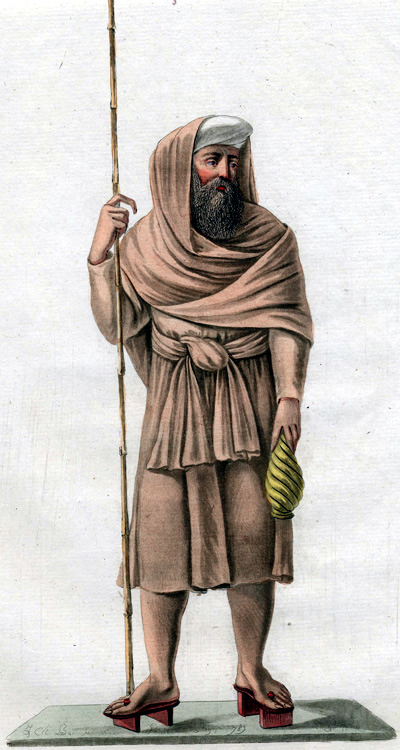
In the early 17th century, Jesuit missionaries arrived in the region known today as El Salvador. Their mission was clear: to establish educational institutions and religious centers. The arrival marked the beginning of an extensive educational and ecclesiastical network that aimed to integrate indigenous populations into the broader colonial framework.
The Jesuits, known for their rigorous academic standards and theological training, began by setting up schools that taught basic literacy, religious instruction, and vocational skills. These schools became crucial in disseminating Catholic doctrines and European cultural norms. They targeted young indigenous people, who were seen as more adaptable to new educational systems. Over time, these elements worked hand-in-hand, reshaping the societal structures of the region.
Alongside the educational efforts, the Jesuits also focused on building churches. These churches served not merely as places of worship but also as community centers where Jesuits could engage with the local population. The Jesuit model incorporated both spiritual outreach and social welfare, often providing food and medical care.
The impact of their work was profound. Within a few decades, literacy rates within the indigenous communities showed notable improvement. Religious conversion rates also increased, altering the spiritual landscape of the region. By implementing a structured curriculum and community-focused initiatives, the Jesuits laid down a foundation that influenced the cultural and social history of El Salvador.
Despite their contributions, the Jesuit presence was not without controversy. Their influence often clashed with other colonial authorities and local traditions. Many indigenous practices and social structures were disrupted, leading to tensions and occasional resistance. However, their role in shaping the educational and religious framework of the time cannot be understated.
In summary, the arrival of Jesuit missionaries in the region now known as El Salvador was a pivotal event with lasting influences on its educational and religious institutions. Their combined focus on literacy and spiritual instruction contributed significantly to the development of local communities, despite the complexities and controversies that accompanied their mission.
#ArrivalOfJesuits #EducationReform #CulturalIntegration #ReligiousImpact #ColonialHistory #MoofLife
View details1542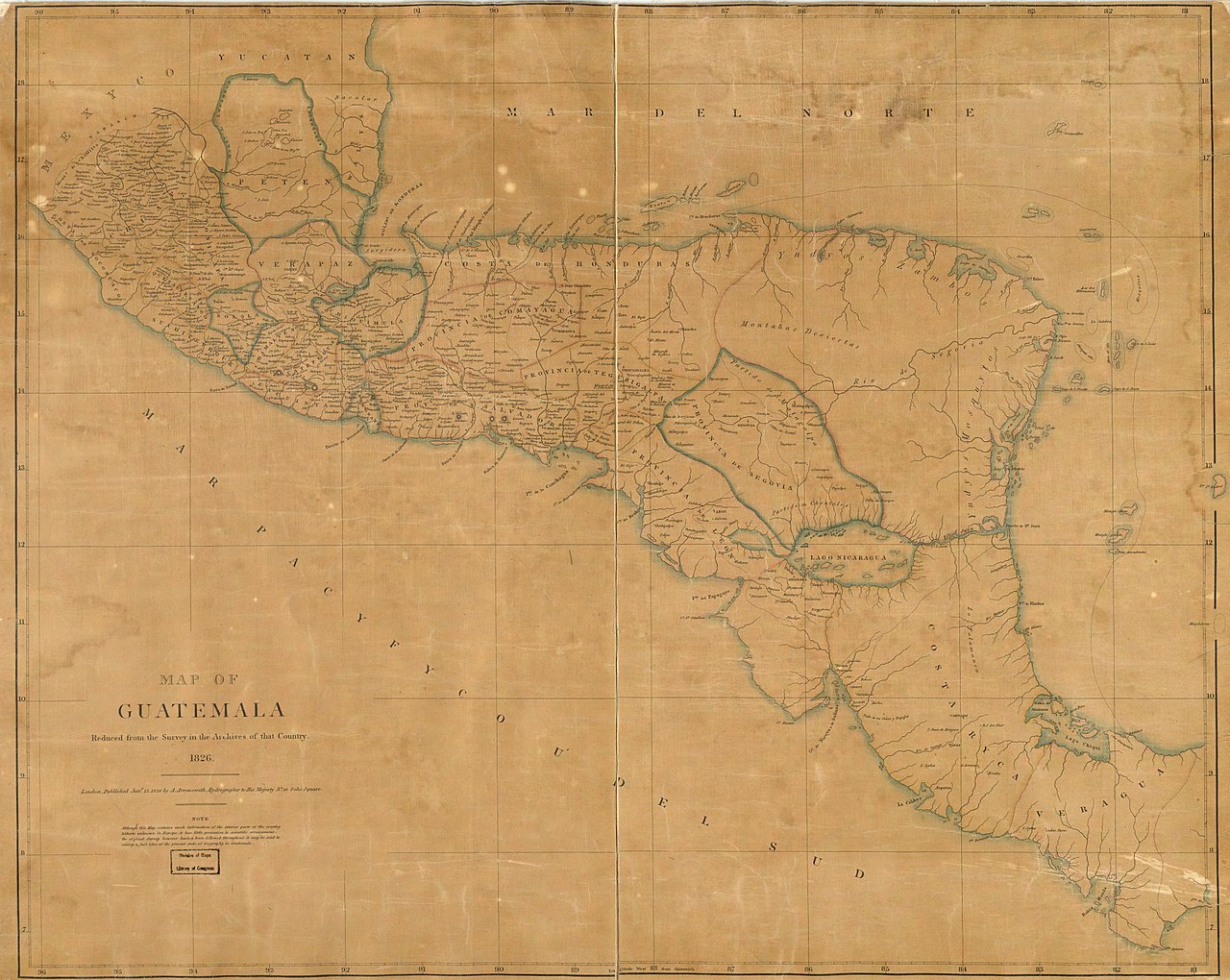
The establishment of the Captaincy General of Guatemala marked a transformative period in Central American history. This administrative division was formed as a part of the Spanish Empire's efforts to consolidate and streamline its governance in the region, which included present-day El Salvador. The Captaincy General was established as a response to the challenges posed by governing distant territories, aiming to fortify Spanish rule and improve coordination across its colonial holdings.
The creation of the Captaincy General brought several key changes to El Salvador and neighboring territories. At the time, these lands were collectively known as the Kingdom of Guatemala. This new administrative arrangement increased control and oversight from the Spanish crown, facilitating more efficient tax collection, law enforcement, and defense against external threats, such as pirate incursions and indigenous uprisings. The centralization of power also had a significant impact on commerce, as it improved the regulation of trade routes and economic activities.
El Salvador, as part of this administrative division, experienced shifts in the social and economic landscape. The introduction of systems for more effective land management and labor—often exploitative—accelerated the development of plantations, particularly for indigo and cacao. These commodities became vital exports to Europe, embedding the local economy deeper into the colonial mercantile system.
Despite the increased control, the establishment also necessitated a complex relationship with indigenous populations. The Spanish authorities used various methods to exert dominance, including religious conversion and forced labor under encomiendas, a system that granted Spanish settlers the right to extract labor from indigenous people. This relationship often led to cultural suppression and population decline among the indigenous communities.
By enhancing the administrative cohesion of its Central American territories, Spain aimed to strengthen its geopolitical and economic standings. Nevertheless, this move also set the stage for future societal and resistance movements, as the centralized control would face challenges from local populations seeking autonomy throughout history.
Overall, the establishment of the Captaincy General of Guatemala was a significant restructuring of colonial governance that had lasting implications on the administrative efficiency, economic exploitation, and societal dynamics of El Salvador and the broader Central American region.
#ElSalvador #ColonialHistory #SpanishEmpire #CentralAmerica #Administration #Economy #IndigenousRelations #MoofLife
View details1537
In Izalco, a region in present-day El Salvador, indigenous communities launched uprisings against Spanish colonial rule. This conflict was rooted in the aggressive land seizures and the imposition of encomiendas by the Spanish. Native populations were subjected to forced labor and heavy tributes, disrupting their traditional ways of life and causing widespread discontent.
The indigenous resistance in Izalco was marked by significant mobilizations of local tribes, leveraging their knowledge of the terrain and guerrilla tactics against Spanish forces. Leaders such as Anastasio Aquino emerged as symbols of defiance, inspiring unity among the indigenous peoples. The Spanish, equipped with more advanced weaponry and benefiting from internal divisions among native groups, were able to suppress the uprisings through military campaigns.
The impact of the uprisings was profound. While the immediate outcomes favored the Spanish, the resistance exemplified the resilience and determination of the indigenous communities. It marked a crucial episode in the broader context of colonial encounters in Central America, highlighting the complexities and the often brutal dynamics of colonial rule.
Statistics indicate that the Spanish forces, though fewer in number, inflicted heavy casualties on the indigenous fighters, who were less equipped for prolonged battles against firearms and cavalry. The suppression led to stricter controls and more systematic exploitation, exacerbating the suffering of the native populations. However, the spirit of resistance persisted, influencing subsequent generations and contributing to the historical narrative of indigenous struggles in the region.
The events in Izalco underscore the significant resistance faced by colonial powers and the enduring impact of such resistance movements. The uprisings are remembered as a testament to the indigenous communities' struggle for autonomy and justice.
#IndigenousResistance #ColonialHistory #ElSalvador #MoofLife
View details1525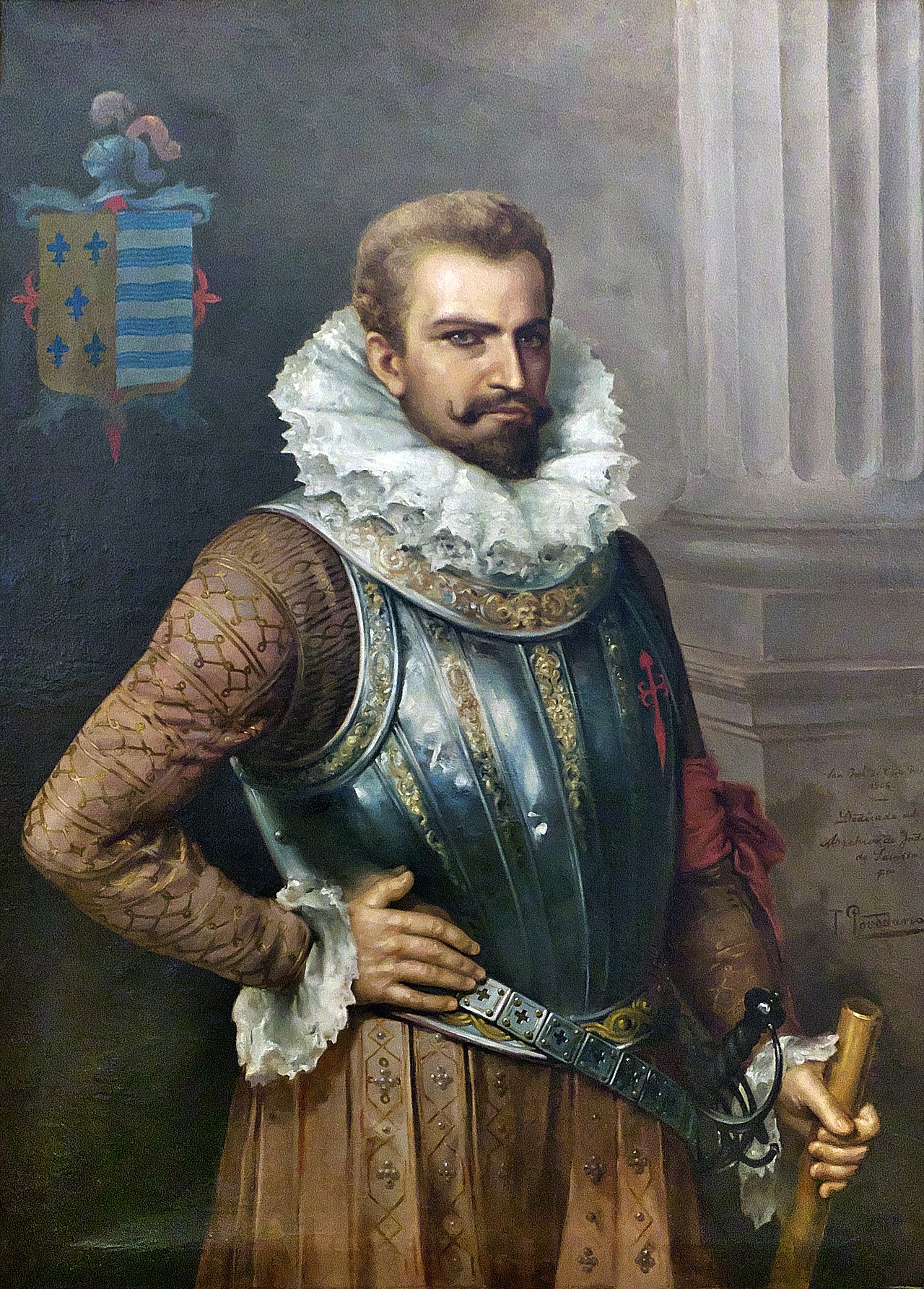
In the early 16th century, Spanish conquistadors were making rapid advances through Central America. The region known today as El Salvador was inhabited by various indigenous groups such as the Pipil, a Nahua people who fiercely resisted foreign incursions. Pedro de Alvarado, a lieutenant of Hernán Cortés, led an expedition to subdue the region.
Upon reaching the area, Alvarado's forces, consisting of both Spanish soldiers and indigenous auxiliaries from Mexico, encountered significant resistance from local tribes. However, the superior weaponry and tactics of the Spaniards eventually overwhelmed the indigenous defenders. Alvarado established a Spanish foothold by founding a new settlement named San Salvador.
View detailsThe construction of the first church in El Salvador, the Iglesia El Calvario, occurred during a period of European exploration and expansion in Central America. The foundation of this church marked an important moment in the colonial history of El Salvador, symbolizing the beginning of formal Catholic presence in the region. The Spanish, led by explorer and conqueror Pedro de Alvarado, had recently established control over the area and sought to spread Christianity among the indigenous populations.
In accordance with Spanish colonial policy, religious institutions were prioritized as a tool for both spiritual and administrative control. The building of Iglesia El Calvario was a strategic move to cement Spanish influence. The church itself was relatively modest in its original form, made primarily of locally sourced materials such as adobe and wood. Its construction was overseen by Spanish priests and facilitated by the labor of indigenous communities, who were often compelled to work.
Iglesia El Calvario was situated in a central location, making it accessible to both the Spanish settlers and the local indigenous population. The church served multiple purposes: it was a place of worship, a community center, and an administrative hub where the Spanish could govern and infuse their European cultural norms. The introduction of Christianity was accompanied by efforts to replace indigenous belief systems and practices, which included the establishment of a schedule of rituals and masses held at the church.
The impact of constructing the Iglesia El Calvario was significant in shaping the religious and socio-political landscape of El Salvador. It accelerated the spread of Christianity and facilitated the broader cultural assimilation efforts of the Spanish colonizers. Over time, the church underwent various renovations and expansions, reflecting the growing Spanish settlement and the increasing importance of religious institutions in the colony.
Today, while Iglesia El Calvario may have evolved in structure, its significance in Salvadoran history remains recognized. It stands as a testament to the early colonial efforts to reshape the region’s cultural and religious life.
#ElSalvadorHistory #ColonialEra #ReligiousImpact #CulturalAssimilation #PedroDeAlvarado #IndigenousCommunities #CatholicChurch #MoofLife
View details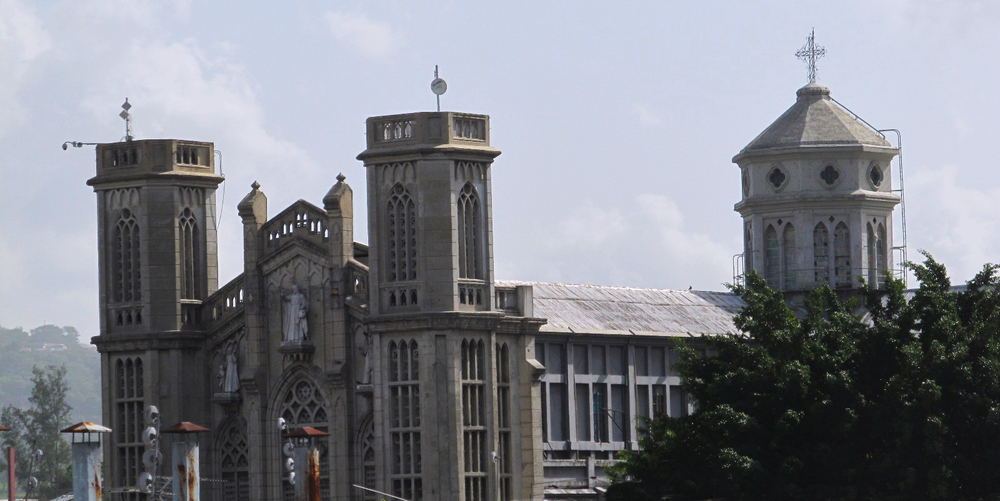
1524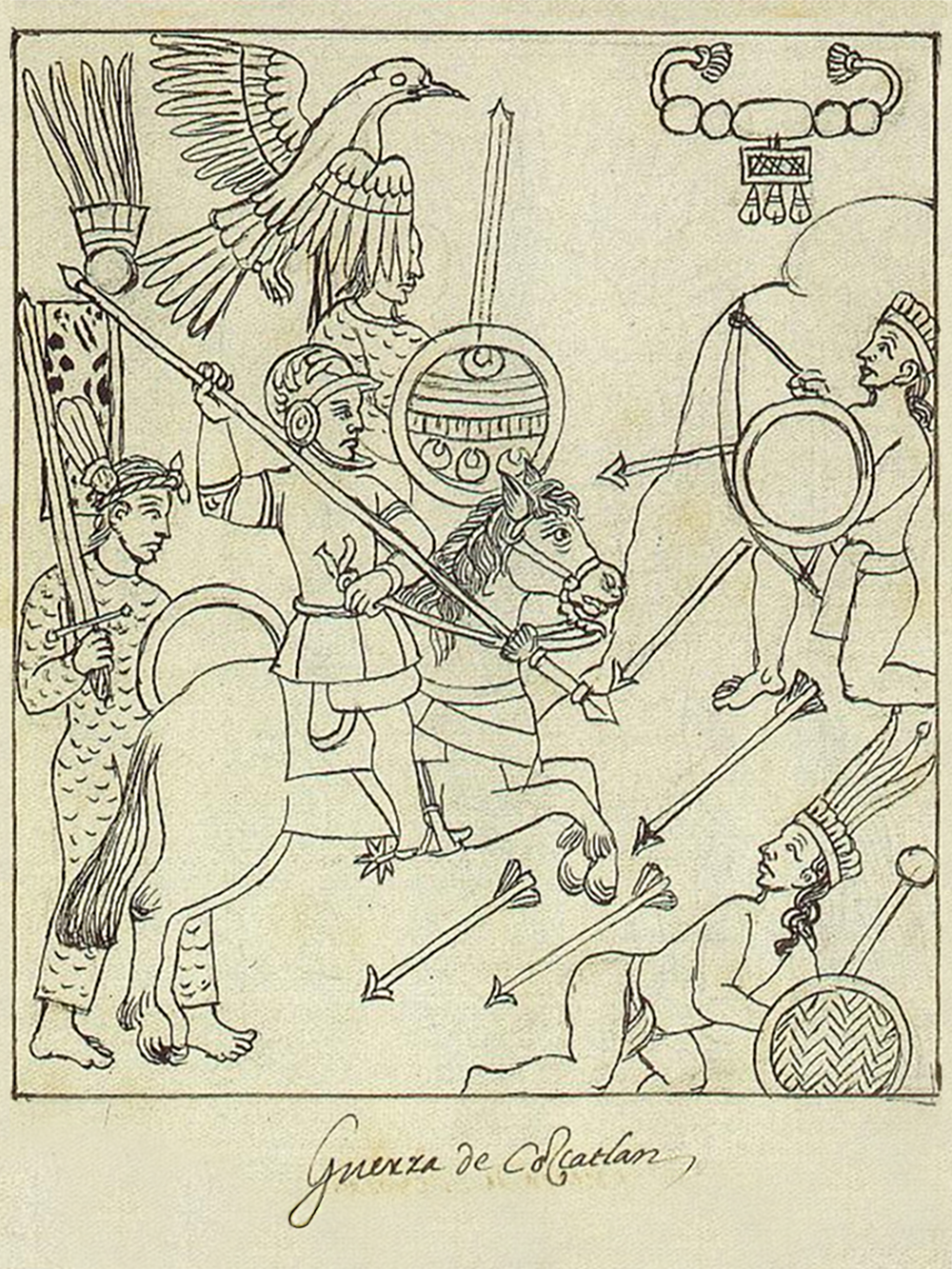
The Battle of Acajutla was a pivotal encounter between Spanish conquistadors led by Pedro de Alvarado and indigenous Pipil warriors in what is now known as El Salvador. As the Spaniards expanded their conquest efforts beyond Mexico, they faced fierce resistance from numerous indigenous groups. Alvarado, notable for his campaigns alongside Hernán Cortés, sought to subdue the Central American region to gain control over its resources and strategic location.
The confrontation at Acajutla was marked by the Spaniards' use of advanced weaponry, including firearms and steel swords, against the traditional arms of the Pipil warriors, such as spears and bows. The Spaniards' cavalry also played a significant role, providing mobility and a psychological edge over the indigenous forces. Despite being vastly outnumbered, the technological superiority and strategic planning of Alvarado’s troops led to their victory.
The aftermath of the battle saw the consolidation of Spanish control over the region, marking the beginning of significant cultural and demographic shifts. The indigenous population suffered immense losses, both on the battlefield and in subsequent colonization efforts, drastically reducing their numbers through warfare and diseases brought by the Europeans. The battle, thus, facilitated the establishment of Spanish colonial rule, leading to the integration of the region into the Spanish Empire.
This event is a crucial point in the history of El Salvador, symbolizing the collision of two worlds and the transformative impact of European colonization on the native societies of Central America. The legacy of the Battle of Acajutla is reflected in the modern socio-cultural dynamics of El Salvador, encompassing both the heritage of its indigenous peoples and the influences of Spanish colonization.
#AcajutlaBattle #SpanishConquistadors #IndigenousResistance #ElSalvadorHistory #ColonialImpact #MoofLife
View details1300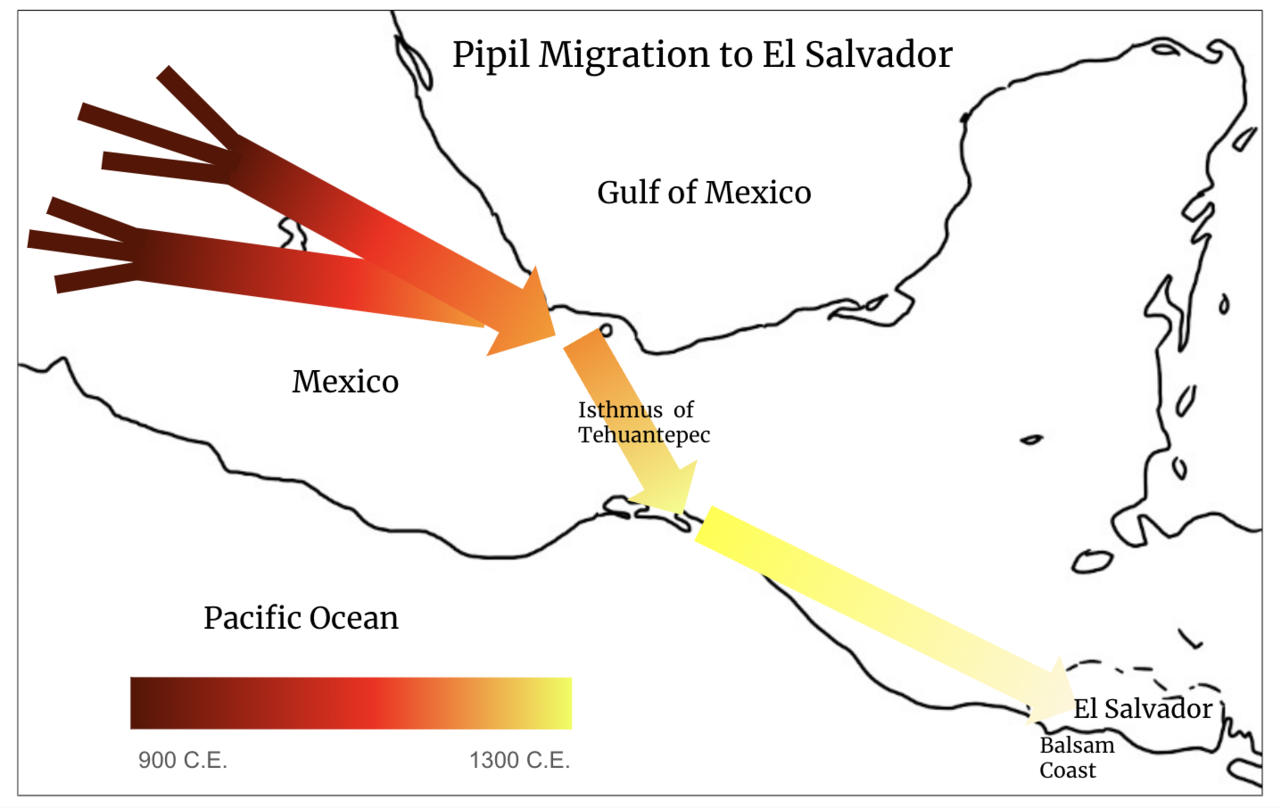
In the early 14th century, the Pipil people in western El Salvador established their kingdom. This process marked a pivotal development in Mesoamerican history. Originating from the Nahua culture, the Pipil were part of the greater Uto-Aztecan language family, migrating from central Mexico. They brought with them agricultural knowledge, advanced social structures, and religious practices.
Establishing their dominance in western El Salvador, the Pipil reorganized existing communities into a cohesive political entity. This restructuring included the implementation of a centralized governance system, led by a ruler and a council of nobles. This governance aimed at enhancing administrative efficiency and strengthening territorial control.
The kingdom encompassed several significant settlements. Two of the most notable were Cuzcatlan, which served as the political and cultural hub, and Tacuba, a crucial trade center. The Pipil kingdom engaged in extensive trade networks, fostering economic growth and cultural exchange. They traded goods such as cacao, obsidian, and textiles with neighboring regions, including the Maya and the Lenca.
Socially, the Pipil introduced hierarchical structures, dividing their society into classes that included nobles, commoners, and slaves. They practiced intensive agriculture, cultivating crops such as maize and beans, and developed irrigation systems to support increased agricultural productivity. Religious practices played a central role in Pipil society, involving complex ceremonies and rituals dedicated to deities of their pantheon.
The formation of the Pipil kingdom also led to cultural synthesis. As they interacted with neighboring cultures, the Pipil incorporated elements of Maya architecture and Lenca pottery techniques. This blend of cultural traits enriched their societal development and artistic expressions.
In military terms, the kingdom maintained a formidable warrior class, vital for defending its territories and expanding influence. Through strategic alliances and conquests, the Pipil kingdom asserted its presence, contributing to the broader political landscape of pre-Columbian Mesoamerica.
The establishment of the kingdom had a lasting impact on the region. It solidified the Pipil's influence and laid the groundwork for subsequent historical events. Their cultural and social systems set precedents that would endure across centuries.
#ElSalvadorHistory #PipilKingdom #CulturalSynthesis #MesoamericanTrade #AncientGovernance #MoofLife
View details1250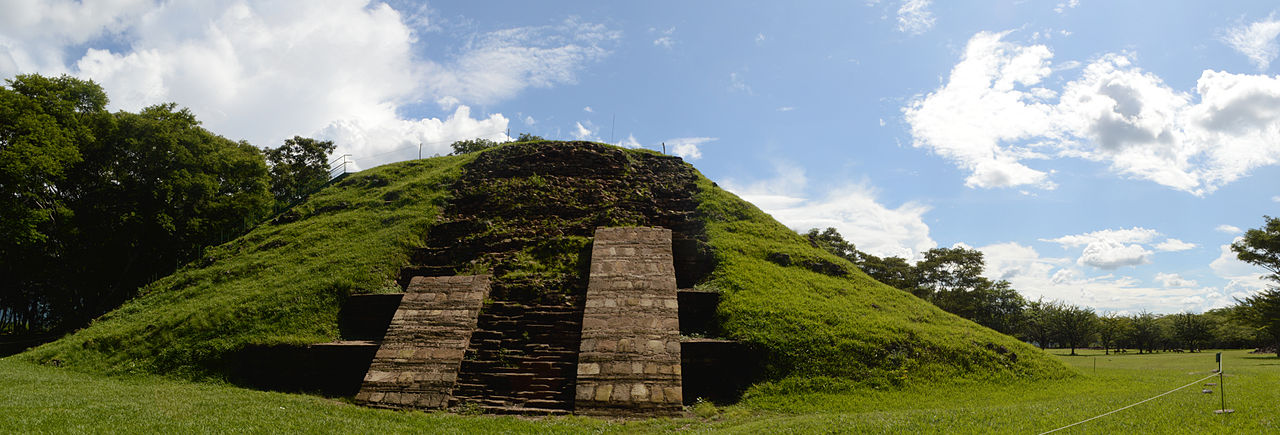
In the historical backdrop of Mesoamerica, the construction of Cihuatan stands as an important episode in the evolution of the Mayan civilization in El Salvador. Situated north of modern-day San Salvador, Cihuatan's establishment was a critical strategic and cultural development that reflected the dynamics of Mayan expansion and settlement patterns in the region.
Cihuatan was part of the broader movement of Mayan groups migrating and establishing new centers of trade, administration, and cultural activities. The site was carefully chosen for its fertile lands and its strategic location near water sources, which were crucial for sustaining a growing urban population. The urban planner's layout of Cihuatan included a central acropolis, ceremonial plazas, ball courts, and residential areas, indicating an organized approach to city planning and communal life.
The founding of Cihuatan had substantial impacts on regional trade networks, fostering economic exchange with neighboring and distant communities. The city's architecture and artifacts, including ceramics and obsidian tools, reveal a synthesis of local and external influences, showcasing the cultural interactions between different Mesoamerican civilizations. It also served as a hub for agricultural production, religious activities, and political administration.
Archaeological excavations have uncovered remnants of grand ceremonial structures and evidence of sophisticated agricultural practices. These discoveries, such as the remains of irrigation systems and terraced fields, highlight the ingenuity and adaptability of the Mayan people in optimizing their environmental resources. Additionally, artifacts such as jade ornaments and pottery underscore the artistic and craft expertise that proliferated within Cihuatan.
Cihuatan's role in the broader Mesoamerican context is underscored by its connections to trade routes that facilitated the exchange of goods and cultural ideas. The city's influence and interactions with the surrounding regions illustrate the interconnectedness of Mayan urban centers.
In conclusion, the establishment of the Mayan city of Cihuatan represents a pivotal moment in the history of El Salvador. Its founding marked an era of significant urban and cultural development, exemplifying the Mayan civilization’s ability to adapt, thrive, and influence across Mesoamerica. The legacy of Cihuatan continues to contribute to our understanding of ancient urbanization and cultural complexity.
#MayanHistory #Cihuatan #ElSalvadorHistory #Archaeology #TradeNetworks #UrbanDevelopment #MoofLife
View details1200
The establishment of the Cuzcatlan Kingdom in the territory of present-day El Salvador marked a pivotal moment in the region’s history. Emerging around the 13th century, Cuzcatlan was formed by Pipil people, a Mesoamerican Nahua ethnic group that migrated from the central Mexican plateau. Upon settling in the area now known as El Salvador, the Pipil people established a socio-political structure that facilitated agricultural development and trade with neighboring territories.
This kingdom's territory extended over what is today the western part of El Salvador. The establishment of Cuzcatlan was characterized by the construction of fortified cities and administrative centers that served as hubs for political and economic activities. The society within Cuzcatlan was hierarchical, with a ruling class of nobles overseeing both governance and religious activities. The commoners, primarily engaged in agriculture, cultivated crops such as maize, beans, and squash, which were staples of their diet and essential for trade.
The creation of the Cuzcatlan Kingdom had a profound impact on the cultural landscape of the region. With its organized governance, the kingdom fostered a degree of stability that allowed for the flourishing of arts and crafts. The Pipil people were known for their ceramics and textiles, which reflected their sophisticated craftsmanship. Moreover, the kingdom maintained a network of trade routes that connected Cuzcatlan with other Mesoamerican civilizations, facilitating the exchange of goods and cultural influences.
Additionally, the establishment of the Cuzcatlan Kingdom influenced the regional balance of power. It enabled the Pipil people to resist incursions from neighboring groups and expand their influence across the central and western parts of what is today El Salvador. The fortified cities served not only as centers of commerce and governance but also as defensive positions against external threats.
The legacy of Cuzcatlan is remembered for shaping the pre-colonial history of El Salvador. Its social, political, and economic structures provided a foundation that would eventually be challenged and transformed with the arrival of Spanish conquistadors centuries later.
#CuzcatlanKingdom #ElSalvadorHistory #PipilPeople #MesoamericanCultures #MoofLife
View details