
United Arab Emirates

The Emirates
About
#Dubai
#UAE
#AbuDhabi
#DiscoverUAE
#Sharjah
#UAEVibes
#Emirates
Life Classification
Country
Life ID
EL4297119013337
Verified Name
uniteda-arab-emirates
Life Type
Entity Life
Life Editor(s)
History Editorial Network (HEN)
Life Privacy
Public
Subscription
Elite
Created On
2024-07-31
Updated On
2026-01-09
Connect
Related Lives

Ethiopia
Federal Democratic Republic of Ethiopia

Bosnia and Herzegovina
The Land of Golden Lilies

Haiti
The Resilient Spirit of Haiti

Ottoman Empire
A global superpower for over 600 years

Botswana
The Heart of Southern Africa

Argentina
Land of the Tango

Mauritius
Island Rythms

Hungary
Tales of the Danube

2026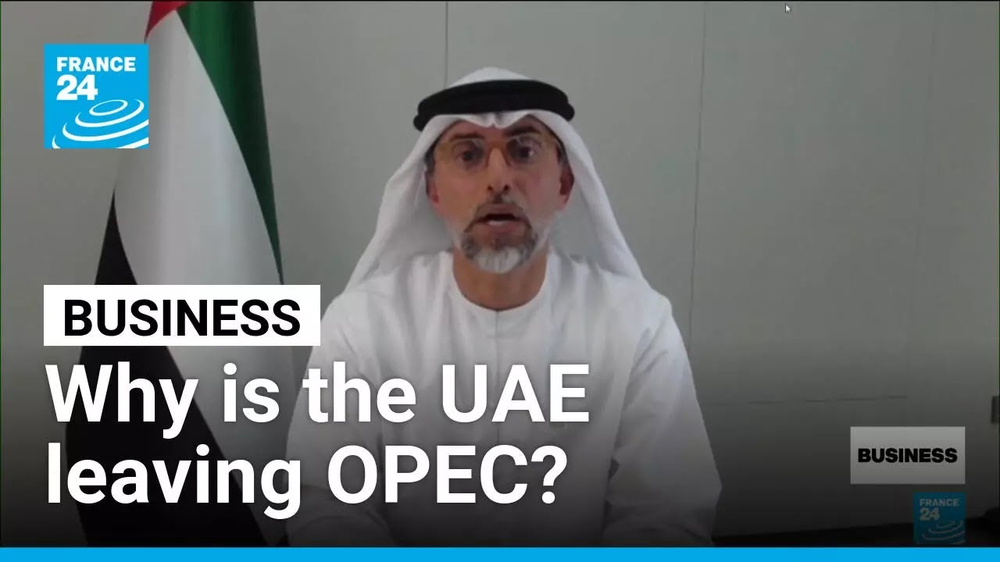
On 01/05/2026, the United Arab Emirates officially withdrew from the Organization of the Petroleum Exporting Countries (OPEC) and the wider OPEC+ alliance, ending a membership that began in 1967 through Abu Dhabi and continued after the formation of the UAE in 1971. The decision marked one of the most consequential changes to the oil producers' group in recent decades, as the UAE was OPEC's third largest producer and one of the few members with substantial spare production capacity. The withdrawal was announced on 28/04/2026 and took effect three days later following what UAE officials described as a comprehensive review of national energy policy and long term economic priorities.
A central factor behind the decision was the UAE's desire for greater production flexibility. Over several years, Abu Dhabi invested heavily in expanding oil production infrastructure, increasing its capacity to approximately 5 million barrels per day. However, OPEC production quotas limited actual output to around 3.5 million barrels per day, leaving a significant portion of the country's production capability unused. UAE officials argued that independent production decisions would better align with national economic interests, investor expectations, and future energy market opportunities.
The withdrawal also occurred against a backdrop of growing regional tensions. Reports noted persistent disagreements between the UAE and Saudi Arabia regarding production quotas and broader strategic priorities. At the same time, the conflict involving Iran and the resulting disruptions to shipping through the Strait of Hormuz increased pressure on Gulf energy exporters. UAE policymakers concluded that a more autonomous energy strategy would allow the country to respond more effectively to market conditions and geopolitical risks affecting oil exports and revenues.
The departure removed one of OPEC's largest and most reliable producers from the cartel. Industry analysts observed that the UAE accounted for roughly 3.4 million barrels per day of production before regional conflict disrupted exports, representing about 12 percent of OPEC output and approximately 3 percent of global crude supply. Its exit shifted a greater share of responsibility for managing production levels and price stability onto Saudi Arabia and the remaining OPEC+ members. Subsequent OPEC+ meetings focused on maintaining market stability despite the loss of one of the alliance's most significant producers.
Why This Moment Matters:
The UAE's withdrawal represented the largest producer departure from OPEC in recent history and highlighted changing dynamics within the global oil market. The move underscored the growing importance of national production strategies over collective quota systems for some major exporters and raised questions about OPEC's future ability to influence global supply through coordinated output agreements.
Moment Start Date: 28/04/2026 (Announcement)
End Date: 01/05/2026 (Withdrawal Effective)
View details2025
A major rainstorm caused widespread flooding in Dubai and the wider United Arab Emirates, as unusually heavy rainfall overwhelmed streets, transport networks, and urban areas not typically designed for large volumes of water. In mid‑December 2025, a powerful weather system brought intense rain, thunderstorms, and lightning to Dubai and neighbouring emirates, prompting official warnings for residents to stay indoors unless absolutely necessary and urging businesses to allow staff to work from home due to hazardous conditions. The National Center of Meteorology forecast heavy rainfall across Dubai, Abu Dhabi and other emirates, and police and emergency services responded to thousands of calls for assistance as roads became waterlogged and traffic was disrupted.
The storm led to significant flooding on key streets and highways and forced flight cancellations and delays at Dubai International and Sharjah airports, with Emirates grounding multiple flights as conditions worsened. Water accumulated rapidly on urban roads and wadis (dry valleys), and authorities deployed flood‑management teams and drainage pumps to clear standing water and keep traffic moving. The severe weather revived memories of record rain and flooding in April 2024, when the UAE experienced its heaviest rainfall in decades, underscoring both the rarity and impact of such events in the region’s desert climate. Experts note that intense storms like this can overwhelm local drainage infrastructure and create hazardous conditions for residents and travellers.
View detailsDubai Airshow 2025 was held from 17 to 21 November 2025 at Dubai World Central (DWC) in the United Arab Emirates, emerging as one of the largest and most significant editions of the long‑standing biennial aerospace event. The show brought together industry leaders, government delegations, airlines, defence partners, and aerospace manufacturers from over 100 countries. It featured an extensive static display of aircraft on the ground and dynamic flying demonstrations, showcasing commercial airliners, advanced defence platforms, next‑generation business jets, and emerging technologies such as electric vertical take‑off and landing (eVTOL) aircraft.
Leading manufacturers including Boeing and Airbus highlighted broad portfolios and strategic growth plans in the Middle East. Boeing emphasised partnerships and long‑term market potential in commercial and defence segments, while Airbus showcased environmentally focused innovations and expanded product lines suited to regional demand. The event also featured participation from military aviation units, with high‑profile aerial demonstrations underscoring global defence cooperation and airpower capabilities.
In addition to aircraft displays and flying sequences, Dubai Airshow 2025 hosted a series of industry conferences, expert panels, and networking forums where stakeholders discussed key trends in sustainability, digital transformation, supply chain resilience, and future mobility. Commercial activity remained robust, with reports of significant orders and commitments, particularly for fuel‑efficient and next‑generation aircraft, reflecting ongoing demand across passenger and cargo aviation. Overall, the 2025 Dubai Airshow reinforced Dubai’s role as a global aerospace hub and a central forum for advancing innovation, cooperation, and investment in aviation.
View details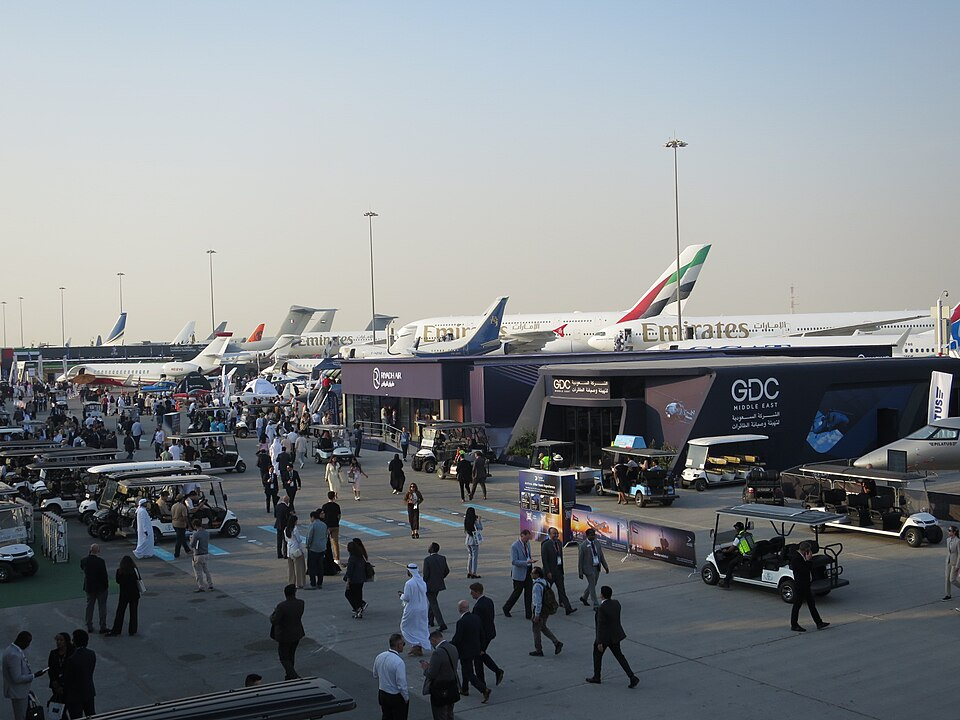
On 17 February 2025, Ukraine and the United Arab Emirates (UAE) signed a Comprehensive Economic Partnership Agreement (CEPA) in Abu Dhabi, marking a historic deepening of bilateral economic ties between the two nations. The treaty was concluded during an official state visit by Ukrainian President Volodymyr Zelenskyy and was witnessed by UAE President Sheikh Mohamed bin Zayed Al Nahyan, underscoring the strategic importance both countries place on economic cooperation. The CEPA immediately eliminates customs duties on 99 % of Emirati goods imported into Ukraine and 97 % of Ukrainian exports to the UAE, significantly expanding market access and reducing trade barriers for businesses in both countries.
The agreement is expected to boost economic growth and investment flows, contributing an estimated US $369 million to the UAE’s GDP and US $874 million to Ukraine’s economy by 2031, while supporting Ukraine’s ongoing economic recovery and diversification efforts. It also opens new opportunities for cooperation in infrastructure, technology, manufacturing, energy, agriculture, and other key sectors. The CEPA is the first such deal Ukraine has signed with a Gulf Cooperation Council country and represents a major step in strengthening trade, investment, and long-term economic partnership between Kyiv and Abu Dhabi. Both leaders highlighted the potential of the agreement to catalyse broader regional integration and mutual prosperity.
View details
Malaysia and the United Arab Emirates signed a Comprehensive Economic Partnership Agreement (CEPA) on January 14, 2025, marking a major milestone in bilateral relations and economic cooperation. The agreement was concluded during a high-level visit by officials from both governments and reflects shared goals to deepen trade, investment, and strategic economic ties. It is designed to facilitate market access, reduce barriers to commerce, and create new opportunities for businesses in both countries by lowering tariffs, streamlining customs procedures, and strengthening regulatory cooperation across key sectors.
Under the CEPA, Malaysian exports such as palm oil, rubber products, manufactured goods, and services are expected to receive enhanced access to UAE markets, while UAE investments in infrastructure, energy, logistics, and technology sectors in Malaysia are likely to increase. Both sides also agreed to strengthen cooperation in areas including digital trade, financial services, tourism, and sustainable development, reflecting broader efforts to diversify economic linkages and support innovation. The agreement aligns with Malaysia’s strategy to expand its global trade partnerships and with the UAE’s aim to position itself as a diversified economic hub connecting Asia, the Middle East, and Africa.
The signing of the CEPA carries broader geopolitical and economic significance. It signals growing cooperation among emerging market economies and reinforces the importance of bilateral frameworks in driving post-pandemic economic recovery. Leaders from both countries emphasised the pact’s potential to boost job creation, enhance competitiveness, and contribute to long-term prosperity. Analysts noted that the deal strengthens Malaysia’s foothold in the Gulf region and complements the UAE’s broader trade and investment outreach. Overall, the Malaysia–UAE Comprehensive Economic Partnership Agreement represents a strategic commitment to deeper economic integration and shared growth in the years ahead.
View details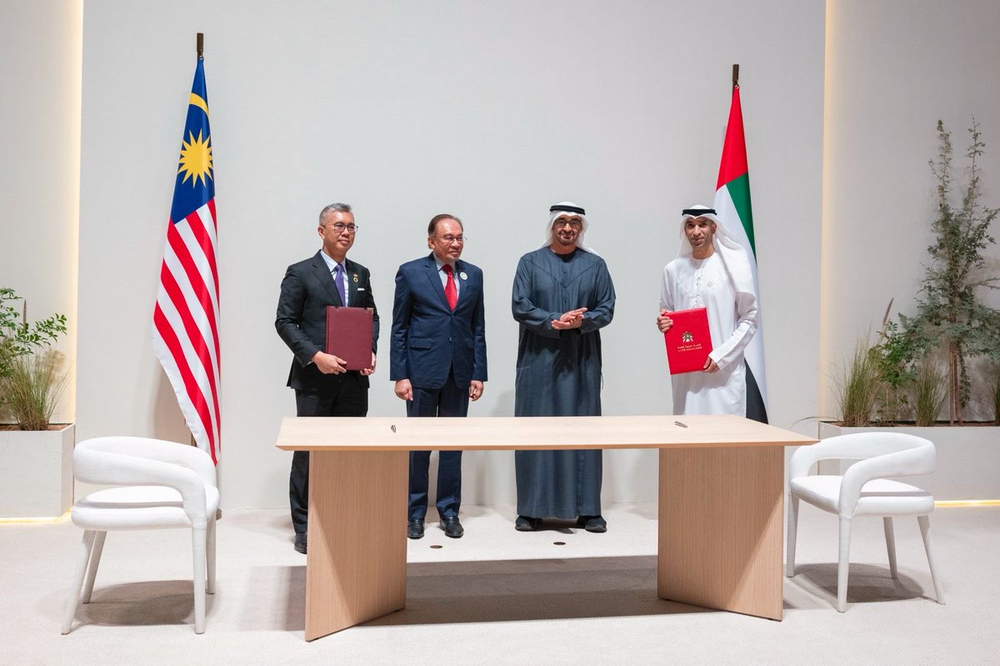
2024
"The ICC Women's T20 World Cup commenced under the spotlight in the United Arab Emirates, marking a significant event in the cricket calendar. This iteration saw teams from across the globe come together to compete in the fast-paced, twenty-over format of the game. After a series of intense matches, the New Zealand women's cricket team earned their first Women's T20 World Cup title, demonstrating skill and tenacity throughout the tournament.
New Zealand's journey to victory was characterized by strategic plays and formidable performances. In the group stage, they secured crucial victories against strong competitors, which continued into the knockout stages with composed and effective cricket. Their semi-final match showcased superior bowling and fielding, setting the stage for a thrilling final.
The final match saw New Zealand face off against the host nation, UAE, which had made an impressive run to reach the finale. Amidst a charged atmosphere, New Zealand batted first, posting a challenging total with contributions from key players, ensuring a competitive match. Their bowlers then capitalized on early breakthroughs to restrict the UAE's chase, securing the championship win.
This victory placed New Zealand at the forefront of women's cricket, providing a boost to the sport's profile back home and inspiring future generations. It also highlighted the potential of international cricket in the UAE, demonstrating their capability as a host nation for major sports events.
New Zealand's title win was a result of teamwork, preparation, and consistent performance, marking an important milestone in women's sports. The event drew significant attention globally, celebrating the prowess and sportsmanship of the participating teams.
#MoofLife #ICCWomensT20WorldCup #Cricket #NewZealand #UAE #Sports #Teamwork #Victory"
View detailsThe United Arab Emirates achieved a major milestone when it ascended to the 7th position in the World Competitiveness Report. This ranking reflected strategic reforms and policies put in place by the UAE government. Key factors contributing to this rise included significant investments in infrastructure, diversification of the economy, and advancements in technology and innovation.
Over the past decade, the UAE focused on reducing its dependency on oil revenues, investing in sectors such as tourism, finance, real estate, and renewable energy. The government's Vision 2021 initiative played a crucial role in these efforts, with goals aimed at fostering a knowledge-based economy and enhancing the business environment.
According to the World Competitiveness Report, the UAE excelled in various metrics, such as government efficiency, infrastructure development, and digital transformation. Investments in high-speed internet and mobile network technologies positioned the nation as a leader in digital readiness. The government also implemented policies to attract foreign investment and boost the ease of doing business. For example, the introduction of 100% foreign ownership laws in key sectors spurred international interest.
The report emphasized the UAE's advancements in education and workforce development. Initiatives such as the National Innovation Strategy and partnerships with leading global educational institutions supported these improvements. The country also invested in health services, contributing to higher quality of life and productivity.
On the global stage, the UAE's enhanced competitiveness status strengthened its position as an influential economic hub in the Middle East and beyond. The ripple effects of this rise were seen in increased foreign direct investment, more robust domestic industries, and higher employment rates. Key statistics from the report highlighted that the UAE had one of the highest scores in business efficiency, surpassing traditional powerhouses in this domain.
The achievement was the result of a multi-faceted approach combining efficient policy-making, strategic economic diversification, and a commitment to technological innovation. The UAE's climb to the 7th position provided a blueprint for other nations aiming to enhance their global competitiveness through targeted reforms and long-term planning.
#UAECompetitiveness #EconomicReforms #GlobalRanking #Innovation #Infrastructure #BusinessExcellence #MoofLife
View detailsOn April 17, 2024, the United Arab Emirates experienced a catastrophic flood that caused widespread devastation across several emirates, including Dubai, Sharjah, and Ras Al Khaimah. This extreme weather event resulted from a record-breaking rainfall—described as the heaviest in 75 years—leading to massive flooding that paralyzed cities and severely disrupted daily life.
Key Impacts of the Flood:
Casualties and Damage: The floods claimed several lives and caused significant property damage. Reports indicate fatalities, as the heavy rains also affected the broader Gulf region. Thousands of vehicles were submerged, and infrastructure, including roads, homes, and businesses, suffered extensive damage.
Infrastructure Strain: Dubai's infrastructure was particularly hard hit, with major roads turning into rivers and the basement levels of many buildings, including parking structures, completely flooded. Dubai International Airport, one of the world's busiest, faced significant disruptions, with numerous flights delayed or canceled due to waterlogged runways.
Emergency Response: The UAE government responded quickly, with emergency services deployed to rescue stranded residents and clear waterlogged streets. Efforts included using tanker trucks to pump water out of affected areas and providing shelter for displaced families. The Vice President of the UAE, Sheikh Mohammed bin Rashid, ordered hotels to accommodate those forced out of their homes by the floods.
Long-Term Implications:
This disaster has highlighted the increasing vulnerability of the UAE to extreme weather events, likely exacerbated by climate change. The flood underscored the need for improved flood defenses and early warning systems. In response, the UAE government has been investing in advanced infrastructure, including a $2.5 billion stormwater management system in Dubai, aimed at mitigating future flood risks.
As the nation begins the recovery process, it also faces significant economic challenges, with insurance claims expected to rise sharply due to the extensive damage. This event has also prompted discussions about enhancing urban planning and resilience to withstand such extreme weather in the future.
View details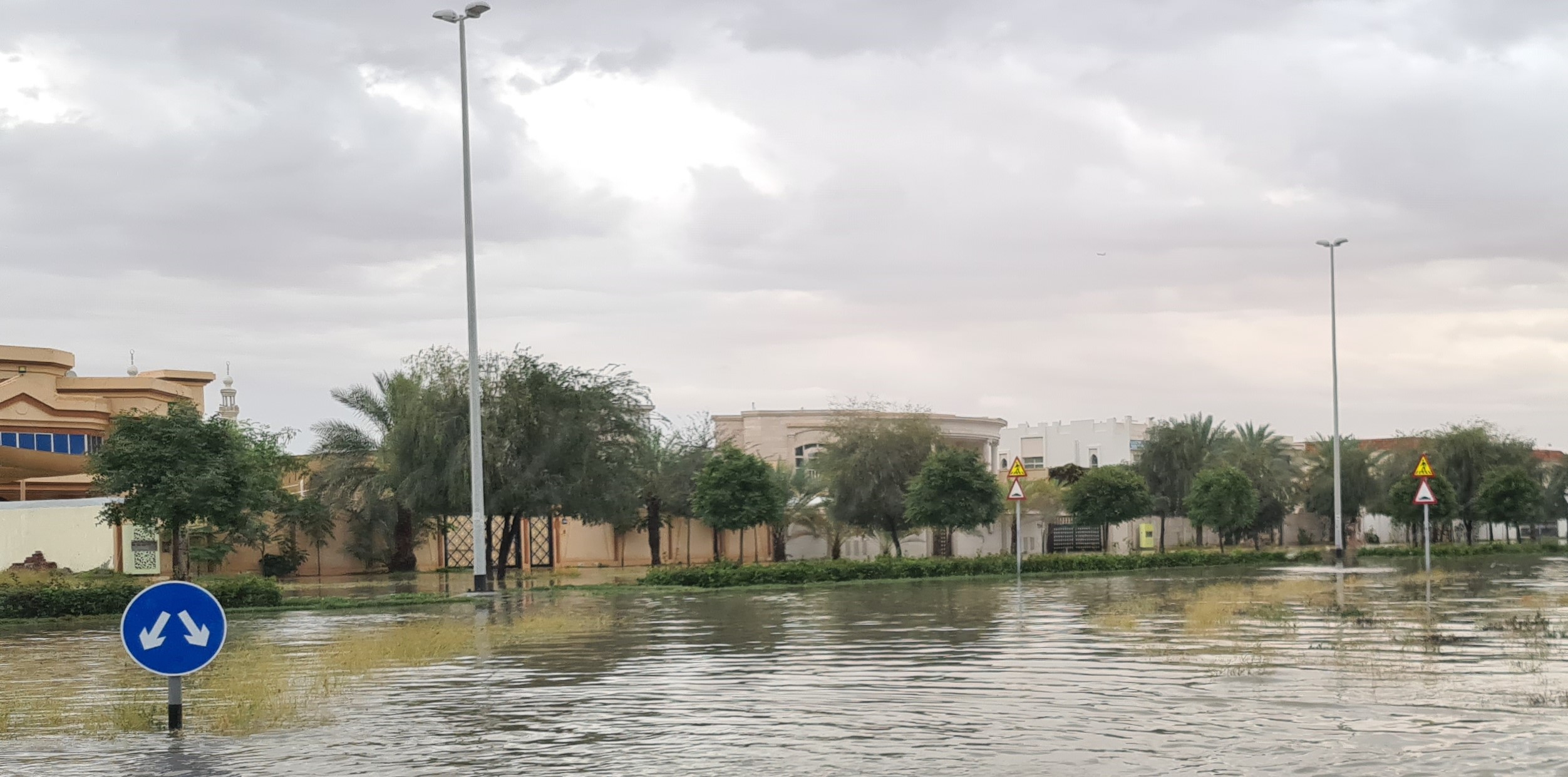
The Barakah Nuclear Power Plant, located in the Al Dhafra region of Abu Dhabi, reached a landmark point in its development with the full operational status of its fourth reactor. This achievement marked the completion of the UAE's first nuclear power plant, envisioned as a cornerstone of the nation's clean energy strategy. The Barakah plant, managed by the Emirates Nuclear Energy Corporation (ENEC), began its journey into operation years earlier with the gradual commissioning of its first three reactors.
When the fourth unit started generating electricity, it elevated the plant's total capacity to 5,600 megawatts. This increased capacity is capable of providing up to 25% of the UAE's electricity needs. The Barakah plant, once fully operational, was expected to offset millions of tons of carbon emissions annually, contributing significantly to the country's commitment to reducing its carbon footprint and combating climate change as part of its long-term sustainability agenda.
The Emirates' leadership had foreseen the need for diversifying energy resources several decades ago, recognizing the importance of reducing reliance on traditional fossil fuels. The completion of the Barakah plant aligns with global energy transition trends which advocate for increased use of renewable and clean energy sources. The UAE’s Energy Strategy 2050 outlines a comprehensive framework combining renewable, nuclear, and clean fossil fuel, aiming to balance economic requirements and environmental responsibility.
Nuclear energy, noted for its capability to provide a stable and reliable baseline electricity supply, represents a significant shift in the nation’s energy portfolio. Besides environmental benefits, the Barakah project has also acted as a catalyst for socio-economic growth, offering numerous employment opportunities and bolstering technical expertise within the local workforce.
Additionally, international partnerships have played a crucial role in the development of the Barakah Nuclear Power Plant. In collaboration with South Korean entities, the project has observed rigorous safety standards to ensure the highest levels of operational safety and environmental protection.
The Barakah Nuclear Power Plant's operational completion is not just an energy milestone, but also an emblem of the UAE's forward-thinking approach, setting a regional precedent for cleaner energy solutions. This milestone in the UAE’s energy sector reflects its dedication to sustainable development and highlights the country’s role in leading efforts towards a more sustainable future.
#Barakah #NuclearEnergy #CleanEnergy #Sustainability #UAE #MoofLife
View details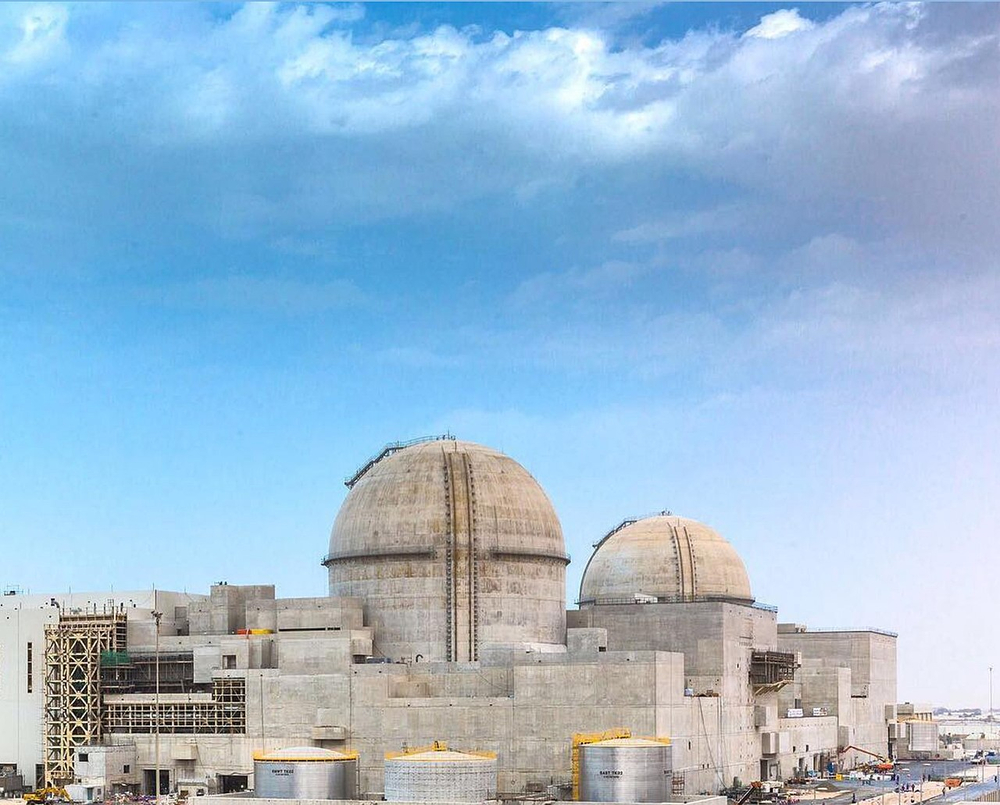
The Financial Action Task Force (FATF) recently announced the removal of the United Arab Emirates (UAE) from its grey list, a move that signifies the country's improved adherence to anti-money laundering and counter-terrorism financing measures. This change underscores UAE’s effective implementation of strategies aimed at addressing deficiencies that led to its initial grey list inclusion.
Initially, the UAE landed on the grey list due to identified gaps in regulatory frameworks and enforcement related to anti-money laundering (AML) and combatting the financing of terrorism (CFT). Over the recent period, the country has undertaken a series of substantial reforms to strengthen these areas.
Key measures implemented by the UAE included stringent regulations on financial institutions to detect and report suspicious transactions, enhanced coordination among regulatory bodies, and increased resources allocated to enforcement agencies. These efforts have led to notable improvements in compliance and enforcement actions. The number of suspicious transaction reports (STRs) submitted saw an uptick, reflecting a more vigilant and proactive approach within financial institutions.
The removal from the grey list has significant implications. Financial analysts observe that this positive development will bolster investor confidence and enhance the UAE's global financial standing. The clearer regulatory environment is expected to attract higher levels of foreign direct investment (FDI), which is crucial for the country’s vision to diversify its economy beyond oil.
Moreover, businesses operating within the UAE are likely to experience reduced compliance costs and fewer regulatory hurdles, thereby fostering a more conducive environment for economic activities. The country’s international trade relationships also stand to benefit, as the grey list removal mitigates potential concerns of financial risks among global trading partners.
The UAE’s journey towards enhanced AML and CFT compliance demonstrates a critical evolution in its regulatory landscape, reflecting a broader global trend towards stringent financial oversight and integrity. #UAECompliance #AML #CFT #FinancialIntegrity #GlobalEconomy #MoofLife
View details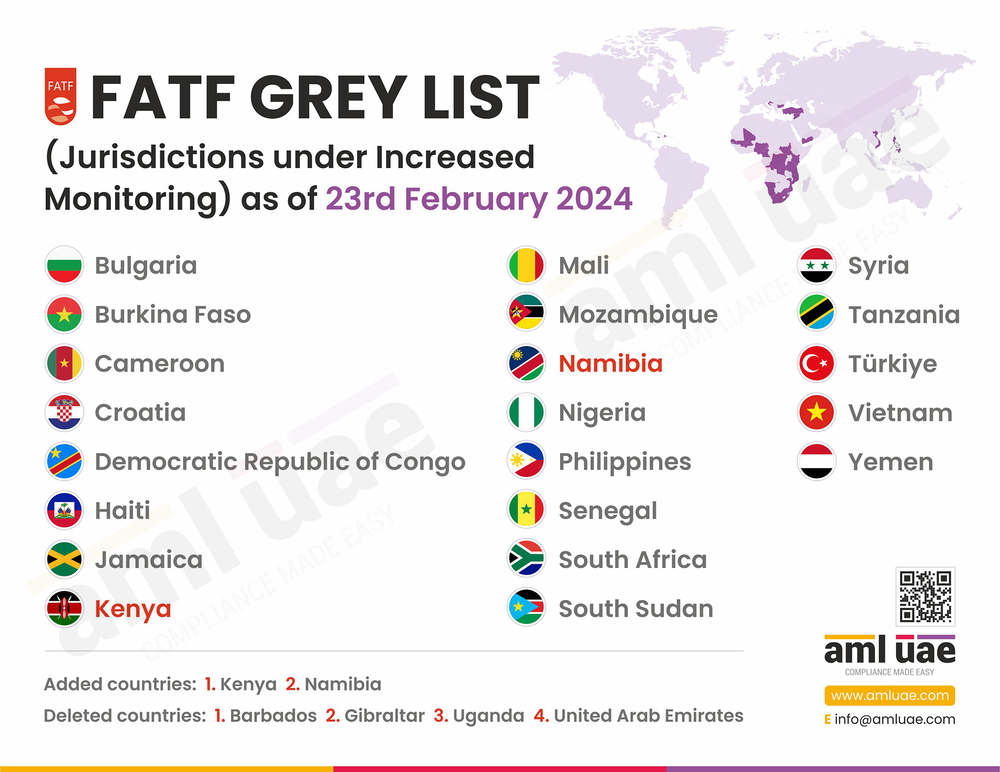
The BAPS Hindu Mandir in Abu Dhabi was inaugurated, marking a momentous occasion in the United Arab Emirates (UAE). This temple stands as the first Hindu temple in the capital city, symbolizing the UAE's commitment to cultural and religious diversity. The project's inception can be traced back to a series of diplomatic engagements and growing expatriate communities in the Gulf region.
The UAE has been home to a significant number of Indian expatriates. Estimates suggest that over three million Indians live in the UAE, constituting the largest expatriate community in the country. The decision to build the temple was influenced by this demographic, recognizing the need for a space where the Hindu community could practice their faith.
Constructed by the Bochasanwasi Akshar Purushottam Swaminarayan Sanstha (BAPS), the temple is an epitome of intricate craftsmanship. Artisans from India were commissioned to work on traditional motifs, carvings, and architectural elements. The land for the temple was generously allotted by the UAE government, illustrating a gesture of goodwill and mutual respect between the two nations.
The temple's inauguration was attended by dignitaries from both countries, including senior UAE officials and Indian representatives. The event highlighted the UAE's vision for harmony among various cultural and religious groups coexisting within its borders. Many viewed this as a testament to the nation's forward-thinking policies, which aim to foster an inclusive society.
The temple is not merely a place of worship; it is expected to serve as a cultural center, promoting educational activities and interfaith dialogue. It stands as a landmark for fostering deeper understanding and friendship between different communities in the UAE.
In its early days, the temple has already attracted thousands of visitors, both residents and tourists, illustrating the wide-reaching impact of its presence. It stands in alignment with UAE’s broader vision of tolerance and cultural openness, which is integral to the country's social fabric.
#UAE #CulturalDiversity #ReligiousTolerance #BAPSHinduMandir #IndianCommunity #InterfaithHarmony #MoofLife
View details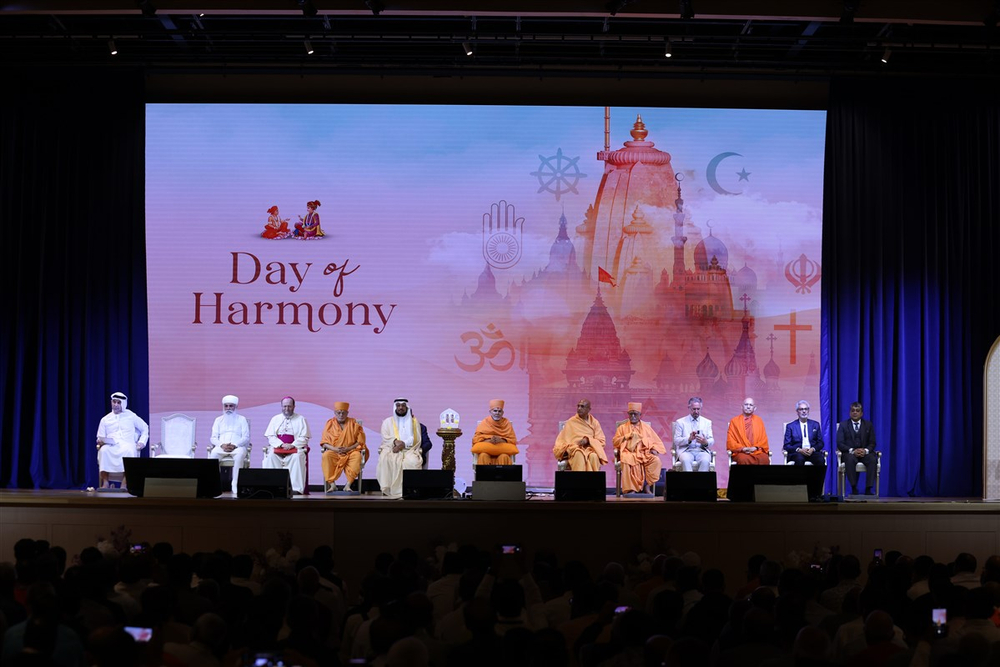
The United Arab Emirates (UAE) officially joined the BRICS group, marking a pivotal shift in its economic and political landscape. BRICS, originally consisting of Brazil, Russia, India, China, and South Africa, represents a substantial portion of the world's population and economy. The inclusion of the UAE signified a strategic alignment with emerging economies, enhancing its influence in global affairs.
The UAE's decision to join BRICS was the culmination of its long-term strategy to diversify its economy beyond oil and bolster its global partnerships. As an established hub for finance, trade, and tourism in the Middle East, the UAE brings to BRICS a robust financial system, strategic geographical location, and substantial sovereign wealth funds. This move aligns with the UAE’s Vision 2021, which aims to cement its status as a leading global player.
The impact on the global stage is multifaceted. Economically, the UAE's membership is expected to foster increased trade and investment flows between BRICS nations and the Middle East. According to the World Bank, BRICS countries collectively contribute over 23% of the global GDP. The UAE’s inclusion is likely to boost this figure, with potential increases in foreign direct investment and bilateral trade agreements.
Politically, the UAE's entry into BRICS could reshape existing alliances and introduce new dynamics within global governance frameworks such as the United Nations and the World Trade Organization. The UAE's foreign policy, characterized by strategic pragmatism and active diplomacy, is anticipated to influence BRICS' collective agendas, especially in areas concerning energy security, infrastructure development, and sustainable growth.
For the UAE, joining BRICS provides an avenue to leverage greater access to emerging markets. Bilateral relations with member countries are expected to deepen, facilitating technology transfer, joint ventures, and collaboration in areas such as renewable energy, artificial intelligence, and digital infrastructure. The UAE's central role in initiatives like the Belt and Road Initiative further complements its new BRICS affiliation, promising enhanced connectivity and economic integration.
On the domestic front, this development is likely to attract new investments and spur economic diversification efforts, aligning with the UAE's post-oil economy vision. The UAE's robust regulatory framework, coupled with ongoing reforms to attract global talent and businesses, stands to benefit from the synergies and opportunities arising from this alliance.
In summary, the UAE's formal admission into BRICS not only amplifies its standing in the global economic and political sphere but also promises mutual growth and strategic partnerships. The ramifications of this move will unfold through strengthened ties, economic diversification, and dynamic international collaboration.
#UAEinBRICS #GlobalEconomicShift #MiddleEastEconomy #BRICSExpands #EconomicDiversification #MoofLife
View details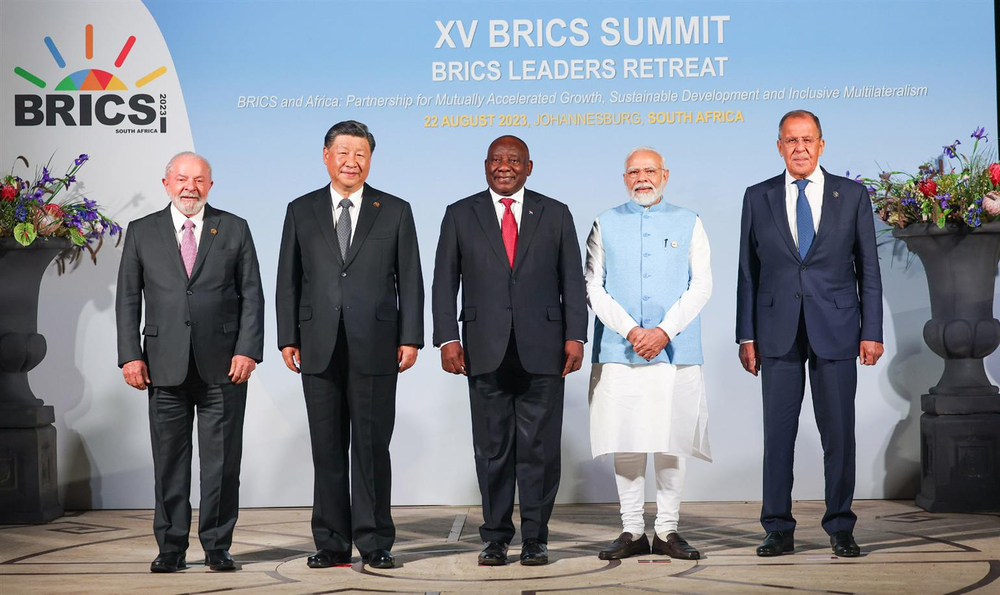
The United Arab Emirates joined the BRICS group, primarily consisting of Brazil, Russia, India, China, and South Africa. This enlargement followed a rigorous evaluation process assessing economic and geopolitical impacts. The UAE's inclusion is a strategic move, reflecting its growing economic influence and diversified economy.
The BRICS group, representing over 40% of the world population and approximately 30% of the global economy, aims to enhance cooperation among emerging economies. The UAE's robust infrastructure, financial sector, and strategic geographic position provide added benefits to the BRICS alliance.
For the UAE, membership offers numerous opportunities, including expanded trade networks, increased foreign investments, and enhanced collaboration in technology and sustainable development. The UAE's non-oil GDP had already grown by 3.8%, demonstrating economic resilience and potential for further contributions to BRICS endeavors.
For the existing BRICS members, the UAE's membership brings a strategic advantage in the Middle East, enhancing energy security and trade logistics. It also aligns with BRICS' long-term vision to create a more balanced global economic order, decreasing reliance on traditional Western-dominated institutions.
While challenges exist, including potential political disagreements and economic disparities among BRICS members, the integration of the UAE is seen as a step toward fostering greater global South-South cooperation. Key metrics to watch include trade volumes, investment flows, and collaborative projects initiated post-membership.
#MoofLife #UAE #BRICS #GlobalEconomy #InternationalRelations #Trade #Investment
View detailsSheikh Hamdan bin Mohammed bin Rashid Al Maktoum, Crown Prince of Dubai, has issued a significant decision aimed at regulating and reducing the use of single-use products in the Emirate of Dubai. This decision is part of a broader effort to promote environmental sustainability and reduce plastic waste in the region.
Key Provisions of the Decision
Ban on Plastic Bags:
Effective January 1, 2024: All plastic bags will be banned in Dubai. This includes traditional plastic shopping bags that are typically used for carrying groceries and other items.
Effective June 1, 2024: The ban will extend to all single-use bags, which includes not just plastic but any type of bag designed for single use.
Ban on Single-Use Plastic Products:
Effective January 1, 2025: A ban on specific single-use plastic products will take effect. This includes plastic stirrers, tablecloths, cups, and food containers made of Styrofoam.
Effective January 1, 2026: The ban will be further extended to include single-use plastic products such as plates, food bowls, and plastic cutlery.
Exemptions:
Certain thin bag rolls used for packing specific food items like meat, fish, vegetables, fruit, grains, bread, as well as garbage bags, and products intended for export or re-export outside the country, are excluded from the ban. These exemptions are likely made to address practical needs in food safety and export activities.
Penalties:
Any individual or entity that violates the provisions of this decision will be subject to a fine of AED 200.
If the violation is repeated within one year, the fine will be doubled. However, the total fine for repeated offenses will be capped at AED 2,000.
Impact and Significance
This decision reflects Dubai's commitment to environmental sustainability and aligns with global efforts to reduce plastic waste, which poses significant threats to marine life and ecosystems. By phasing out single-use plastics and encouraging the use of more sustainable alternatives, Dubai is taking a proactive step in mitigating the environmental impact of plastic pollution.
The phased approach allows businesses and consumers to adapt to the new regulations while gradually reducing their reliance on single-use plastics. The exemptions for certain products demonstrate a balanced approach, taking into account the practical needs of various sectors while still pushing towards a more sustainable future.
#DubaiSustainability #PlasticBan #EnvironmentalProtection #SingleUsePlastics #HamdanbinMohammed #DubaiRegulations #MoofLife_Moment #MomentsOfLife #MoofLife
View details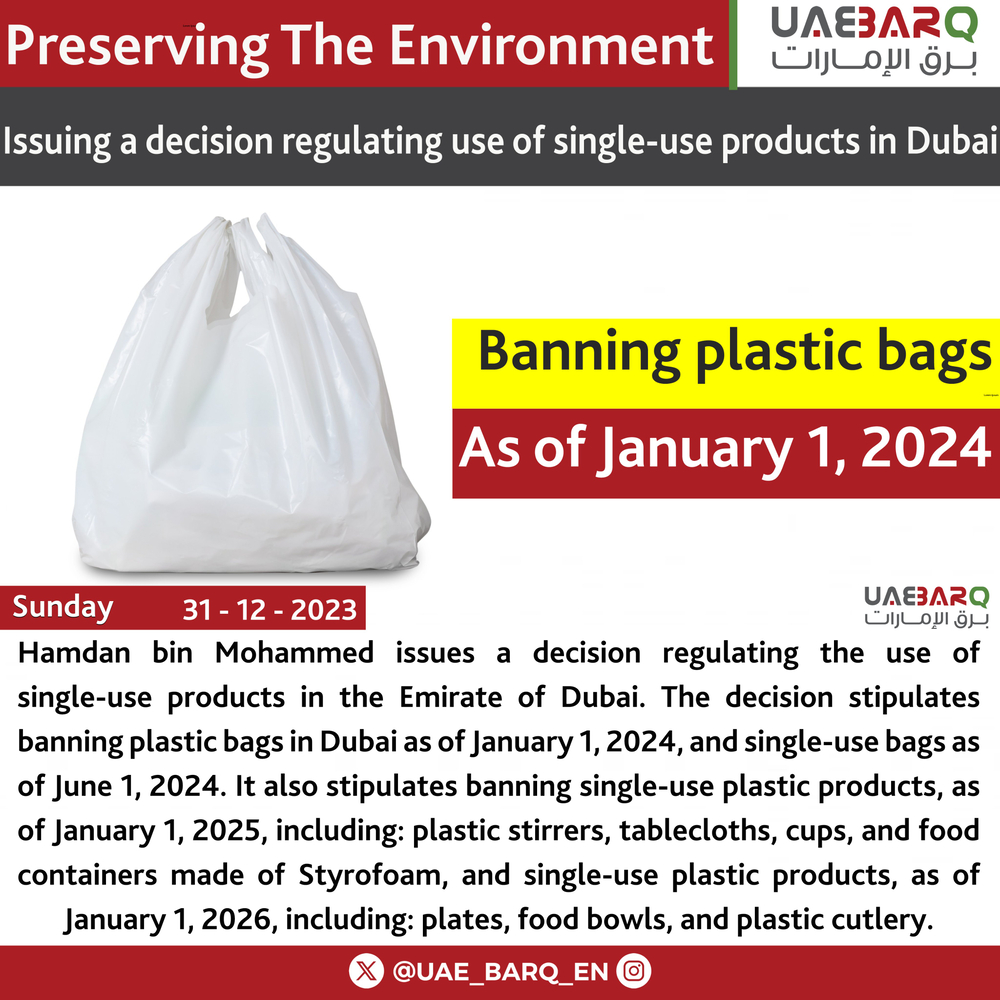
2023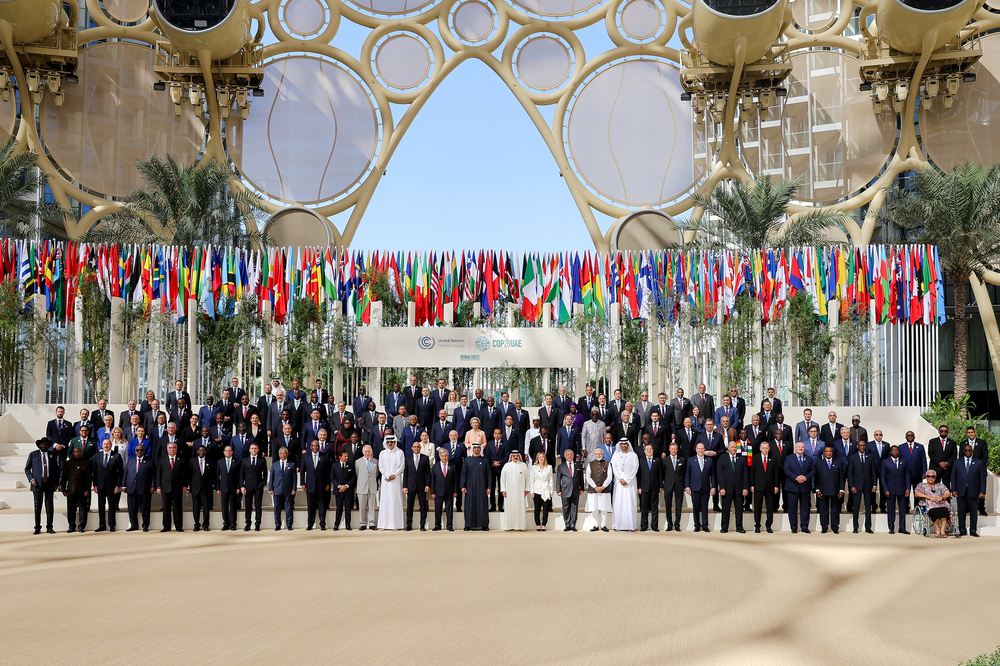
The United Arab Emirates hosted the COP28 Conference, concentrating on global climate change policies and sustainability efforts. This pivotal event took place at the Expo City Dubai, a location that had previously hosted the World Expo, leveraging its infrastructure to accommodate thousands of delegates from across the world.
The hosting of COP28 marked a moment of significant international convergence, addressing the urgent need to accelerate global climate action. The UAE, recognized for its substantial hydrocarbon resources, underscored its commitment to sustainable development by facilitating high-level discussions aimed at reducing greenhouse gas emissions, enhancing clean energy transitions, and supporting climate finance.
COP28’s agenda was meticulously crafted to reflect pressing global concerns. The discussions covered critical topics like carbon markets, renewable energy adoption, and the mobilization of finance for climate resilience, particularly in vulnerable regions. Notable outcomes included pledges from major economies to ramp up their Nationally Determined Contributions (NDCs), concrete steps towards achieving net-zero emissions by mid-century, and commitments to phase out unabated coal power.
The conference saw the participation of over 190 nations, various non-governmental organizations (NGOs), industry representatives, and civil society members. Key commitments emerged, including a $100 billion per year climate finance goal aimed at supporting developing nations in their mitigation and adaptation efforts. Data from the International Renewable Energy Agency (IRENA) highlighted that renewable energy capacity worldwide had increased by 260 gigawatts, an encouraging sign of the ongoing transition towards sustainable energy.
UAE’s role as host was also a platform to exhibit its initiatives like the Masdar City project, designed to be one of the world's most sustainable urban developments, and ongoing investments in solar energy projects, namely the Noor Abu Dhabi, one of the world's largest single-site solar plants. These initiatives serve as a testament to the country's pivot towards sustainability despite its oil-rich economy.
The conference's outcomes laid the groundwork for future international climate negotiations, providing momentum for enhanced global cooperation towards achieving the goals outlined in the Paris Agreement. It called for a comprehensive approach integrating science, policy, and economic mechanisms to address the climate crisis effectively.
#UAEClimateAction #COP28 #Sustainability #ClimateChangePolicies #RenewableEnergy #GlobalCooperation #MasdarCity #NetZero #ClimateFinance #MoofLife
View details2022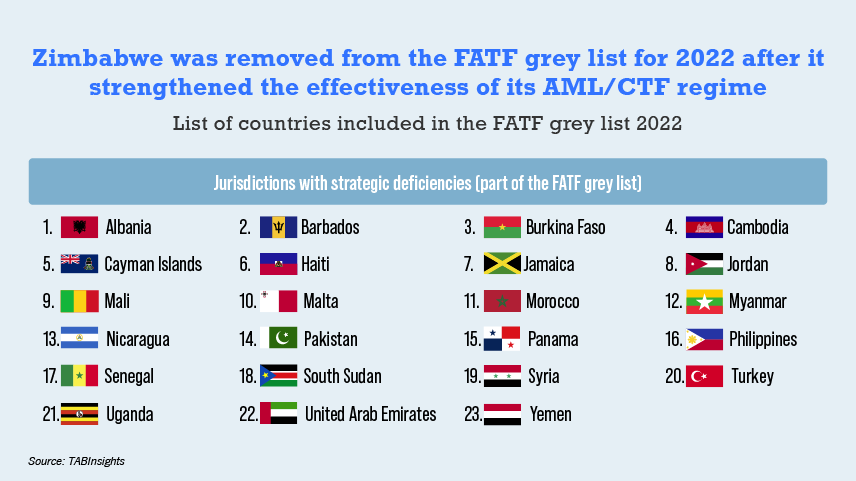
The Financial Action Task Force (FATF) identified deficiencies in the United Arab Emirates' efforts to combat money laundering, leading to the UAE being added to the organization's grey list. The grey list includes jurisdictions with strategic deficiencies in their anti-money laundering (AML) and counter-terrorist financing (CTF) measures.
The UAE, known for its economic dynamism and financial industry, has been working to strengthen its regulatory framework. Despite these efforts, the FATF found that several areas required improvement. The key areas of concern included lack of effectiveness in pursuing money laundering cases, limited control over cash smuggling at borders, oversight of real estate transactions, and inadequate implementation of beneficial ownership regulations.
The grey listing affects the UAE in multiple ways. Financial transactions originating from the UAE may face greater scrutiny from global banks. This potentially raises compliance costs for businesses, affecting their international competitiveness. Furthermore, the grey list status could influence investor confidence, prompting businesses and expatriates to reconsider their engagement in the UAE market.
Considering relevant statistics, the UAE had made significant strides in seizing and confiscating proceeds linked to money laundering. However, the FATF's evaluation underlined that these actions had not translated into sufficient legal actions and convictions. The UAE's Central Bank introduced more stringent regulations, including mandatory registration for new financial products and services and enhanced due diligence requirements for high-risk customers.
Globally, the FATF's grey list serves as an alert to financial institutions to assess risks associated with jurisdictions listed. The inclusion of the UAE underlined the need for further alignment with international AML and CTF standards.
Following this development, the UAE committed to improving its regulatory framework, working closely with international bodies to address the identified gaps. The targeted actions include enhancing coordination among enforcement agencies, increasing transparency in financial operations, and ensuring robust prosecution mechanisms for money laundering offenses.
#UAE #FATFReview #MoneyLaundering #FinancialRegulations #GlobalEconomy #AMLCompliance #CTFStandards #MoofLife
View details2021
On November 27, 2021, the United Arab Emirates (UAE) witnessed a historic transformation as His Highness Sheikh Khalifa bin Zayed Al Nahyan, President of the UAE, approved an extensive reform of the nation’s legal system. These sweeping changes, encompassing over 40 laws, were crafted to align with the UAE’s ambitious vision for its future, particularly during the nation’s "Year of the 50th," which celebrated its 50th anniversary as an independent nation.
A Vision for the Future
The reform aimed to solidify the UAE’s status as a global hub for business, investment, and innovation while simultaneously enhancing social stability and security. This was achieved through a comprehensive overhaul of the legal framework that governs various sectors including economic activities, industrial property rights, online security, and personal safety. The reforms also sought to ensure that both individuals and institutions are afforded maximum protection under the law, reflecting the UAE’s commitment to fostering a progressive, inclusive society.
Key Areas of Reform
Economic and Commercial Laws:
Commercial Companies Law: One of the standout changes was the amendment to the Commercial Companies Law, which now allows foreign investors and entrepreneurs to establish and fully own onshore companies in almost all sectors, excluding a few strategic activities. This reform is intended to boost foreign direct investment (FDI) and enhance the UAE’s competitive edge globally.
Trade Marks: Amendments to the federal law concerning trademarks expanded the scope of protection to include non-traditional marks such as three-dimensional trademarks, holograms, and even distinctive scents associated with brands. This reflects the UAE’s forward-thinking approach to intellectual property rights.
Industrial Property Rights: The reform in this area introduced stringent regulations to protect patents, industrial designs, and other forms of industrial property, ensuring that innovators in the UAE are well-protected.
Digital Transformation:
Electronic Transactions and Trust Services: A crucial aspect of the reforms was the modernization of laws governing electronic transactions. The new laws equate digital signatures with handwritten ones, significantly facilitating government and commercial transactions in a rapidly digitizing world. This move supports the UAE’s ambition to be at the forefront of global digital transformation.
Social and Personal Security:
Crime and Punishment Law: The updated federal crime and punishment law was perhaps one of the most significant changes, as it introduced new protections for women and domestic workers, decriminalized certain personal behaviors, and introduced stricter penalties for serious crimes such as rape and assault. The law also modernized the UAE’s approach to alcohol consumption and extramarital relationships, reflecting a shift towards a more tolerant society.
Online Security Law: With the advent of new technologies and the internet's pervasive role in daily life, the UAE introduced a comprehensive legal framework to address cybercrimes, online harassment, and the spread of false information. This law positions the UAE as a leader in the region in terms of cybersecurity and digital governance.
Education and Data Protection:
Higher Education Law: The reform also targeted the education sector, with a new law to regulate higher education institutions, ensuring that they meet the highest standards of governance and quality, thereby boosting the UAE’s competitiveness in the global education market.
Data Protection Law: The Personal Data Protection Law established an integrated framework to ensure the confidentiality of personal data, aligning with global best practices in data privacy. The creation of the UAE Data Office further underscores the nation’s commitment to safeguarding individual privacy rights in the digital age.
Collaborative and Inclusive Process
The reform process was marked by extensive collaboration between federal and local authorities, with input from over 540 specialists and 100 private sector organizations. This collaborative approach ensured that the new laws not only meet the highest international standards but are also tailored to the specific needs of the UAE’s diverse and dynamic population.
#MomentsOfLife #MoofLife_Moment #MoofLife #UAEReforms #LegalTransformation #DigitalEconomy #SocialStability #InnovationLeadership
View detailsExpo 2020 Dubai was held in the United Arab Emirates from 01/10/2021 to 31/03/2022, bringing the World Expo to Dubai as the first edition staged in the Middle East, Africa and South Asia region. The event was hosted under the theme “Connecting Minds, Creating the Future” and welcomed 24,102,967 visits across 182 days, according to the Bureau International des Expositions.
The Expo was originally planned for 2020, but the UAE requested a date change after participating countries raised concerns about the COVID-19 pandemic. The BIE formally approved the new dates of 01/10/2021 to 31/03/2022, while organizers kept the name “Expo 2020 Dubai” for branding and continuity.
The 438-hectare site featured more than 200 participants, including countries, organizations, businesses, and educational institutions. Its program centered on the sub-themes of Opportunity, Mobility, and Sustainability, with pavilions and events designed around international cooperation, technology, culture, and future-focused development.
Why This Moment Matters:
Expo 2020 Dubai gave the UAE the first World Expo hosted by an Arab nation and brought millions of visitors to Dubai during the global recovery period after the first phase of the COVID-19 pandemic. Its site later continued as Expo City Dubai, extending part of the event’s infrastructure beyond the closing date.
#UAE #Dubai #WorldExpo #Expo2020Dubai #MEASA
View details
2020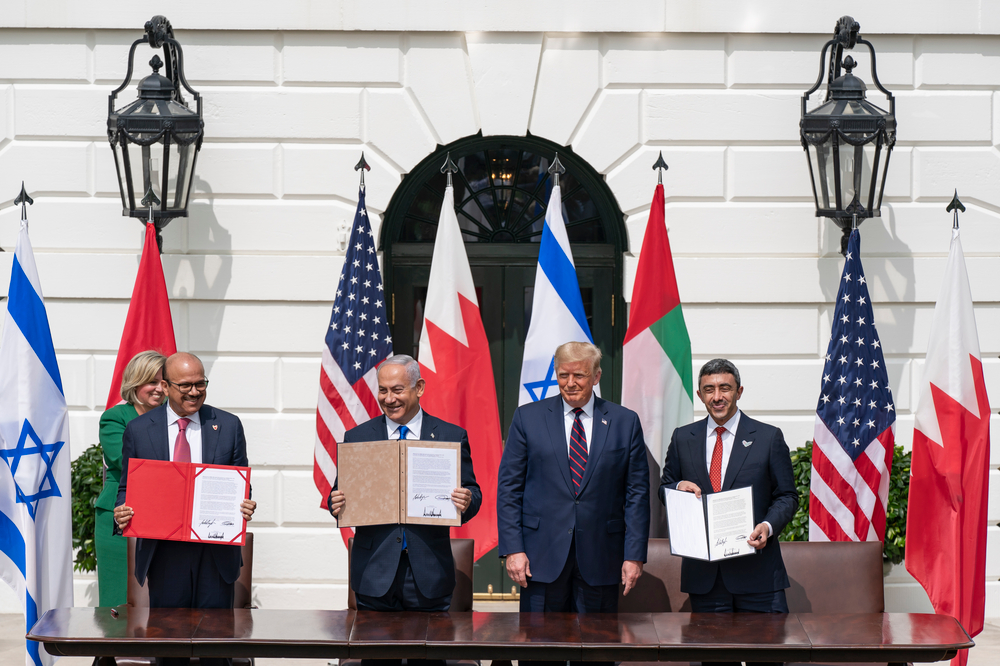
The United Arab Emirates (UAE) and Israel signed the Abraham Accords, a diplomatic agreement aimed at normalizing relations between the two nations. This accord marked a monumental shift in the geopolitical landscape of the Middle East. This agreement followed two decades of limited, often covert contact between the UAE and Israel, largely centered around economic exchanges and matters indirectly related to mutual security concerns, such as their shared opposition to Iran's influence in the region.
The background of the Accords also includes the broader context of evolving Middle Eastern politics, where alliances had been shifting due to various regional conflicts, the Arab Spring, and the growing influence of non-state actors. The Trump administration played a crucial role in facilitating the agreements, emphasizing the potential for economic collaboration and strategic alignment against common threats.
Upon signing the Abraham Accords, the UAE became the third Arab nation, after Egypt and Jordan, to officially recognize Israel. The accord enabled the exchange of embassies and ambassadors, and facilitated direct flights between the two countries. It expanded bilateral cooperation in key sectors such as investment, tourism, security, technology, and energy.
While the Abraham Accords received praise from various international actors for promoting stability and cooperation, it drew criticism from some Palestinian leaders and factions, who saw it as a betrayal of their cause for statehood. They argued that normalization with Israel should have been contingent on a resolution to the Israeli-Palestinian conflict.
Economically, the UAE and Israel have seen considerable growth in trade and investments. According to initial estimates, bilateral trade skyrocketed, creating new avenues for business in both countries. Additionally, collaborative research initiatives accelerated advancements in technology and healthcare, responding to shared challenges such as water scarcity and the COVID-19 pandemic.
The Abraham Accords also had a symbolic resonance, portraying a narrative of hope for broader regional peace. Following the UAE, other nations like Bahrain and Morocco also moved to normalize relations with Israel, indicating a ripple effect potentially reshaping future diplomatic engagements in the Middle East.
#UAEIsraelRelations #AbrahamAccords #MiddleEastPeace #Diplomacy #EconomicCooperation #Geopolitics #MoofLife
View detailsThe establishment of diplomatic relations between the UAE and Israel was a historic breakthrough in Middle Eastern geopolitics. It marked the third peace treaty between Israel and an Arab country, following Egypt and Jordan. The normalization agreement was facilitated by the United States, with both the UAE and Israel agreeing to a mutual exchange of embassies, ambassadors, and cooperation in various fields including energy, technology, tourism, and security.
The UAE's decision to forge diplomatic ties with Israel was driven by a combination of political, economic, and strategic interests. This move was seen as a way to counter the perceived threat from Iran, strengthen regional stability, and promote economic opportunities for both countries. The agreement was met with mixed reactions in the region, with some countries praising the initiative for potentially paving the way for future peace deals, while others criticized the UAE for betraying the Palestinian cause.
The impact of this diplomatic breakthrough was significant, as it signaled a shift in the traditional stance of Arab countries towards Israel. The UAE-Israel agreement was seen as a step towards a more integrated and interconnected Middle East, with potential ripple effects on other regional conflicts and alliances. The normalization of relations also opened up new avenues for trade, investment, and cultural exchanges between the two countries.
Overall, the establishment of diplomatic relations between the UAE and Israel was a landmark development in the complex landscape of Middle Eastern politics. It reflected a pragmatic approach to regional cooperation and signaled a willingness to explore new avenues for peace and prosperity in the region.
#UAE #Israel #DiplomaticRelations #MiddleEastPeace #Geopolitics
View details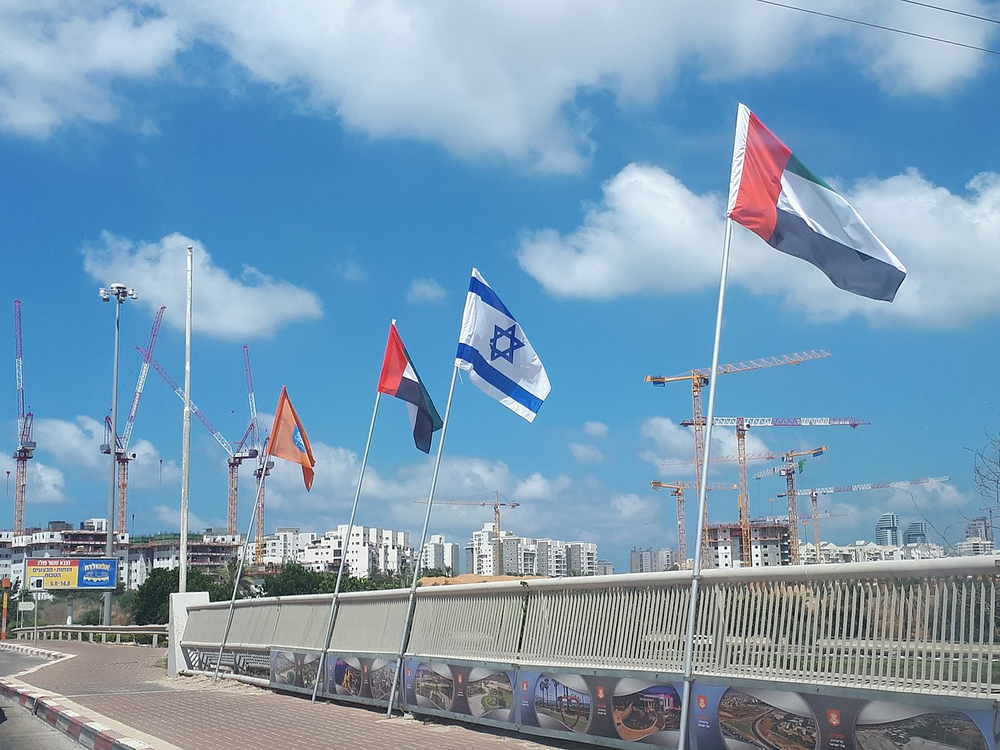
The launch of the United Arab Emirates' Hope Probe marked a pivotal development in space exploration. It became the first interplanetary mission undertaken by the UAE, propelling the nation into an elite group of countries that have executed successful missions to Mars.
The Hope Probe mission aimed to study the Martian atmosphere and had several scientific objectives. These included understanding the climate dynamics and global weather map through daily observation and investigating how energy moves through the atmosphere. The data collected were intended to provide insights into the loss of hydrogen and oxygen gases into space over a Martian year.
The spacecraft itself weighed approximately 1,350 kilograms and was equipped with three primary instruments: the Emirates Mars Ultraviolet Spectrometer, the Emirates Mars Infrared Spectrometer, and the Emirates Exploration Imager. These were designed to work in tandem to fulfill the mission's scientific directives.
The mission was launched from the Tanegashima Space Center in Japan via an H-IIA rocket, constructed by Mitsubishi Heavy Industries. Upon successful entry into Mars' orbit after a journey of approximately seven months, the Hope Probe began its primary science phase. The data from this mission was planned to be shared openly with over 200 academic and scientific institutions worldwide.
This event had multiple layers of impact. On a national level, it reflected the UAE's commitment to diversifying its economy through technological advancement and scientific research. Globally, it represented a collaborative effort in sharing knowledge and resources, promoting international cooperation in space exploration.
The mission's success resonated with the Arab world, serving as an inspiration for future generations to pursue careers in STEM fields. It also marked a milestone in the UAE Centennial 2071 vision, aiming to achieve substantial progress in various sectors, including space research and technology development.
#HopeProbe #MarsMission #UAEInSpace #SpaceExploration #MoofLife
View details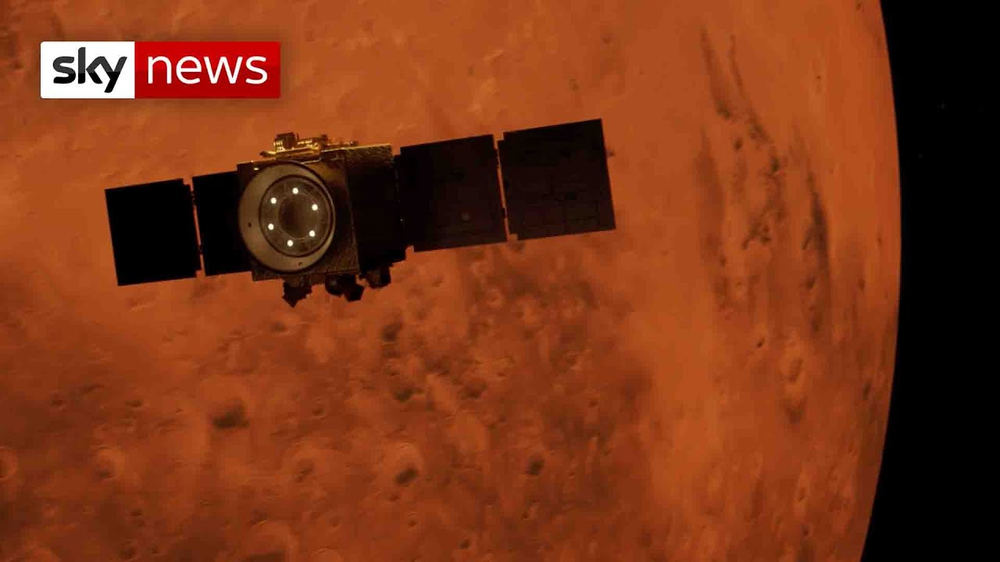
2017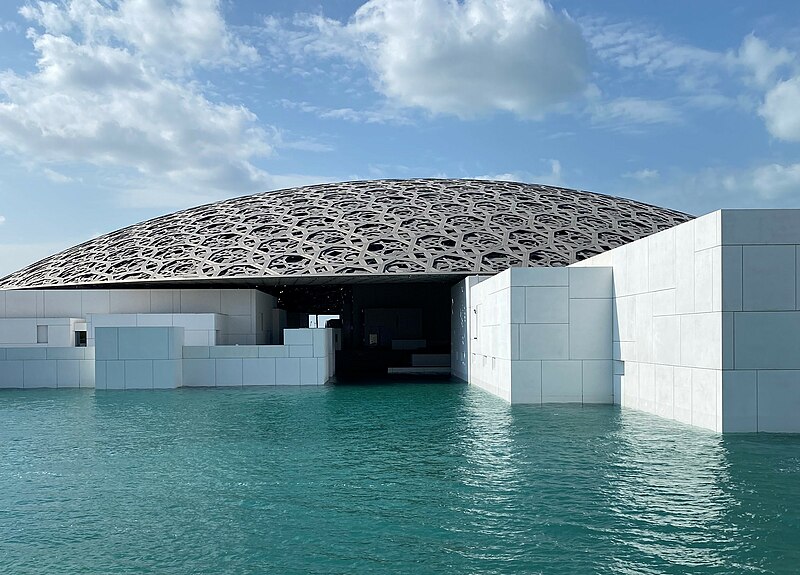
The inauguration of the Louvre Abu Dhabi marked a milestone in the cultural landscape of the United Arab Emirates. Being the result of a 10-year partnership between the UAE and France, it symbolizes the blend of traditions and modernity. The museum's architecture, designed by Jean Nouvel, is inspired by traditional Arabic architecture, with a floating dome that allows the sunlight to filter through, creating a unique play of light and shadows.
The museum houses a diverse collection of artworks spanning from ancient civilizations to contemporary pieces. With pieces loaned from 13 French museums, including the Louvre in Paris, the Louvre Abu Dhabi provides a rich cultural experience for visitors. The aim is to promote cross-cultural dialogue and understanding through art and artifacts.
The inauguration of the Louvre Abu Dhabi has had a significant impact on the cultural scene of the UAE, attracting art enthusiasts and tourists from around the world. It has put Abu Dhabi on the map as a hub for arts and culture in the region. The museum has also hosted various exhibitions, events, and educational programs, further enriching the cultural experience it offers.
Visitors to the Louvre Abu Dhabi can explore artworks and artifacts from different civilizations, gaining insights into the shared heritage of humanity. The museum's universal approach to art transcends boundaries and promotes unity in diversity.
As the Louvre Abu Dhabi continues to showcase art and culture from around the world, it reinforces the UAE's commitment to promoting cultural exchange and understanding. The museum serves as a bridge between civilizations, fostering a sense of global citizenship and appreciation for diverse artistic expressions.
#LouvreAbuDhabi #CulturalDiplomacy #ArtAndHeritage #GlobalUnity
View details2014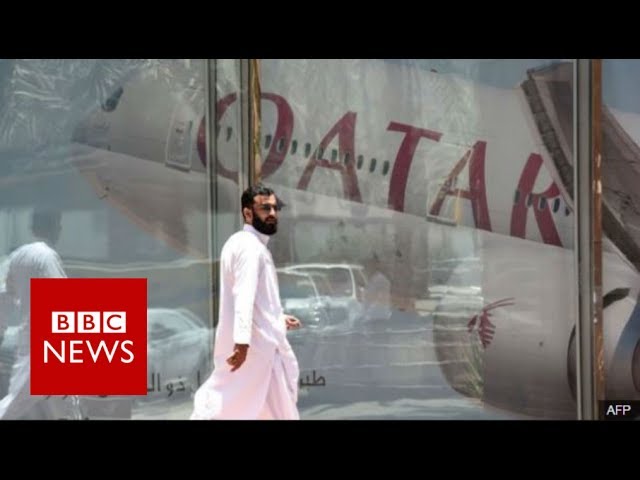
Saudi Arabia, the United Arab Emirates, and Bahrain withdrew their ambassadors to Qatar following allegations of Qatar's meddling in their internal affairs. The move stemmed from longstanding tensions over Qatar's support for the Muslim Brotherhood, as well as its perceived closeness to Iran. This diplomatic rift marked a significant escalation in the Gulf region.
The withdrawal of ambassadors signaled a deepening of the rift within the Gulf Cooperation Council (GCC), an alliance of Gulf states aimed at promoting regional stability. The decision underscored the growing frustration among Saudi Arabia, the UAE, and Bahrain over Qatar's foreign policy choices, which they viewed as undermining their own national security interests.
The diplomatic crisis had far-reaching implications, impacting regional dynamics and alliances. It strained relations among the GCC members, leading to a period of diplomatic isolation for Qatar. The rift also highlighted diverging priorities and visions for the region, with Saudi Arabia and its allies pushing for a more assertive stance against perceived threats, while Qatar maintained a more independent foreign policy approach.
The withdrawal of ambassadors to Qatar underscored the complexities of regional politics in the Middle East and the challenges of maintaining unity within the GCC. It also highlighted the delicate balance of power and interests at play in the region, with each country seeking to assert its influence and agenda.
#GCCDiplomacy #RegionalTensions #DiplomaticCrisis #MiddleEastPolitics #QatarSaudiArabiaUAEBahrain
View details2013
Dubai was awarded the privilege to host Expo 2020, marking a milestone for the United Arab Emirates. The decision was made after a vote by the Bureau International des Expositions, beating out cities like Izmir, Sao Paulo, and Yekaterinburg.
The Expo is set to attract millions of visitors from around the world and is expected to have a significant impact on Dubai's economy. The event will showcase innovation, sustainability, and collaboration among countries, providing a platform for nations to present their ideas and advancements to a global audience.
Dubai's successful bid to host Expo 2020 is a testament to its rapid growth and development as a hub for business, tourism, and culture in the Middle East. The city's state-of-the-art infrastructure, strategic location, and welcoming environment played a crucial role in securing the opportunity to host the prestigious event.
The Expo is set to create thousands of jobs, boost various sectors of the economy, and leave a lasting legacy of innovation and progress in the UAE. It will also serve as a catalyst for further growth and investment in the region, solidifying Dubai's position as a leading global city.
Overall, hosting Expo 2020 is a historic achievement for Dubai and the UAE, showcasing their ability to host large-scale international events and highlighting their commitment to driving innovation and sustainability on a global scale.
#DubaiExpo2020 #UAE #GlobalInnovation #Sustainability
View details2011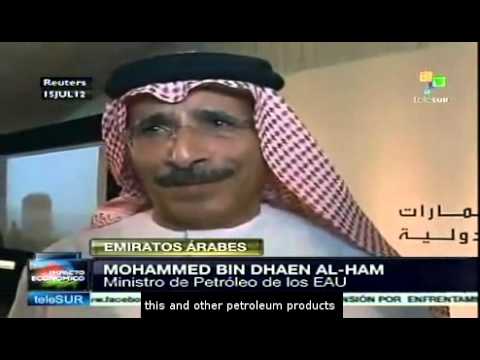
The United Arab Emirates commenced operations on a crucial overland oil pipeline designed to bypass the Strait of Hormuz, a strategic oil-trade route that Iran had threatened to block in the past. The new pipeline served as a strategic initiative to secure the nation's oil exports and strengthen its energy security.
The Strait of Hormuz, located at the mouth of the Gulf, is a critical chokepoint through which a significant portion of the world's oil is transported. Iran's threats to close the strait due to geopolitical tensions had raised concerns about the stability of global oil supplies. In response to these threats, the UAE took proactive measures to reduce its dependence on the strait by constructing the overland pipeline.
By bypassing the Strait of Hormuz, the UAE not only reduced its vulnerability to potential disruptions in oil trade but also enhanced its position as a key player in the global energy market. The operation of the overland pipeline provided the UAE with increased flexibility and control over its oil exports, enabling the nation to mitigate risks associated with the Strait of Hormuz's geopolitical uncertainties.
The successful operation of the overland oil pipeline marked a significant milestone in the UAE's efforts to ensure the security and reliability of its oil exports. The initiative demonstrated the nation's commitment to safeguarding its energy interests and strengthening its position as a leading oil exporter in the region.
#UAE #StraitofHormuz #OilPipeline #EnergySecurity #Geopolitics
View detailsThe United Arab Emirates participated in an international military operation in Libya to support the coalition forces aiming to protect civilians and enforce a no-fly zone. UAE's involvement came in response to the escalating conflict in Libya, where the government's violent crackdown on protestors led to a deteriorating humanitarian situation.
The UAE deployed air force assets, including fighter jets and transport planes, to assist in the enforcement of the no-fly zone over Libyan airspace. The country also contributed resources and manpower to support the overall mission objectives of preventing further violence and protecting civilians from harm.
The UAE's participation in the military operation in Libya had a significant impact on the conflict, as it helped to weaken the capabilities of the Libyan government's forces and provided crucial support to rebel groups fighting against the regime. The coalition's efforts ultimately led to the downfall of the Libyan government and the eventual ousting of Gaddafi from power.
The UAE's involvement in the military operation in Libya showcased the country's commitment to international peace and security, as well as its willingness to take concrete actions to protect civilians and uphold the principles of human rights. The successful outcome of the mission in Libya highlighted the effectiveness of international cooperation and collective action in addressing global security challenges.
Overall, the UAE's participation in the international military operation in Libya was a significant moment in the country's foreign policy history, demonstrating its willingness to take on a proactive role in promoting peace and stability in the region.
#UAE #Libya #InternationalMilitaryOperation #HumanitarianIntervention #CoalitionForces
View details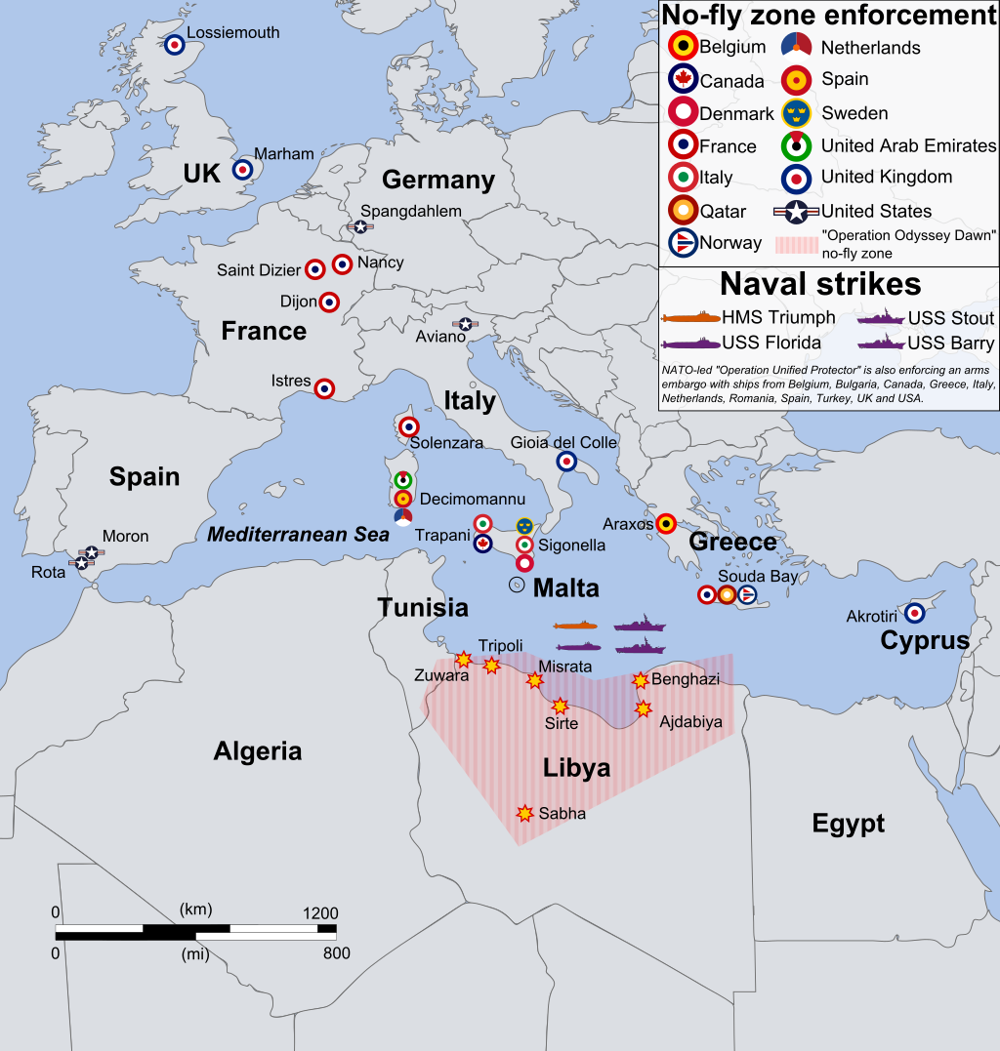
2010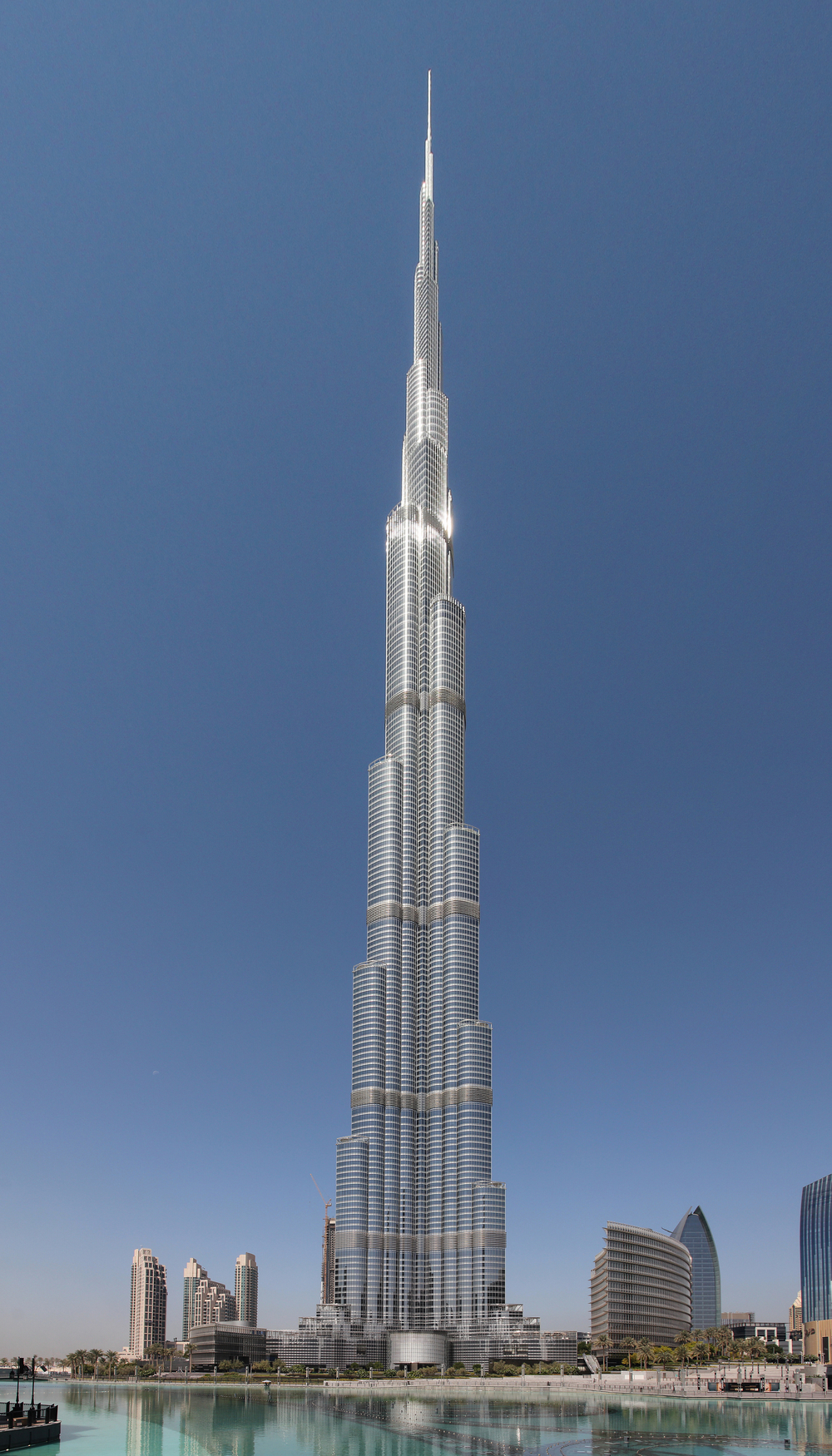
The Burj Khalifa tower opened in Dubai as the world's tallest building and man-made structure. This architectural marvel stands at a staggering height of 828 meters, dominating the skyline of the city. The idea of constructing such a grandiose building was conceived during a real estate boom in Dubai, with the aim of showcasing the city's modernization and prosperity.
Upon its completion, the Burj Khalifa instantly became an iconic landmark, attracting tourists and visitors from around the world. The building houses luxurious apartments, offices, hotels, and observation decks offering panoramic views of the city below. Its construction required innovative engineering solutions to overcome challenges such as high winds and extreme temperatures.
The opening of the Burj Khalifa marked a significant milestone for Dubai, solidifying its reputation as a global hub for architecture and development. The tower's grand inauguration ceremony was attended by dignitaries and celebrities, further elevating its status as a symbol of prestige and ambition. The completion of such a groundbreaking project also showcased the capabilities of modern construction technology and design.
The Burj Khalifa continues to be a major tourist attraction and a source of pride for the people of Dubai and the United Arab Emirates. Its presence has not only redefined the city's skyline but also set a new standard for architectural excellence worldwide. The tower's impact on the tourism industry and economy of Dubai has been substantial, with millions of visitors flocking to witness its sheer magnificence.
#BurjKhalifa #Dubai #Architecture #Engineering #Landmark #Innovation #Tourism #Prestige #Development #Iconic
View details2009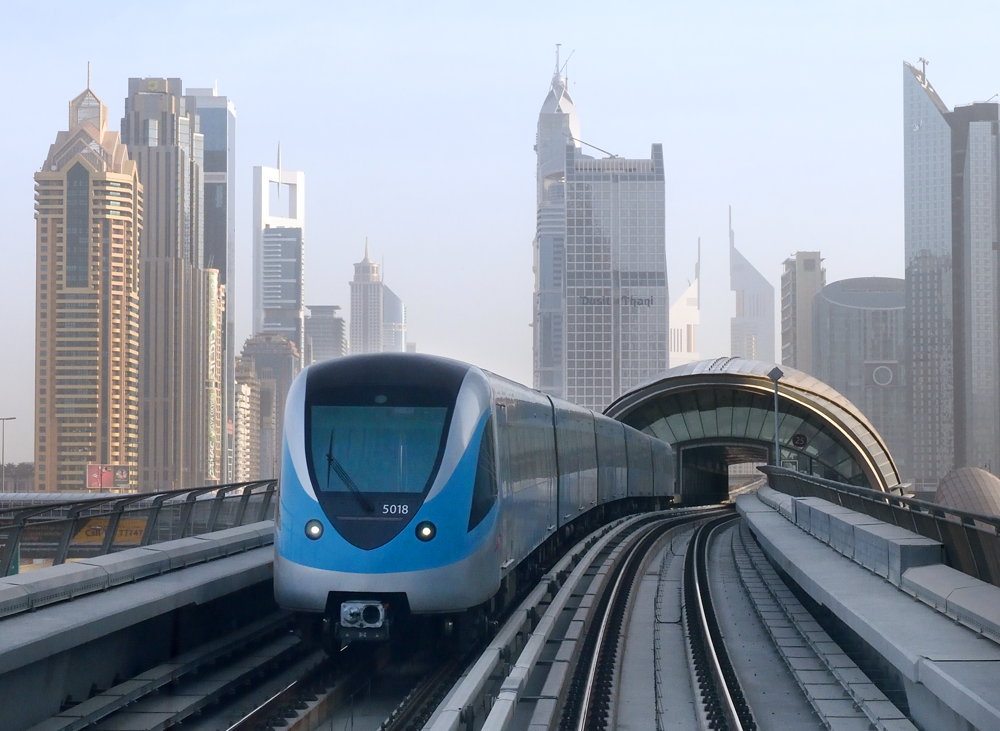
In a move to bolster its transportation infrastructure, the United Arab Emirates commenced operations of the Etihad Railway, designed to connect various emirates. This development was part of a broader vision to improve logistical efficiency and support economic growth across the nation. Spanning over 1,200 kilometers, the railway network aimed to link key cities and industrial zones, providing a reliable and efficient mode of transportation for both passengers and freight.
The origins of the Etihad Railway project can be traced back to strategic planning efforts aimed at diversifying the UAE's economy and reducing dependency on road transport. The railway promised to alleviate congestion on highways, reduce carbon emissions, and facilitate smoother trade routes. Designed to support heavy industries and logistics operations, the initial phase of the railway focused on the transportation of granulated sulfur produced from gas fields, connecting the Shah and Habshan sulfur sources to the export point at Ruwais.
The impact of the Etihad Railway was immediate and substantial. By providing a faster, cost-effective alternative for transporting goods, it enhanced the competitiveness of the UAE’s industrial sector. The railway also played a crucial role in the national strategy to promote sustainable development. As it expanded, it connected important economic hubs, facilitating seamless travel for residents and tourists alike.
Operational data highlighted that the railway system could handle up to 50 million tons of freight annually, significantly reducing the reliance on road transport. This shift not only reduced traffic accidents but also contributed to the UAE’s environmental goals by cutting down on emissions from trucks and other heavy vehicles. Furthermore, the passenger services were expected to serve tens of thousands of commuters daily, easing daily travel between emirates, thus boosting economic activity and social cohesion.
The Etihad Railway project underscored the UAE's commitment to modernizing its infrastructure and embracing sustainable transport solutions. It represented a significant investment in the future growth and development of the country, integrating various sectors and communities through a state-of-the-art rail network.
#EtihadRailway #UAEInfrastructure #TransportRevolution #SustainableTransport #MoofLife
View detailsFrance and the UAE established an agreement enabling France to establish a lasting military presence in Abu Dhabi, the UAE's largest emirate. The accord marked a significant strategic development in the region.
The partnership between France and the UAE has deep historical roots, with both countries prioritizing security and defense cooperation. The establishment of a permanent French military base in Abu Dhabi further solidified their alliance and commitment to enhancing regional security and stability.
The agreement provided France with a strategic foothold in the Gulf region, facilitating rapid deployment of military personnel and equipment in response to emerging threats. Additionally, the base offered a hub for joint military exercises and training programs, allowing for greater interoperability between French and Emirati forces.
The presence of a French military base in Abu Dhabi had a notable impact on regional security dynamics, serving as a deterrent to potential adversaries and bolstering the UAE's defense capabilities. The agreement also reinforced France's position as a key security partner in the Middle East, enhancing its influence in the region.
Overall, the establishment of a permanent French military base in Abu Dhabi underscored the strong defense cooperation between France and the UAE and highlighted their shared commitment to regional security. The agreement represented a strategic milestone in their bilateral relations, setting the stage for deeper defense collaboration in the years to come.
#France #UAE #MilitaryBase #AbuDhabi #SecurityCooperation #RegionalStability
View detailsIn 2009, the United Arab Emirates shocked its Gulf neighbors by backing out of the plans for a monetary union. The decision dealt a significant blow to the already fragile hopes for increased economic integration in the region. The initial agreement for a common currency between Bahrain, Kuwait, Qatar, Saudi Arabia, and the UAE had been in the works for years as a way to further unify the Gulf Cooperation Council countries.
The UAE's withdrawal was primarily driven by concerns over the proposed headquarters of the Gulf Central Bank being located in Saudi Arabia, as well as a lack of clarity on the bank's policy-making process. The move raised questions about the commitment of all members to the union and highlighted underlying issues within the economic cooperation efforts of the GCC.
The decision had immediate consequences on the region's economic landscape, with the union's viability called into question. It also strained diplomatic relations among the member states, creating a sense of distrust and highlighting the challenges of reaching consensus on significant economic matters.
Without the UAE's participation, the vision of a united Gulf economy appeared increasingly distant. The event served as a reminder of the complexities involved in achieving integration among sovereign nations with differing priorities and concerns.
Overall, the UAE's withdrawal from the plans for a Gulf monetary union not only disrupted years of negotiations and planning but also cast a shadow on the prospects for future economic cooperation within the region. The incident underscored the delicate balance between national interests and collective ambitions in the Gulf, impacting the trajectory of regional economic integration moving forward.
#UAE #GulfMonetaryUnion #EconomicIntegration #GCC #RegionalDiplomacy
View details