Rise of Bruges as a Commercial Hub in Europe
Belgium

Global Trade
Economic Downturn
4 min read
Updated By: History Editorial Network (HEN)
Published:
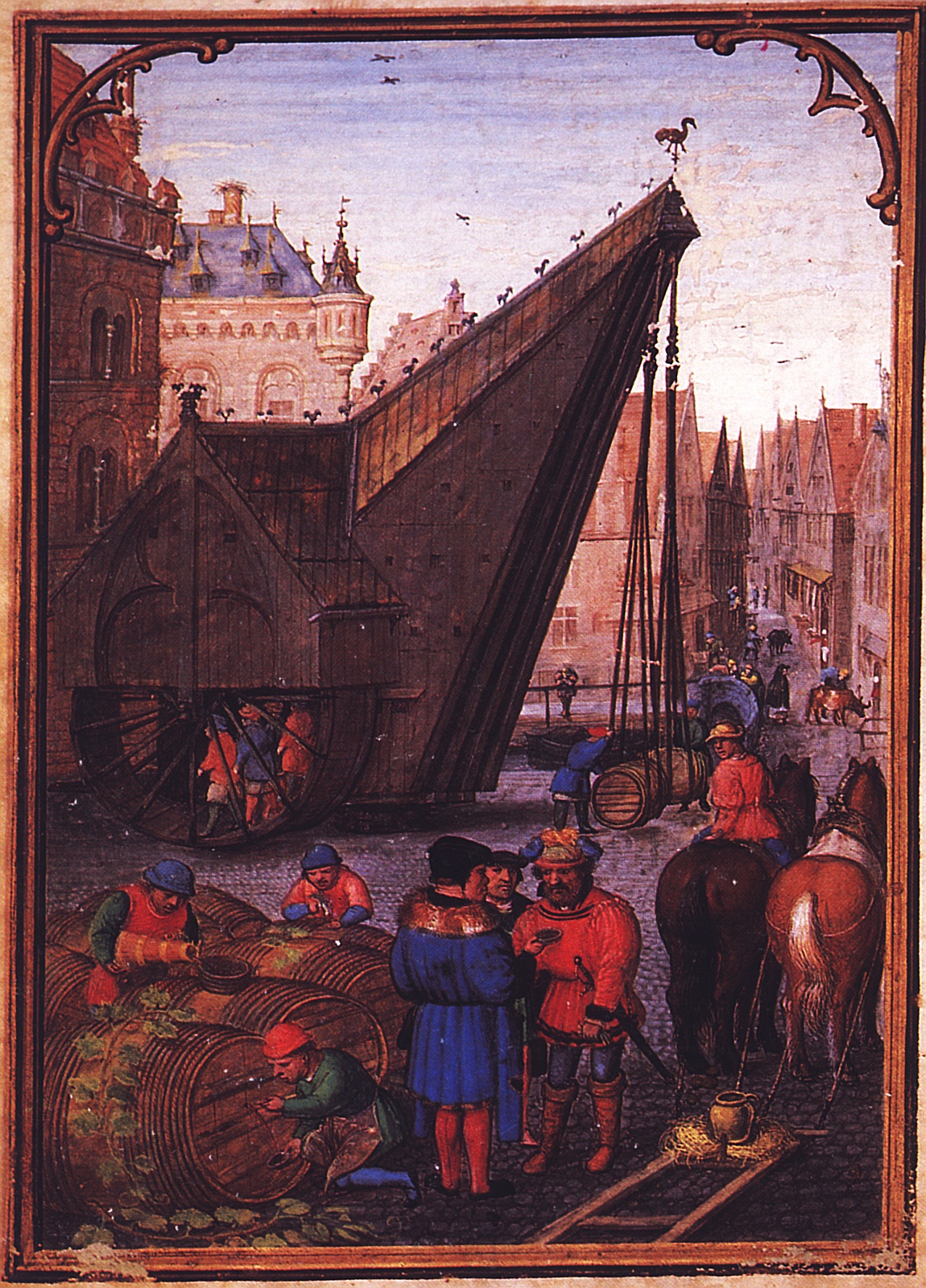
In 1350, Bruges in Belgium emerged as a prominent commercial hub in Europe. This transformation was catalyzed by its strategic location, connecting trade routes from Northern Europe to the Mediterranean. The city's access to the North Sea also facilitated maritime trade activities.
As Bruges flourished, it attracted merchants and traders from across the continent, fostering a cosmopolitan environment. The city became known for its bustling markets, where goods such as wool, textiles, and spices were exchanged. The presence of wealthy merchants led to the growth of banking and financial services in Bruges, further enhancing its commercial stature.
The rise of Bruges as a commercial center had a significant impact on the European economy. The city played a crucial role in the trade networks of the time, facilitating the exchange of goods between regions and contributing to the overall prosperity of Europe. Its success also spurred innovation in trade and finance, setting precedents for future commercial practices.
Bruges' commercial ascendance was not without challenges. Competition from other cities and the shifting dynamics of European trade posed threats to its position. However, the city's resilience and adaptability allowed it to maintain its status as a leading commercial city well into the future.
Today, the legacy of Bruges as a key commercial center in Europe is evident in its well-preserved medieval architecture and vibrant markets. The city continues to attract visitors from around the world, drawn to its rich history and cultural heritage.
#BrugesCommercialHub #EuropeanTrade #MedievalEconomy #BelgiumCities

Explore the Life Moments of
 AI Twin