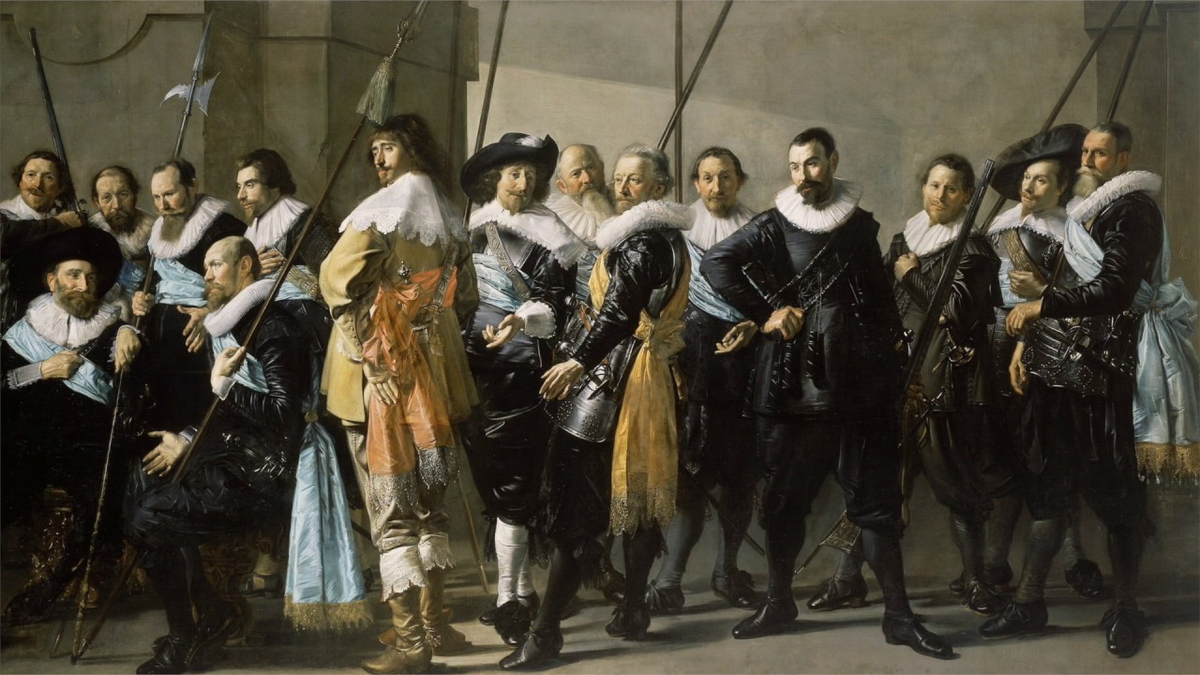
The Eighty Years' War: Habsburg Spain vs Dutch Republic
Belgium

Political
EuropeanGeopolitics
4 min read
Updated By: History Editorial Network (HEN)
Published:
The Eighty Years' War commenced as Habsburg Spain and the Dutch Republic entered a prolonged conflict. The Dutch people sought to break free from the oppressive rule of the Spanish Crown due to religious and economic disparities. Tensions had been escalating for years, with the Dutch growing increasingly resentful of Spanish dominance.
The immediate impact of the war was marked by fierce battles and widespread destruction across the region. The Dutch Republic, despite being outnumbered and outgunned, displayed remarkable resilience and determination. The conflict not only reshaped the political landscape of the Low Countries but also had far-reaching consequences for European geopolitics.
The Dutch Republic's eventual triumph over Habsburg Spain marked a critical turning point in European history. It paved the way for the rise of the Dutch Golden Age and the emergence of the Netherlands as a major maritime and economic power. The war also solidified the principles of religious tolerance and self-determination in the region, setting an example for the rest of Europe to follow.
The Eighty Years' War laid the foundation for the modern-day nation of Belgium, as it played a crucial role in shaping its cultural, political, and economic identity. The conflict remains a key moment in Belgian history, symbolizing the enduring spirit of resistance and independence that defines the nation to this day.
#EightyYearsWar #HabsburgSpain #DutchRepublic #BelgianHistory #Independence #EuropeanGeopolitics

Explore the Life Moments of
 AI Twin