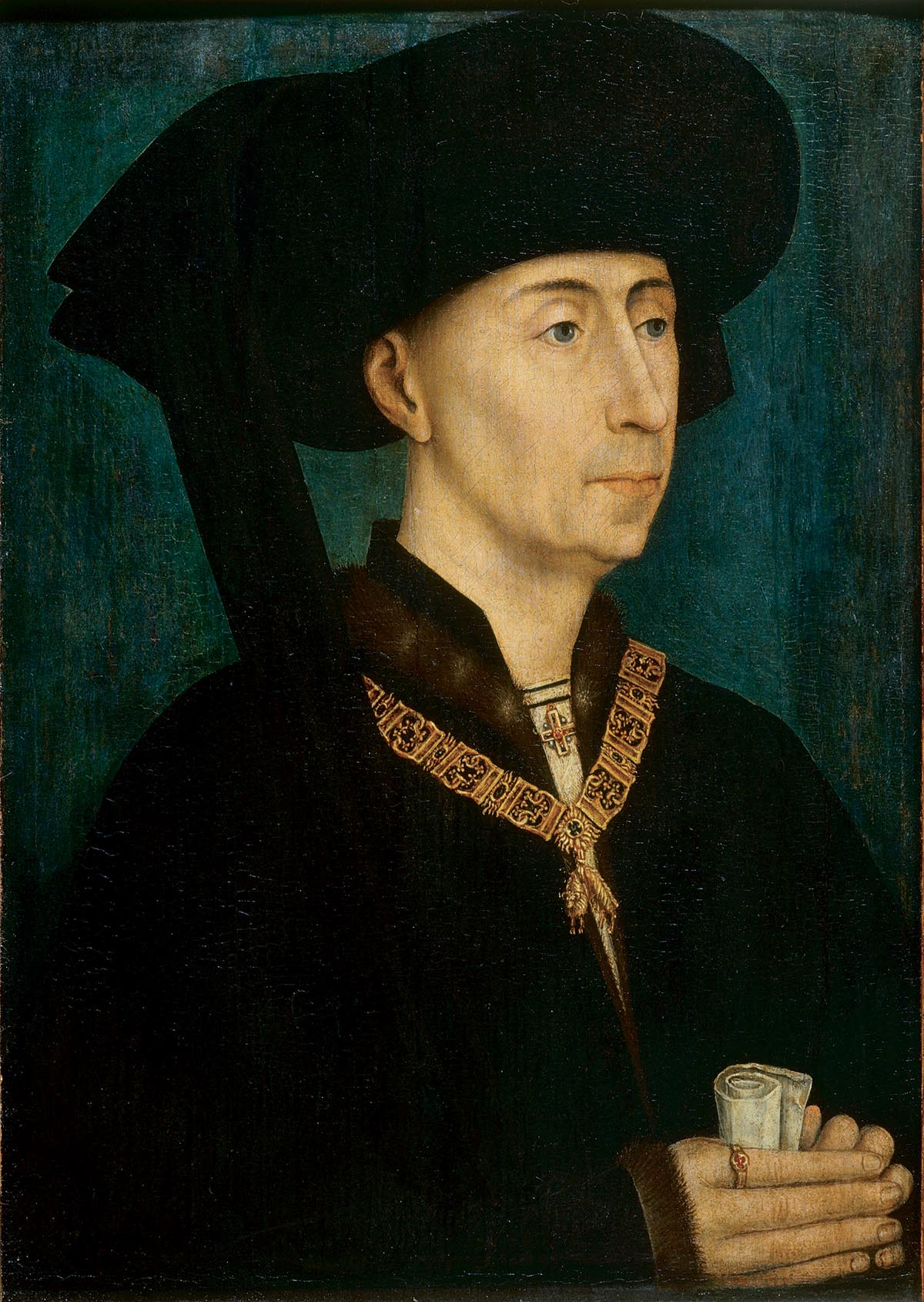
Philip the Good: Rise to Power
Belgium
Cultural
4 min read
Updated By: History Editorial Network (HEN)
Published:
In 1419, Philip the Good ascended to the position of Duke of Burgundy, a significant moment in the history of Belgium. Philip inherited the title from his father, John the Fearless, who was assassinated in 1419. As the new ruler, Philip the Good was determined, ambitious, and skilled in political maneuvering.
Philip the Good's rule marked a period of great prosperity and expansion for Burgundy. He was known for his diplomatic skills in forming alliances and expanding Burgundian territories through strategic marriages and conquests. Philip strengthened his power by centralizing the government, modernizing the military, and fostering economic growth through efficient administration and trade policies.
Under Philip's reign, the Duchy of Burgundy became a major political and cultural center in Europe. He was a patron of the arts, supporting renowned artists such as Jan van Eyck and leading scholars of the time. Philip's court in Burgundy became a hub of innovation and cultural exchange, attracting intellectuals, artists, and merchants from across the continent.
Philip the Good's rule had a lasting impact on the history of Belgium and the wider European region. His policies laid the foundation for the future prosperity of Burgundy and established its position as a key player in European politics. The stability and prosperity of Burgundy under Philip's rule attracted skilled workers and merchants to the region, contributing to its economic development and cultural richness.
The legacy of Philip the Good as Duke of Burgundy is still visible in modern-day Belgium, with many architectural marvels and cultural treasures from his time well-preserved. His shrewd political strategies and patronage of the arts continue to inspire admiration and study.
#PhiliptheGood #DukeofBurgundy #BelgiumHistory #MedievalEurope

Explore the Life Moments of
 AI Twin