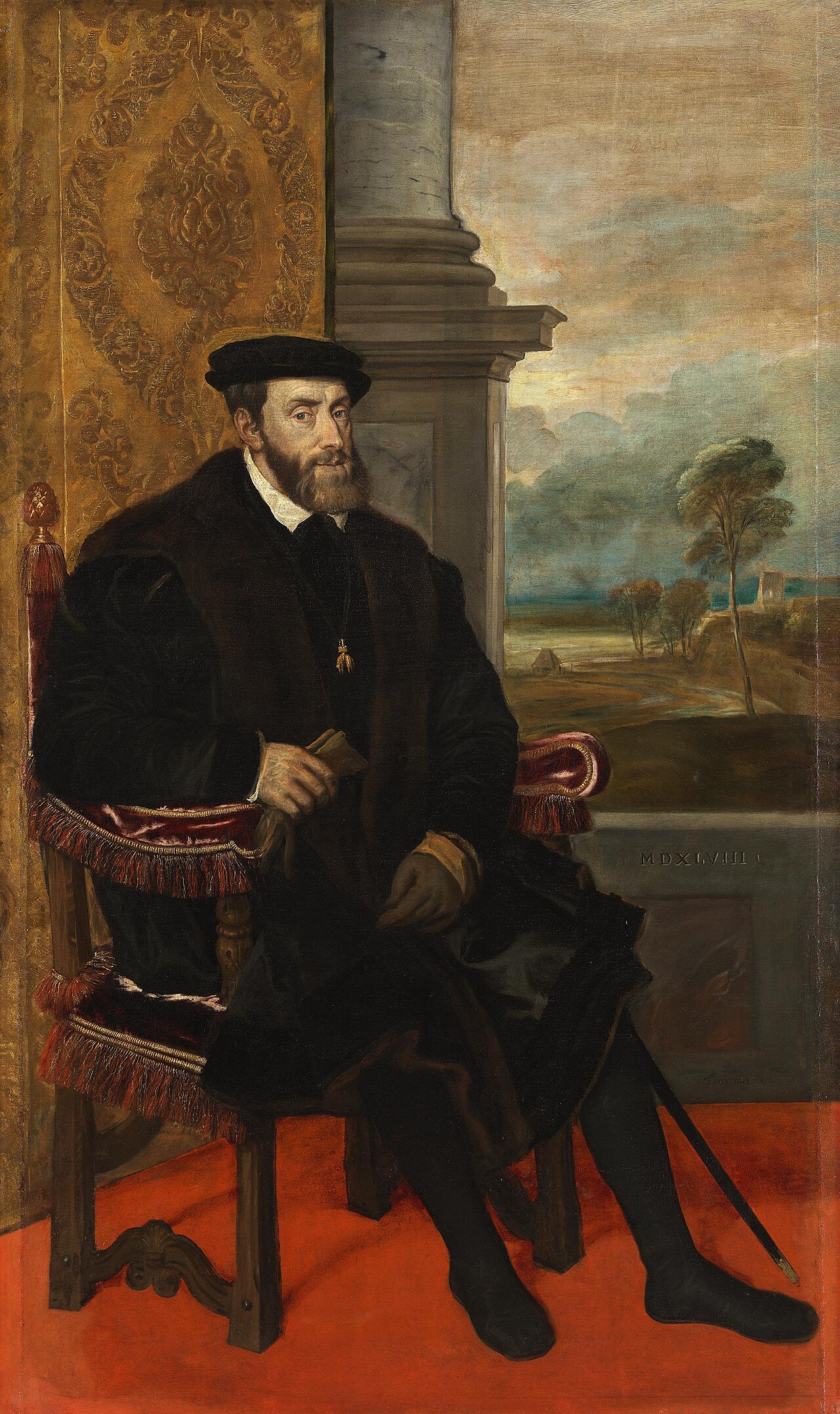
Abdication of Holy Roman Emperor Charles V to Philip II of Spain
Belgium
Political
4 min read
Updated By: History Editorial Network (HEN)
Published:
The Abdication of Holy Roman Emperor Charles V in favor of his son Philip II of Spain marked a pivotal moment in European history. Charles V, one of the most powerful rulers of his time, inherited a vast empire encompassing territories in Europe, the Americas, and beyond. Faced with challenges such as religious conflicts and administrative burdens, Charles V decided to step down and retire to a monastery.
Charles V abdicated the throne in a grand ceremony in Brussels, Belgium, where he handed over his titles and responsibilities to his son, Philip II. This peaceful transfer of power ensured stability within the empire and secured a smooth transition of leadership. The event symbolized the shift from the Renaissance to the Reformation era, as Charles V had been a key figure in combating the spread of Protestantism in his realms.
Philip II of Spain, who succeeded his father, inherited a vast and diverse empire that posed numerous political and religious challenges. Under Philip II's rule, the Spanish Empire reached its zenith but also faced economic decline and military setbacks. The abdication of Charles V set the stage for Philip II's reign, which would be characterized by conflicts such as the Eighty Years' War and the Anglo-Spanish War.
Overall, the abdication of Charles V in favor of Philip II had far-reaching consequences for Europe and its colonies. It reflected the complexities of imperial governance and the shifting religious landscape of the time. The event in Brussels remains a significant historical milestone that shaped the course of European history for years to come.
#AbdicationofCharlesV #PhilipIIofSpain #EuropeanHistory #Belgium #ImperialSuccession #ReligiousConflicts

Explore the Life Moments of
 AI Twin