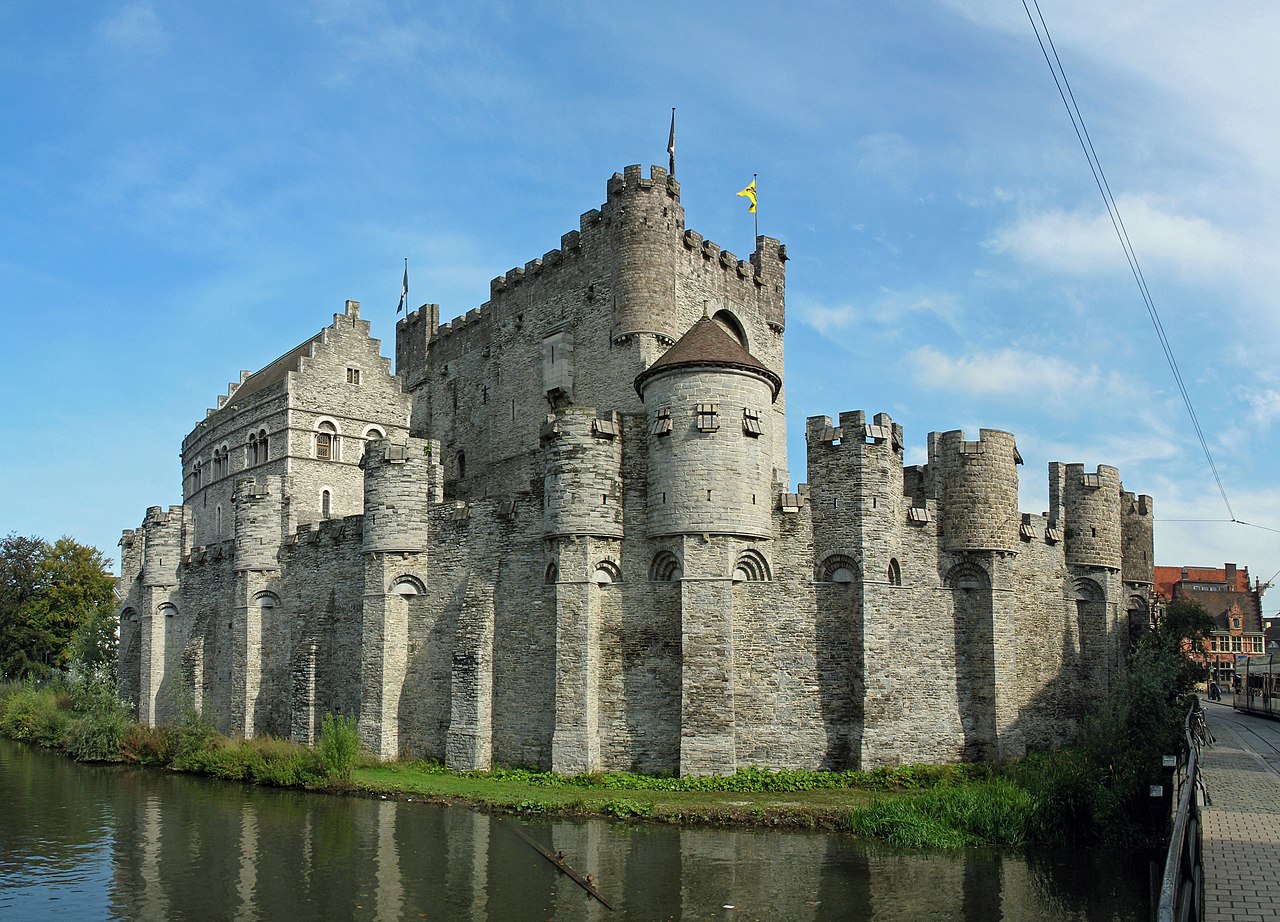
The Gravensteen Castle: Philip of Alsace's Project in Ghent
Belgium
Heritage
4 min read
Updated By: History Editorial Network (HEN)
Published:
Philip of Alsace, the Count of Flanders, embarked on the construction of the imposing Gravensteen Castle in Ghent. The castle served as a symbol of his power and authority over the region. Positioned strategically along the River Lys, it facilitated control over trade routes and provided a stronghold in times of unrest. The fortress, with its massive walls and defensive towers, was a statement of feudal dominance.
The construction of the Gravensteen Castle had a significant impact on the surrounding area. It led to the growth and development of Ghent as a thriving center of commerce and politics. The presence of the castle attracted settlers and tradesmen, contributing to the city's prosperity. The imposing structure also served as a deterrent to potential aggressors, enhancing security and stability in the region.
Over the centuries, the castle witnessed various events, including being used as a courthouse and a prison. Despite periods of neglect, it was eventually restored to its former grandeur in the 19th century and stands as a testament to medieval architecture and engineering.
The Gravensteen Castle continues to attract visitors from around the world, offering a glimpse into the history and heritage of Belgium. Its well-preserved structure and fascinating exhibits provide insights into life during the Middle Ages. The castle's eerie dungeons and imposing battlements evoke a sense of awe and intrigue, making it a popular destination for history enthusiasts and tourists alike.
#GravensteenCastle #PhilipofAlsace #MedievalArchitecture #Ghent #BelgiumHeritage

Explore the Life Moments of
 AI Twin