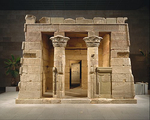
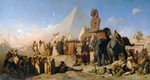
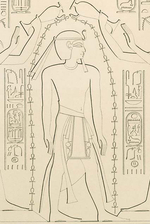
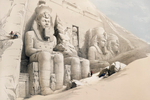
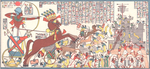
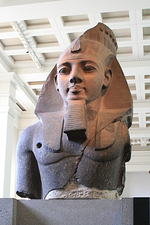
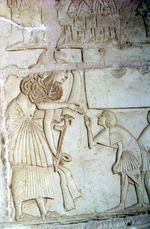
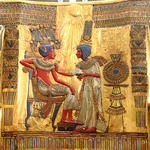
Ancient Egypt, one of the world’s oldest and most iconic civilizations, flourished along the fertile banks of the Nile River for over three millennia. From its unification under the legendary King Narmer around 3100 BCE to its eventual absorption into the Roman Empire in 30 BCE, Egypt’s history is marked by grand achievements in art, architecture, religion, and governance. Central to its identity was the concept of divine kingship, with pharaohs seen as intermediaries between the gods and the people. These rulers presided over vast construction projects such as the pyramids of Giza, the temples of Karnak and Luxor, and the rock-cut tombs of the Valley of the Kings—monuments that still awe the world today.
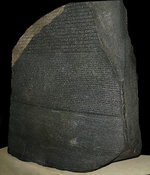
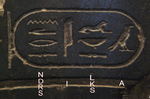
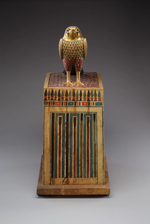
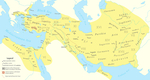
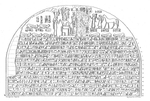
Egyptian society was deeply religious, centered around a pantheon of gods like Ra, Osiris, Isis, and Amun, with elaborate rituals and funerary practices aimed at ensuring a successful afterlife. The development of hieroglyphic writing enabled the recording of religious texts, historical events, and administrative matters, leaving behind a rich legacy of inscriptions and literature. Despite invasions and periods of foreign rule—from the Hyksos and Nubians to the Persians, Greeks, and Romans—Egypt retained a distinct cultural identity. Its achievements in science, medicine, and art influenced neighboring civilizations and continue to inspire modern admiration. Ancient Egypt remains a symbol of human ingenuity, spiritual depth, and enduring legacy.
\#MomentsOfLife #MoofLife\_Moment #MoofLife #AncientEgypt #Pharaohs #NileCivilization #PyramidsOfGiza #EgyptianMythology #ValleyOfTheKings #Hieroglyphics #CulturalLegacy