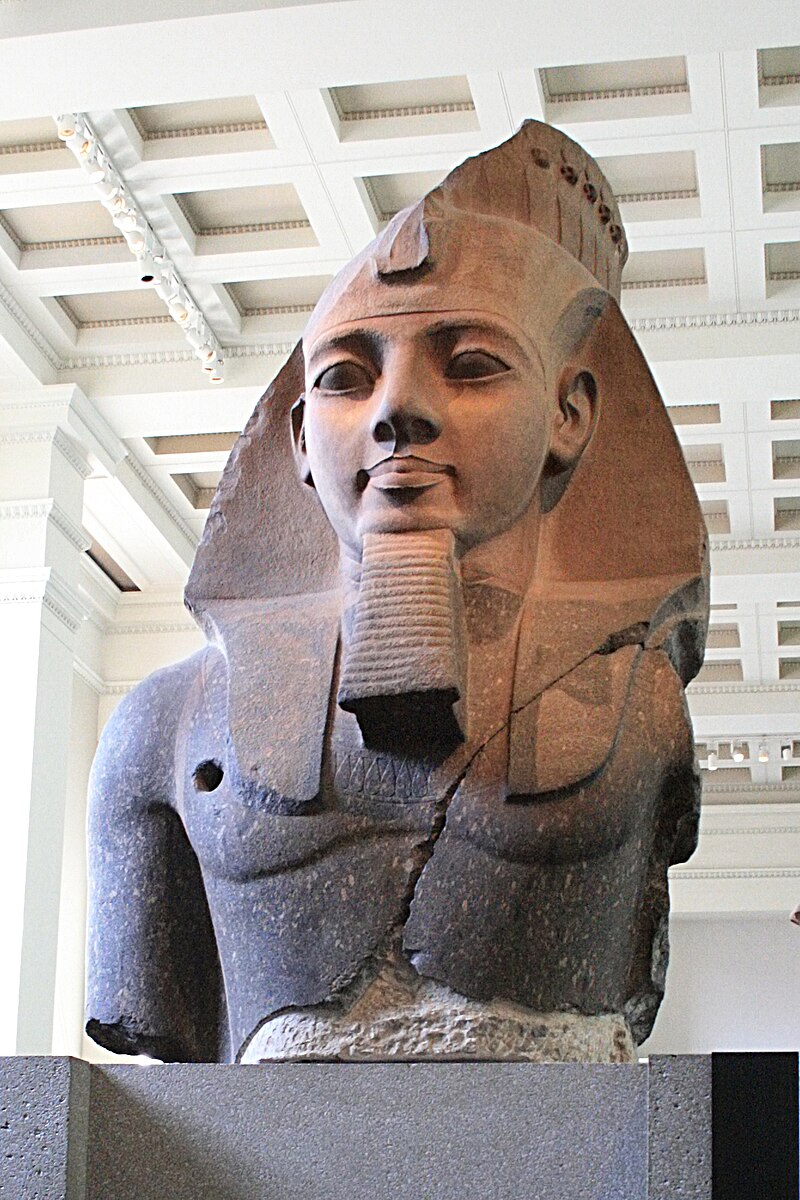
Beginning of the Rule of Ramesses II
Egypt
4 min read
Updated By: History Editorial Network (HEN)
Published:
The beginning of the rule of Ramesses II, also known as Ramesses the Great, around 1279 BCE marked the start of one of the most celebrated and influential reigns in ancient Egyptian history. Ascending the throne as the third pharaoh of the 19th Dynasty, Ramesses II inherited a powerful and expanding empire. From the outset, he projected an image of divine authority and military prowess, launching campaigns to secure Egypt’s borders, particularly in Canaan and against the Hittites in the Levant. His most famous military engagement, the Battle of Kadesh, though tactically inconclusive, was later celebrated as a great victory and led to the signing of the first known peace treaty in history, establishing a precedent for international diplomacy.
Ramesses II’s reign was not only defined by his military ambitions but also by an unprecedented wave of monumental construction and cultural expression. He commissioned more temples and statues than any other pharaoh, leaving a legacy visible across Egypt and Nubia. The most iconic of these is the temple complex at Abu Simbel, with its colossal statues of the king, and the vast Ramesseum, his mortuary temple in Thebes. Known for his long and prosperous reign of over 60 years, Ramesses II elevated Egypt to new heights of political stability, architectural grandeur, and religious devotion. His leadership became the standard against which later pharaohs were measured, earning him enduring fame as one of Egypt’s greatest rulers.
\#MomentsOfLife #MoofLife\_Moment #MoofLife #RamessesII #RamessesTheGreat #AncientEgypt #19thDynasty #BattleOfKadesh #AbuSimbel #PharaonicLegacy #EgyptianEmpire
Explore the Life Moments of
 AI Twin