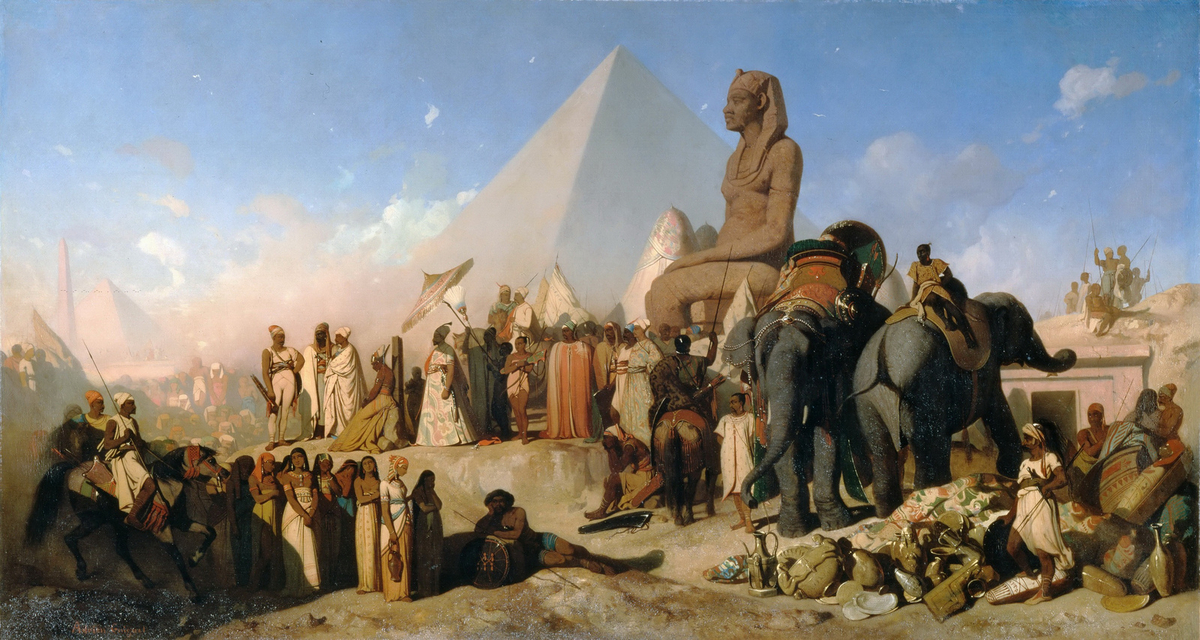
Cambyses II's Conquest of Egypt
Egypt
Ancient Civilizations
Military
3 min read
Updated By: History Editorial Network (HEN)
Published:
Updated:
Cambyses II, the ruler of the Persian Empire, initiated the conquest of Egypt, which culminated in the defeat of Pharaoh Psamtik III at the Battle of Pelusium. This battle was pivotal as it marked the beginning of Persian dominance over Egypt. Following this victory, Cambyses II adopted the title of pharaoh, symbolizing his control over the region. However, he did not reside in Egypt; instead, he governed from Iran, appointing a satrap to oversee Egyptian affairs. This administrative structure allowed the Persians to maintain their influence while minimizing direct involvement in local governance. Despite the initial success of the conquest, the Persian rule faced challenges, including several revolts from the Egyptian populace throughout the 5th century BC. These uprisings reflected the underlying discontent among the Egyptians regarding foreign rule, yet they were ultimately unsuccessful in dislodging the Persians from power. The inability of the Egyptians to reclaim their sovereignty persisted until the end of the century, highlighting the effectiveness of Persian administrative strategies and military strength in maintaining control over Egypt.
#mooflife
#MomentOfLife
#CambysesIi
#PersianEmpire
#EgyptianHistory
#BattleOfPelusium
#PsamtikIii

Explore the Life Moments of
 AI Twin