The Legacy of Ramesses XI's Death
Egypt
Ancient Egypt
Pharaohs
4 min read
Updated By: History Editorial Network (HEN)
Published:
Updated:
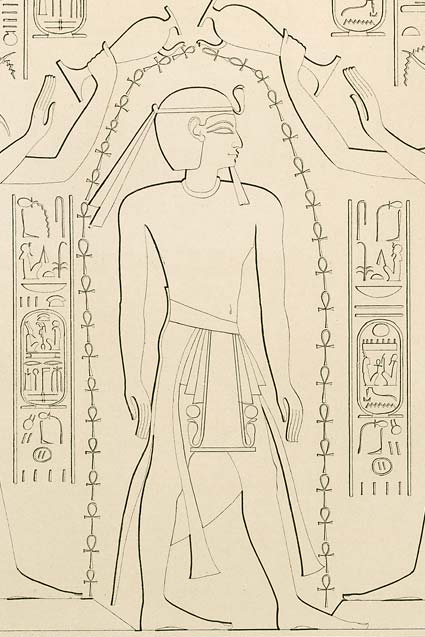
Ramesses XI served as the last ruler of the Twentieth Dynasty of ancient Egypt, a period characterized by political instability and decline. His reign was marked by internal strife, including power struggles among the priesthood and the military, which weakened the central authority of the pharaoh. The death of Ramesses XI is often viewed as a pivotal event that contributed to the fragmentation of Egypt into smaller, competing states. Following his death, Egypt entered a phase of disunity, leading to the eventual rise of foreign powers and the end of native rule. The political landscape shifted dramatically, with the emergence of the Libyan and Nubian dynasties, which further complicated the historical narrative of ancient Egypt. This transition marked the beginning of the Third Intermediate Period, a time when Egypt was divided and ruled by various local leaders and foreign invaders, significantly altering the course of its history.
The impact of Ramesses XI's death extended beyond immediate political changes. It symbolized the decline of the New Kingdom, which had been a period of great power and cultural achievement. The loss of centralized control led to a decrease in monumental building projects and a decline in the economy, as resources were diverted to local rulers. The fragmentation of Egypt also resulted in a loss of cultural cohesion, as different regions developed their own identities and practices. This period saw a decline in the influence of the pharaohs, as local leaders gained more power and autonomy. The legacy of Ramesses XI's death is thus not only a marker of the end of a dynasty but also a turning point that set the stage for centuries of foreign domination and cultural transformation in ancient Egypt.
#mooflife
#MomentOfLife
#RamessesXi
#AncientEgypt
#TwentiethDynasty
#PoliticalInstability
#ThirdIntermediatePeriod

Explore the Life Moments of
 AI Twin