Reign of Tutankhamun
Egypt
3 min read
Updated By: History Editorial Network (HEN)
Published:
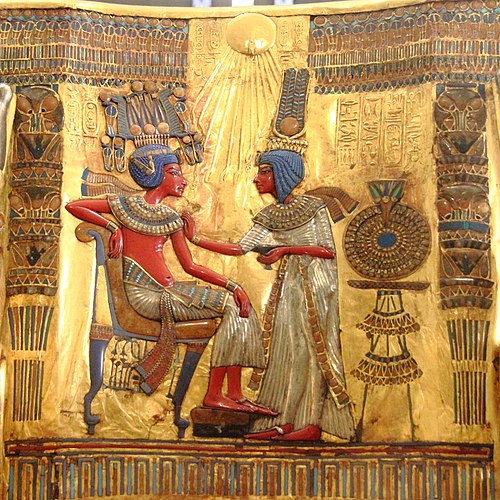
The reign of Tutankhamun, though short-lived, remains one of the most fascinating periods in ancient Egyptian history due to the dramatic shifts it marked and the incredible legacy it left behind. Tutankhamun ascended the throne around 1332 BCE as a young boy, following the turbulent rule of Akhenaten. During his reign, Egypt began to recover from the upheaval caused by the monotheistic Aten worship instituted by his predecessor. Under the guidance of powerful advisors such as Ay and Horemheb, Tutankhamun restored the traditional polytheistic religion, reinstated the worship of Amun, and moved the capital back to Thebes from Amarna.
Though his reign lasted only about nine years and he died unexpectedly as a teenager, Tutankhamun played a crucial role in stabilizing Egypt and re-establishing its cultural traditions. His fame, however, skyrocketed in modern times after the discovery of his nearly intact tomb in 1922 by Howard Carter. The incredible array of treasures, including the iconic golden funerary mask, captivated the world and sparked renewed interest in ancient Egyptian civilization. Today, Tutankhamun is remembered not just for his reforms but as the "Boy King" whose legacy continues to enchant and educate generations.
\#Tutankhamun #BoyKing #AncientEgypt #PharaohLegacy #GoldenMask #HowardCarter #EgyptianHistory #MomentsOfLife #MoofLife\_Moment #MoofLife

Explore the Life Moments of
 AI Twin