Theodosius Bans Pagan Rites Legislation
Egypt
Religion
Legislation
3 min read
Updated By: History Editorial Network (HEN)
Published:
Updated:
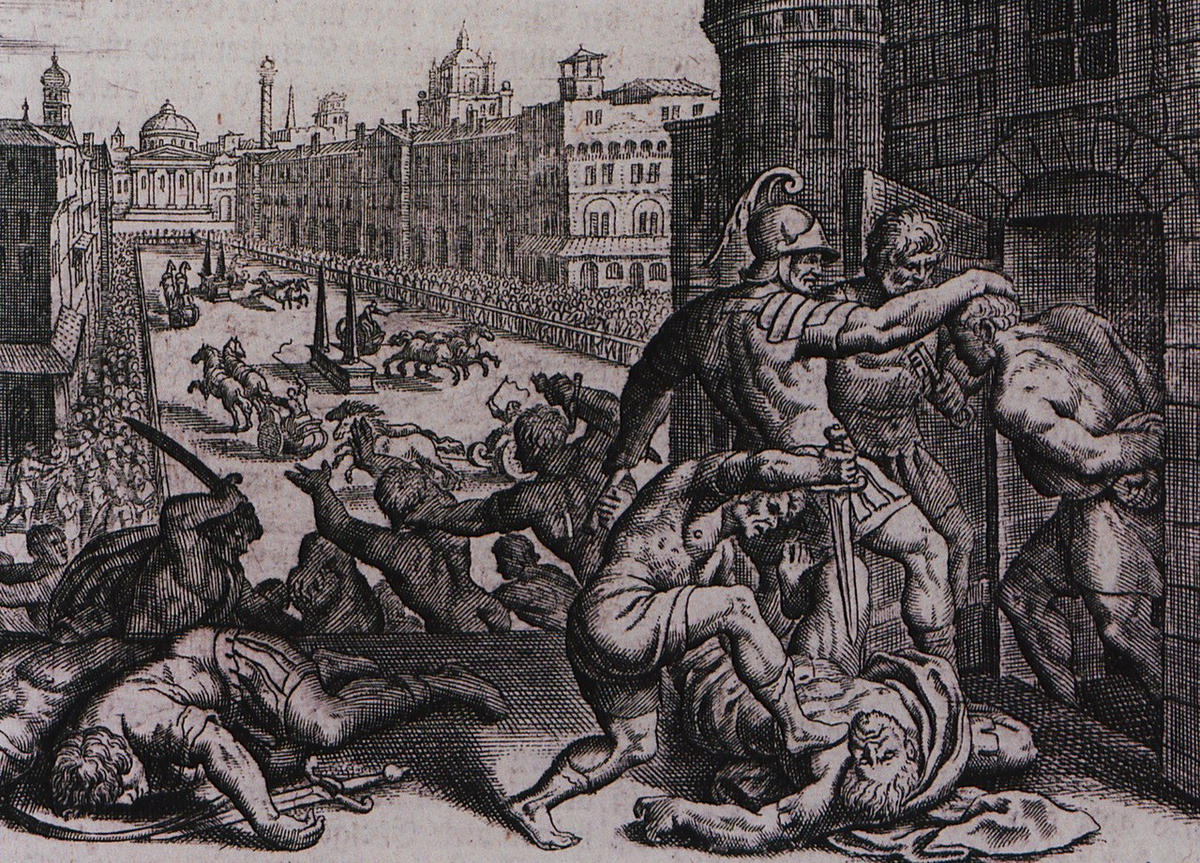
The legislation introduced by Emperor Theodosius aimed to suppress pagan practices and promote Christianity as the state religion. This marked a pivotal shift in the religious landscape of the Roman Empire, particularly affecting the traditional pagan rites that had been integral to various cultures, including those in Egypt and the Greco-Roman world. The ban led to the closure of temples and the destruction of religious imagery, which sparked significant unrest, particularly in Alexandria. The anti-pagan riots that ensued were characterized by violence against both public and private symbols of pagan worship, reflecting the deepening divide between the adherents of Christianity and those who practiced the old religions.
The impact of Theodosius's legislation was profound, contributing to the decline of native religious cultures in regions like Egypt. As temples were closed or repurposed, the role of temple priests and priestesses diminished, leading to a gradual loss of traditional practices and knowledge. The native population, while still speaking their language, saw a decline in the ability to read hieroglyphics, which was closely tied to their religious and cultural identity. This transition not only altered the religious practices of the time but also set the stage for the eventual dominance of Christianity in the region, fundamentally reshaping the cultural and spiritual landscape of the Roman Empire.
#mooflife
#MomentOfLife
#Theodosius
#PaganRites
#Christianity
#RomanEmpire
#ReligiousLegislation

Explore the Life Moments of
 AI Twin