
Ukraine

The Heart of Eastern Europe
About
#Ukraine
#Ukraine_History
#Ukraine_Timeline
#Ukraine_History_Timeline
#ukrainian_history_timeline
#ukrainian_timeline
#ukrainian_history
#ukrainian_past
#beginning_of_ukraine
#start_of_ukraine
#when_did_Ukraine_start
Life Classification
Country
Life ID
EL6504951299600
Verified Name
ukraine
Life Type
Entity Life
Life Editor(s)
History Editorial Network (HEN)
Life Privacy
Public
Subscription
Elite
Created On
2024-08-26
Updated On
2026-01-09
Connect
Related Lives

Poland
The Land of a Thousand Lakes

Mexico
The Land of the Maya

Finland
Land of a Thousand Lakes

Ancient Greece
The Cradle of Civilization
Burkina Faso
The Heart of West Africa
Philippines
Pearl of the Orient Seas
Denmark
The Land of Hygge

Namibia
Landscapes of Resilience

2025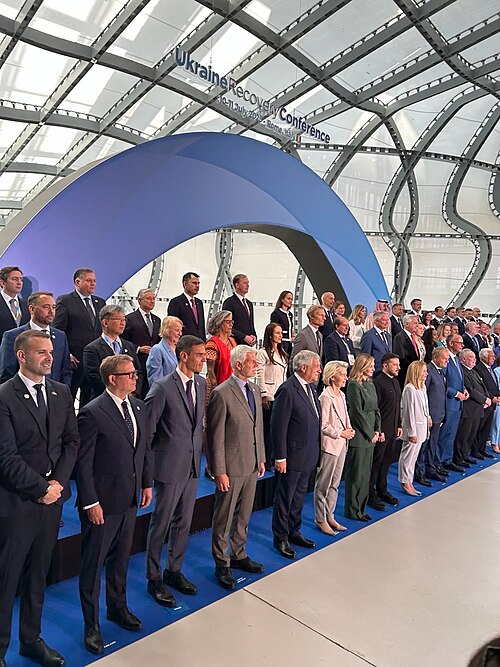
The Ukraine Recovery Conference 2025 (URC 2025) was held in Rome, Italy, on 10–11 July 2025, serving as a major international platform to coordinate global efforts in Ukraine’s post‑conflict reconstruction. Co‑hosted by the Italian and Ukrainian governments, the conference brought together more than 4,000 participants, including heads of state, ministers, EU representatives, international financial institutions, private sector leaders, and civil society groups. Its central aim was to mobilize financial support, investment, and technical expertise for rebuilding Ukraine’s infrastructure, economy, and public services while fostering reforms and European integration.
During the two-day event, discussions focused on key sectors including infrastructure redevelopment, energy, agriculture, social services, and digital transformation. Ukrainian President Volodymyr Zelenskyy addressed attendees, highlighting progress in reform implementation and the need for continued international solidarity. The European Union pledged significant financial support, with a €2.3 billion package announced to facilitate projects expected to leverage up to €10 billion in private and public investment. Additional initiatives included launching programs to strengthen scientific research, innovation, and education, ensuring sustainable long-term growth. The URC 2025 underscored the global community’s commitment to Ukraine’s recovery, emphasizing collaboration between governments, international institutions, and the private sector to secure resilience, economic revitalization, and European alignment in the post-war period.
View detailsIn June 2025, Ukraine launched a major coordinated drone strike deep inside Russian territory known as Operation Spiderweb, which targeted multiple Russian military airfields and strategic aircraft far behind the front lines. The operation, carried out on 1 June 2025 by Ukraine’s Security Service (SBU), involved specially smuggled first‑person‑view (FPV) drones that were concealed in modified transport containers on trucks and remotely launched close to airbases housing Russia’s long‑range bombers and airborne early warning aircraft.
The strikes hit at least four major airbases — including Belaya (Irkutsk Oblast), Dyagilevo (Ryazan Oblast), Ivanovo Severny (Ivanovo Oblast) and Olenya (Murmansk Oblast) — and damaged or destroyed a significant number of Russian aircraft, such as Tu‑95 and Tu‑22M3 strategic bombers and A‑50 early warning planes. Ukrainian officials reported that around 41 aircraft were struck, representing a substantial portion of Russia’s strategic aviation fleet and causing an estimated $7 billion in damage.
Operation Spiderweb was unprecedented in its planning and execution, involving over 18 months of preparation and coordination under the direct oversight of Ukrainian leadership. It represented a significant escalation in Ukraine’s use of long‑range unmanned aerial systems to strike high‑value military targets deep inside Russia, demonstrating evolving tactics and the increasing role of drone warfare in the conflict.
View details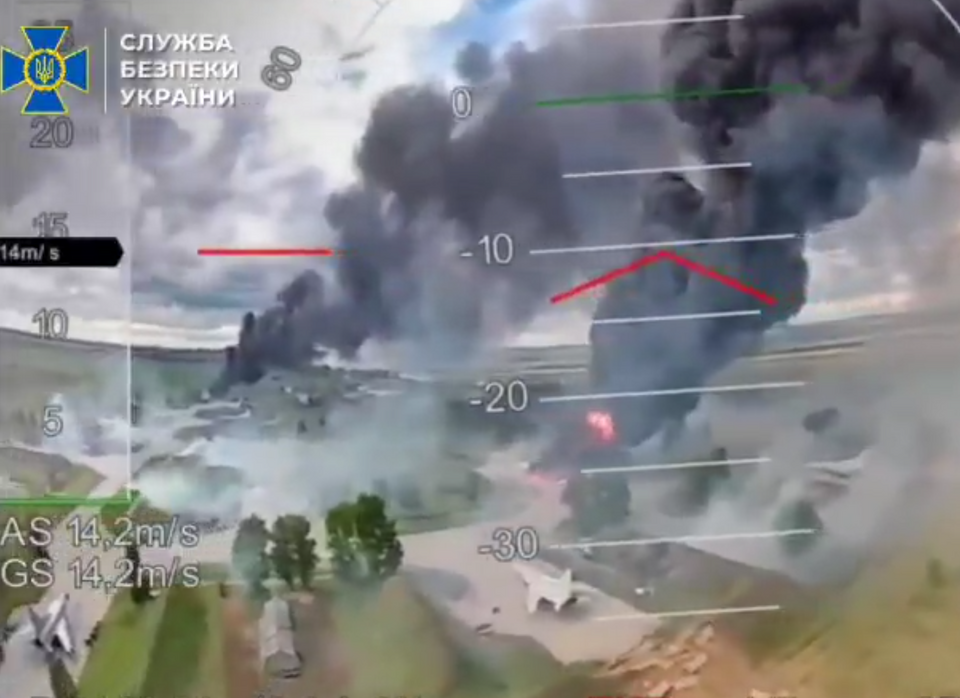
In 2025, Russian forces announced the expulsion of the remaining Ukrainian military units from the Kursk region, a development that marked a significant shift in the dynamics of the Russia–Ukraine conflict. According to statements from the Russian Ministry of Defence, the operation culminated after a series of coordinated offensives that reportedly forced Ukrainian troops to withdraw or abandon forward positions near the international border. Russian officials framed the action as a defensive measure to secure territorial integrity after years of cross‑border tensions and limited incursions originating from Ukrainian positions. Ukrainian military sources confirmed the withdrawal but described it as a tactical disengagement designed to preserve combat strength and avoid encirclement rather than an outright defeat.
The move carried both strategic and symbolic implications for the conflict. Strategically, control of the Kursk region — which borders Ukraine — has long been sensitive due to its proximity to supply lines, regional infrastructure, and civilian populations. Russia’s assertion of full territorial control in the area was used domestically to demonstrate military resolve and to recalibrate defence postures along its western frontier. For Ukraine, the withdrawal underscored the challenges of sustaining operations far from main combat zones amid shifting priorities on multiple fronts.
International reactions were sharply divided. Western governments reiterated support for Ukraine’s sovereignty and condemned any actions that altered internationally recognised borders by force, emphasising continued provision of military aid and diplomatic backing. Meanwhile, Russia’s narrative found resonance among allies critical of Western influence in the conflict, who viewed the expulsion as a return to recognised border stability. Humanitarian organisations raised concerns about civilian displacement, heightened militarisation, and the risks of renewed border tensions affecting cross‑border trade and family ties.
View detailsIn March 2025, senior officials from the United States and Ukraine convened in Jeddah, Saudi Arabia, to discuss ways to halt ongoing hostilities with Russia and explore diplomatic avenues for peace. During the talks, Ukraine expressed readiness to accept a U.S. proposal for an interim 30‑day ceasefire, intended to temporarily pause fighting and create a window for broader negotiations. The proposal, contingent on mutual agreement by all parties, was designed to allow humanitarian aid delivery, civilian protection, and the resumption of limited trade or transport in conflict‑affected areas. The United States emphasized its support for Ukraine’s security and pledged to continue assistance and intelligence sharing while encouraging Russia to agree to the ceasefire terms.
The Jeddah negotiations were facilitated by Saudi Arabia, highlighting the country’s role as a neutral diplomatic host in international conflict resolution. Ukrainian leadership framed the interim ceasefire as a pragmatic step to reduce civilian casualties and stabilize key regions, while signaling a willingness to engage in longer-term peace talks. Although Moscow’s response remained cautious and noncommittal, the discussions marked a notable diplomatic initiative and renewed international engagement on the Ukraine conflict. Analysts noted that if implemented, the ceasefire could serve as a testing ground for confidence-building measures and help establish conditions for future negotiations toward a sustainable resolution.
View details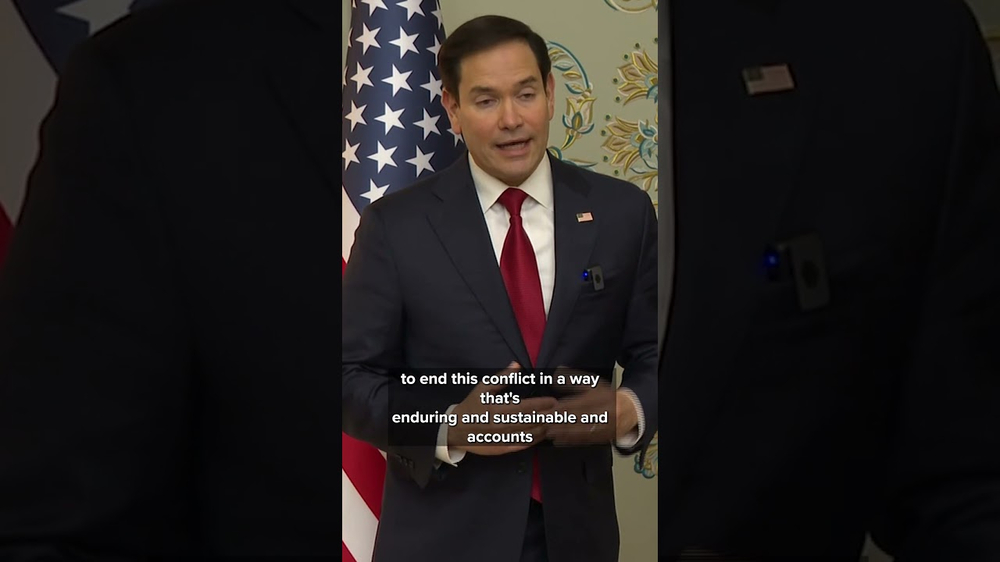
2024
"The Ukrainian military conducted a cross-border offensive into Russia's Kursk Oblast, resulting in the evacuation of approximately 76,000 individuals from the region. This operation marks an escalation in the ongoing conflict between Ukraine and Russia, which began with Russia's annexation of Crimea and subsequent support for separatist movements in Eastern Ukraine.
The offensive targeted military installations and infrastructure used to support operations against Ukraine. According to local sources, Ukrainian forces aimed to disrupt supply lines and reduce the operational capabilities of Russian units stationed near the border. The attack follows a period of increased hostilities, including artillery exchanges and skirmishes along the border, highlighting the deepening tension between the two nations.
Evacuation procedures were swiftly implemented by Russian authorities to ensure civilian safety. Temporary shelters were established in neighboring oblasts, and various humanitarian agencies mobilized to provide necessary aid. Ukrainian officials stated the offensive was a defensive measure in response to repeated incursions and aggressive actions by Russian forces in Ukrainian territory.
This incident has drawn international attention, with various governments and organizations calling for de-escalation and renewed diplomatic efforts to resolve the conflict. The impact on bilateral relations has been profound, further straining the already fragile peace processes. Military analysts noted the strategic implications of the offensive, signaling a shift in Ukrainian tactics from defensive postures to proactive measures to counter perceived threats.
The cross-border offensive into Kursk Oblast underscores the volatility of the regional security environment and the complex geopolitical dynamics at play. It also reflects the broader implications for regional stability and international security frameworks.
#UkrainianOffensive #KurskOblast #RussiaUkraineConflict #Evacuation #MilitaryOperations #RegionalSecurity #GeopoliticalTensions #MoofLife"
View details2023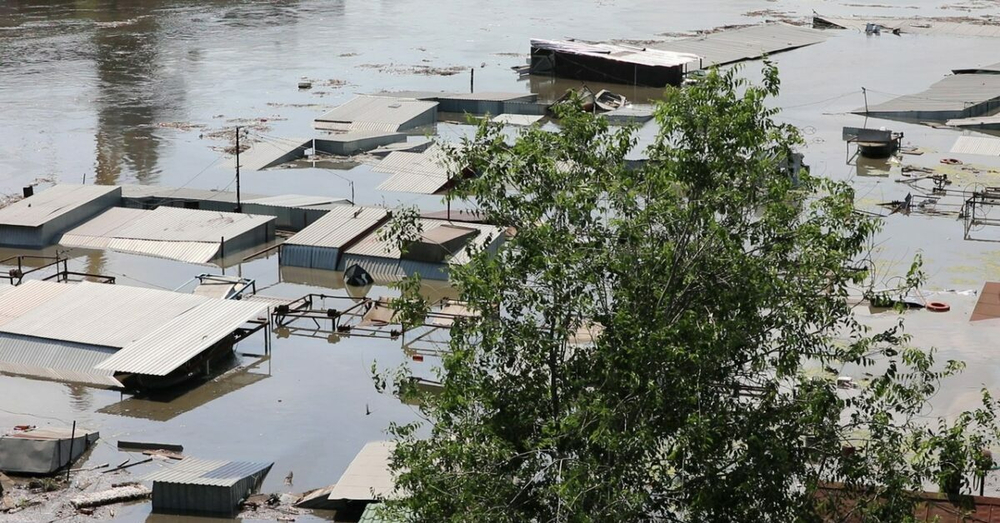
In June 2023, the Nova Kakhovka Dam on the Dnieper River in southern Ukraine was destroyed, triggering catastrophic flooding across a wide stretch of the downstream landscape and prompting a major humanitarian and environmental emergency. Early on 6 June 2023, an explosion caused the large hydro‑electric dam and adjacent power station to collapse, releasing an enormous volume of water from the reservoir. The sudden release inundated towns, villages, farmland, and infrastructure in Kherson and neighbouring regions, forcing evacuations and displacing thousands of residents as floodwaters surged along the river’s course. The uncontrolled flooding also wreaked long‑term damage on water supplies, sanitation systems, and agricultural land, and raised serious concerns about contamination, unexploded ordnance movement, and ecological harm in the region.
The circumstances surrounding the dam’s destruction were highly contentious, with Ukraine accusing Russian forces of planting explosives on the structure and deliberately demolishing it, while Moscow and allied sources offered alternative explanations for how the breach occurred. Regardless of responsibility, the physical effects were profound: entire communities were flooded, essential services were disrupted, and the reservoir that once provided irrigation and drinking water to millions was drained. The scale of the disaster created an urgent and widespread humanitarian need, with organisations including the World Health Organization stepping up health and emergency responses amid fears of waterborne diseases and long‑term public health impacts.
View details2022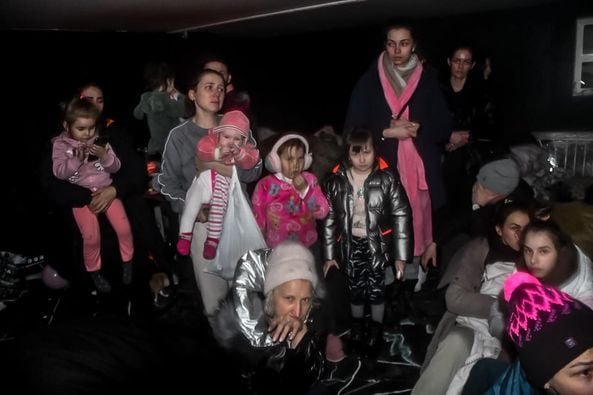
In the context of the ongoing conflict between Russia and Ukraine, Mariupol became a focal point of intense fighting. This port city on the Sea of Azov was strategically important due to its industrial significance and geographic location, offering valuable access to maritime routes and serving as a critical link between Russian-occupied territories in the east and Crimea.
As Russian forces advanced, Mariupol's defenders, including Ukrainian military units and local militia groups, braced for a confrontation. The city's infrastructure, particularly its steelworks and port facilities, suffered heavy bombardment as artillery and airstrikes targeted both military and civilian areas. Reports indicate that thousands of buildings were damaged or destroyed.
Civilian casualties and displacement were significant, with estimates suggesting that numerous residents were killed or injured, and tens of thousands were forced to flee their homes, seeking refuge in less affected parts of Ukraine or crossing borders into neighboring countries. The humanitarian crisis was exacerbated by disrupted supply lines, leading to shortages of food, water, and medical supplies.
International organizations and human rights observers raised concerns regarding the conduct of hostilities, documenting possible violations of international humanitarian law. The concentration of attacks on civilian infrastructure and the resulting harm to the non-combatant population caught global attention, prompting condemnation and calls for ceasefire negotiations.
Efforts to establish humanitarian corridors were frequently hampered by ongoing fighting, complicating evacuation efforts and the delivery of aid. The protracted battle for control of Mariupol further strained an already volatile geopolitical situation, reinforcing the broader implications for regional stability and global security dynamics.
This moment amplified the complexities surrounding the conflict and highlighted the resilience of Mariupol's residents under siege. International responses varied, from calls for diplomatic resolutions to increased military support for Ukraine, reflecting the entrenched positions of global actors.
#MariupolConflict #UkraineUnderSiege #HumanitarianCrisis #GlobalSecurity #MoofLife
View details2020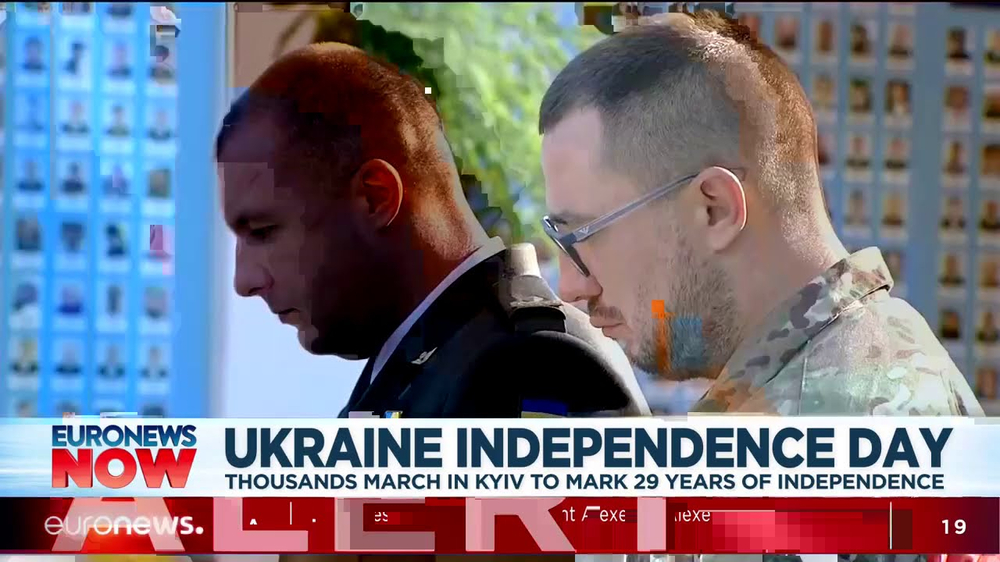
Amid political turbulence, Ukraine declared independence from the Soviet Union. The move followed the collapse of the Soviet state apparatus and ongoing political reforms initiated by Mikhail Gorbachev. Dissolution of the Soviet Union had begun, fueling independence movements across various Soviet republics. Ukraine, a key republic within the union, capitalized on this momentum.
The declaration was a direct result of a failed coup in Moscow, where hard-line communists attempted to seize control. This political instability accelerated Ukraine's push for self-governance. The Verkhovna Rada, Ukraine's parliament, took decisive action, adopting the Act of Independence, which proclaimed Ukraine a sovereign nation. This act was overwhelmingly reaffirmed by citizens in a national referendum, where over 90% voted in favor of independence.
Prior to declaring independence, Ukraine's economic and political landscape was deeply intertwined with Soviet centralized control. The transition marked a shift towards self-reliance and international relations reorientation. Economically, Ukraine faced challenges such as inflation and industrial decline. Politically, it undertook the formation of national institutions, development of a constitutional framework, and initiating diplomatic relations.
The global reaction was significant, with immediate recognition from major powers and international organizations. By the end of that year, Ukraine was recognized by over 130 countries. The United Nations, along with the European Union and NATO, began forging diplomatic and cooperative relations with the new Ukrainian state.
For Ukraine, this declaration was more than a political shift; it was an assertion of national identity, cultural revival, and a commitment to democratic principles. The road ahead involved substantial reforms and dealing with residual Soviet-era challenges. Nevertheless, Ukraine's steps towards independence signaled a broader transformation within the region, contributing to the geopolitical reconfiguration.
#UkraineIndependence #MoofLife #SovietCollapse #PoliticalShift #NationalIdentity
View detailsA Ukrainian Boeing 752 plane operated by Ukraine International Airlines crashed shortly after takeoff from Tehran Imam Khomeini International Airport. The aircraft, en route to Kyiv, went down a few minutes into its flight, resulting in the deaths of all 176 people on board. Among the deceased were 167 passengers and 9 crew members. The passengers included citizens from Iran, Ukraine, Canada, Sweden, Afghanistan, Germany, and the United Kingdom.
The aviation disaster occurred under tense geopolitical circumstances, reflecting the strained relations in the region. Initial reports from Iranian authorities cited technical difficulties as the cause of the crash. However, subsequent investigations revealed that the airliner was unintentionally shot down by an Iranian surface-to-air missile amid heightened military alertness. The inadvertent missile launch was attributed to human error and misidentification of the aircraft as a potential threat.
The impact of the incident was profound, eliciting international responses that included calls for a thorough and transparent investigation. Canadian authorities, given the significant number of Canadian nationals on board, played a prominent role in advocating for accountability and support for victims' families. Memorials and vigils were held, and diplomatic overtures were made to ensure cooperation in the investigation.
In the aftermath, Iran admitted responsibility and expressed remorse for the tragic error. Compensation negotiations ensued, and safety protocols were re-evaluated globally to prevent similar occurrences. The tragedy underscored the volatile intersection of civil aviation and military activities, leading to increased scrutiny of air travel routes over conflict zones. The incident also deepened discussions on international aviation safety standards, reinforcing the imperative for rigorous checks and crisis management strategies.
The downing of the Ukrainian Boeing 737-800 remains a stark reminder of the vulnerability of civilian airliners in regions of conflict and the critical need for clear communication and coordination amongst international bodies in safeguarding air travel.
#MoofLife #AviationSafety #Ukraine #Iran #Flight752 #GlobalResponse #CivilAviation #InternationalRelations
View details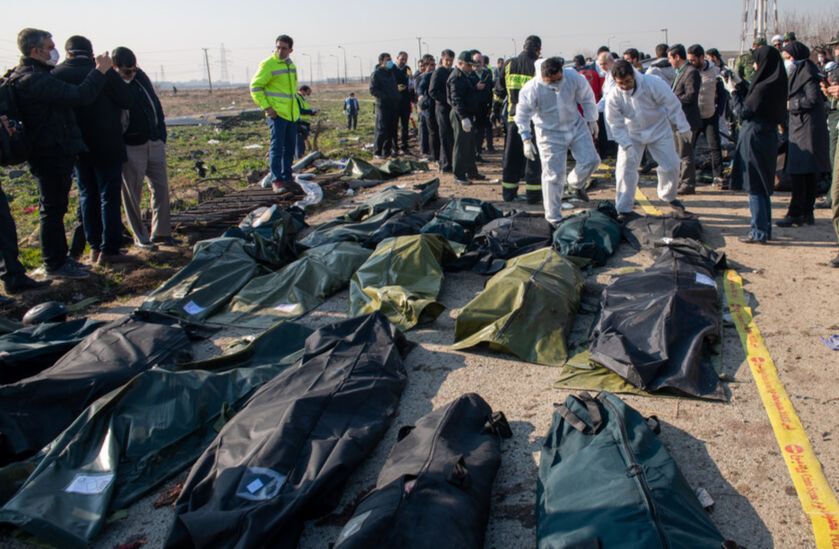
2018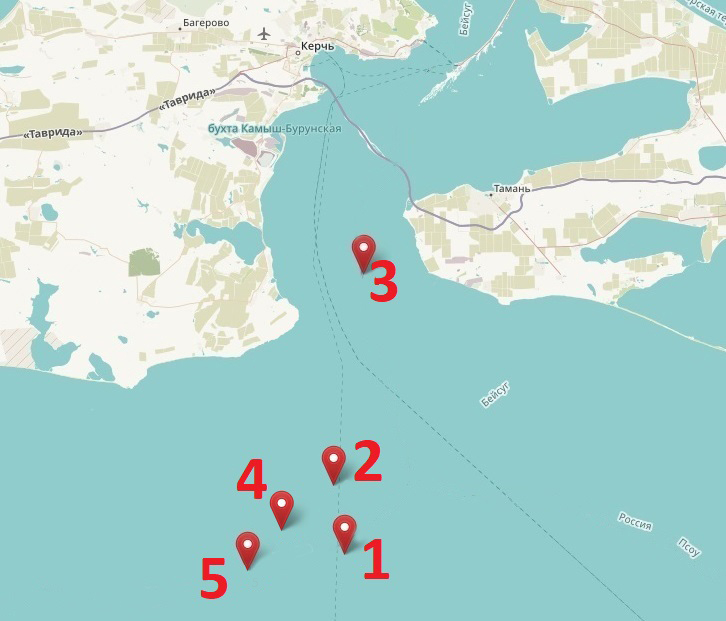
In a pivotal escalation of the ongoing Ukraine-Russia conflict, tensions mounted in the Sea of Azov. This maritime dispute began when Russian forces captured three Ukrainian naval vessels and 24 crew members. It signaled a sharp increase in hostilities between the two nations, drawing international concern and condemnation.
Background context includes the annexation of Crimea by Russia and the subsequent destabilization of eastern Ukraine. This geopolitical contention extended into the Sea of Azov where both countries share coastal boundaries. The 2003 bilateral agreement between Ukraine and Russia designates the Sea of Azov and the Kerch Strait as shared territorial waters. However, following the Crimean annexation, Russia has tightened control over this strategic waterway, heightening sovereignty disputes.
The incident unfolded when Russian border patrols closed off the Kerch Strait by positioning a tanker under a newly constructed bridge linking Russia to Crimea. Ukrainian vessels attempting to cross were first ordered to stop, leading to a high-stakes confrontation. Subsequently, Russian forces fired upon and seized the Ukrainian vessels, citing violations of territorial waters. Ukraine vehemently denied these allegations, asserting their navigational rights under international maritime law.
The impact of this confrontation was immediate and broad-reaching. Domestically, Ukraine declared martial law in specific regions, reflecting heightened security and political mobilization. Internationally, there was expansive diplomatic fallout, with NATO and the EU urging for restraint and a de-escalation of the conflict.
Relevant statistics highlight the severity: 24 Ukrainian sailors were detained, prompting international calls for their release, and economic ramifications were notable as the Azov Sea's shipping routes became subjects of strategic maneuvering and military fortification.
Given the complexity of international treaties and maritime laws, this incident underscored the fragile nature of Ukrainian sovereignty in contested regions. The use of military force by Russia marked a significant moment in the Ukraine-Russia conflict, further straining diplomatic relations and impacting regional security.
#MoofLife #Ukraine #Russia #SeaofAzov #KerchStrait #MaritimeConflict #Geopolitics #InternationalLaw
View details2017
In response to ongoing geopolitical tensions, Ukraine enforced a ban on several Russian social media networks, specifically VKontakte (VK) and Odnoklassniki. This decision emerged from prolonged concerns over national security, data privacy, and the influence of Russian state-sponsored activities within Ukrainian digital spaces. VK and Odnoklassniki were widely used in Ukraine, with millions of active users engaging on these platforms daily. They placed these bans alongside other Russian web services to curtail the perceived threat from Russia's use of digital networks for propaganda, misinformation, and potential cyber intrusions.
The Ukrainian government’s directive led to the immediate blacklisting of these platforms by Ukrainian internet service providers. Statistics showed that VK, prior to the ban, was the most popular social network in Ukraine, boasting around 16 million users. Odnoklassniki, although utilized primarily by an older demographic, also had a significant user base. The ban extended beyond social media to include Yandex, Russia's leading search engine and web service provider, and Mail.ru, a major email and web services company.
Implementation of this ban necessitated collaboration with telecommunications companies to enforce state directives effectively. The reaction included mixed feedback from the public; supporters highlighted the importance of bolstering national security, while critics pointed to issues of internet freedom and the abrupt disruption of communication channels for businesses and personal connections relying on these platforms.
The impact reverberated through Ukrainian society. Users had to transition to alternative platforms such as Facebook and local networks. Businesses relying on VK and Odnoklassniki for marketing and sales were compelled to rethink their digital strategies. The Ukrainian IT sector sought to fill the vacuum left by these popular Russian networks by promoting native tech solutions and digital ecosystems.
In the broader context, the ban is one of several measures taken by Ukraine to assert its digital sovereignty amidst the backdrop of heightened hostilities and the annexation of Crimea. The move symbolized a decisive effort to diminish Russian influence and secure the country's information landscape.
#Ukraine #DigitalSovereignty #CyberSecurity #SocialMediaBan #GeoPolitics #MoofLife
View details2016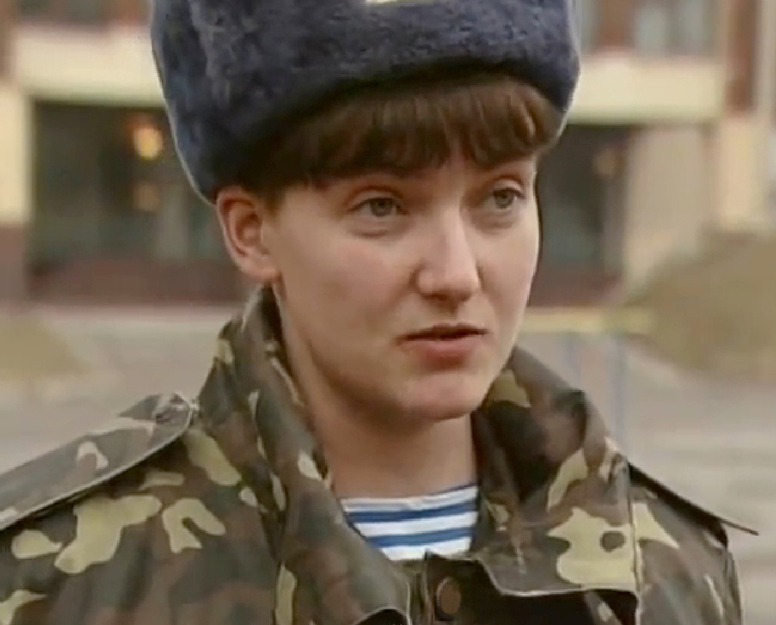
Nadiya Savchenko, a Ukrainian military pilot, was released from Russian imprisonment following a complex international negotiation. Savchenko had been captured by pro-Russian forces in eastern Ukraine and later taken to Russia, where she faced charges related to the deaths of two Russian journalists. Her imprisonment drew significant international attention, as she became a symbol of Ukrainian resistance against Russian aggression.
The diplomatic efforts involved in securing her release included high-level discussions between Ukraine and Russia, as well as pressure from Western nations and international organizations. Ukrainian President Petro Poroshenko played a key role in the negotiations, emphasizing the importance of Savchenko's release for national morale and international relations.
Savchenko's release was part of a prisoner swap, wherein two Russians held in Ukraine were exchanged for her freedom. Upon her return to Ukraine, she was hailed as a hero, underscoring her status as a symbol of the Ukrainian struggle for sovereignty amidst ongoing conflict in the region. Her release had significant implications for Ukrainian politics, bolstering national unity and demonstrating the effectiveness of diplomatic efforts under challenging circumstances.
Savchenko's case had been a focal point of human rights advocacy, with various non-governmental organizations highlighting the political motivations behind her imprisonment. Her return to Ukraine did not just end an ordeal for her but also represented a significant diplomatic victory for the Ukrainian government.
In summary, Nadiya Savchenko's release from Russian imprisonment was the result of intricate diplomatic negotiations, symbolizing Ukrainian resilience and the international community's engagement with issues of sovereignty and human rights. It marked a pivotal moment in the ongoing conflict between Ukraine and Russia, highlighting the role of strategic diplomacy and international pressure in resolving politically motivated imprisonments.
#Ukraine #NadiyaSavchenko #HumanRights #Diplomacy #ConflictResolution #MoofLife
View details2014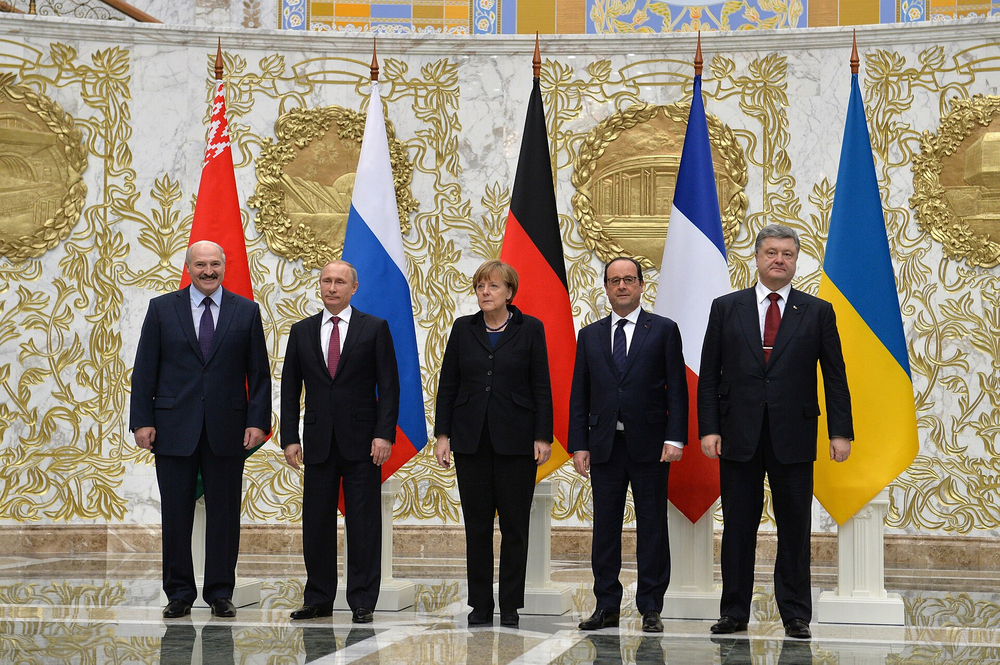
The Minsk Agreements were negotiated to address the ongoing conflict in Eastern Ukraine between Ukrainian forces and separatist groups. Multiple negotiations, mediated by the Organization for Security and Co-operation in Europe (OSCE) and involving leaders from Ukraine, Russia, Germany, and France, culminated in this effort to reduce hostilities.
The agreements aimed to implement an immediate ceasefire between the conflicting parties. They included the withdrawal of heavy weaponry, the release of hostages and unlawfully detained individuals, and efforts towards political solutions, such as local elections in the separatist-controlled regions. Troop disengagement and broader Ukrainian constitutional reforms that would decentralize power were also part of the accords.
Despite these arrangements, the implementation of the Minsk Agreements faced significant challenges. Violations of the ceasefire were frequent, and there was a persistent lack of adherence to various terms from both sides. Consequently, the anticipated peace and stability were only partially realized, prolonging the humanitarian impact on civilians in the region.
Statistics show that thousands of lives were lost due to the conflict, with tens of thousands injured and over a million displaced. The agreements, while a step towards peace, underscored the complexities of achieving a durable resolution in conflict zones where geopolitical tensions are high.
The Minsk Agreements remain a focal point in discussions about conflict resolution and international diplomacy in the region, reflecting ongoing efforts for peace despite myriad challenges. Their implementation continues to be monitored and revisited by international bodies and state actors.
#MoofLife #MinskAgreements #UkraineConflict #Diplomacy #PeaceEfforts #InternationalRelations
View detailsOn February 23, 2014, pro-Russian unrest began to emerge in eastern Ukraine, marking the beginning of a conflict that would escalate into a major geopolitical crisis involving Ukraine, Russia, and the broader international community. This unrest followed the ousting of Ukraine's pro-Russian president, Viktor Yanukovych, amid mass protests in Kyiv and across the country. The unrest in eastern Ukraine laid the groundwork for the annexation of Crimea by Russia and the ongoing conflict in the Donbas region, which continues to shape the political and security landscape of Eastern Europe.
Background: The Euromaidan Protests and Yanukovych’s Ouster
The unrest in eastern Ukraine was deeply connected to the broader political crisis that had engulfed Ukraine since late 2013. The Euromaidan protests, which began in November 2013, were sparked by President Viktor Yanukovych’s decision to reject an association agreement with the European Union in favor of closer ties with Russia. This decision was seen by many Ukrainians, particularly in the western and central parts of the country, as a betrayal of Ukraine’s European aspirations.
The protests quickly grew into a broader movement against corruption, government repression, and Yanukovych’s authoritarian rule. The movement culminated in February 2014, when violent clashes between protesters and security forces in Kyiv led to the deaths of dozens of demonstrators. Facing immense pressure, Yanukovych fled Kyiv on February 21, 2014, and was ultimately ousted by the Ukrainian parliament on February 22.
The Beginning of Pro-Russian Unrest
As Yanukovych fled and a new, pro-European government began to take shape in Kyiv, unrest began to stir in the eastern and southern regions of Ukraine, where a significant portion of the population was ethnically Russian or Russian-speaking. Many in these regions viewed the new government with suspicion, fearing that it would pursue policies unfavorable to their interests, particularly concerning language rights and cultural identity.
On February 23, 2014, protests began to break out in cities across eastern Ukraine, including Donetsk, Kharkiv, and Luhansk. These protests were characterized by pro-Russian sentiment, with demonstrators waving Russian flags and calling for closer ties with Russia. In some cases, there were demands for greater autonomy or even secession from Ukraine.
The unrest was fueled by a combination of factors, including:
Ethnic and Linguistic Divides:
Eastern Ukraine has a large population of ethnic Russians and Russian-speaking Ukrainians, many of whom have historically felt a strong cultural connection to Russia. The new government in Kyiv, which was seen as more nationalistic and pro-Western, was viewed with distrust by many in the east.
Russian Influence:
Russia played a significant role in stoking the unrest, both through its state-controlled media, which portrayed the new Ukrainian government as illegitimate and fascist, and through direct support for pro-Russian groups and militias in the region. Russian propaganda was particularly effective in mobilizing anti-Kyiv sentiment in eastern Ukraine.
Fear of Marginalization:
Many in eastern Ukraine feared that the new government would marginalize Russian language and culture. The repeal of a 2012 law that allowed regions to use Russian as an official language alongside Ukrainian (though this repeal was later vetoed) further inflamed tensions.
Escalation and Russian Annexation of Crimea
The unrest in eastern Ukraine quickly escalated into a broader conflict. In March 2014, following the ouster of Yanukovych, Russian forces, initially without insignias, began seizing control of the Crimean Peninsula. On March 16, 2014, a controversial and internationally unrecognized referendum was held in Crimea, resulting in a declaration of independence from Ukraine and a request to join the Russian Federation. Shortly thereafter, Russia formally annexed Crimea, a move that was widely condemned by the international community.
The Conflict in Donbas
The unrest in eastern Ukraine did not remain limited to protests. By April 2014, pro-Russian separatists, with alleged support from Moscow, began seizing government buildings and declaring "people's republics" in the Donetsk and Luhansk regions, collectively known as the Donbas. These actions marked the beginning of a violent conflict between Ukrainian government forces and the separatists, who sought independence or union with Russia.
The conflict in Donbas escalated into a full-scale war, with significant involvement from Russia, including the provision of weapons, funding, and even Russian troops disguised as local militias. Despite attempts at ceasefires and peace negotiations, including the Minsk agreements, the conflict has continued intermittently, leading to thousands of deaths and displacements.
International Response and Impact
The pro-Russian unrest in eastern Ukraine and the subsequent annexation of Crimea by Russia led to a major international crisis. The United States, European Union, and other Western countries imposed sanctions on Russia in response to its actions in Ukraine, leading to a significant deterioration in relations between Russia and the West. NATO increased its presence in Eastern Europe as a deterrence measure, and the conflict in Ukraine became a focal point of geopolitical tensions.
For Ukraine, the conflict has had profound and lasting consequences. The loss of Crimea and the ongoing war in Donbas have deeply affected the country's economy, politics, and society. The conflict has also galvanized Ukrainian nationalism and shifted the country’s orientation decisively towards the West, with Ukraine pursuing closer ties with the European Union and NATO.
#MomentsOfLife #MoofLife_Moment #MoofLife #Ukraine #EasternUkraine #Donbas #Russia #Geopolitics #Crimea #ProRussianUnrest
View details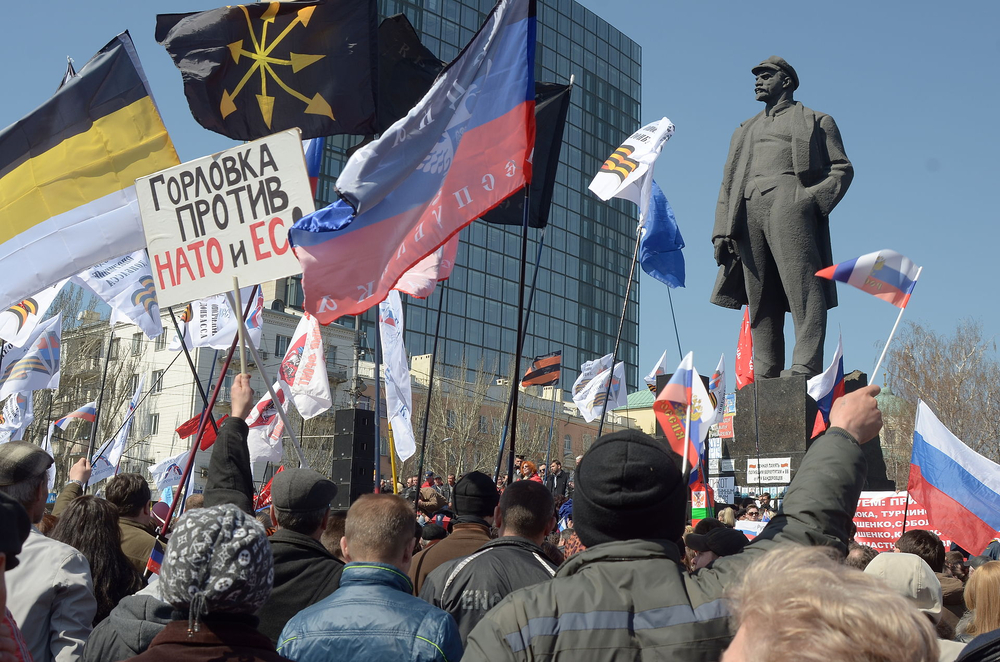
In a pivotal event in Ukrainian history, Viktor Yanukovych was ousted from his role as President of Ukraine following months of intense protests and civil unrest. This shift in power emerged from the larger context of Yanukovych's decision to reject an association agreement with the European Union, opting instead for closer ties with Russia. This move sparked massive demonstrations known as the Euromaidan protests, which began as peaceful gatherings but escalated into violent clashes between protesters and security forces.
The Verkhovna Rada (Ukrainian Parliament) played a critical role in this transition. Following significant casualties during the protests and Yanukovych's subsequent departure from Kyiv, parliament convened and passed a resolution declaring that Yanukovych had unlawfully abandoned his duties. The parliament also set new elections, signaling a decisive shift away from Yanukovych's administration.
The impact of this event was profound. It led to major political realignments within Ukraine, bolstering factions that favored closer integration with Europe. Additionally, Yanukovych's removal intensified tensions with Russia, contributing to the annexation of Crimea and the ongoing conflict in Eastern Ukraine. This period was marked by broader geopolitical implications, affecting international relations and security in the region.
The immediate response included celebrations in Kyiv's Independence Square, known as Maidan Nezalezhnosti, as well as repercussions within the Ukrainian government. Yanukovych fled Ukraine, resulting in an Interpol warrant and accusations of corruption and crimes against his own people.
This pivotal moment underscores the struggle for political self-determination and the complex dynamics between pro-European and pro-Russian influences within Ukraine. Historians and political analysts view this as a turning point that has continued to shape the nation's trajectory in subsequent years.
#Ukraine #Euromaidan #Yanukovych #PoliticalChange #Geopolitics #Protests #MoofLife
View details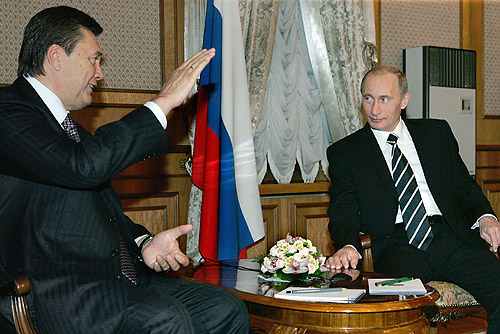
The Ukrainian Revolution began in Kyiv when large-scale anti-government protests erupted, transforming the capital’s Independence Square into a battleground. Prior dissatisfaction with President Viktor Yanukovych's administration had been simmering, but tensions became critical following his decision to suspend signing an Association Agreement with the European Union, favoring closer ties to Russia instead.
Protestors, aiming to see Ukraine integrate more with Western Europe, were met with force. Clashes between protestors and government forces ranged from the use of batons and tear gas to more lethal means, with multiple casualties ensuing. The conflict saw thousands flooding the streets in opposition, with entrenchments and barricades becoming infrastructural symbols of resistance within Kyiv.
Approximately 100,000 people were actively involved in the protests during their peak, with the movement receiving broader support from various cities across Ukraine. The grievances extended to corruption, abuse of power, and violations of human rights under Yanukovych's rule, galvanizing broader opposition.
Key infrastructural points like government buildings saw occupations and sieges, reflecting the protestors' resolve and frustration. The movement also involved significant community organization, with voluntary medical help, food distribution, and information dissemination becoming crucial as the government-imposed states of emergencies in efforts to quell unrest.
The impact of these protests was profound, leading to a significant shift in Ukrainian politics. The eventual result was the ousting of President Yanukovych, who fled the country. This series of events also triggered wider geopolitical ramifications, escalating tensions between Western nations and Russia, especially as Russia later annexed Crimea, accentuating the political and cultural divide within Ukraine.
#UkrainianRevolution #KyivProtests #PoliticalChange #Ukraine #MoofLife
View details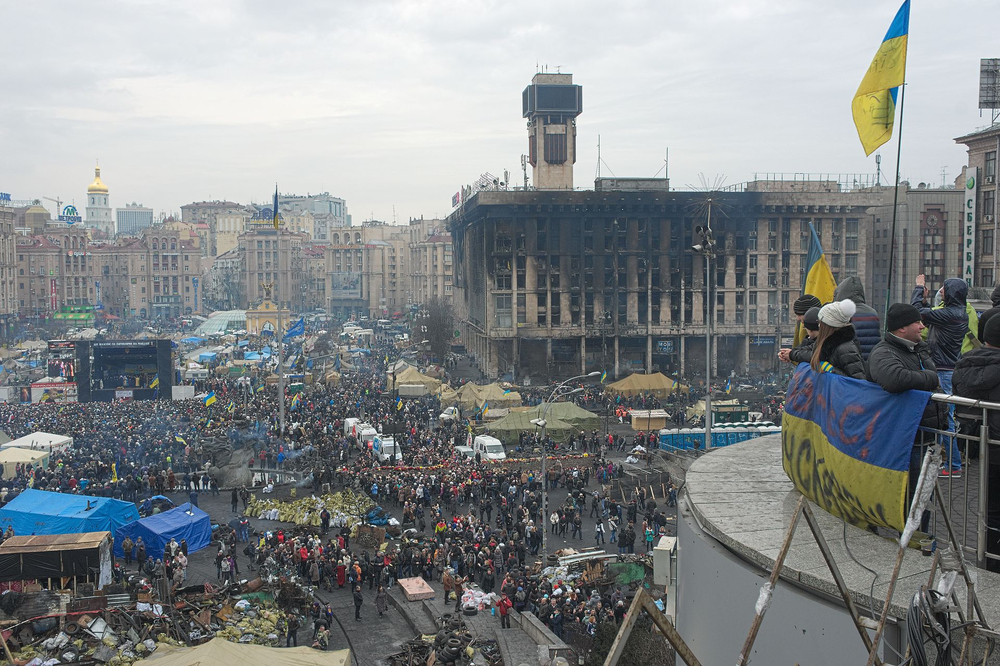
2004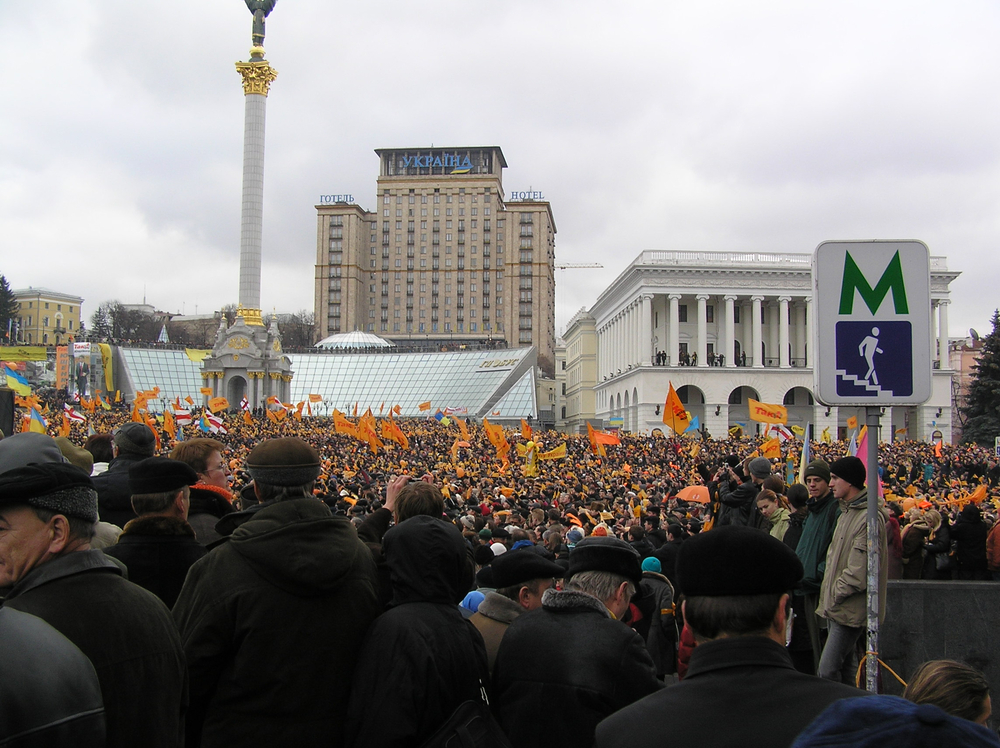
Amidst increasing political tensions in Ukraine, the Orange Revolution unfolded as a pivotal turning point in the country's recent history. The immediate catalyst for the movement was the disputed presidential election between two main candidates: Viktor Yushchenko, who was the opposition leader, and Viktor Yanukovych, the sitting prime minister.
Before the election, there had been widespread concern regarding election fraud, vote manipulation, and corruption. These concerns were seemingly confirmed when the official results were announced, allegedly favoring Yanukovych. Many international observers and local citizens contended that the election had been marred by significant irregularities, leading to deep dissatisfaction and suspicion among the populace.
The reaction was swift and significant. Hundreds of thousands of Ukrainians took to the streets, donning orange attire—the campaign color of Yushchenko—as a symbol of their demand for fair elections and democratic processes. The heart of these protests was in the capital city, Kyiv, particularly in Independence Square, where demonstrators set up makeshift camps and engaged in peaceful protests.
The public outcry led to the Supreme Court of Ukraine intervening, formally annulling the election results due to the evident massive corruption and ordering a revote. This legal decision was a turning point, making it clear that the government's previous attempts to subvert democratic processes would not be tolerated by the citizens or the judicial system.
In the subsequent re-election, Viktor Yushchenko emerged victorious, a result that aligned more closely with the will expressed by the people during the protests. The aftermath of the Orange Revolution had a lasting impact on Ukrainian politics and civil society, fostering an increased focus on transparency, governance, and civic activism.
Relevant statistics highlight the scale of public involvement: estimates suggest that up to a million people participated in some form of protest during the movement. The Orange Revolution also piqued international interest and concern, securing Ukraine's place in global conversations about democracy and national sovereignty in the post-Soviet geopolitical landscape.
#Ukraine #Democracy #Election #Protest #CivicActivism #PoliticalChange #MoofLife
View details1994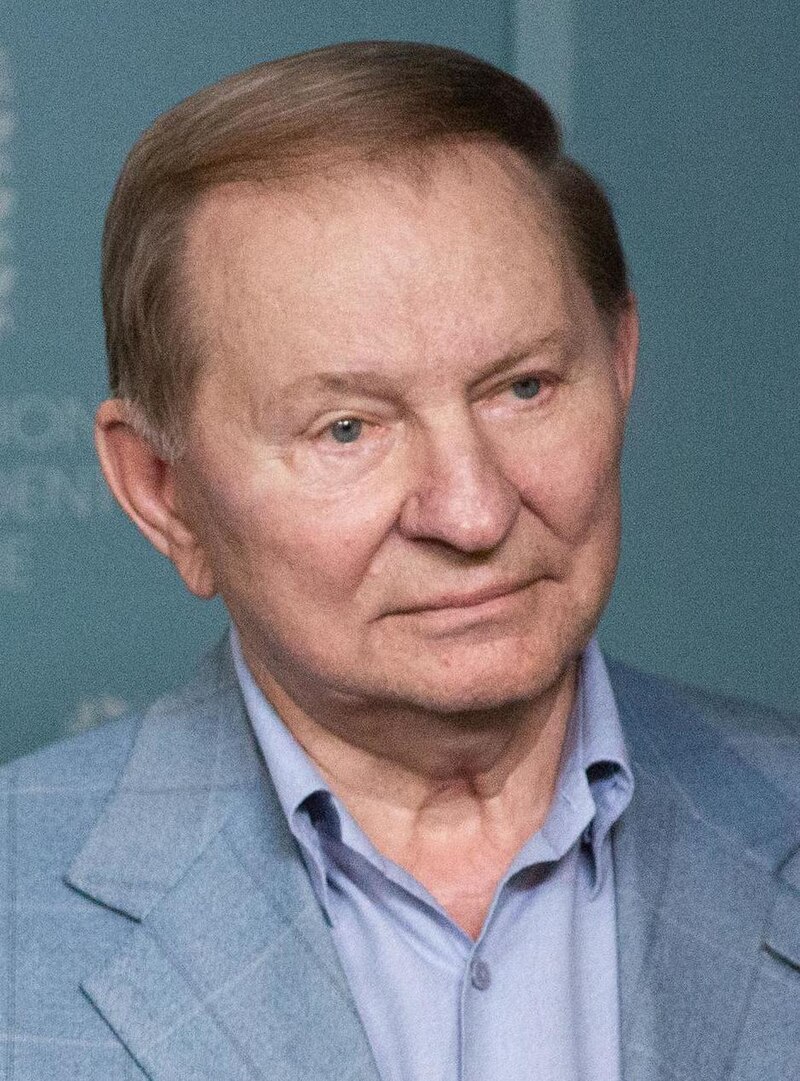
Leonid Kuchma was inaugurated as President of Ukraine, marking a pivotal shift in the country's political landscape. Kuchma's background as a former Prime Minister and director of a major missile plant positioned him as a pragmatic choice during a time of economic turbulence and political transition. Succeeding Leonid Kravchuk, Kuchma took office amidst escalating national concerns about economic stability, inflation, and corruption.
As the second President of Ukraine, his administration faced the immediate challenge of steering the nation through the aftermath of the dissolution of the Soviet Union. Ukraine was grappling with severe economic downturns, characterized by hyperinflation that peaked at 10,155% in one year, a plummeting GDP, and a dire need for structural reforms.
Kuchma's tenure commenced with promises of implementing profound economic reforms, emphasizing the privatization of state-owned enterprises and fostering closer ties with Western institutions. His background in engineering and industry was expected to introduce a disciplined, methodical approach to national governance.
This political transition also underscored the broader geopolitical shifts occurring in Eastern Europe. Ukraine's strategic position between Russia and Western Europe meant that Kuchma's policies would have substantial implications not only domestically but also in the region's geopolitical dynamics. His administration signaled a balancing act—navigating complex relationships with Russia, maintaining national sovereignty, and engaging with global markets.
During Kuchma's presidency, major efforts were undertaken to stabilize the economy and attract foreign investment. Though criticized for slow progress and ongoing issues of corruption, his leadership marked crucial steps toward establishing a market-oriented economy.
Kuchma's inauguration represents a critical juncture in Ukrainian history. It underscores the nation's struggles and efforts to transition from a Soviet past to an independent state with aspirations for a prosperous future. His presidency was characterized by the dual mandate of reforming political and economic systems while ensuring stability in a nascent democracy.
#Ukraine #PoliticalTransition #EconomicReform #EasternEurope #Geopolitics #MoofLife
View details1986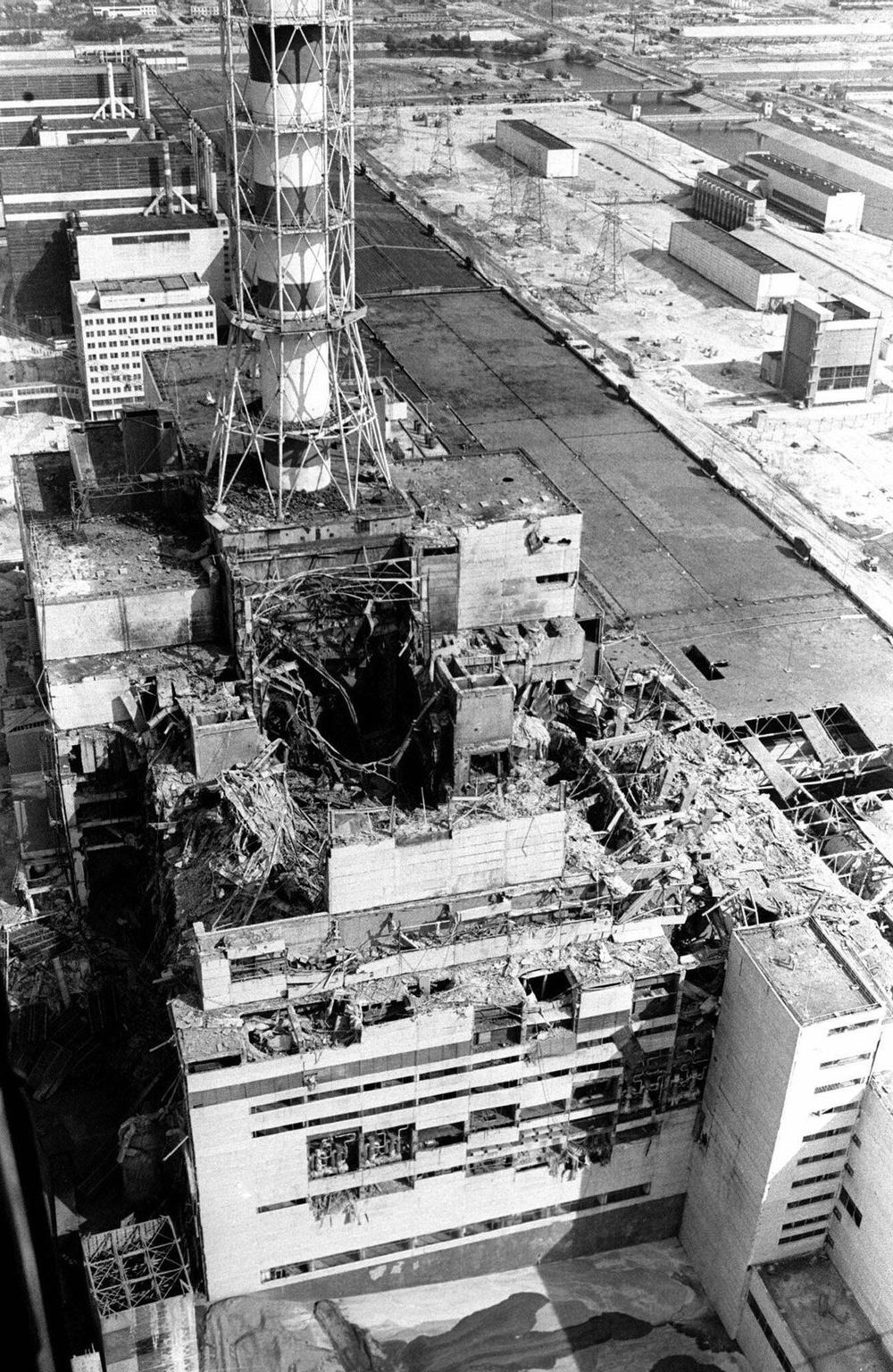
In the city of Pripyat, located within present-day Ukraine, Reactor No. 4 at the Chernobyl Nuclear Power Plant experienced a critical failure during a late-night safety test. The reactor's power output plummeted, leading to operators attempting an emergency shutdown. However, design flaws along with operator errors resulted in an uncontrollable nuclear reaction.
Subsequently, a significant explosion breached the reactor, releasing vast quantities of radioactive isotopes into the atmosphere. This blast blew the 1,000-ton reactor sealing cap away, exposing the core and igniting a fire that burned for days. Radioactive particles spread across large areas of Europe, reaching parts of Russia, Belarus, and beyond. Immediate fatalities were reported among plant workers and emergency responders, with fatal exposures and subsequent health complications leading to additional deaths in the days to follow.
Evacuation orders were delayed, adding to the crisis. Over 100,000 people were eventually relocated from contaminated zones. Estimates suggest that hundreds of thousands of individuals have suffered from long-term health issues, including cancers and genetic damage. Various international agencies have documented elevated risks, although total casualty estimates remain a point of contention.
The reactor was encased in a concrete sarcophagus meant to limit further radioactive release. This containment structure, however, has required ongoing maintenance and periodic upgrades to contain residual radiation. Agricultural areas, forests, and the environment were severely impacted, leading to the establishment of the Chernobyl Exclusion Zone, which remains largely uninhabited.
The event underscored the potential risks associated with nuclear energy, influencing global changes in policies and reactor designs. Several nations reassessed their nuclear programs, implementing enhanced safety measures and preventative protocols. International cooperation grew, focusing on improving response strategies to nuclear incidents.
While Pripyat symbolizes the catastrophic event, it also stands as a poignant reminder of the need for meticulous safety standards and the far-reaching consequences of technological failures.
#NuclearAccident #Chernobyl #RadiationImpact #EnvironmentalDisaster #PublicSafety #EnergyPolicy #MoofLife
View details1981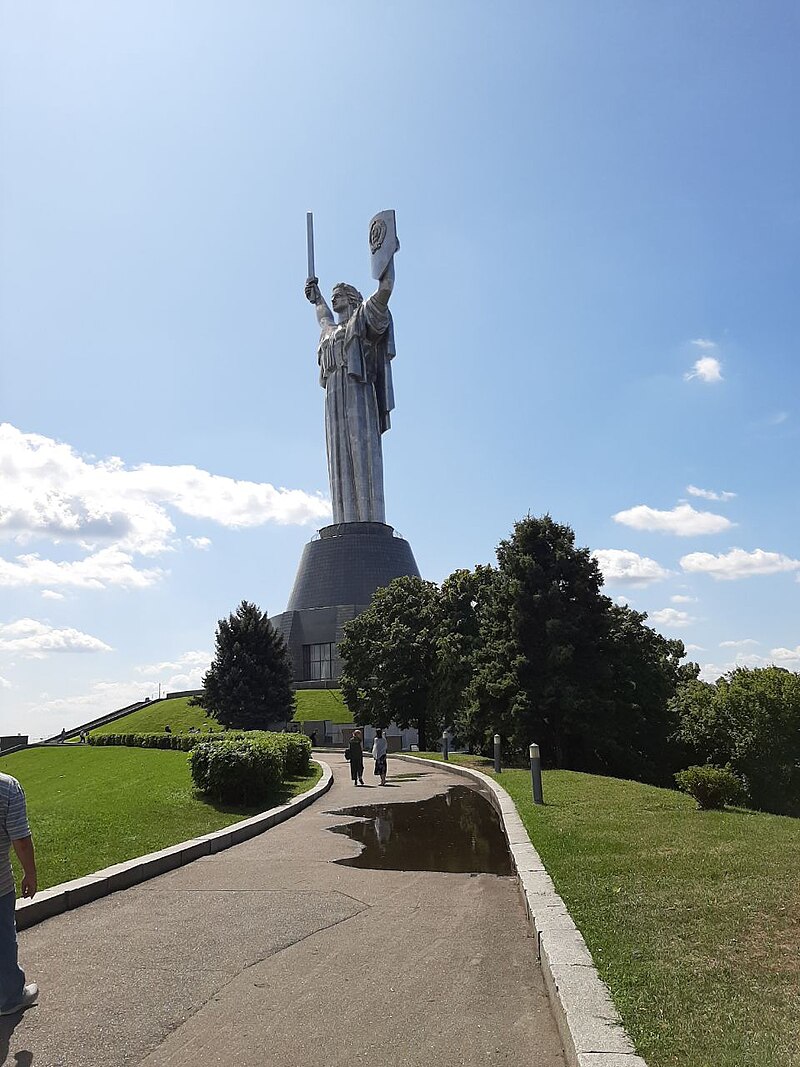
The unveiling of the Motherland Monument in Kyiv marked a pivotal event of national pride and historical significance in Ukraine. Standing at 102 meters tall, this immense statue symbolizes the indomitable spirit and resilience of the Ukrainian people during World War II. The Monument forms a central part of the National Museum of the History of Ukraine in the Second World War.
Crafted from stainless steel, the Motherland Monument was designed by Yevgeny Vuchetich and constructed under the supervision of Ukrainian sculptor Vasyl Borodai. It consists of a 36-meter statue atop a five-tier pedestal, standing as one of the tallest statues in the world. The statue holds a sword, which is 16 meters long and weighs nine tons, and a shield emblazoned with the emblem of the Soviet Union.
The opening ceremony was a grand affair, attended by government officials, military personnel, and citizens. It was an embodiment of Soviet architecture and a tribute to those who perished in the war. The monument intended to evoke a sense of unity and to commemorate the valor and sacrifice of soldiers and civilians.
Economically, the project was a testament to the capabilities of Soviet engineering and planning. It served as a focal point for tourism, drawing thousands of visitors annually. Furthermore, the Motherland Monument became a central symbol in Kyiv's skyline, visible from various parts of the city.
Culturally, the monument has been both a point of communal memory and a subject of controversy, particularly in the post-Soviet era. As Ukraine navigated its identity and heritage, the statue and its Soviet emblem became a contentious issue. However, it remains an important historical and cultural site, reflecting a formative period in Ukraine's past.
For many Ukrainians, the Motherland Monument stands as a testament to their ancestors' hardships and the enduring spirit of the nation.
#MoofLife #UkraineHistory #KyivLandmark #NationalPride #WWIIMemorial #SovietArchitecture
View details1942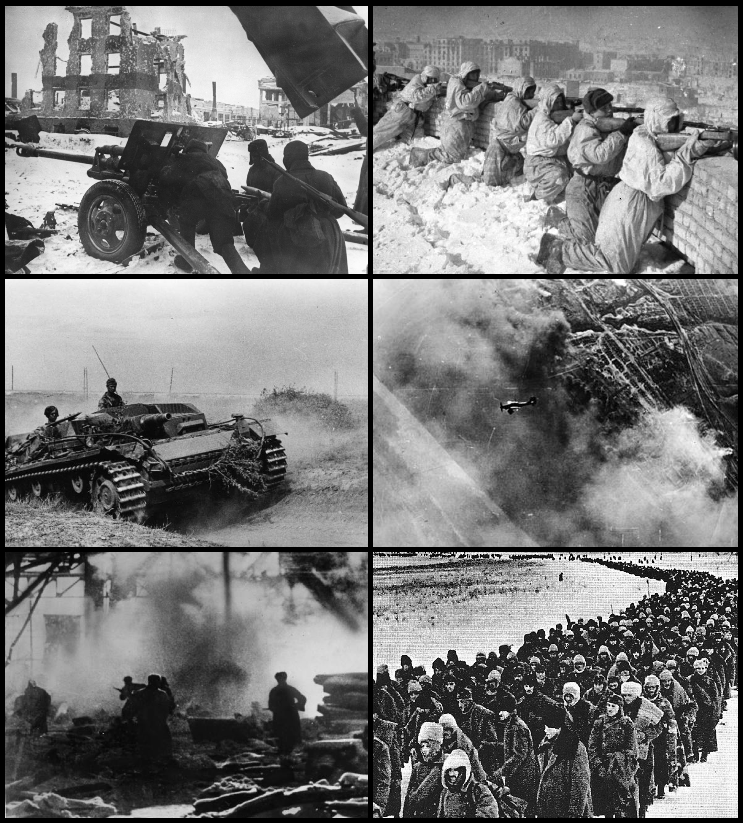
The Battle of Stalingrad was a decisive confrontation during World War II between Nazi Germany and its allies and the Soviet Union. The battle took place in the city of Stalingrad, now known as Volgograd, and its surrounding areas. This event was pivotal in the Eastern Front's theatre of war.
Before the battle, Germany, under Adolf Hitler's command, aimed to capture Stalingrad due to its industrial capacity and strategic location. The German offensive, part of Operation Barbarossa, intended to secure the Volga River and cripple Soviet transportation and supply lines.
The German 6th Army, commanded by General Friedrich Paulus, advanced towards Stalingrad. The Soviet Union, led by General Vasily Chuikov of the 62nd Army, mounted a staunch defense. The battle erupted into brutal urban warfare, with both sides fighting for control of individual buildings and streets.
The confrontation saw massive casualties. German forces ultimately suffered approximately 750,000 casualties, including killed, wounded, and missing. Soviet forces also endured heavy losses, with estimates of around 1.1 million casualties. Civilian casualties in Stalingrad numbered over 40,000, partly due to constant bombings and lack of food.
On the strategic front, the Red Army launched Operation Uranus, an encircling maneuver aimed at trapping German forces within Stalingrad. This counter-offensive successfully encircled and trapped approximately 300,000 Axis troops in a pocket around Stalingrad. Despite desperate attempts to break the encirclement, German forces could not retrieve or reinforce their beleaguered 6th Army.
By the end of the battle, the trapped German 6th Army faced dire conditions, including starvation, extreme cold, and dwindling supplies. General Paulus surrendered, marking the first time a German field marshal surrendered to enemy forces. This defeat significantly impacted German morale and military manpower, marking a turning point in the Eastern Front.
The aftermath of the Battle of Stalingrad solidified Soviet resilience and showcased the Red Army's capability to mount successful large-scale operations. It was a critical blow to Nazi Germany's ambitions in Eastern Europe and marked the beginning of a strategic Soviet push westward.
The memory of the Battle of Stalingrad continues to resonate due to its scale, brutality, and pivotal role in World War II's outcome.
#MoofLife #WWII #Stalingrad #EasternFront #SovietVictory
View details1941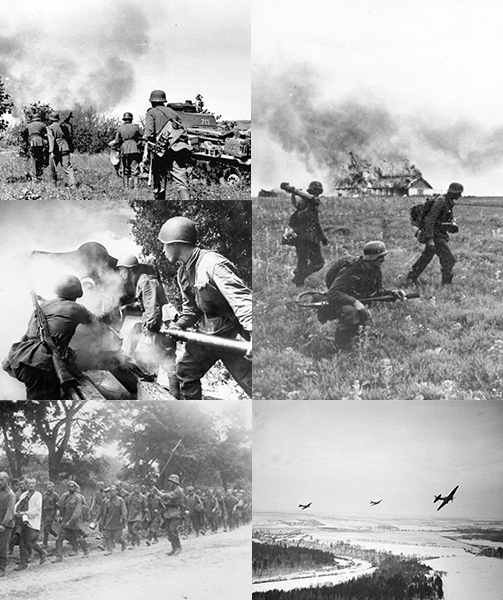
Germany’s capture of Lviv, Ukraine, during Operation Barbarossa marks a pivotal moment in the Eastern Front of World War II. Operation Barbarossa was the code name for the Axis invasion of the Soviet Union, launched to assert control over Soviet territories and disrupt the Soviet war effort.
Lviv, a key Ukrainian city, became a primary target due to its strategic importance. German military forces executed precise and forceful maneuvers to overrun Soviet defenses. The city's capture resulted from coordinated assaults involving infantry, artillery, and rapid Panzer divisions. The Germans capitalized on the element of surprise and the disorganization within Soviet ranks, disabling a significant portion of the Red Army stationed in the region.
The capture of Lviv disrupted Soviet communication lines and military logistics, complicating their defensive operations on the Eastern Front. The Red Army faced significant losses in both manpower and materiel. Thousands of Soviet soldiers were killed, captured, or forced to retreat, marking one of many devastating blows during the initial phase of Operation Barbarossa.
Civilians in Lviv experienced significant upheaval as German forces took control. The immediate aftermath saw changes in administrative oversight, with German and collaborator forces imposing new governance structures and policies. The occupation led to harsh consequences for various segments of the population, including reprisals, forced labor, and persecutions.
The capture prompted a shift in strategic movements on the Eastern Front. For Germany, controlling Lviv facilitated further advancement into Soviet territories and fortified their hold on the region's resources. It also provided a psychological boost, showcasing the effectiveness of the Wehrmacht's blitzkrieg tactics.
Operation Barbarossa's advance through Ukraine, including Lviv's capture, significantly impacted the broader frontline dynamics, influencing subsequent military engagements and contributing to the overall attrition between Axis and Soviet forces.
#OperationBarbarossa #EasternFront #WorldWarII #Lviv #Ukraine #MilitaryStrategy #History #MoofLife
View details1932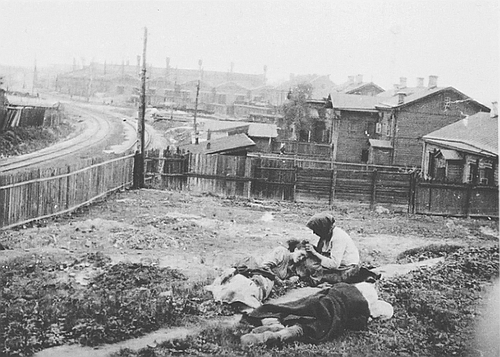
The Holodomor, also known as the Ukrainian Famine-Genocide, was a devastating man-made famine that took place in Soviet Ukraine from 1932 to 1933. The term "Holodomor" comes from the Ukrainian words "holod," meaning hunger, and "moryty," meaning to kill. This catastrophic event resulted in the deaths of millions of Ukrainians and is widely recognized as a genocide, orchestrated by the Soviet government under Joseph Stalin.
Background: Soviet Policies and Agricultural Collectivization
The Holodomor occurred against the backdrop of Soviet policies aimed at transforming the agrarian economy of the Soviet Union through rapid industrialization and forced collectivization of agriculture. In the late 1920s, Joseph Stalin introduced the policy of collectivization, which involved consolidating individual peasant farms into large, state-controlled collective farms (kolkhozes). This policy was part of Stalin's broader goal of increasing agricultural productivity to finance industrialization and assert greater control over the rural population.
Ukraine, known as the "breadbasket of Europe" due to its fertile soil and extensive grain production, was particularly affected by collectivization. The Ukrainian peasantry, who were traditionally small landowners, resisted the forced collectivization, leading to widespread unrest and opposition to Soviet rule.
The Famine: Causes and Implementation
The Soviet government's response to Ukrainian resistance was brutal. To enforce collectivization, the state implemented policies that directly contributed to the famine:
Grain Requisition Quotas:
The Soviet government imposed exorbitantly high grain requisition quotas on Ukraine, demanding that an unrealistic portion of the harvest be delivered to the state. The quotas were so high that they left little to no grain for the peasants themselves.
Confiscation of Food:
When Ukrainian peasants failed to meet the grain requisition quotas, Soviet authorities confiscated not only the grain but also other foodstuffs, including livestock, vegetables, and seed grain. This left entire villages without food.
Blockades and Blacklists:
The Soviet government imposed internal blockades on Ukraine, preventing the movement of food and people out of the most affected regions. Villages that did not meet their quotas were placed on blacklists, effectively isolating them and cutting off any remaining sources of food.
Criminalization of Aid:
Soviet laws made it illegal for people to glean leftover grain from the fields or to provide assistance to those who were starving. The "Law of Spikelets," as it was known, criminalized even the smallest act of gathering fallen grains, and violators were often executed or sent to labor camps.
Impact: The Death Toll and Suffering
The effects of these policies were catastrophic. Between 1932 and 1933, millions of Ukrainians perished from starvation. Estimates of the death toll vary, with figures ranging from 3 million to 7 million, and some estimates even higher. Entire villages were wiped out, and the countryside was left depopulated.
The famine was characterized by unimaginable suffering. People resorted to eating anything they could find, including leaves, grass, and, in some cases, even resorting to cannibalism. The Soviet government, however, continued to deny the existence of the famine and refused international aid, insisting that reports of the famine were exaggerated or fabricated by enemies of the state.
Recognition as Genocide
The Holodomor is widely recognized as a genocide by Ukraine and many other countries around the world. The central argument for labeling the Holodomor as a genocide is that it was a deliberate and systematic attempt by the Soviet government to suppress Ukrainian nationalism, crush resistance to Soviet policies, and punish the Ukrainian people for their perceived disloyalty to the regime.
Stalin’s policies during the Holodomor were seen as an attack on Ukrainian identity, culture, and independence. The famine targeted not just the food supply but also the social and cultural structures of Ukrainian society, with the aim of breaking the will of the Ukrainian people and ensuring their subjugation to Soviet authority.
Legacy and Commemoration
The legacy of the Holodomor is profound and continues to shape Ukrainian identity and the country’s relationship with Russia. For decades, the Soviet government suppressed discussion of the famine, and it was only after Ukraine gained independence in 1991 that the full extent of the tragedy was publicly acknowledged.
In 2006, the Ukrainian Parliament officially recognized the Holodomor as an act of genocide against the Ukrainian people. Since then, Ukraine has sought international recognition of the Holodomor as genocide, and several countries, including the United States, Canada, and Australia, have formally acknowledged it as such.
Every year, on the fourth Saturday of November, Ukraine commemorates Holodomor Remembrance Day, honoring the millions of victims of the famine. Memorials and museums dedicated to the Holodomor have been established in Ukraine and in Ukrainian communities around the world.
#MomentsOfLife #MoofLife_Moment #MoofLife #Holodomor #Ukraine #Genocide #SovietHistory #UkrainianHistory #HumanRights
View details1918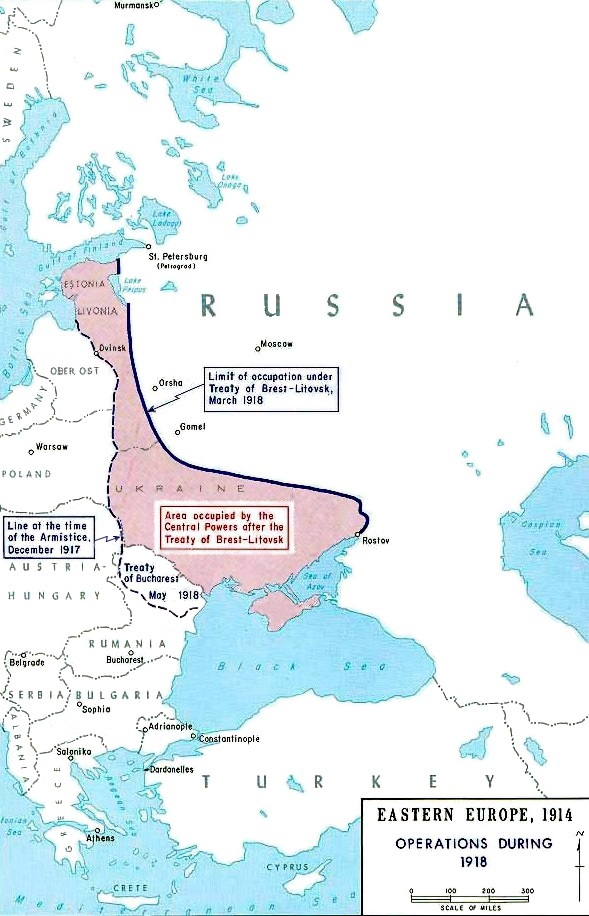
The Treaty of Brest-Litovsk was a pivotal agreement during World War I, finalized by representatives of Soviet Russia and the Central Powers, which included Germany, Austria-Hungary, Bulgaria, and the Ottoman Empire. This treaty marked Russia’s exit from the war, following the upheaval of the Bolshevik Revolution and the subsequent civil conflict within Russia.
Amid a backdrop of revolutionary turmoil, the Bolshevik leadership, under Vladimir Lenin, sought to extricate Russia from World War I to focus on domestic issues. Negotiations began at the city of Brest-Litovsk (located in modern-day Belarus), with initial talks stalling due to differing demands. The Central Powers, particularly Germany, pressed for substantial territorial concessions from Russia. These demands resulted in the cession of numerous territories, including present-day Ukraine, Belarus, Poland, and the Baltic states.
The finalized treaty had significant geopolitical repercussions. Soviet Russia lost approximately one-third of its population and a similar proportion of its agricultural land. Industrially, about half of Russia’s industry and a vast majority of its coal mines were also forfeited. These territorial losses were strategically important for the Central Powers, as they gained control over food production and natural resources that were critical for their war efforts.
For Ukraine, the implications were profound. The treaty recognized Ukraine as a separate entity, leading to the establishment of the Ukrainian People's Republic, albeit under the shadow of German influence and conditions imposed by the Central Powers. This recognition provided a brief period of semi-autonomy, though it was fraught with political instability and economic challenges.
The Treaty of Brest-Litovsk demarcated a shift in the dynamics of World War I. While it allowed Germany and its allies to funnel resources to the western front, it also irrevocably altered the map of Eastern Europe. Ultimately, the treaty's terms were nullified with the war’s conclusion and the armistice, leading to further renegotiations at the Treaty of Versailles.
#MoofLife #WorldWarI #EasternEurope #Geopolitics #UkraineHistory #Treaty #BrestLitovsk
View details1917
The establishment of the Ukrainian Soviet Socialist Republic marked a turning point in the political history of Ukraine, during a period of great upheaval and transformation within the region. This event occurred amid the tumult of the Russian Revolution and subsequent civil conflict that enveloped the former Russian Empire. It followed the Bolshevik seizure of power in Petrograd and the spread of their influence across the territories of the former empire.
Ukraine, with its strategic importance and rich resources, became a significant target for both Bolshevik and nationalist forces. The initial declaration came as the Bolsheviks sought to consolidate their control over Ukraine, opposing the Ukrainian People's Republic, which had declared independence earlier that year. The geopolitical landscape was characterized by a complex mosaic of conflicting factions, including anarchists, nationalist movements, and foreign interventions.
The establishment of the Ukrainian Soviet Socialist Republic represented the Bolsheviks' formal claim over Ukraine, aiming to integrate it into the broader Soviet state. This move was instrumental in the ensuing struggle for dominance between the Red Army and various nationalist and anti-Bolshevik entities that contested control over Ukrainian territories.
Statistics from this period highlight the volatility and destruction brought about by the civil conflict. The population of Ukraine, particularly in urban centers, experienced significant disruption due to battles, changing authorities, and economic hardship. The region's agricultural output also faced severe challenges, contributing to widespread food shortages.
The long-term impact of this event included the eventual consolidation of Soviet power in Ukraine, leading to its integration as one of the founding republics of the Union of Soviet Socialist Republics (USSR). This laid the groundwork for decades of Soviet influence, shaping the political, economic, and social fabric of Ukraine until its independence in the late 20th century.
#MoofLife #Ukraine #SovietUnion #PoliticalHistory #RussianRevolution #Geopolitics #CivilConflict
View detailsIn the early 20th century, Ukraine was part of the Russian Empire, where societal discontent and political upheaval were brewing. The Revolution of 1917 marks a pivotal point in Ukrainian history, leading to the establishment of the Ukrainian People's Republic. As the broader Russian Empire faced tumultuous changes, the Ukrainian Central Rada (Council) emerged in Kyiv, advocating for national autonomy and self-governance.
The collapse of the Tsarist regime created a power vacuum, and various factions vied for control. The Central Rada, composed of diverse political parties, issued several Universals, declarations outlining Ukraine's quest for independence and self-rule. The Third Universal, for instance, proclaimed the establishment of the Ukrainian People's Republic within a federative Russia. However, as the Bolsheviks consolidated power in Russia, the Rada issued the Fourth Universal, declaring complete independence.
The new government faced immense challenges, including internal divisions, external threats, and economic difficulties. The fledgling Ukrainian state had to navigate complex alliances and conflicts, particularly with the Bolsheviks, who sought to retain control over Ukraine.
Key figures during this period included Mykhailo Hrushevsky, the head of the Central Rada, and Symon Petliura, a military leader who later became the head of the Directorate of Ukraine. Their efforts were significant in institutionalizing Ukrainian sovereignty, but the ensuing civil conflict and foreign interventions complicated the process.
The impact of the revolution was multifaceted. It significantly altered Ukrainian society, politics, and national identity. The struggle for independence laid the groundwork for the eventual establishment of Ukraine as a sovereign state. Moreover, the revolution underscored the tensions between nationalist aspirations and broader geopolitical dynamics in the region.
By the end of this tumultuous period, control over Ukraine shifted multiple times. The resilience and determination displayed by the Ukrainian people during these transformative events continued to shape the country's path to independence throughout the 20th century.
#MoofLife #UkrainianIndependence #1917Revolution #PoliticalUpheaval #NationalAutonomy #CentralRada #SelfGovernance
View details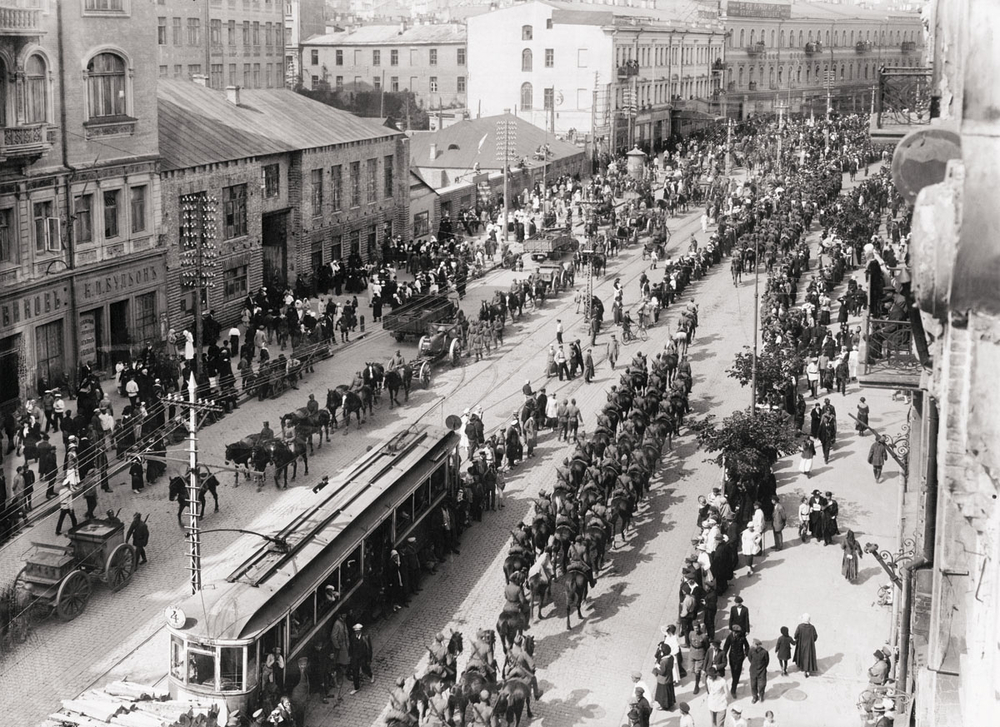
In early March, a pivotal moment in the history of Ukraine unfolded, marking the initiation of what is known to many as the Ukrainian War of Independence. At this time, Ukraine was part of the Russian Empire, which was amidst the turmoil of the February Revolution. The abdication of Tsar Nicholas II and the establishment of a Provisional Government created a power vacuum and political instability. Recognizing the opportunity, Ukrainian political leaders, intellectuals, and activists began to rally for the cause of national self-determination.
This moment saw the formation of the Central Rada, a revolutionary parliament in Kyiv, which played a crucial role in voicing the aspirations of the Ukrainian people. The Central Rada, led by prominent figures such as Mykhailo Hrushevsky and Volodymyr Vynnychenko, advocated for autonomy within a federative Russia, reflecting a widespread desire for greater political and cultural independence. The movement garnered significant support from various segments of society, including peasants, workers, and soldiers disillusioned by the prolonged hardships of World War I and the oppressive policies of the imperial regime.
The establishment of the Central Rada marked the start of a series of political and military efforts to achieve Ukrainian independence. These efforts were met with resistance from multiple fronts, including the Provisional Government in Petrograd and later, the Bolsheviks after their seizure of power. Despite the challenges, the momentum built by the Central Rada set the stage for the formal proclamation of the Ukrainian People's Republic later on. This struggle for independence was characterized by numerous battles, shifting alliances, and significant human and material losses, shaping the modern national identity of Ukraine.
The impact of these events was far-reaching. They not only fostered a sense of unity and purpose among Ukrainians but also laid down the foundation for future independence movements. The eventual success and failures of these early 20th-century endeavors contributed to the complex geopolitical landscape of Eastern Europe and echoed in subsequent struggles for self-governance and sovereignty in the region.
#UkrainianIndependence #CentralRada #NationalSelfDetermination #WWI #PoliticalInstability #MoofLife
View details
1878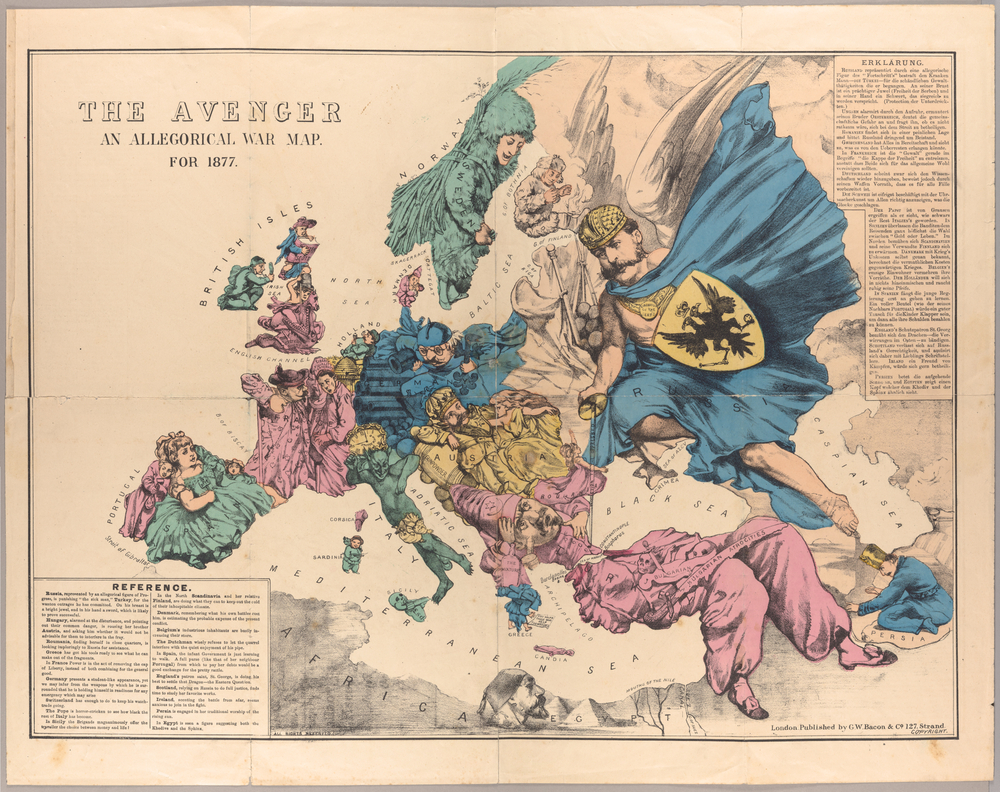
In the late 19th century, the conflict between the Russian Empire and the Ottoman Empire reached a critical point with the Russo-Turkish War. The war was rooted in mounting tensions and complex alliances within Europe, with Russia seeking to expand its influence in the Balkans. This conflict was driven by longstanding grievances and the desire of Slavic peoples in the Balkans to gain independence from Ottoman rule.
The Russian military campaign was marked by several decisive battles. The key engagements included the Siege of Plevna and the Battle of Shipka Pass, where Russian forces, bolstered by Romanian and Bulgarian volunteers, gradually gained the upper hand. As the Ottoman resistance weakened, the Russians advanced towards Constantinople.
The culmination of the Russian victories was the signing of the Treaty of San Stefano. This treaty imposed significant territorial changes on the region. The Ottoman Empire ceded substantial territories, which included several regions that later became part of present-day Ukraine. Additionally, the treaty recognized the autonomy of Bulgaria and granted independence or expanded autonomy to Serbia, Montenegro, and Romania.
The consequences of the Treaty of San Stefano were far-reaching. It significantly reduced Ottoman presence in the Balkans, altering the balance of power in the region. However, the terms of the treaty were later revised by the Congress of Berlin, which sought to address the concerns of other European powers wary of Russian expansion.
The territorial changes resulting from the conflict influenced the demographic and political landscape of Eastern Europe, including areas within today's Ukraine. The shifting borders and the emergence of newly autonomous states contributed to the complex ethnic and national dynamics that continued to evolve in the region.
#RussoTurkishWar #TreatyOfSanStefano #OttomanEmpire #RussianExpansion #BalkanHistory #UkraineHistory #MoofLife
View details1861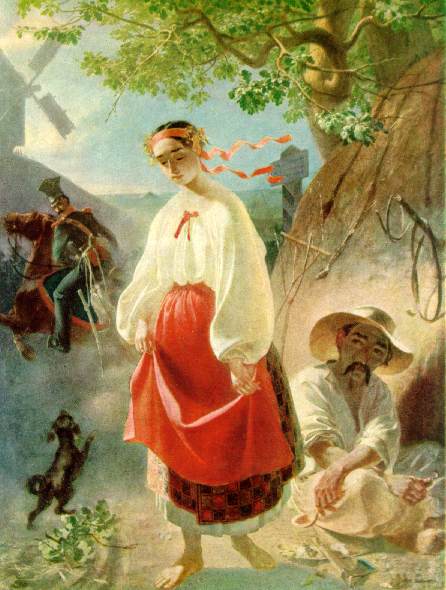
The Emancipation Reform in the Russian Empire marked a pivotal transition as it led to the abolition of serfdom, fundamentally altering the social and economic structure of Ukraine, among other regions. Originating from a need to modernize and stimulate economic development, the reform aimed to improve agricultural productivity and address social unrest caused by the harsh conditions endured by serfs. About 23 million serfs across the empire, including a significant portion in Ukraine, were liberated, gaining the freedom to marry without consent, own businesses, and acquire property.
The reform's implementation in Ukraine came with mixed outcomes. While serfs achieved personal freedom, the land issue remained contentious. Former serfs received plots that were often insufficient for subsistence farming, leading to widespread indebtedness. This system, known as 'redemption payments,' required former serfs to repay the government for land allocations over 49 years. Many found the financial burden overwhelming, struggling to transition into independent farmers viable in the market economy.
Economically, the abolition of serfdom spurred changes in agriculture and industry. Landowners shifted from coerced labor to wage labor, necessitating investments in agricultural techniques and machinery. Consequently, this prompted a gradual movement towards a capitalist economy. Industries, including sugar production and coal mining, saw an influx of freed individuals seeking employment, accelerating urbanization and changing the landscape of industrial labor in Ukraine.
Socially, the reform reshaped class dynamics. The traditional serf-master relationship deteriorated, giving rise to a new rural bourgeoisie and proletariat. Educational opportunities gradually expanded as free peasants sought better futures for their children, contributing to a more literate and informed population over subsequent generations. Political awareness and activism also increased, planting seeds for future reforms and movements.
In summary, the Emancipation Reform's impact on Ukraine was profound, heralding shifts in landownership, economic practices, and societal structures. While it brought freedom, the challenges of land distribution and financial obligations highlighted the complexities of transitioning from serfdom to a modern economy.
#EmancipationReform #SocialChange #UkraineHistory #EconomicTransformation #AbolitionOfSerfdom #MoofLife
View details1853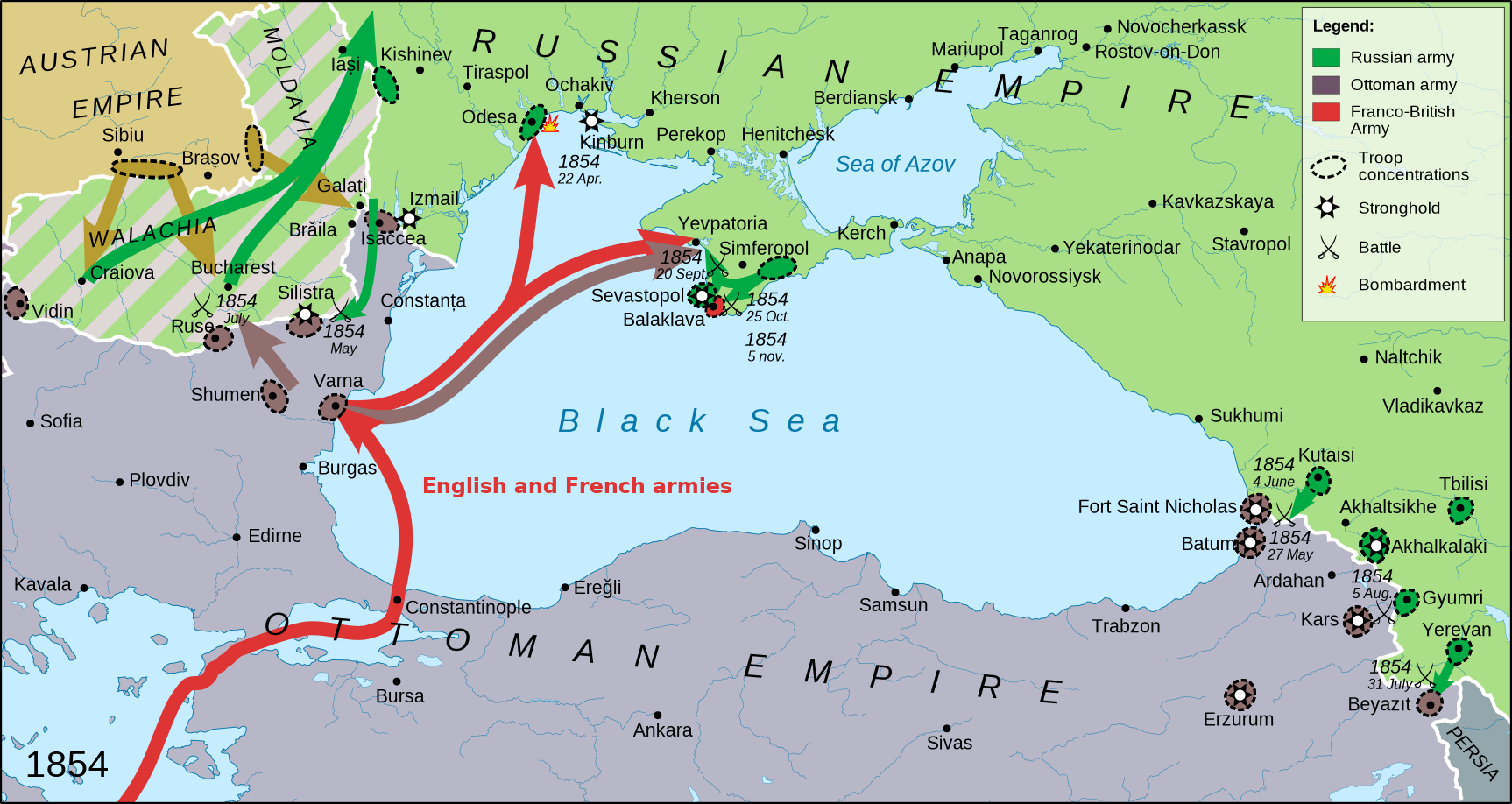
The Crimean War commenced when Russia engaged in conflict with an alliance composed of the Ottoman Empire, France, Britain, and Sardinia. This confrontation was primarily driven by Russia's expansionist aspirations and the weakening of the Ottoman Empire, which posed a threat to the balance of power in Europe. The Ottoman Empire, struggling to maintain its territories, found support from France, Britain, and Sardinia, who were concerned about Russian influence spreading across the Black Sea region.
The geopolitical stakes were particularly high in Ukraine. The Crimean Peninsula, part of modern-day Ukraine, became a significant battleground. Sevastopol, a major port city on the peninsula, was heavily fortified by the Russians and became the focal point of military operations. The alliance aimed to weaken Russian dominance by besieging Sevastopol. The siege, which lasted almost a year, resulted in substantial casualties on both sides, highlighting the strategic importance of the region.
The war had significant impacts. It showcased the importance of technological advancements, with the use of railways, telegraphs, and more advanced naval vessels. Additionally, it marked the beginning of modern war reporting and nursing, with figures like Florence Nightingale emerging. The conflict also exposed deficiencies within the Russian military and administration, prompting reforms in the subsequent years.
From a humanitarian perspective, the war caused significant suffering. Estimates suggest that hundreds of thousands of soldiers and civilians perished due to combat, disease, and poor conditions. The economic burden of the war was also considerable, affecting the involved nations' finances and resources.
The Crimean War's influence on Ukraine was profound. It underscored the region's strategic importance and set the stage for ongoing geopolitical rivalry in the Black Sea area. The legacy of the war continues to shape Ukraine's historical narrative and regional dynamics.
#CrimeanWar #Geopolitics #Ukraine #BlackSea #MilitaryHistory #MoofLife
View details