Tragedy of Famine-Genocide in Ukraine
Ukraine
Genocide
10 min read
Updated By: History Editorial Network (HEN)
Published:
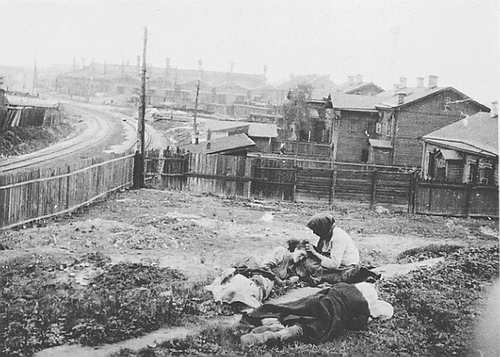
The Holodomor, also known as the Ukrainian Famine-Genocide, was a devastating man-made famine that took place in Soviet Ukraine from 1932 to 1933. The term "Holodomor" comes from the Ukrainian words "holod," meaning hunger, and "moryty," meaning to kill. This catastrophic event resulted in the deaths of millions of Ukrainians and is widely recognized as a genocide, orchestrated by the Soviet government under Joseph Stalin.
Background: Soviet Policies and Agricultural Collectivization
The Holodomor occurred against the backdrop of Soviet policies aimed at transforming the agrarian economy of the Soviet Union through rapid industrialization and forced collectivization of agriculture. In the late 1920s, Joseph Stalin introduced the policy of collectivization, which involved consolidating individual peasant farms into large, state-controlled collective farms (kolkhozes). This policy was part of Stalin's broader goal of increasing agricultural productivity to finance industrialization and assert greater control over the rural population.
Ukraine, known as the "breadbasket of Europe" due to its fertile soil and extensive grain production, was particularly affected by collectivization. The Ukrainian peasantry, who were traditionally small landowners, resisted the forced collectivization, leading to widespread unrest and opposition to Soviet rule.
The Famine: Causes and Implementation
The Soviet government's response to Ukrainian resistance was brutal. To enforce collectivization, the state implemented policies that directly contributed to the famine:
Grain Requisition Quotas:
The Soviet government imposed exorbitantly high grain requisition quotas on Ukraine, demanding that an unrealistic portion of the harvest be delivered to the state. The quotas were so high that they left little to no grain for the peasants themselves.
Confiscation of Food:
When Ukrainian peasants failed to meet the grain requisition quotas, Soviet authorities confiscated not only the grain but also other foodstuffs, including livestock, vegetables, and seed grain. This left entire villages without food.
Blockades and Blacklists:
The Soviet government imposed internal blockades on Ukraine, preventing the movement of food and people out of the most affected regions. Villages that did not meet their quotas were placed on blacklists, effectively isolating them and cutting off any remaining sources of food.
Criminalization of Aid:
Soviet laws made it illegal for people to glean leftover grain from the fields or to provide assistance to those who were starving. The "Law of Spikelets," as it was known, criminalized even the smallest act of gathering fallen grains, and violators were often executed or sent to labor camps.
Impact: The Death Toll and Suffering
The effects of these policies were catastrophic. Between 1932 and 1933, millions of Ukrainians perished from starvation. Estimates of the death toll vary, with figures ranging from 3 million to 7 million, and some estimates even higher. Entire villages were wiped out, and the countryside was left depopulated.
The famine was characterized by unimaginable suffering. People resorted to eating anything they could find, including leaves, grass, and, in some cases, even resorting to cannibalism. The Soviet government, however, continued to deny the existence of the famine and refused international aid, insisting that reports of the famine were exaggerated or fabricated by enemies of the state.
Recognition as Genocide
The Holodomor is widely recognized as a genocide by Ukraine and many other countries around the world. The central argument for labeling the Holodomor as a genocide is that it was a deliberate and systematic attempt by the Soviet government to suppress Ukrainian nationalism, crush resistance to Soviet policies, and punish the Ukrainian people for their perceived disloyalty to the regime.
Stalin’s policies during the Holodomor were seen as an attack on Ukrainian identity, culture, and independence. The famine targeted not just the food supply but also the social and cultural structures of Ukrainian society, with the aim of breaking the will of the Ukrainian people and ensuring their subjugation to Soviet authority.
Legacy and Commemoration
The legacy of the Holodomor is profound and continues to shape Ukrainian identity and the country’s relationship with Russia. For decades, the Soviet government suppressed discussion of the famine, and it was only after Ukraine gained independence in 1991 that the full extent of the tragedy was publicly acknowledged.
In 2006, the Ukrainian Parliament officially recognized the Holodomor as an act of genocide against the Ukrainian people. Since then, Ukraine has sought international recognition of the Holodomor as genocide, and several countries, including the United States, Canada, and Australia, have formally acknowledged it as such.
Every year, on the fourth Saturday of November, Ukraine commemorates Holodomor Remembrance Day, honoring the millions of victims of the famine. Memorials and museums dedicated to the Holodomor have been established in Ukraine and in Ukrainian communities around the world.
#MomentsOfLife #MoofLife_Moment #MoofLife #Holodomor #Ukraine #Genocide #SovietHistory #UkrainianHistory #HumanRights
Primary Reference
Holodomor | Holocaust and Genocide Studies | College of Liberal Arts

Explore the Life Moments of
 AI Twin