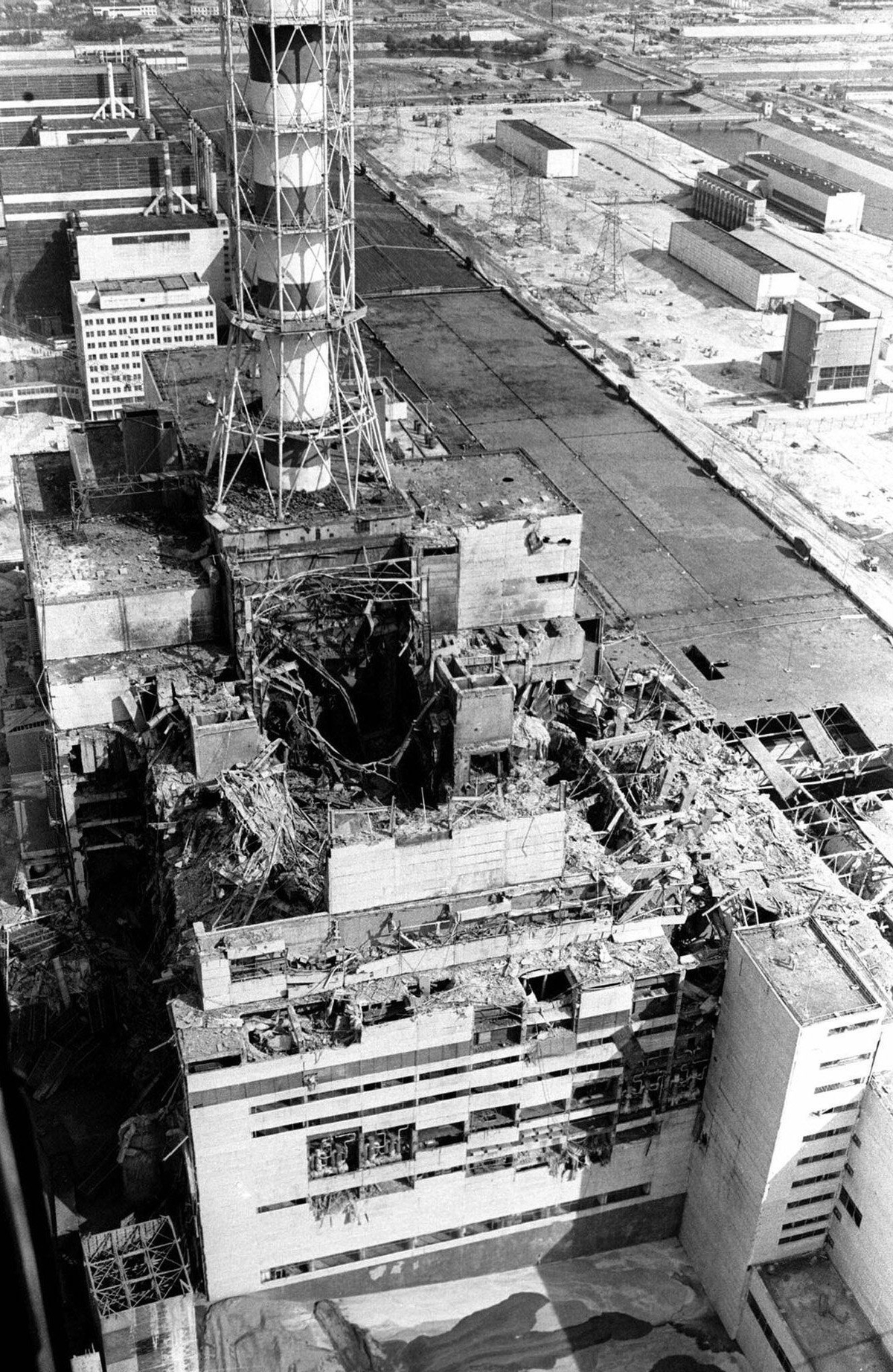
Nuclear Power Plant Catastrophe: Chernobyl 1986
Ukraine
Environmental Disaster
Energy Policy
5 min read
Updated By: History Editorial Network (HEN)
Published:
In the city of Pripyat, located within present-day Ukraine, Reactor No. 4 at the Chernobyl Nuclear Power Plant experienced a critical failure during a late-night safety test. The reactor's power output plummeted, leading to operators attempting an emergency shutdown. However, design flaws along with operator errors resulted in an uncontrollable nuclear reaction.
Subsequently, a significant explosion breached the reactor, releasing vast quantities of radioactive isotopes into the atmosphere. This blast blew the 1,000-ton reactor sealing cap away, exposing the core and igniting a fire that burned for days. Radioactive particles spread across large areas of Europe, reaching parts of Russia, Belarus, and beyond. Immediate fatalities were reported among plant workers and emergency responders, with fatal exposures and subsequent health complications leading to additional deaths in the days to follow.
Evacuation orders were delayed, adding to the crisis. Over 100,000 people were eventually relocated from contaminated zones. Estimates suggest that hundreds of thousands of individuals have suffered from long-term health issues, including cancers and genetic damage. Various international agencies have documented elevated risks, although total casualty estimates remain a point of contention.
The reactor was encased in a concrete sarcophagus meant to limit further radioactive release. This containment structure, however, has required ongoing maintenance and periodic upgrades to contain residual radiation. Agricultural areas, forests, and the environment were severely impacted, leading to the establishment of the Chernobyl Exclusion Zone, which remains largely uninhabited.
The event underscored the potential risks associated with nuclear energy, influencing global changes in policies and reactor designs. Several nations reassessed their nuclear programs, implementing enhanced safety measures and preventative protocols. International cooperation grew, focusing on improving response strategies to nuclear incidents.
While Pripyat symbolizes the catastrophic event, it also stands as a poignant reminder of the need for meticulous safety standards and the far-reaching consequences of technological failures.
#NuclearAccident #Chernobyl #RadiationImpact #EnvironmentalDisaster #PublicSafety #EnergyPolicy #MoofLife
Primary Reference
Chernobyl disaster - Wikipedia

Explore the Life Moments of
 AI Twin