
Ukraine

The Heart of Eastern Europe
Related Lives

Poland
The Land of a Thousand Lakes

Mexico
The Land of the Maya

Finland
Land of a Thousand Lakes

Ancient Greece
The Cradle of Civilization

Mauritius
Island Rythms

United Arab Emirates
The Emirates

Switzerland
The Land of Precision and Timekeeping

Colombia
Land of Diversity and Beauty

1825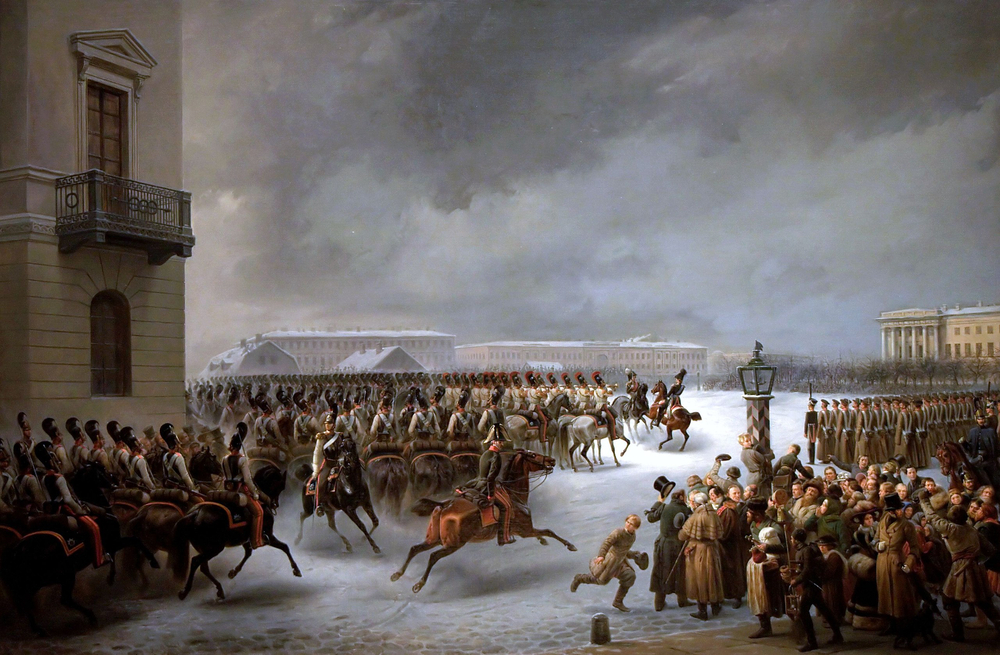
In Saint Petersburg, discontent among Russian army officers and the middle class culminated in a revolt against Tsar Nicholas I. Known as the Decembrist Revolt, this event was driven by growing dissatisfaction with autocratic rule and the influence of European liberal ideas. The Decembrists, a group of military officers, stood in Senate Square, protesting against the ascension of Nicholas I and demanding a constitution and the end of serfdom.
The revolt was swiftly crushed by the loyalist forces. Approximately 3,000 rebels were involved, and the government responded with arrests and executions. Specifically, five leaders were executed, while many others were imprisoned or exiled to Siberia. The crackdown, although effective in the short-term, foreshadowed ongoing political unrest across the Russian Empire.
The impact of the revolt extended beyond Saint Petersburg, resonating in Ukraine. Many of the Decembrists had ties to Ukraine and were influenced by the liberal ideas circulating in Europe at the time. The political unrest highlighted the broader discontent simmering within the empire, including in Ukrainian territories. This period marked a growing awareness among Ukrainians of their distinct national identity and their desire for political reform.
While the revolt itself did not achieve its immediate goals, it set the stage for future reform movements. The demands for a constitution and the abolition of serfdom would eventually influence subsequent generations of reformers and revolutionaries within the Russian Empire and Ukraine. The Decembrist Revolt is often seen as a precursor to later revolutionary activities that would further shape the political landscape of Eastern Europe.
#MoofLife #DecembristRevolt #TsarNicholasI #PoliticalUnrest #UkraineHistory #RussianEmpire #LiberalReforms
View details1812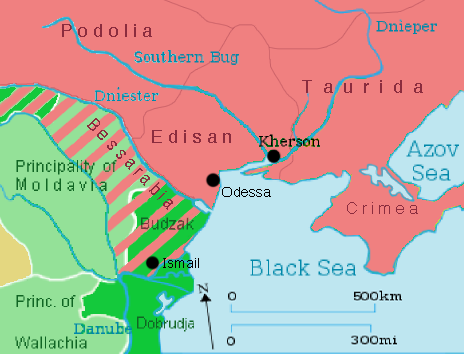
During the early 19th century, the conflict between the Russian Empire and the Ottoman Empire had reached a critical point. Hostilities between these two powers had been ongoing due to their competing interests in Eastern Europe and the Balkans. The war, which included multiple campaigns and sieges, was both prolonged and bloody, causing significant strain on both empires.
Finally, negotiations led to the signing of the Treaty of Bucharest. The treaty marked a turning point in the relations between the two empires. As per the treaty, the Ottoman Empire ceded the eastern part of Moldavia, known as Bessarabia, to the Russian Empire. This transfer of territory included parts of present-day Ukraine, significantly altering the geopolitical landscape of the region.
This territorial acquisition by Russia increased its influence in Eastern Europe, providing it with greater access to the Danube River and a strategic advantage over the weakened Ottoman Empire. The treaty also indirectly influenced the local populations, altering demographic and administrative structures.
In terms of broader impacts, the treaty facilitated Russian expansionist policies and provided it with a stronger foothold in its quest for dominance in the Black Sea region. For the Ottoman Empire, this loss further weakened its control and set a precedent for future territorial concessions.
The Treaty of Bucharest had a longer-term impact on the regional stability and the balance of power, shaping not just Russo-Ottoman relations but also European diplomatic and military strategies in the following decades. It represents a pivotal moment in the history of Ukraine, laying foundations for future changes and conflicts in the region.
#MoofLife #OttomanEmpire #RussianEmpire #EasternEurope #Ukraine #Bessarabia #TreatyOfBucharest #Geopolitics #History
View details1802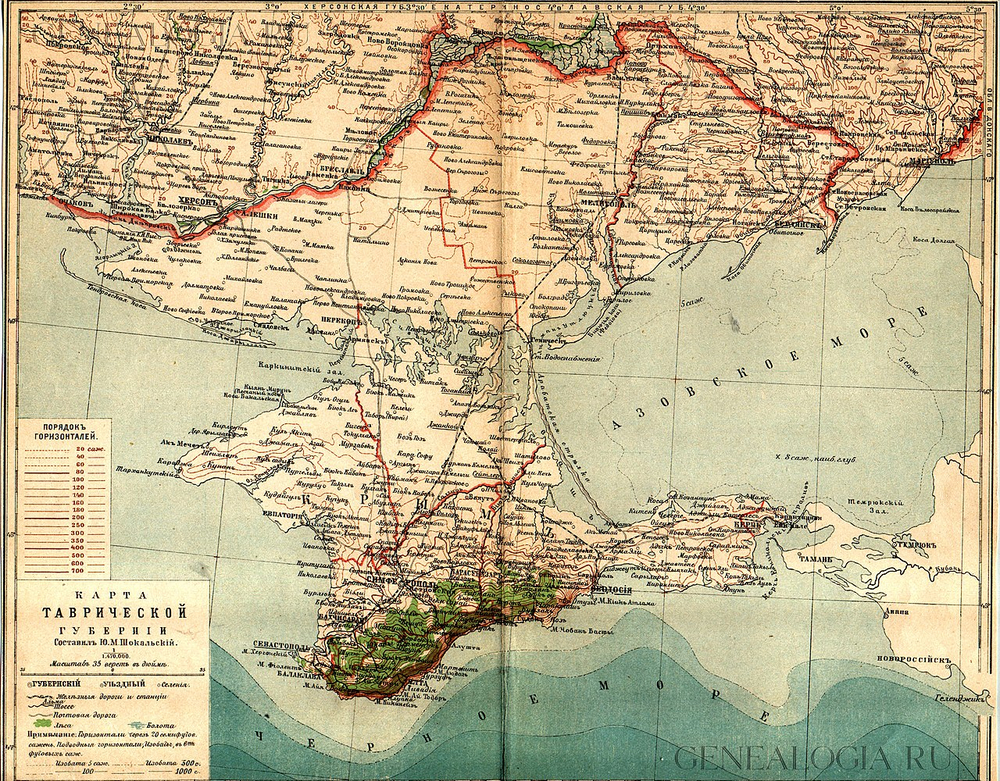
The establishment of the Taurida Governorate in Crimea involved a pivotal moment of reorganization within the geopolitical landscape of the region. The declaration took place within the walls of the historic Taurida Palace. This move aimed to reassert control and streamline governance over territories with a significant Ukrainian population. The Taurida Governorate was a clear step towards addressing the administrative and cultural dynamics that had evolved through decades of shifting political tides.
The relevance of this event extends from the late 18th-century annexation of Crimea by the Russian Empire. Crimea had historically been a tapestry of various ethnic groups, including Ukrainians, Russians, Tatars, and more. Leading up to the establishment of the Taurida Governorate, the Crimean Peninsula experienced numerous transformations that impacted its social and demographic structure. By this reorganizational decree, an effort was made to acknowledge and incorporate the substantial Ukrainian communities within the framework of new governance structures.
This reconstitution was marked by strategic deliberations aiming to stabilize the region under emerging geopolitical pressures. The decision was influenced by the need for efficient governance and the acknowledgment of the diverse demographic realities of the area. The Crimean Peninsula, particularly with its valuable geographic positioning and resource-rich land, became a focal point of regional administration.
While statistics from that period highlight a considerable representation of Ukrainians within the population, the establishment of the Taurida Governorate did not proceed without challenges. Political factions, differing allegiances, and cultural tensions added complexity to the enforcement of new administrative orders. Despite these adversities, the declaration at Taurida Palace symbolized a decisive effort to formalize the inclusion of the substantial Ukrainian populace within the governance framework.
This moment underscored the broader historical narratives of identity, administration, and territorial realignment in Eastern Europe. It reflected the intricate layers of national and regional identity that influenced political decisions and the ongoing interactions between diverse ethnic communities.
#MoofLife #CrimeanHistory #UkrainianDemographics #EasternEuropeanPolitics #GovernanceReorganization #TauridaPalace
View details1792
The Treaty of Jassy marked the conclusion of the Russo-Turkish War of 1787-1792, a conflict between the Russian Empire and the Ottoman Empire. The war was driven by both empires' ambitions to expand their territories and influence in Eastern Europe. Hostilities were exacerbated by the ongoing decline of the Ottoman Empire and Russia's growing military prowess.
Negotiations took place in the town of Jassy, which was a strategic location for both empires. Representatives from Russia and the Ottoman Empire convened to discuss terms. Alexander Bezborodko represented Russia, while Grand Vizier Koca Yusuf Pasha led the Ottoman delegation. The treaty negotiations were complex, involving numerous discussions and bargaining over territorial adjustments and spheres of influence.
The terms of the Treaty of Jassy primarily reaffirmed the stipulations of the earlier Treaty of Küçük Kaynarca, but with specific territorial concessions. Under the treaty, the Ottoman Empire ceded the territories of Ozi (Ochakov) and the fortress stronghold of Khotin to the Russian Empire. Additionally, the Dniester River was established as the boundary between the empires, providing Russia with a more defensible frontier and access to the Black Sea.
The treaty had significant geopolitical implications. It solidified Russia's position as a dominant power in Eastern Europe and further weakened the Ottoman Empire. The acquisition of new territories bolstered Russia's strategic depth and economic capabilities, particularly through enhanced access to maritime trade routes via the Black Sea. Conversely, the Ottoman Empire faced continued internal strife and external pressure, hastening its decline.
The Treaty of Jassy also had repercussions for the populations residing in the affected regions, particularly in present-day Ukraine and Moldova. Changes in sovereignty often resulted in administrative, economic, and social transformations, impacting local societies and economies.
In summary, the Treaty of Jassy marked the end of the Russo-Turkish War of 1787-1792, resulting in territorial gains for the Russian Empire and further diminishing the Ottoman Empire's influence in Eastern Europe. This event had lasting consequences for regional stability and the balance of power.
#TreatyofJassy #RussoTurkishWar #RussianEmpire #OttomanEmpire #Ukraine #Geopolitics #MoofLife
View details1774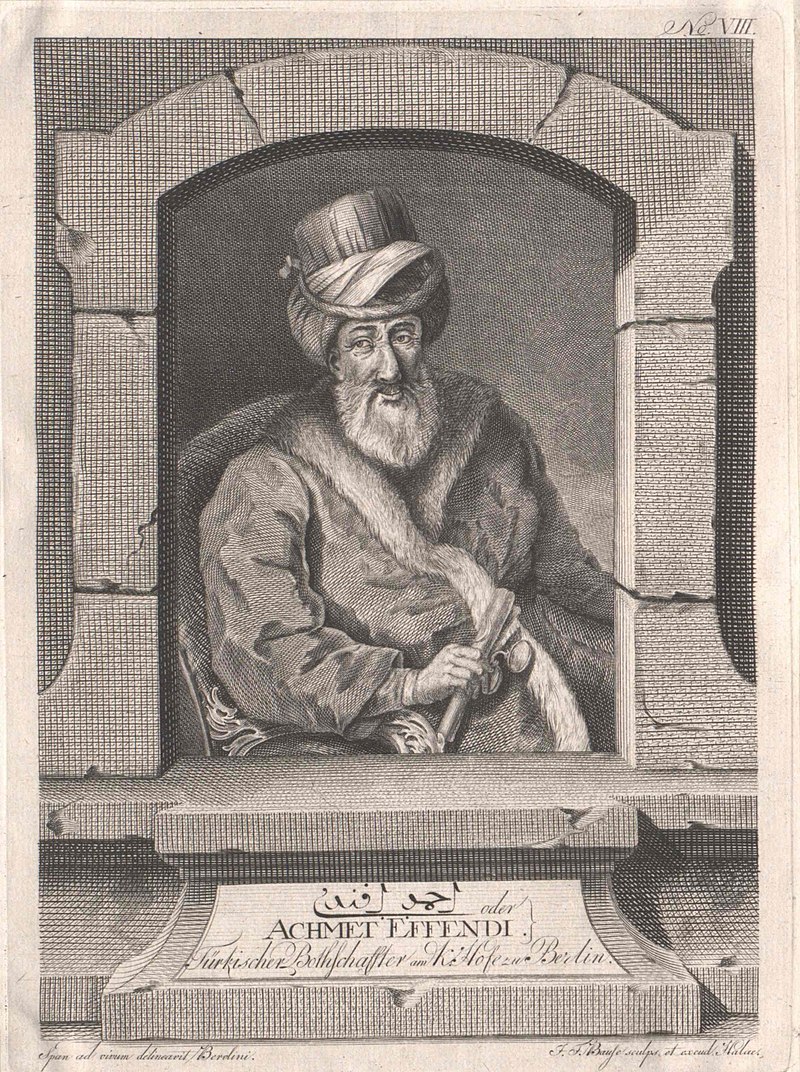
The Treaty of Küçük Kaynarca was a pivotal moment in the geopolitical landscape of Eastern Europe. It marked the end of the Russo-Turkish War that took place in the late 18th century. The conflict had seen the Russian Empire expand its influence in the Black Sea region, challenging the longstanding dominance of the Ottoman Empire.
The treaty was signed in the village of Küçük Kaynarca, located in modern-day Bulgaria. The agreement had significant implications for both empires. The Ottoman Empire, facing internal decline and external pressures, was compelled to recognize the territorial gains of the Russian Empire. This included the cession of territories in what is now Southern Ukraine, including the important port city of Azov and the area between the Dniester and Bug rivers. These territorial changes bolstered Russia’s access to the Black Sea and facilitated future Russian expansion into the region.
A crucial aspect of the treaty was the autonomy granted to the Crimean Khanate, which, though de jure independent, effectively came under Russian influence. This set the stage for the eventual annexation of Crimea by Russia. Moreover, the treaty granted Russia the right to protect Christians in the Ottoman Empire, reflecting the religious overtones that played into the broader imperial strategies.
The broader impacts of the Treaty of Küçük Kaynarca were profound. It signified the start of the Ottoman Empire’s gradual territorial and political decline, while concurrently signaling the rise of the Russian Empire as a major power in Eastern Europe. This realignment had a cascading effect on the politics and power dynamics of the entire region, reinforcing the strategic importance of Ukraine in the power structures of Europe and Asia.
In conclusion, the Treaty of Küçük Kaynarca was a watershed in the history of European and Asian geopolitics, delineating the shifting balance of power between the Russian and Ottoman Empires and setting a precedent for future conflicts and treaties. This event underscores the interplay between military might, territorial ambition, and the strategic significance of regions such as Ukraine.
#KüçükKaynarca #RussoTurkishWar #OttomanDecline #RussianExpansion #CrimeanAutonomy #Ukraine #History #Geopolitics #MoofLife
View details1734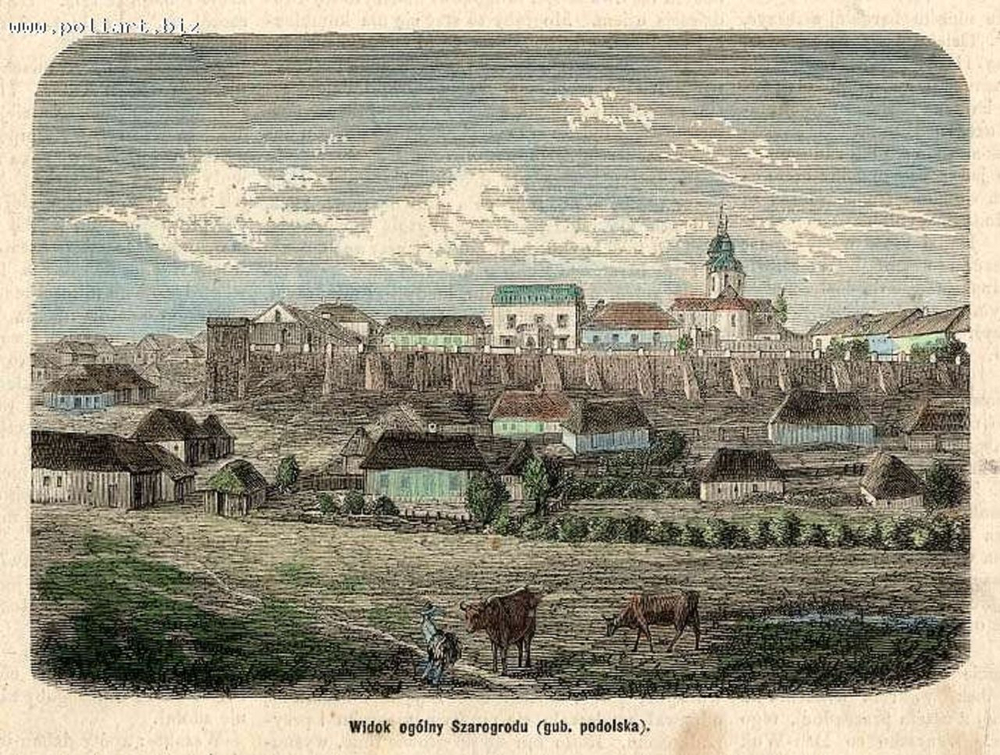
The Haidamak uprising against Polish rule in Ukraine was a key insurrection led by the Haidamaky, a group composed mainly of Ukrainian Cossacks and peasants. The roots of the rebellion were deeply entrenched in the socioeconomic and religious turmoil experienced by the local population under the administration of the Polish-Lithuanian Commonwealth.
The uprising was driven by the oppressive taxation and harsh treatment meted out to Ukrainian peasants, compounded by religious conflicts. The predominantly Eastern Orthodox Ukrainians faced discrimination from the ruling Catholic Poles, creating widespread discontent among the population. These tensions were further exacerbated by the decline in the autonomy of Cossack communities, leading to aggregated resentment.
The insurgents, under the banner of the Haidamaky, sought to overthrow Polish dominance and address the grievances of the oppressed locals. The rebellion witnessed significant combat operations and skirmishes, resulting in the sacking of towns and estates. The insurgents targeted Polish nobility, Roman Catholic clergy, and Jewish communities perceived to be allied with the Polish rulers. These actions were brutal and contributed to widespread chaos.
While the uprising initially achieved some military successes, the Polish-Lithuanian authorities responded with substantial force. Polish troops, often supported by allied forces, were deployed to quell the rebellion. The conflict resulted in considerable loss of life and destruction of property on both sides.
Historians note that the Haidamak uprising did not lead to significant long-term change but highlighted the deep-seated issues within the Polish-Lithuanian Commonwealth's Ukrainian territories. It underscored the sociopolitical and religious rifts that characterized the region, foreshadowing future upheavals.
The event is a pivotal reference point for understanding the grassroots resistance movements within Ukrainian history. The repercussions of the uprising echoed in subsequent revolts and influenced the region's push towards self-determination in later years.
#HaidamakUprising #PolishRule #Ukraine #PeasantRevolt #CossackResistance #ReligiousConflict #MoofLife
View details1709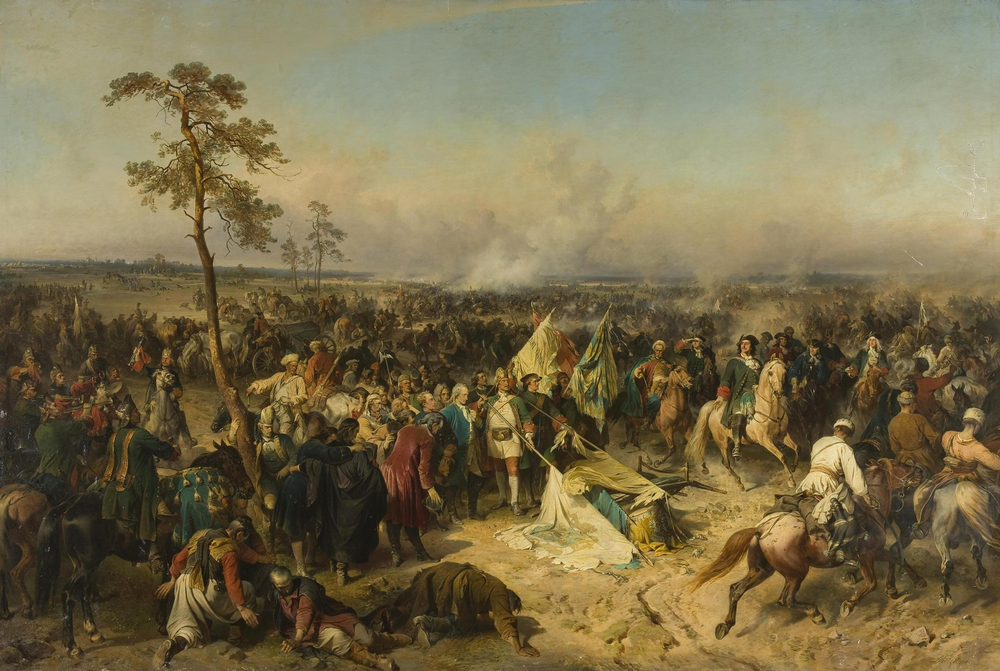
The Battle of Poltava was a pivotal conflict in the Great Northern War, fought between the forces of the Tsardom of Russia, led by Tsar Peter the Great, and the Swedish Empire under King Charles XII. The confrontation took place near the fortified Ukrainian city of Poltava, which became a strategic focal point.
Background: The Great Northern War was a European coalition's endeavor to challenge Sweden's dominance in the region. In their campaign, the Swedish army pushed deep into Russian territory, aiming to seize Moscow. However, as winter approached, the Swedish forces found themselves overstretched and inadequately supplied. Tsar Peter, seizing the opportunity, drew them into a decisive engagement near Poltava.
Battle Details: Russian forces, numbering around 45,000, vastly outnumbered the Swedish army, which was reduced to approximately 20,000 due to previous engagements and supply shortages. The Russians, better prepared and fortified, withstood initial Swedish assaults. Peter's army utilized artillery advantageously, which decimated Swedish ranks and ultimately led to the collapse of their main formations. Charles XII, though wounded, led his troops with determination, but his efforts were thwarted.
Impact and Aftermath: The outcome of the Battle of Poltava marked a significant turning point in the Great Northern War. The decisive Russian victory not only halted Swedish expansion but also signaled the rise of Russia as a major European power. King Charles XII escaped but was forced to seek refuge in the Ottoman Empire, effectively ending Swedish preeminence. The battle's aftermath reshaped the geopolitical landscape, diminishing Sweden's influence and paving the way for Russian dominance in Eastern Europe.
Statistics: Russian casualties were estimated to be around 5,000, while the Swedish side suffered over 10,000 losses, including prisoners. This disproportionate casualty rate underscored the impact of strategic planning and numerical superiority in the conflict.
Conclusion: The Battle of Poltava fundamentally shifted the balance of power in Northern Europe, establishing Russia as a formidable force, and curtailing Swedish influence. The engagement demonstrated the critical importance of logistics, planning, and timely strategic decisions in military conflicts.
#BattleOfPoltava #MilitaryStrategy #EuropeanHistory #GreatNorthernWar #MoofLife
View details1686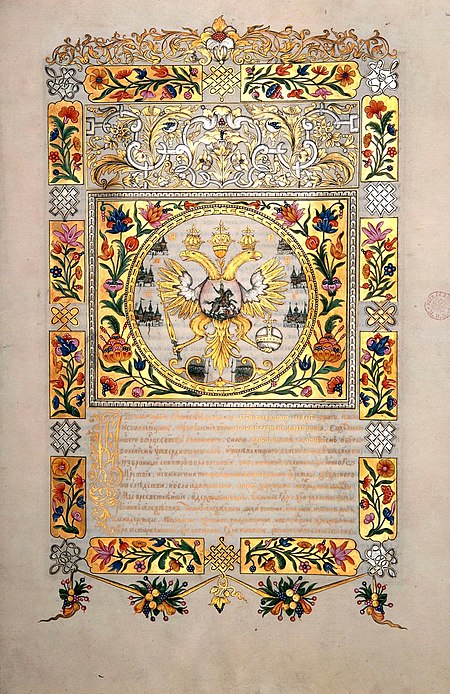
The Treaty of Perpetual Peace between Poland-Lithuania and the Crimean Khanate was a milestone agreement resulting from prolonged conflicts in Eastern Europe. This treaty represented a strategic move to stabilize the region and reduce warfare between the Polish-Lithuanian Commonwealth and the Crimean Khanate, which had been engaged in frequent hostilities.
The backdrop of this treaty lay in the military and political tensions of the 17th century. Poland-Lithuania was embroiled in various wars and faced threats from multiple fronts, including the Ottoman Empire, with which the Crimean Khanate was allied. The Commonwealth sought to protect its southeastern territories from Tatar raids, which were devastating local economies and settlements. Meanwhile, the Crimean Khanate, under pressure from both the north and the south, found value in securing its northern border.
By agreeing to this treaty, both entities aimed to shift their focus from conflicts to consolidation of powers within their respective regions. The treaty comprised several key terms, among them the recognition of current territorial sovereignty and the cessation of hostilities. It facilitated the establishment of demilitarized zones and allowed for safe passage of merchants, which was significant for trade and economic stability.
The treaty’s impact extended beyond immediate military benefits. Economically, it allowed for the revival of trade routes and commerce between Eastern Europe and the Black Sea, stimulating local economies and contributing to regional stability. Politically, it was an acknowledgment of the need for diplomatic over military solutions amidst constant regional upheavals.
Statistically, this peace held, providing a rare span of reduced military engagements in the region for the time of its validity. The promotion of diplomacy over conflict aided in the stabilization of Ukraine's territories under Polish-Lithuanian control. The agreement laid groundwork for future treaties in the region and highlighted the potential of diplomacy in resolving long-standing territorial disputes.
#MoofLife #EasternEuropeanHistory #CrimeanKhanate #PolandLithuania #DiplomacyOverWarfare
View details1667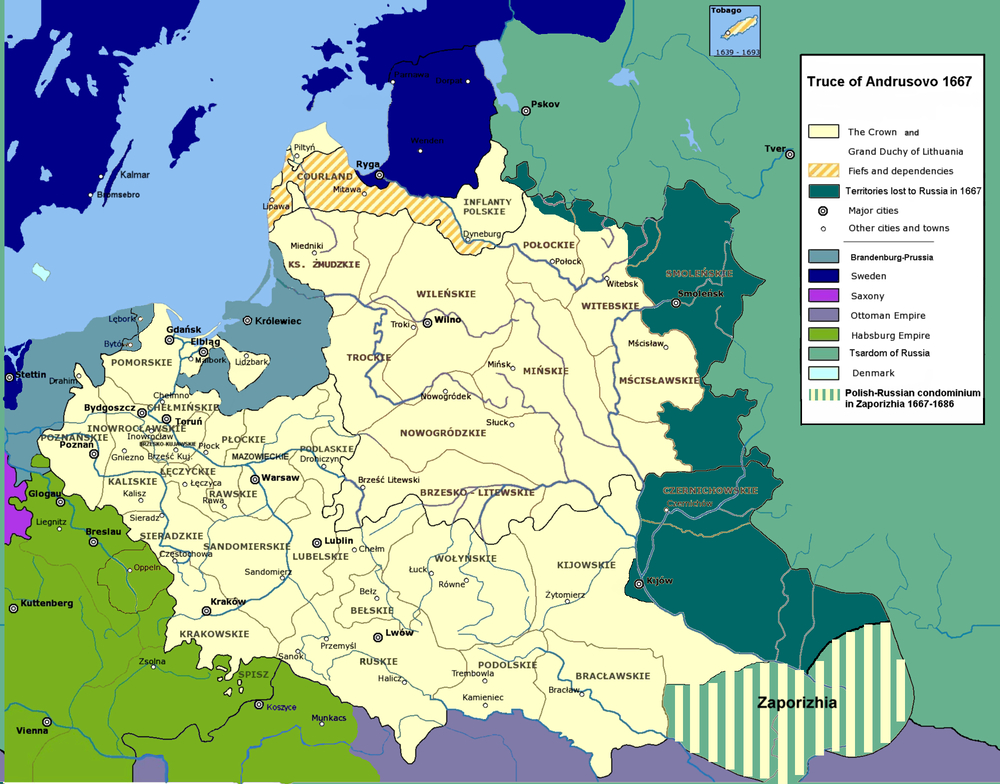
The Treaty of Andrusovo marked the end of prolonged hostilities between the Tsardom of Russia and the Polish-Lithuanian Commonwealth known as the Russo-Polish War. The conflict had been characterized by extensive territorial disputes and significant military engagements. The war was part of a larger series of power struggles in Eastern Europe and primarily centered on control over the region of Ukraine.
The signing of the treaty represented a negotiated settlement between the two powers, resulting in a significant redrawing of territorial boundaries. Key terms of the agreement included the partition of Ukraine along the Dnieper River, with Russia gaining control of the Left-bank Ukraine, including the city of Kiev, although Kiev was initially agreed to be returned to the Commonwealth after two years. However, Kiev remained under Russian control and was eventually ceded permanently. The Commonwealth retained the Right-bank Ukraine.
The treaty had broad implications for the balance of power in Eastern Europe. It effectively ended the Commonwealth's dominance in the region and marked the rise of Russian influence. The agreement also stipulated provisions for cooperation and non-aggression, intending to stabilize relations between the two states. It allowed the Tsardom of Russia to secure a foothold in Ukraine, which would prove significant in later territorial expansions.
The outcomes of the treaty had lasting impacts. For the Ukrainian Cossacks, the division of Ukraine solidified a split that left left-bank Cossacks under Russian rule, while right-bank Cossacks remained part of the Commonwealth, fostering differing political and social developments. The settlement also reflected the declining power of the Polish-Lithuanian Commonwealth, which faced numerous internal and external challenges in the subsequent years.
The Treaty of Andrusovo is a notable example of how diplomatic negotiations can reshape geopolitical landscapes and shift regional power dynamics. It played a crucial role in determining the territorial and political future of Ukraine, setting the stage for further Russian territorial ambitions in Eastern Europe.
#TreatyOfAndrusovo #RussoPolishWar #Ukraine #EasternEurope #HistoricalTreaties #Geopolitics #MoofLife
View details1659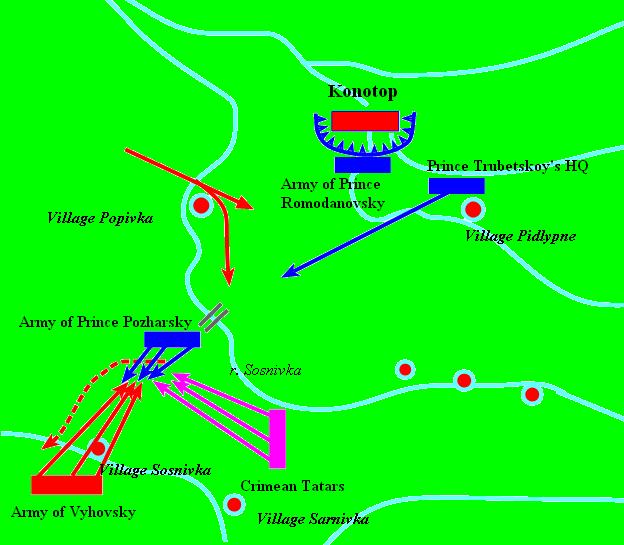
The Battle of Konotop was a significant military encounter during the conflict between the Polish-Lithuanian Commonwealth and forces led by Ukrainian Cossacks and Crimean Tatars. The clash took place during a period of intense regional turmoil. The Commonwealth, facing internal strife and threats from neighboring powers, sought to consolidate its influence over the territories in modern-day Ukraine. This effort was met with resistance from the Ukrainian Cossacks, who aimed to assert their autonomy, and found a strategic ally in the Crimean Khanate.
The battle featured around 40,000 Commonwealth forces, commanded by Polish Grand Hetman Stefan Czarniecki and Lithuanian Field Hetman Paweł Jan Sapieha. They were confronted by a coalition of Cossack forces, led by Hetman Ivan Vyhovsky, and approximately 30,000 Crimean Tatar cavalry under Khan Mehmed IV Giray. The Cossacks and Tatars employed effective military strategies, leveraging their mobility and familiarity with the terrain to outmaneuver the Commonwealth forces.
The encounter was brutal and lasted for several hours. The coalition forces utilized hit-and-run tactics and ambushes, creating disarray within the Commonwealth ranks. The decisive moment came when the coalition forces managed to encircle a significant portion of the Commonwealth troops, leading to their crushing defeat. It documented heavy losses for the Commonwealth, with estimates suggesting around 10,000-15,000 soldiers killed, captured, or missing. The Ukrainian-Crimean alliance gained not just a tactical victory, but also symbolically bolstered the campaign for autonomy and resistance against external dominion.
The outcome had profound implications. For the Commonwealth, the defeat signified a weakening of their control in the region, exacerbating the struggles to maintain their dominance. Conversely, it reenergized the Ukrainian quest for sovereignty, albeit temporarily. The cooperation with the Crimean Tatars showcased the complex alliances and shifting dynamics within Eastern Europe at the time.
The Battle of Konotop remains a telling episode illustrating the fluid nature of loyalties and the relentless pursuit of national and regional ambitions against expansive empires. It stands as a testament to the resilience and strategic acumen of the Ukrainian Cossacks and their allies.
#BattleOfKonotop #UkrainianCossacks #CrimeanTatars #PolishLithuanianCommonwealth #HistoricalImpact #MoofLife
View details1654
The Treaty of Pereyaslav marked the establishment of a military alliance between the Ukrainian Cossacks, led by Hetman Bohdan Khmelnytsky, and the Tsardom of Russia. This alliance was driven by strategic considerations amidst the ongoing struggle of the Cossacks against the Polish-Lithuanian Commonwealth. The Cossacks sought assistance to defend their autonomy and territory, while Russia aimed to expand its influence westward.
The negotiations took place in the town of Pereyaslav. Bohdan Khmelnytsky and his Cossack delegation were received by representatives of Tsar Alexei I. The terms of the treaty specified military cooperation and mutual defense. The Cossacks were promised protection and support, effectively aligning their interests with the Russian Tsardom.
Impact of the treaty was profound. It provided the Cossacks with a powerful ally and altered the power dynamics in Eastern Europe. The Ukrainian Cossack state, while preserving a degree of autonomy, recognized the suzerainty of the Tsar. This shift had long-term consequences for Ukrainian sovereignty and its relationship with neighboring powers. The alliance set a precedent for future engagements in the region, influencing subsequent treaties and conflicts.
Following the treaty, there were notable changes in military and political strategies. Russian involvement in the region increased, leading to multiple wars with the Polish-Lithuanian Commonwealth. Furthermore, the Cossack Hetmanate entered a prolonged period of alignment with Russian interests, impacting its governance and external relations.
Statistics indicate that the alliance led to several military victories against the Polish forces in the ensuing years. However, it also sowed the seeds for future discord, as the balance of power shifted and new conflicts arose. The precise parameters of autonomy granted to the Cossacks were often contentious, leading to internal and external strife that shaped the region's history.
In summary, the Treaty of Pereyaslav established a strategic and military alliance between the Ukrainian Cossacks and the Tsardom of Russia, creating a foundation for future political and military developments in Eastern Europe. The ramifications of this alliance were significant, affecting the sovereignty and regional influence of the parties involved.
#MoofLife #Ukraine #MilitaryAlliance #EasternEurope #Cossacks #TsardomOfRussia
View details1621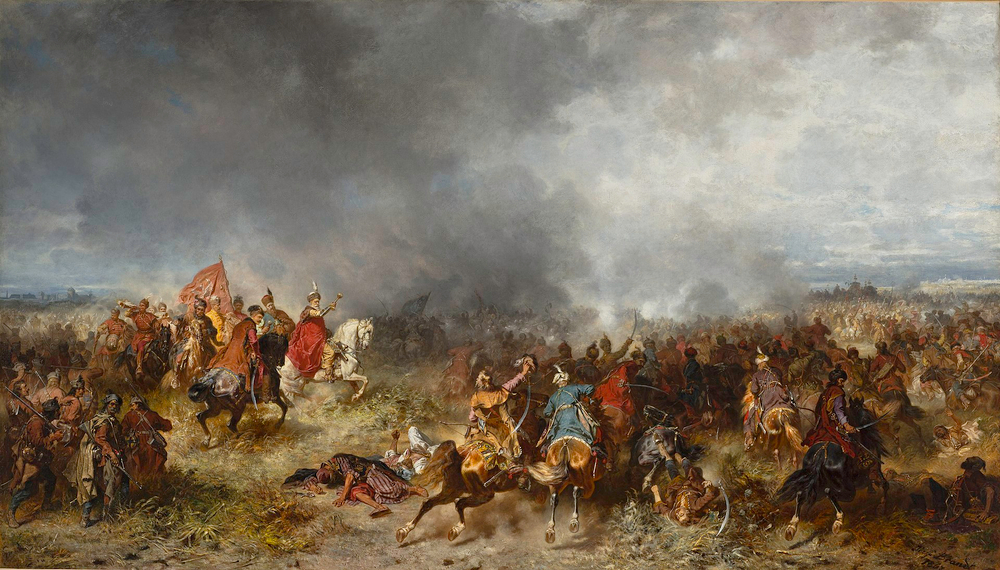
The Battle of Khotyn was a decisive conflict between the forces of the Ottoman Empire and a combined force of the Polish-Lithuanian Commonwealth and the Cossacks. The clash took place near the fortress of Khotyn, located on the banks of the Dniester River in modern-day Ukraine. The Ottoman Empire, led by Sultan Osman II, sought to expand its influence in Eastern Europe, while the Polish-Lithuanian Commonwealth, joined by the Ukrainian Cossacks under Petro Konashevych-Sahaidachny, aimed to halt this expansion.
In the lead-up to the battle, tension had been mounting due to previous conflicts and territorial disputes. The Ottoman force, one of the largest and most powerful armies of the time, was formidable and well-prepared. However, the combined forces of the Commonwealth and Cossacks, though smaller in number, were motivated and strategically positioned.
The fighting lasted for several weeks, characterized by numerous skirmishes and assaults on the fortified positions. Despite being outnumbered, the Polish-Lithuanian and Cossack forces effectively utilized their defensive positions, inflicting heavy casualties on the attacking Ottomans. The rough terrain and the stubborn defense played crucial roles in the outcome.
Casualties were significant on both sides, with estimates suggesting tens of thousands of soldiers were killed or wounded. The battle drained both the manpower and resources of the combatants, leading to a standstill. Ultimately, the conflict concluded with a treaty. The Peace of Khotyn upheld the borders, maintaining the status quo and preventing the Ottoman expansion into Polish-Lithuanian territories.
This battle demonstrated the resilience and strategic acumen of the Commonwealth-Cossack alliance and marked a critical point in the struggle against Ottoman incursions in Eastern Europe. It also highlighted the ever-precarious nature of 17th-century European geopolitics and the constant threat posed by powerful empires. The legacy of the battle reinforced regional defense strategies and underscored the importance of alliances in facing superior numbers.
#BattleOfKhotyn #UkraineHistory #OttomanEmpire #PolishLithuanianCommonwealth #Cossacks #MilitaryStrategy #EasternEurope #HistoricalConflict #MoofLife
View details1569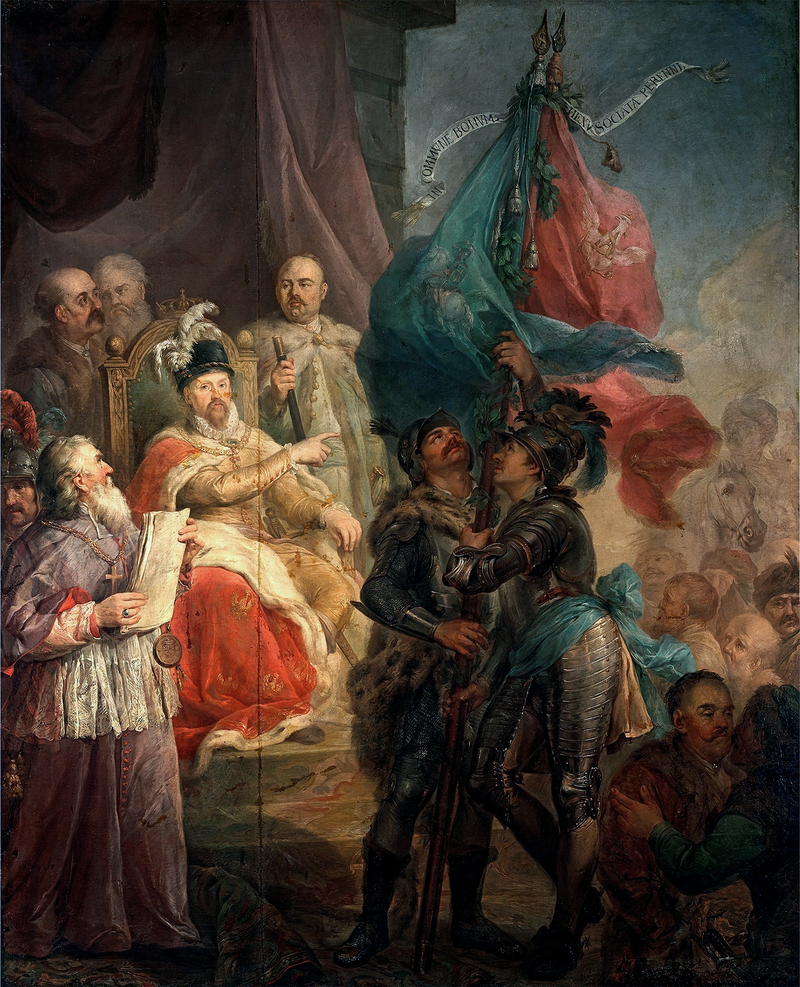
The Union of Lublin formalized a closer association between the Kingdom of Poland and the Grand Duchy of Lithuania. This event marked a significant change in the political landscape of Central and Eastern Europe. Prior to this union, Poland and Lithuania had been united under a personal union since the Union of Krewo. However, the need for a stronger and more stable alliance became pronounced due to external threats, specifically from the Teutonic Order and the Grand Duchy of Moscow.
The alliance was driven by mutual benefits. Poland sought to expand its influence eastward, while Lithuania required support to fend off military threats. By consolidating political structures and military resources, both nations aimed to create a more resilient front. The union resulted in the formation of the Polish-Lithuanian Commonwealth, a bi-federation characterized by a single elected monarch and a shared parliament, the Sejm.
Statistics indicate that the newly formed Commonwealth encompassed a vast region of approximately 1,000,000 square kilometers, including much of modern-day Ukraine, Belarus, and Latvia. The population was diverse, comprising Poles, Lithuanians, Ruthenians, and a variety of religious groups, such as Catholics, Orthodox Christians, Jews, and Muslims. This diversity necessitated a system that allowed for regional autonomy while maintaining centralized authority.
The Union of Lublin had significant long-term impacts. It resulted in the spread of Polish cultural and legal norms eastward. Additionally, it established a political entity that would last for over two centuries, playing a key role in regional geopolitics. In Ukraine, the union brought changes in administration and governance, embedding Polish and Lithuanian influences.
This event is a precursor to modern European political integrations, demonstrating early efforts at unification for mutual security and growth. The Union of Lublin stands as a crucial moment in the history of Eastern Europe.
#UnionOfLublin #PolandLithuania #EasternEuropeanHistory #PoliticalUnion #UkraineHistory #MoofLife.
View details1517
The Siege of Polotsk was a notable military engagement involving the Grand Duchy of Lithuania under the command of Vytautas the Great. Although Vytautas was historically known for expanding and strengthening the Grand Duchy, his rule predates this siege. The actual event took place under the rule of Sigismund I, reflecting the enduring strategies and influence of Vytautas.
Polotsk, a town situated in present-day Belarus, was a strategically significant location due to its position along key trade routes and its political importance in the region. The Grand Duchy of Lithuania aimed to consolidate its control over the area, countering any encroachments by neighboring states.
The siege was marked by intense military maneuvers, with Lithuanian forces employing both traditional siege tactics and innovations in warfare to breach the defenses of Polotsk. The defending garrison put up a formidable resistance, prolonging the siege and resulting in substantial casualties on both sides.
The conflict underscored the ongoing power struggle in Eastern Europe, with regional powers such as the Grand Duchy of Lithuania and Muscovy vying for dominance. The successful capture of Polotsk by Lithuanian forces reinforced their territorial claims and bolstered their influence in the region.
Economically, the siege impacted trade and local economies, disrupting the lives of ordinary citizens. The political landscape of the region was also reshaped, affecting alliances and prompting neighboring states to re-evaluate their strategic positions.
Throughout the conflict, effective leadership and military strategy were critical factors contributing to the Lithuanians' success. The aftermath of the siege saw the integration of Polotsk into the Grand Duchy of Lithuania, further solidifying its territorial integrity and regional power.
#PolotskSiege #LithuanianHistory #EasternEuropeConflicts #MilitaryStrategy #VytautasLegacy #RegionalDominance #HistoricalWarfare #MoofLife
View details1514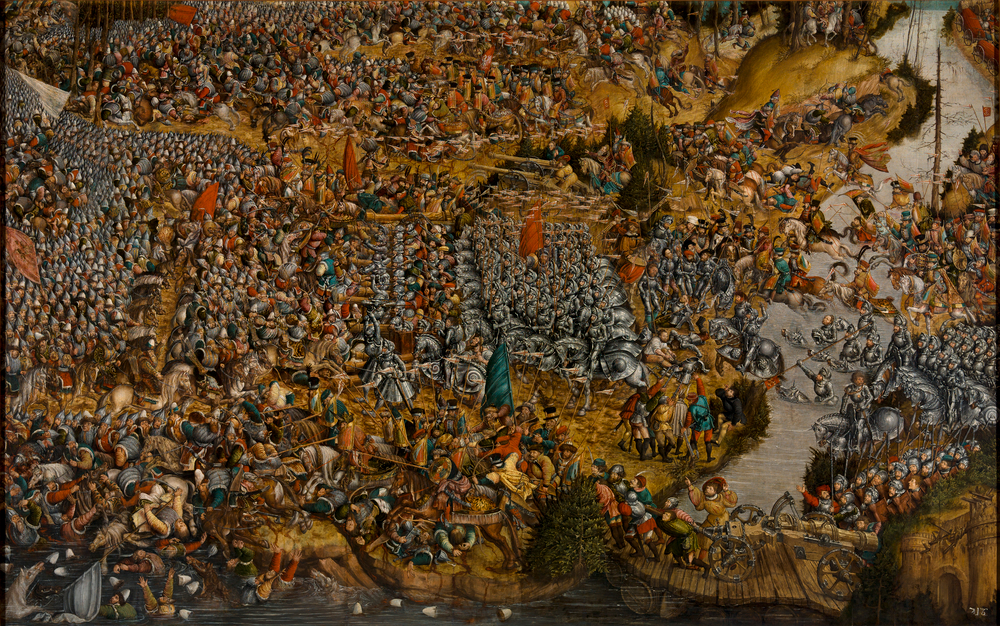
The Battle of Orsha was a notable engagement between the forces of the Grand Duchy of Lithuania and the Grand Duchy of Moscow. The battle took place near the town of Orsha, located in present-day Belarus. This confrontation was part of the larger struggle between the two states for dominance in Eastern Europe, a conflict rooted in both political and territorial ambitions.
The Grand Duchy of Lithuania, allied with the Kingdom of Poland, was led by Grand Hetman Konstanty Ostrogski. The Lithuanian army, totaling approximately 30,000 troops, faced a Moscow force nearly twice its size, commanded by Ivan Chelyadnin and Mikhail Bulgakov-Golitsa. The Lithuanian strategy relied heavily on the tactical employment of their cavalry and precise coordination of different segments of their army.
At the onset of the battle, the Muscovite forces mounted a robust offensive, assuming their numerical superiority would lead to a swift victory. However, the Lithuanian army, benefiting from effective leadership and strategic ingenuity, managed to withstand initial assaults. Ostrogski’s adept use of a feigned retreat maneuver succeeded in drawing the Muscovite forces into a vulnerable position. This maneuver allowed the Lithuanian army to regroup and launch a counter-offensive, effectively compromising the formation and morale of the Muscovite troops.
The battle eventually tilted in favor of the Grand Duchy of Lithuania. The Lithuanian forces employed disciplined tactics and utilized their artillery effectively, inflicting significant casualties on the Muscovite side. Estimates of the losses indicate that the Muscovite forces suffered approximately 20,000 casualties, whereas the Lithuanian side incurred fewer casualties, demonstrating a decisive victory.
The outcome of the Battle of Orsha had substantial implications for the regional power dynamics. It served to halt the Muscovite expansion and bolstered the position of the Grand Duchy of Lithuania and its Polish allies. This victory was instrumental in maintaining the independence and territorial integrity of the Grand Duchy of Lithuania amidst the constant threat of Muscovite encroachment.
In historical analysis, the Battle of Orsha is remembered as a key episode in the protracted territorial conflicts of Eastern Europe, particularly influencing the geopolitical landscape of regions that include modern-day Ukraine and Belarus.
#MoofLife #HistoricalEvent #BattleOfOrsha #MilitaryHistory #EasternEurope #GrandDuchyOfLithuania #GrandDuchyOfMoscow #Ukraine #Belarus #Geopolitics #MedievalWarfare #LithuanianVictory
View details1506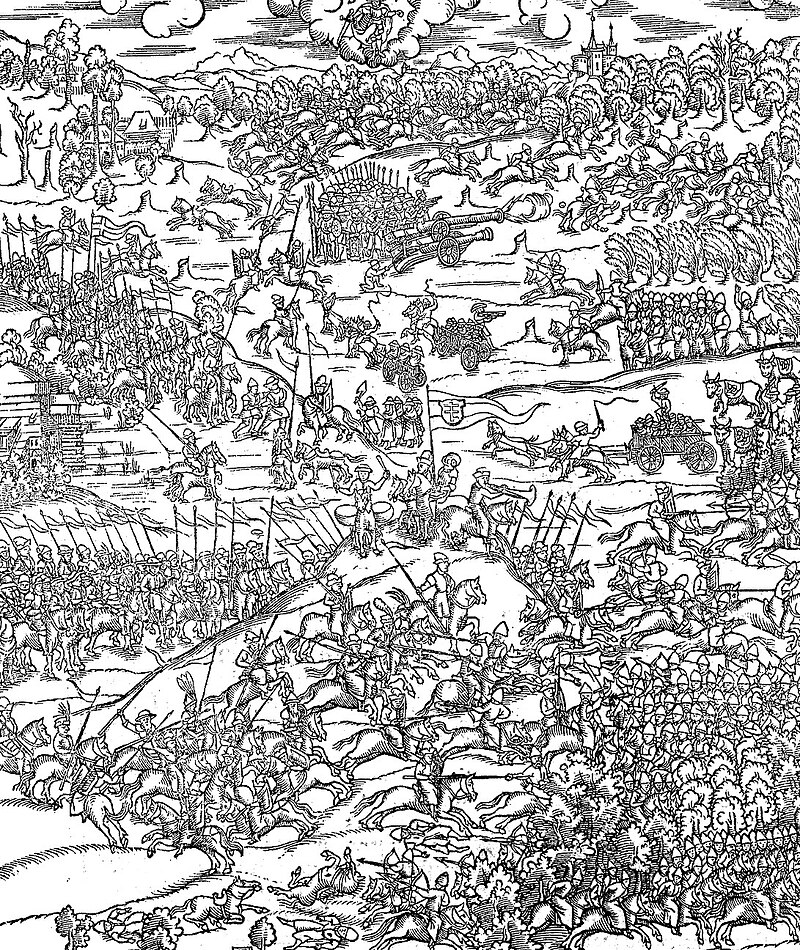
In the early 16th century, the Grand Duchy of Lithuania faced increasing pressure from the Crimean Khanate, a constituent of the Ottoman Empire. The ongoing Tatar raids prompted defensive maneuvers within the region, altering the dynamics of power and control. One of the key confrontations, known as the Battle of Kletsk, stands as a pivotal moment amidst these incursions.
The Tatars, under the command of Khan Meñli I Giray, launched a substantial raid into Lithuanian territories, seeking to expand influence and plunder resources. In response, the Grand Duchy mobilized its forces, led by notable commanders such as Konstanty Ostrogski. The Lithuanian army comprised a combination of regular troops and regional levies, unified under the goal of repelling the invaders.
As the battle ensued in the vicinity of Kletsk, the Lithuanian forces, employing tactical discipline and strategic acumen, managed to outmaneuver the Tatar commands. The conflict resulted in a significant defeat for the Tatar forces, with a considerable number being captured or killed on the battlefield. This victory curtailed the immediate Tatar threat, providing a temporary respite for the Grand Duchy and its inhabitants.
The outcome of this battle had far-reaching implications. It not only provided a strategic advantage to the Grand Duchy of Lithuania but also reinforced regional stability. Further, it demonstrated the potential efficacy of consolidated military efforts against recurring Tatar incursions. By diminishing the frequency of raids, the Duchy's victory contributed to a period of relative peace and security, allowing for recovery and growth within its territories.
Facts and statistics from this event highlight the immense human cost of medieval warfare and the shifting allegiances within Eastern Europe. The scale of the confrontation and the successful repulsion of the Tatar forces mirrored the broader geopolitical contests of the period.
In conclusion, the Battle of Kletsk marks a crucial defensive victory for the Grand Duchy of Lithuania against the Crimean Tatars. It underscored the strategic importance of military preparedness and the potential for localized alliances to thwart aggressor forces.
#MoofLife #GrandDuchyOfLithuania #CrimeanTatars #BattleOfKletsk #EasternEuropeanHistory #MedievalWarfare
View details1399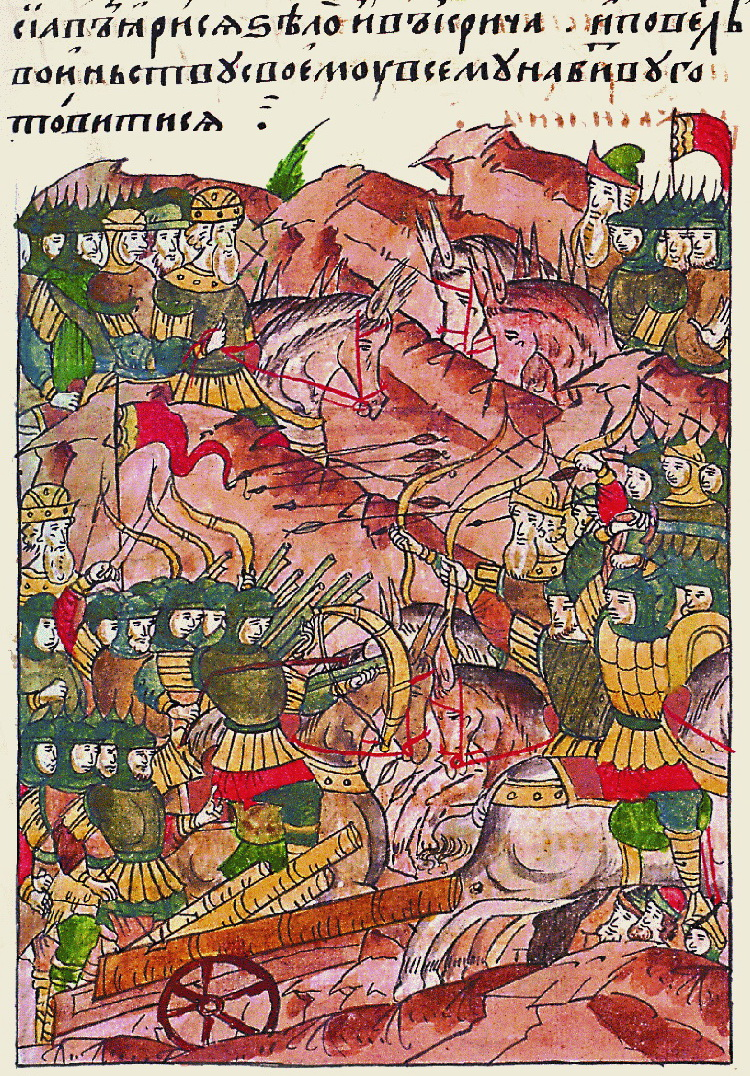
The Battle of the Vorskla River was a pivotal confrontation between the Grand Duchy of Lithuania and the Golden Horde. It reset regional power dynamics, affecting the territories that interplay modern Ukraine. The Grand Duchy of Lithuania, under Grand Duke Vytautas, sought to extend its influence over regions dominated by the Golden Horde, which was grappling with internal strife and declining cohesion. Vytautas allied with several Russian principalities and the Kingdom of Poland as part of this military campaign.
On the other side, Timur Qutlugh and Edigu led the Golden Horde's forces, seeking to assert control and defend their territories against encroaching European powers. With a well-organized mobilization, the Golden Horde's strategy was set to exploit their superior cavalry and tactical expertise on the open steppe.
The battle commenced near the banks of the Vorskla River, with both sides displaying extensive pre-battle preparations, including field fortifications by the Golden Horde. Initially, the Lithuanian alliance demonstrated strength, potentially intimidating their adversaries. However, intelligence and tactical deception played into the hands of the Golden Horde commanders. During the clash, the Lithuanian forces faced unexpected tactical maneuvers, such as feigned retreats and sudden encirclements, which led to their eventual downfall.
Casualties were heavy on the Lithuanian side, with numerous nobles and warriors lost. The defeat shattered Lithuanian ambitions to expand eastward and temporarily stemmed Polish influence in the region. It reinforced the dominance of the Golden Horde in the region for a period, although internal strife soon disrupted their ascendancy once more. This conflict thereby signified fluctuating control over Ukrainian lands, highlighting themes of power struggle, alliance-forming, and military strategy in medieval Eastern Europe.
The outcomes impacted future military campaigns and alliance considerations across Eastern Europe, fundamentally reshaping regional politics and territorial control. #BattleOfVorsklaRiver #GrandDuchyOfLithuania #GoldenHorde #MilitaryHistory #EasternEurope #MedievalConflicts #HistoricalBattles #UkraineHistory #MoofLife
View details1398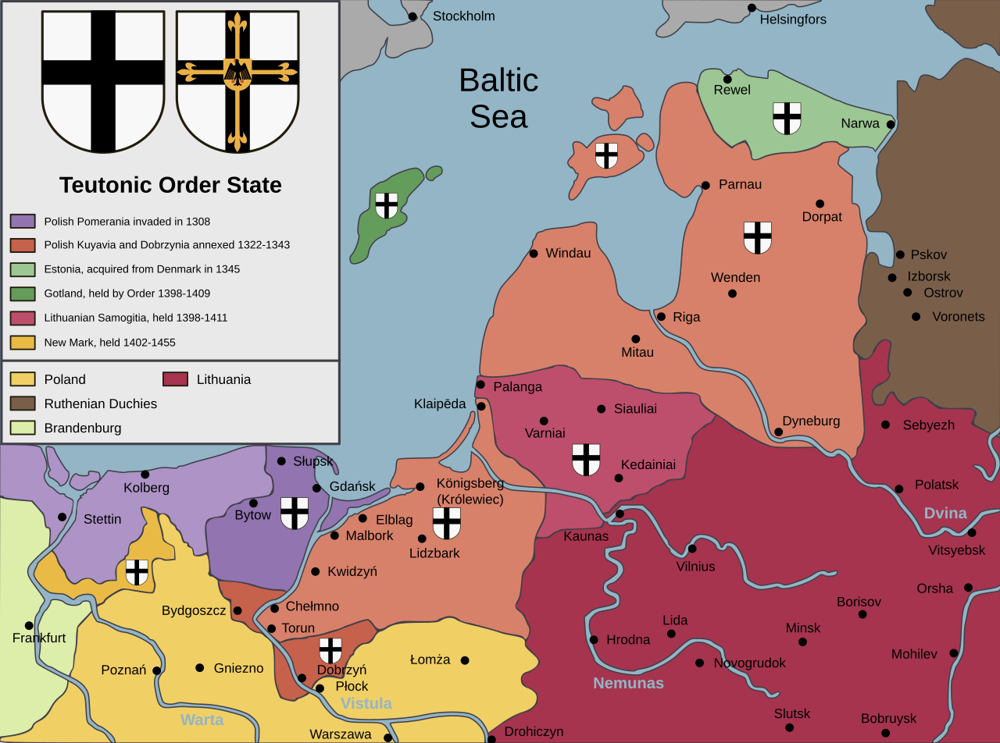
The Treaty of Salynas was signed between the Grand Duchy of Lithuania and the Crimean Khanate amid a period of regional turbulence and conflict. The backdrop of the agreement was the continuous territorial expansion and power struggles in Eastern Europe. The Grand Duchy of Lithuania, seeking to consolidate its influence and stabilize its borders, engaged the Crimean Khanate, which was a significant power in the area.
Pursuant to the treaty, both parties outlined specific territorial concessions and spheres of influence. The Grand Duchy of Lithuania, under the leadership of Vytautas the Great, aimed to secure its southeastern border from potential threats and incursions by formalizing an accord with the Crimean Khanate. On the other hand, the Crimean Khanate saw this as an opportunity to legitimize its hold over certain regions and to have a recognized boundary with one of the major powers of Eastern Europe.
The treaty delineated particular land divisions, which were crucial for both powers in asserting their dominance and control over strategic regions. This move had significant implications for trade routes, military campaigns, and future territorial negotiations. The Grand Duchy of Lithuania, through this agreement, managed to focus its military resources on other pressing fronts, while the Crimean Khanate gained a form of political recognition that bolstered its standing in the region.
This treaty set a precedent for subsequent diplomatic engagements between the European principalities and the burgeoning powers of the Crimean region. It also played a role in the complex network of alliances and conflicts that characterized Eastern European politics during this era. The negotiation and subsequent signing of the treaty underscored the intricate balance of power and the necessity of diplomatic overtures in maintaining regional stability.
#LithuanianHistory #CrimeanKhanate #DiplomacyInHistory #EasternEurope #UkrainianHeritage #HistoryMatters #MoofLife
View details1362
The Battle of Blue Waters, also referred to as the Battle of Mohiylev, marked a significant conflict between the forces of the Grand Duchy of Lithuania and the Golden Horde. The backdrop to this conflict lay in the broader geopolitical struggles in Eastern Europe, where the Golden Horde, a Mongol successor state, exerted considerable influence over various principalities, including those in present-day Ukraine. The Grand Duchy of Lithuania, under the leadership of Grand Duke Algirdas, sought to expand its territories and reduce the Horde's dominance.
In the lead-up to the battle, the Golden Horde was embroiled in internal strife and weakened by power struggles. Recognizing an opportunity, Algirdas mobilized his forces, consolidating soldiers from Lithuanian-controlled territories. The strategic objective was to reclaim lands under the Horde's control and to assert Lithuanian influence across key regions.
The clash took place near the Dnieper River, in the vicinity of modern-day Ukraine. The Lithuanian forces, marked by their tactical acumen, managed to outmaneuver the Horde's troops. Algirdas employed a combination of direct assault and flanking maneuvers, exploiting the disorganization within the Horde's ranks. The result was a decisive Lithuanian victory, with substantial losses incurred by the Golden Horde's forces.
The aftermath of the battle saw significant territorial gains for the Grand Duchy of Lithuania. This victory was pivotal in shifting the balance of power in the region. The Grand Duchy secured control over key areas in present-day Ukraine, consolidating its status as a dominant power in Eastern Europe.
The Battle of Blue Waters was more than a military triumph; it symbolized the waning influence of the Golden Horde and the rise of Lithuanian power. It had lasting implications for the political landscape, reshaping territorial boundaries and power dynamics in the region.
#BattleOfBlueWaters #GrandDuchyOfLithuania #GoldenHorde #UkraineHistory #EasternEuropeConflict #MoofLife
View details1300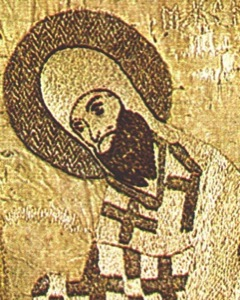
Metropolitan Maximus undertook a pivotal action by transferring the Metropolitan see from Kiev to Vladimir. At the time, Kiev had long been the religious heart of the region, serving as a spiritual and cultural hub. However, this epoch saw Kiev facing increased political instability and frequent invasions that weakened its position. In contrast, Vladimir provided a more secure and politically stable center, with growing influence over the surrounding territories.
The relocation of the Metropolitan see represented more than a mere geographical shift. It symbolized a realignment of religious power and influence. With the Metropolitan see in Vladimir, the church sought to consolidate its authority and reinforce its role in the region. This move was also a strategic response to the changing political landscape, aiming to sustain the church’s prominence amidst evolving circumstances.
This transition had profound implications. It heralded a new era where Vladimir gradually emerged as a principal center of religious life, affecting church administration and regional ecclesiastical priorities. The relocation also indicated a shift in the geopolitical significance within the region, reflecting the rise of new power centers and the diminishing influence of older ones.
This period saw an adaptation of the church to the flux of external pressures, including military threats and political upheavals. Aligning the see with a more stable and secure city like Vladimir was essential for maintaining continuity of ecclesiastical governance and spiritual leadership.
The realignment of the Metropolitan see likewise fostered the growth of Vladimir as an urban center, enhancing its stature and bolstering its regional significance. This decision marked a decisive turn in the historical and religious trajectory of the region, influencing ecclesiastical and secular dynamics.
#MoofLife #EcclesiasticalShift #ReligiousHistory #RegionalPowerDynamics #HistoricalAdaptation #ChurchStrategy
View details1223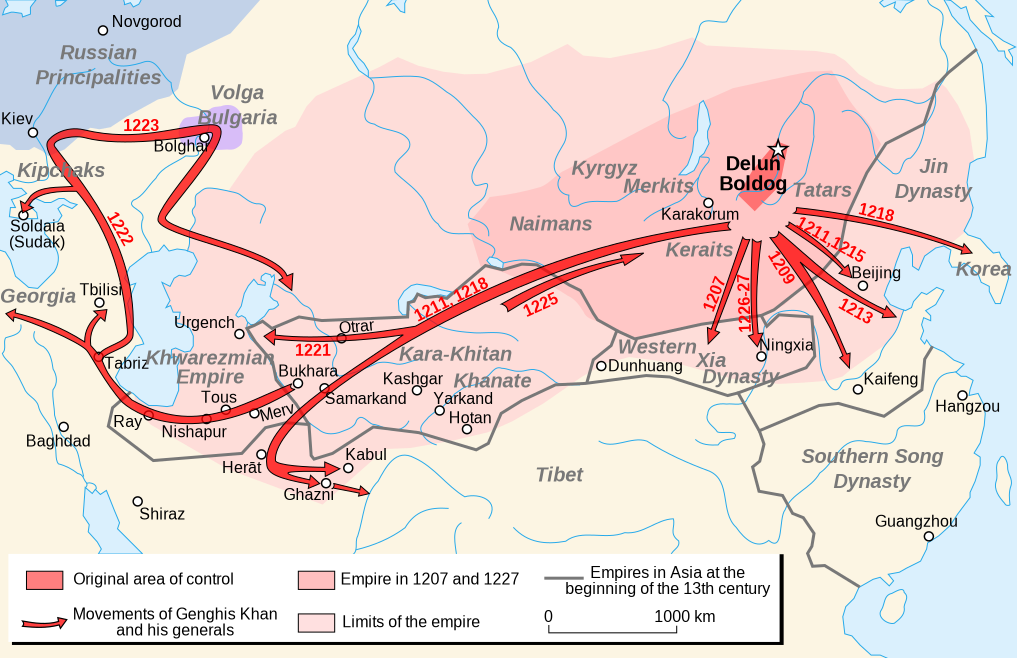
The Mongol invasion of Rus started with a confrontation between the Mongol Empire and the principalities of Kievan Rus. The prelude to this event involved the rapid expansion of the Mongol Empire under the leadership of Genghis Khan. The Mongol military campaigns had already established a formidable reputation across Asia, characterized by highly efficient and brutal tactics.
Rus principalities, at that time, were loosely allied city-states with internal rivalries, weakening their ability to mount a coordinated defense. The Mongols capitalized on these disunities. A reconnaissance force, led by generals Subutai and Jebe, first encountered the forces of Kievan Rus and their Cuman allies on the banks of the Kalka River. The subsequent battle concluded with a decisive Mongol victory. This confrontation showcased the Mongol's superior military strategies, particularly their adept use of psychological warfare and cavalry maneuvers.
The impact of the Mongol invasion on Rus regions was profound. Towns and cities were ruthlessly sacked, leading to substantial loss of life and widespread destruction. The invasion dismantled the economic infrastructure, leading to long-term socioeconomic disruptions. The Mongol tactics included both direct assaults and the intimidation of populations, contributing to the large-scale devastation. The principal cities, including Kiev, were severely affected and saw significant depopulation. Historical records suggest that the Mongol invasion resulted in tens of thousands of deaths, both civilian and military.
The Mongol invasion of Rus served not just to extend Mongol influence into Europe but also highlighted the vulnerability of disunited states against a well-coordinated military force. This event marked the beginning of a series of Mongol incursions and occupations in Eastern Europe, profoundly affecting the historical trajectory of the region. The significant restructuring of power dynamics due to Mongol conquests also played a crucial role in shaping future political and demographic developments within these territories.
#MoofLife #MongolInvasion #Kiev #Rus #MongolEmpire #HistoricalEvents #UkraineHistory
View details1201
The completion of the Galician-Volhynian Chronicle marked an important milestone for the region now known as Ukraine. As one of the oldest East Slavic chronicles, this work provided a detailed account of the history, culture, and politics of the Galician-Volhynian principality. The chronicle documented the reigns of various princes, including Roman Mstislavich and his successors.
The chronicle was written in Old East Slavic, a language used by the Eastern Slavs, which highlights the linguistic and cultural context of the era. The text served as a critical source of information for understanding the political dynamics, including conflicts, alliances, and the administrative structure of the principality. It also provided insights into the daily lives of the people, their customs, and the socio-economic conditions that prevailed.
The impact of the Galician-Volhynian Chronicle was substantial. It preserved the memory of the region's historical events and figures, contributing to the identity and heritage of the East Slavic people. The chronicle also played a role in shaping the historiography of Eastern Europe, offering a native perspective that was crucial for later historians. It became an indispensable resource for scholars studying the medieval history of the region.
In addition to its historical significance, the chronicle influenced the literary tradition of the East Slavs. The narrative style, structure, and use of language in the Galician-Volhynian Chronicle set a precedent for later works in the region. It demonstrated the importance of written records in preserving cultural and historical knowledge.
The Galician-Volhynian Chronicle remains a key historical document, offering a window into the past of what is now Ukraine and its neighboring areas. Its completion was an important development in the recording and preservation of East Slavic history and culture.
#MoofLife #EastSlavicChronicle #GalicianVolhynian #HistoricalRecords #UkraineHistory #CulturalHeritage
View details1199
Yaroslav Osmomysl played a crucial role in the establishment of the Principality of Galicia-Volhynia. This event was rooted in the strategic unification of two powerful regions in modern-day Ukraine. Galicia, located in the western part of the land, was known for its fertile soil and strategic position, while Volhynia, rich in resources, complemented it geographically and economically.
Prior to this consolidation, Galicia and Volhynia operated as separate principalities under the overarching authority of the Kievan Rus', a medieval state that formed the eastern Slavic world. Due to weakening control from Kiev and internal strife, the principalities sought autonomy and resilience against external threats, including incursions from neighboring tribes and pressure from emerging powers in Central Europe.
The unification occurred under the astute leadership of Yaroslav Osmomysl, a prince renowned for his administrative and military prowess. Osmomysl leveraged alliances, familial ties, and strategic marriages to solidify this union. These actions not only strengthened internal cohesion but also created a formidable entity capable of withstanding external pressures. This new principality became an economic and cultural hub, contributing to the development of Ukrainian identity and heritage.
The establishment of the Principality of Galicia-Volhynia led to significant economic growth and stability in the region. Trade routes flourished, linking the principality with Byzantium and other parts of Europe. Educational and religious institutions saw growth, contributing to the cultural and intellectual life of its people.
In terms of governance, the principality adopted advanced administrative practices, improving tax collection and military organization. This period significantly influenced Ukrainian history, as the principality maintained its prominence even as other territories fragmented.
The impact of this unification reverberated through the region's subsequent history, setting a precedent for later forms of centralized governance and contributing to the foundations of Ukrainian statehood.
#Unification #YaroslavOsmomysl #GaliciaVolhynia #UkrainianHistory #MoofLife
View details1093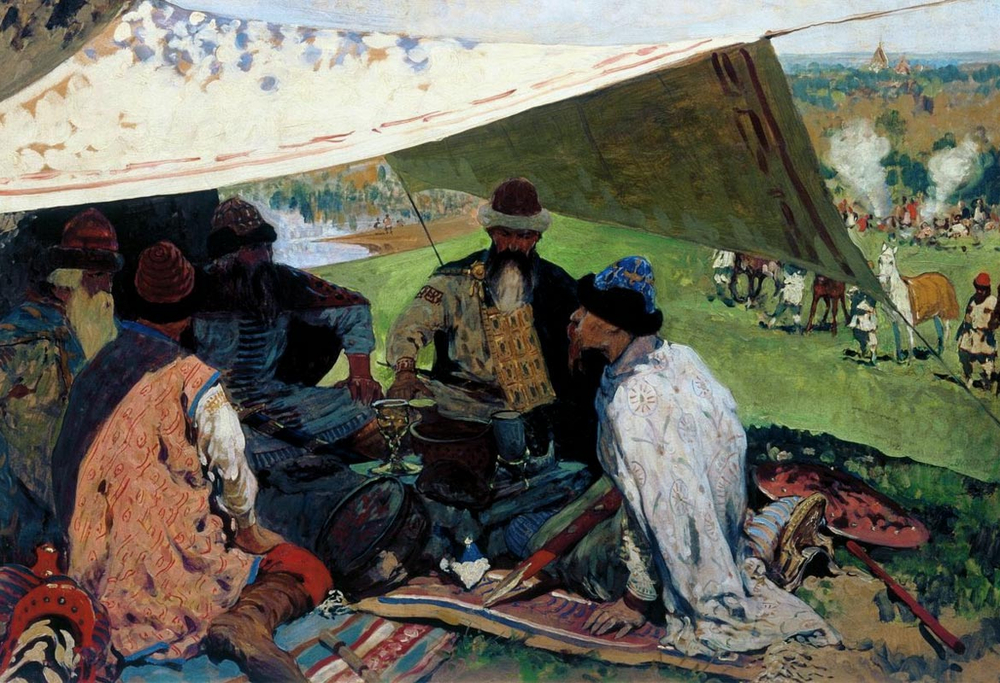
In the historical context of Eastern Europe, the Battle of the Stugna River marked a critical clash. The forces under Grand Prince Yaroslav the Wise of Kievan Rus faced the nomadic Pechenegs. The conflict arose during a period of territorial disputes and constant threats from nomadic tribes on the Kievan Rus borders.
Yaroslav the Wise had previously solidified the expansion of Kievan Rus, enhancing its political and cultural standing. However, the Pechenegs, known for their mobility and fierce tactics, posed a persistent challenge. The battle occurred at the junction of the turbulent Stugna River, a natural barrier that both sides leveraged strategically.
On the battlefield, Kievan forces, well-prepared with advanced military tactics, formed defensive lines against the Pechenegs' swift cavalry maneuvers. Despite their preparation, the Kievan forces faced significant pressure due to the Pechenegs' numerical superiority and sudden tactical diversions. The engagement at the Stugna River significantly depicted the enduring struggle between settled societies and nomadic tribes during this era.
The impact of this battle was multifaceted. Strategically, it highlighted the vulnerability of Kievan Rus to nomadic incursions, prompting future leaders to enhance military defenses and fortifications. The aftermath also influenced alliances, prompting Kievan Rus to seek alliances with neighboring entities to bolster their defenses against such nomadic aggressions.
This battle is particularly relevant in the broader narrative of Eastern European history, emphasizing the dynamic and often tumultuous interactions between emerging states like Kievan Rus and the nomadic tribes. It underscored the necessity for robust military strategies and the constant threat that nomadic incursions posed to established settlements.
#BattleoftheStugnaRiver #YaroslavtheWise #KievanRus #Pechenegs #EasternEuropeanHistory #MoofLife
View details0987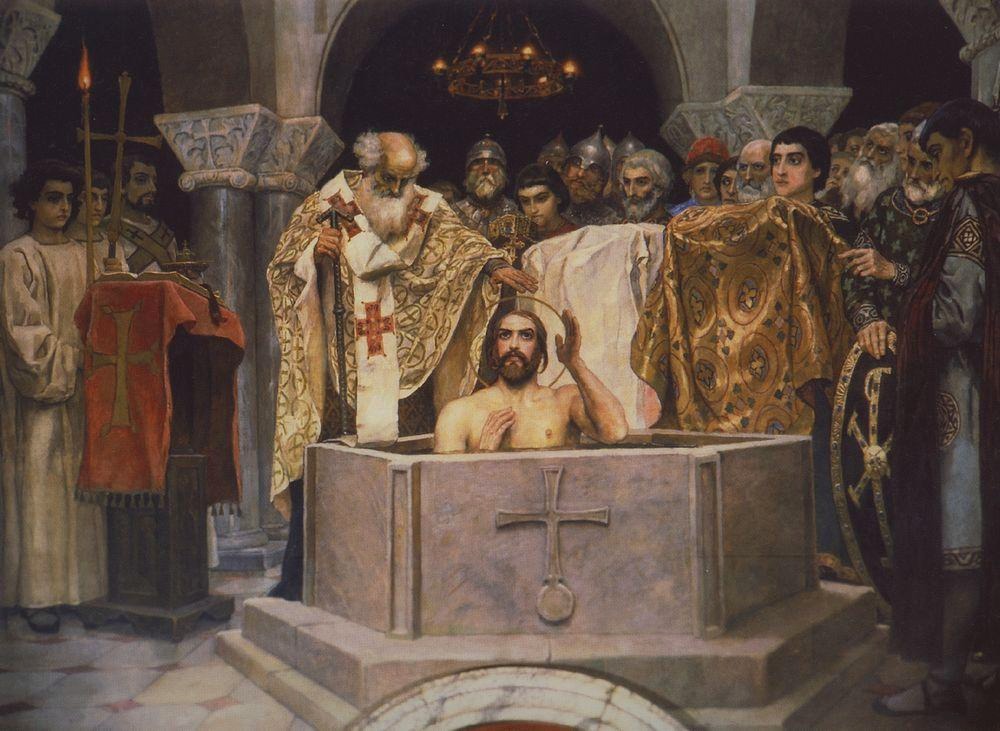
Prince Vladimir the Great of Kyivan Rus stood at the banks of the Dnieper River. He was about to undergo a rite that would alter not just his personal beliefs, but the cultural and religious trajectory of his entire realm. Before this moment, Vladimir had explored various religions to solidify his rule and unify his people. He dismissed other options — Islam, Judaism, and Western Christianity — before gravitating towards Eastern Christianity.
Accompanied by priests and other officials, Vladimir entered the water, signaling a departure from paganism toward the adoption of Byzantine Christianity. This act marked the formal beginning of the Christianization of Kyivan Rus. As Vladimir emerged from the water, he was now not just a prince but a Christian ruler committed to spreading the newfound faith across his territories.
The immediate impact was substantial. Churches began to rise where once stood idols to Slavic gods. The Church of the Tithes in Kyiv became one of the first significant Christian structures. Byzantine clergy were invited to educate the populace, and Greek became an influential language within the region. Over the coming decades, this shift towards Christianity facilitated Kyivan Rus's integration into the broader cultural and political spheres of Eastern Europe.
Religious manuscripts, icons, and liturgical traditions flowed from Byzantium to Kyivan Rus, enriching its cultural landscape. The translation of Christian texts into Old Church Slavonic made the new religion more accessible, fostering a sense of unity and shared identity among the people.
The Christianization process also had geopolitical ramifications. Alliances were forged and strengthened with Byzantine rulers, solidifying Kyivan Rus's position in a network of influential Christian states. This paved the way for future political and military alliances, altering the region's dynamics for centuries to come.
The conversion of Prince Vladimir thus served as a cornerstone for the region's spiritual, cultural, and political evolution, making Kyivan Rus a significant power in Eastern Europe.
#MoofLife #KyivanRus #PrinceVladimir #Christianization #CulturalTransformation #ReligiousHistory
View details0481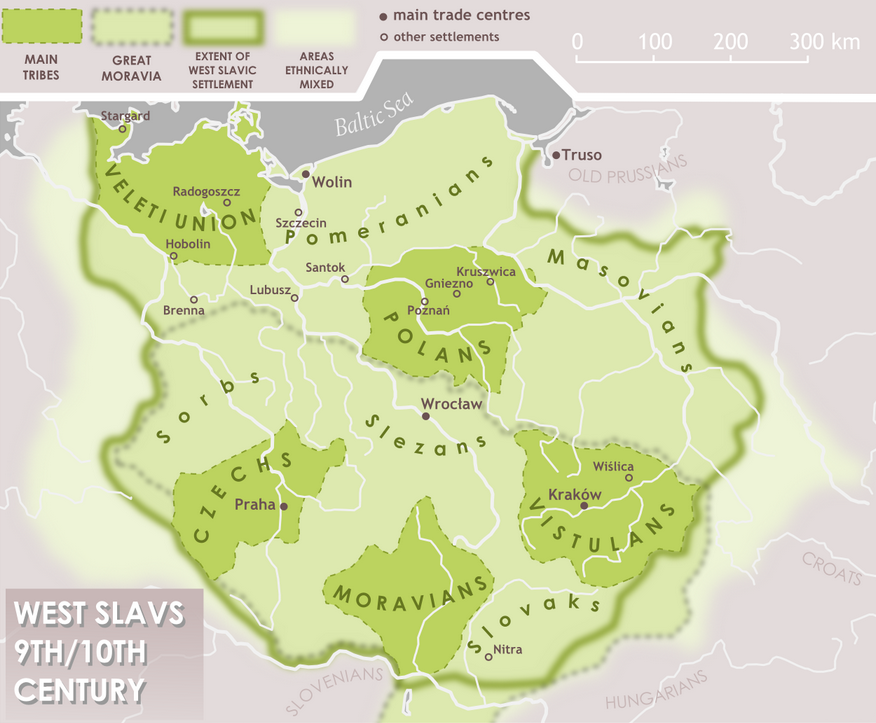
The East Slavic tribe of Polans established the city of Kyiv in a region characterized by fertile lands and strategic trade routes. Prior to this establishment, the area around the Dnieper River had been frequented by various tribes and groups due to its abundant resources and central location. These factors made it an ideal location for settlement.
The Polans capitalized on these advantages by founding Kyiv as a central hub for their activities. This move marked a significant shift in the region's dynamics. The establishment led to the growth of infrastructure, including fortifications and communal spaces, which facilitated trade and interaction with neighboring tribes and distant civilizations. The placement of Kyiv along the Dnieper River enabled it to become a crucial point in trade routes connecting the Baltic and Black Seas, allowing the Polans to engage in commerce more effectively.
Kyiv's rise as a commercial hub also brought about socio-political changes. The settlement attracted a variety of artisans, traders, and other settlers, contributing to the cultural and economic enrichment of the region. Its development laid the groundwork for the later emergence of the Kievan Rus', which would go on to play a pivotal role in the history of Eastern Europe.
The impact of establishing Kyiv resonated through subsequent centuries, influencing the economic, cultural, and political trajectories of the region. The city's strategic importance and the interactions it fostered among different groups exemplified the interconnectedness of early medieval societies.
In summary, the founding of Kyiv by the Polans marked a foundational moment in the broader history of Ukraine. It set in motion a series of developments that would shape the socio-economic landscape of Eastern Europe. The establishment of Kyiv reflects the confluence of geography, trade, and tribal dynamics.
#KyivFoundation #PolansTribe #EasternEuropeHistory #TradeHub #MedievalUkraine #MoofLife
View details