
Saudi Arabia

A Land of Heritage and Innovation
About
#SaudiArabia
#KSA
#MiddleEast
Life Classification
Countay
Life ID
EL1881254958747
Verified Name
saudiarabia
Life Type
Entity Life
Life Privacy
Public
Subscription
Elite
Created On
2024-07-28
Updated On
2025-12-19
Connect
Related Lives

World War I
The Great War

Serbia
The Heart of the Balkans

Philippines
Pearl of the Orient Seas

History of Quantam computing
Whispers of the Quantum Realm

Chad
Heart of the Sahel

South Korea
The Land of Morning Calm

Andorra
Hidden Gem of the Pyrenees

Switzerland
The Land of Precision and Timekeeping

2026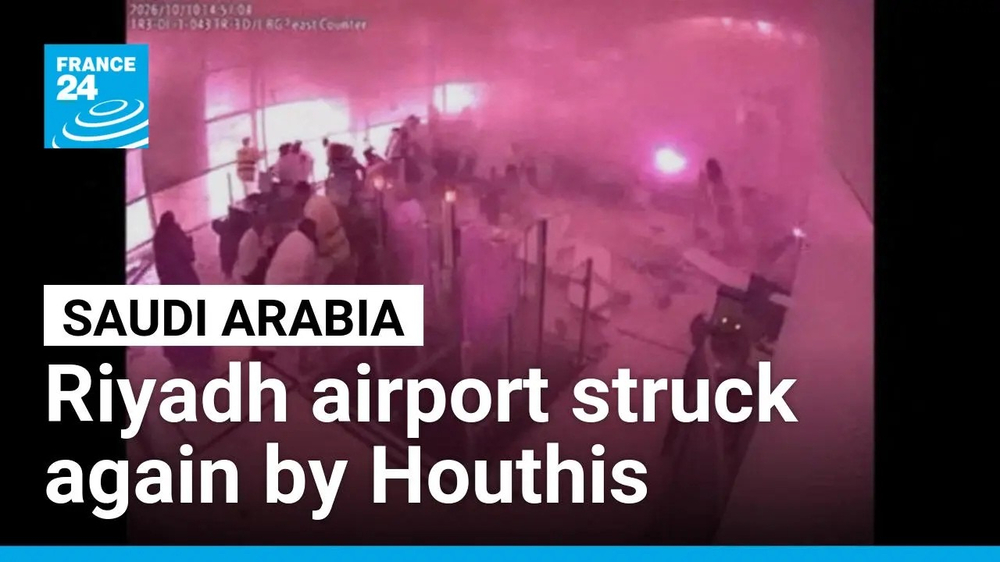
Between 06/10/2026 and 12/10/2026, Yemen's Houthi movement carried out a series of missile and drone attacks targeting civilian airports in Saudi Arabia, killing at least 20 people and injuring more than 350 others. The strikes affected King Khalid International Airport in Riyadh, Abha International Airport and King Fahd International Airport in Dammam, alongside other aviation facilities. The attacks occurred amid renewed fighting between Houthi forces and the internationally recognized Yemeni government, following the collapse of the ceasefire that had largely reduced hostilities since 2022.
The deadliest attack occurred on 10/10/2026 at Riyadh's King Khalid International Airport, killing 13 people and injuring more than 300. Earlier strikes on Riyadh and Abha airports had caused additional civilian casualties. Saudi authorities suspended flights, deployed emergency services and launched investigations into the attacks. The Saudi-led coalition also carried out retaliatory strikes against Houthi military positions in Yemen. Subsequent attacks continued beyond 12/10/2026, further disrupting Saudi Arabia's aviation network.
Historical Significance: The attacks extended the renewed Yemen conflict into Saudi Arabia's civilian aviation infrastructure, causing widespread flight cancellations and raising concerns about the protection of international air travel.
View detailsSaudi Arabia formally signed the Mecca Joint Defence Agreement on 07/08/2026, establishing a trilateral security framework with Turkey and Pakistan. The agreement was signed in Mecca by Crown Prince Mohammed bin Salman and was presented as a mechanism for strengthening defense cooperation, improving military coordination, and increasing regional security collaboration.
The agreement emerged during a period of heightened instability in the Middle East. Throughout 2026, regional tensions intensified amid military confrontations involving Iran, armed groups in Yemen, and several nonstate actors operating across the region. Saudi Arabia faced continued concerns regarding missile and drone attacks targeting strategic infrastructure, including energy facilities and border regions.
According to reports describing the agreement, Saudi policymakers viewed the new framework as part of a broader effort to strengthen the Kingdom's security architecture while reducing dependence on any single external security partner. Rather than replacing existing alliances, the pact was described as an additional layer of regional defense cooperation operating alongside Saudi Arabia's established partnerships.
Protecting the Kingdom's economic transformation agenda was another factor behind the agreement. Saudi Arabia's Vision 2030 program includes large scale investments in infrastructure, tourism, technology, logistics, and industrial diversification. Ongoing regional conflicts have increased concerns about the security of major development projects, energy installations, transportation networks, and maritime trade routes.
The agreement also expanded cooperation in several military sectors. Pakistan contributed an established bilateral defense relationship with Saudi Arabia that had already been strengthened through previous agreements. Pakistani military personnel and defense assets operating within Saudi Arabia provided an existing foundation for deeper cooperation.
Turkey contributed defense manufacturing capabilities, particularly in the development and export of military technologies, including unmanned aerial systems. Closer cooperation with Turkish defense industries created additional opportunities for technology transfers, training programs, and procurement agreements.
Saudi Arabia's role within the framework was defined by its economic resources, strategic location, energy production, and influence within the Islamic world. The agreement combined the Kingdom's financial capacity with Turkey's defense industry and Pakistan's military capabilities to create a coordinated security partnership.
Public statements surrounding the agreement emphasized its defensive character. Saudi officials described the framework as a deterrence mechanism designed to strengthen regional stability, protect critical infrastructure, secure maritime routes, and improve military readiness without creating a new offensive alliance.
Why This Moment Matters:
The Mecca Joint Defence Agreement reflected a broader trend in Middle Eastern geopolitics toward diversified security partnerships and greater regional cooperation. The agreement illustrated how states facing evolving security threats increasingly seek multiple strategic partnerships to protect economic interests, energy infrastructure, and national sovereignty.
View details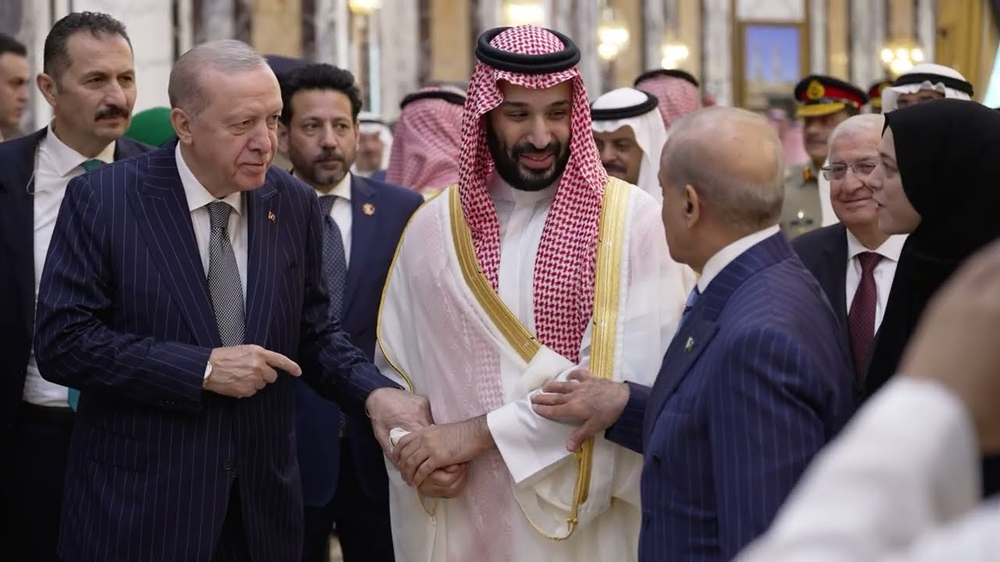
2024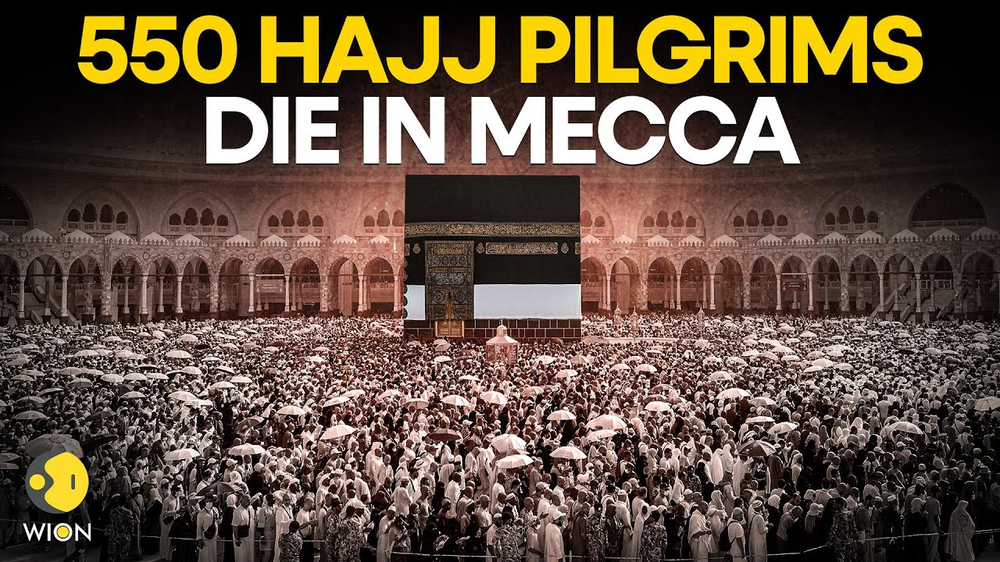
During the Hajj pilgrimage, a significant disaster occurred when over 1,300 people died due to extreme heat. The pilgrimage, a mandatory religious duty for Muslims that must be carried out at least once in their lifetime, brings together millions of people in Mecca, Saudi Arabia. This particular Hajj was marked by a heatwave with temperatures soaring above 48 degrees Celsius (118 degrees Fahrenheit), exacerbating already challenging conditions for the pilgrims.
The high temperatures posed severe health risks, including heatstroke and dehydration, to those participating in the physically demanding rituals of Hajj. The massive influx of people coupled with overcrowding worsened the situation, hindering effective response efforts. Emergency services and medical facilities were overwhelmed by the sheer number of heat-related cases.
Studies indicated that over 200,000 people were treated for various heat-related ailments during this period. The lack of adequate shade and water points in key areas of the pilgrimage route made mitigation efforts more difficult. Authorities and organizers faced criticism for not adequately planning for such extreme weather conditions, despite forecasts indicating the potential for high temperatures.
The incident prompted calls for better-prepared measures to safeguard pilgrims against extreme weather conditions in future events. Changes recommended included the establishment of more cooling stations, increased availability of drinking water, and the installation of more shaded areas along major routes. Additionally, there were suggestions for revising the timeline and planning of the pilgrimage to avoid peak heat periods.
This tragic event underscored the vulnerability of large gatherings to climate change and the necessity for comprehensive disaster preparedness strategies. It also sparked a wider discussion on the need for global cooperation in addressing the effects of extreme weather events on mass gatherings to prevent future occurrences.
#Hajj #ExtremeHeat #ClimateChange #DisasterPreparedness #PublicHealth #MoofLife
View details2018
In June 2018, Saudi Arabia made a historic decision to lift the ban on women driving, marking a significant milestone in the country's efforts towards gender equality. For decades, the ban had been in place, prohibiting women from obtaining driver's licenses and driving legally on the roads. The decision to lift the ban was part of a series of social reforms undertaken by the government to modernize and liberalize the conservative kingdom.
The lifting of the ban had a profound impact on the lives of Saudi women, granting them a newfound sense of freedom and independence. Women were now able to drive themselves to work, run errands, and take care of their everyday needs without relying on male relatives or hired drivers. This change also opened up new opportunities for women to participate more actively in the workforce and engage in various aspects of public life.
With the ban lifted, Saudi women no longer faced the barriers and challenges associated with not being able to drive. They could now enjoy the convenience and autonomy that driving brings, empowering them to make choices and navigate their daily lives with greater ease.
The decision to lift the ban on women driving was met with mixed reactions within Saudi society, with some embracing the change as a step towards progress and modernization, while others expressed concerns about the potential cultural and social implications. Despite these differing views, the lifting of the ban was a significant moment in Saudi Arabia's history and a testament to the evolving roles and rights of women in the country.
#SaudiArabia #WomenDriving #GenderEquality #SocialReform
View detailsAfter nearly four decades of being labeled as un-Islamic, public cinema made a comeback in Saudi Arabia. The strict ban on movie theaters was lifted, marking a radical shift in the conservative kingdom's policies. This move was part of Crown Prince Mohammed bin Salman's efforts to modernize and diversify the Saudi economy.
The return of public cinema was met with enthusiasm by Saudi citizens, who welcomed the opportunity to enjoy movies on the big screen in their own country. The first public cinema opening was held in Riyadh, with plans to open more theaters in major cities like Jeddah and Dammam.
The impact of this event was significant, not only in terms of entertainment but also economically. The reintroduction of cinemas was expected to create thousands of jobs and attract foreign investment in the entertainment industry. It was seen as a positive step towards boosting the local economy and offering new opportunities for Saudi youth.
The decision to allow public cinemas was part of a series of social reforms aimed at modernizing Saudi society. In recent years, women have been granted the right to drive, and restrictions on entertainment have been loosened. These changes were seen as a way to improve the quality of life for Saudi citizens and attract international tourists.
The return of public cinema in Saudi Arabia symbolized a shift towards a more open and inclusive society. It represented a break from the past and a step towards a more progressive future. As movie lovers flocked to theaters to watch the latest films, it was clear that Saudi Arabia was embracing change and embracing new opportunities. #SaudiCinemaRevival #ModernizationInKSA #EconomicGrowth
View details
2017
The Saudi Stock Exchange appointed Sarah Al Suhaimi as its first female chief executive officer, marking a significant milestone for gender diversity in the financial sector. Around the same time, a major bank in Saudi Arabia, Samba Financial Group, named Rania Mahmoud Nashar as its CEO, another noteworthy advancement for women in leadership positions.
These appointments come as part of efforts towards women empowerment and inclusion in Saudi Arabia's Vision 2030 program, which aims to diversify the economy and increase women's participation in the workforce. The women were selected based on their qualifications and experience, highlighting a shift towards merit-based appointments in the traditionally male-dominated financial industry.
The Saudi Stock Exchange and Samba Financial Group's decision to appoint female CEOs garnered international attention, showcasing the kingdom's commitment to gender equality and women's advancement in the corporate world. The historic appointments are expected to inspire more women to pursue leadership roles and contribute to the country's economic development.
#SaudiArabia #WomenEmpowerment #GenderDiversity #FinancialSector #Vision2030 #LeadershipRoles
View details2016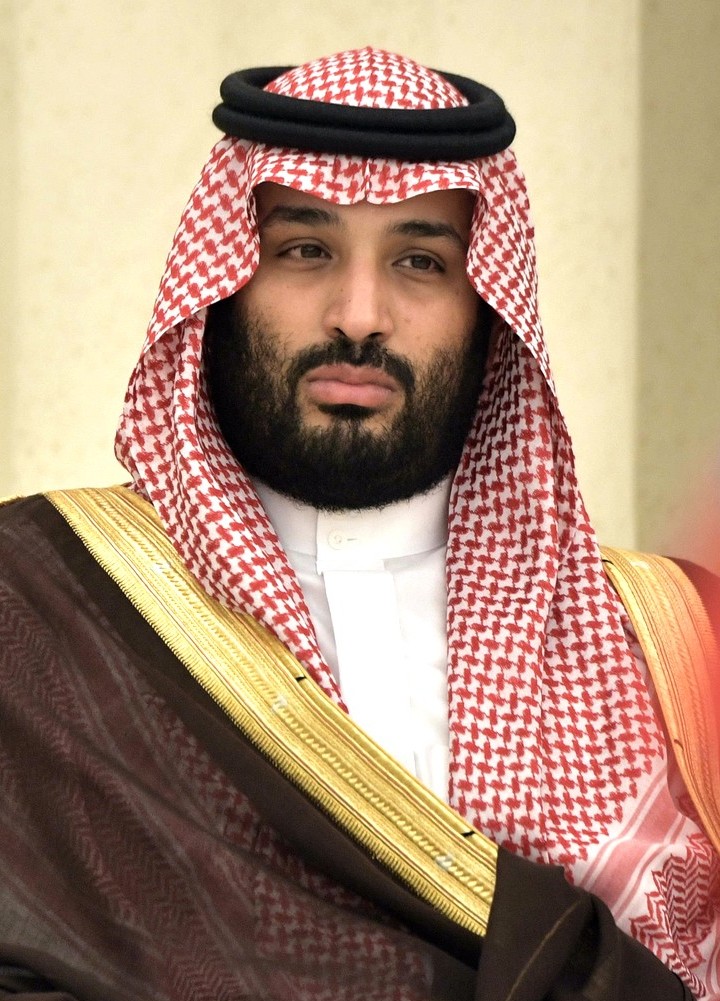
In response to fluctuating oil prices and the need for economic diversification, Crown Prince Mohammed bin Salman unveiled the Vision 2030 plan. The aim was to transform the Saudi economy, reducing its reliance on oil revenue and positioning the country for sustainable growth. The plan outlined key pillars including boosting the private sector, developing public service sectors such as health, education, infrastructure, and tourism, and creating a vibrant society with a thriving cultural scene.
The Vision 2030 plan sought to increase the private sector's contribution to the GDP, aiming for it to reach 65% by 2030. It also aimed to decrease unemployment rates and enhance the business environment to attract foreign investment. To achieve these goals, various initiatives were launched, such as the National Transformation Program and the Saudi Industrial Development Fund, promoting entrepreneurship and innovation and empowering the youth and women in the workforce.
The impact of the Vision 2030 plan was significant, stimulating economic diversification and paving the way for a more sustainable future. The plan addressed various challenges faced by the Saudi economy, such as youth unemployment and limited job opportunities outside the public sector. By focusing on sectors like technology, entertainment, and tourism, the plan aimed to create new sources of revenue and employment for the growing population.
The Vision 2030 plan marked a turning point in Saudi Arabia's economic history, signaling a shift towards a more dynamic and competitive economy. With a renewed focus on innovation and investment in non-oil sectors, the plan set the foundation for a more diversified and resilient economy, less vulnerable to oil price fluctuations. Through strategic partnerships and bold reforms, Saudi Arabia aimed to position itself as a leading player in the global economy, driving growth and prosperity for its citizens.
#Vision2030 #SaudiArabia #EconomicDiversification #SustainableGrowth #YouthEmpowerment #Innovation
View details2015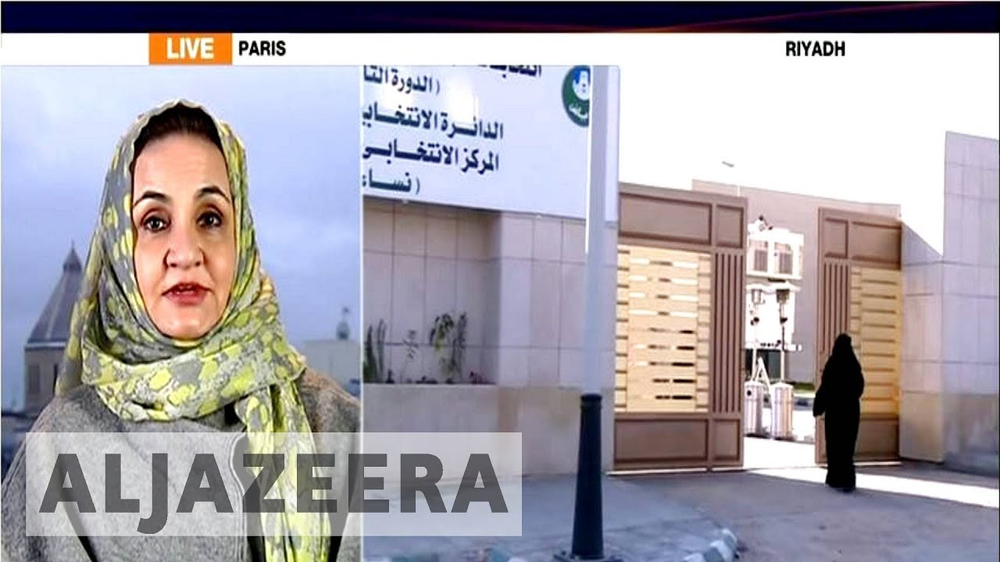
In Saudi Arabia, women made history by participating in municipal elections for the first time. This significant step towards gender equality was a result of a royal decree allowing women to both vote and run for office. The decision to include women in the electoral process marked a significant shift in a country where women's rights have been limited.
Prior to this milestone, Saudi Arabia had faced criticism for its strict gender segregation policies and restrictions on women's participation in public life. The inclusion of women in the municipal elections was seen as a positive step towards empowering women and promoting their involvement in decision-making processes.
The participation of women in the elections had a profound impact on the political landscape of Saudi Arabia. It allowed women to have a say in local governance and policies that directly affect their communities. By running for office and casting their votes, women were able to advocate for issues that are important to them and bring a new perspective to the decision-making process.
Overall, the inclusion of women in the municipal elections in Saudi Arabia marked a significant milestone in the country's efforts to promote gender equality and women's empowerment. It opened up new opportunities for women to participate in the political process and have a voice in shaping the future of their communities.
#SaudiWomenVote #EmpowerHer #GenderEquality
View detailsSaudi Arabia initiated a decisive campaign against Houthi rebels in Yemen through a series of air strikes. The conflict stemmed from the power struggle for control over Yemen between the Houthi rebels, who are aligned with Iran, and the internationally recognized government of President Hadi, supported by the Saudi-led coalition.
The Saudi-led coalition aimed to restore stability in Yemen by targeting Houthi rebel positions to halt their advance towards the strategic city of Aden. The air strikes were intended to degrade the rebel forces and disrupt their ability to threaten Yemen's government and neighboring territories. The coalition sought to prevent the spread of Iranian influence in the region and safeguard its own national security interests.
The impact of the air strikes was swift and significant, with reports indicating damage to key rebel infrastructure and military capabilities. The campaign heightened the humanitarian crisis in Yemen, exacerbating an already dire situation for civilians caught in the crossfire. The international community expressed concerns over the escalation of violence and called for a diplomatic resolution to the conflict.
The Saudi-led air strikes in Yemen underscored the complexity of regional dynamics and the geopolitical implications of the conflict. The campaign highlighted the strategic interests at play for Saudi Arabia and its allies in the region, as well as the humanitarian cost of prolonged military intervention.
#SaudiArabia #YemenConflict #HouthiRebels #AirStrikes #Geopolitics #HumanitarianCrisis
View details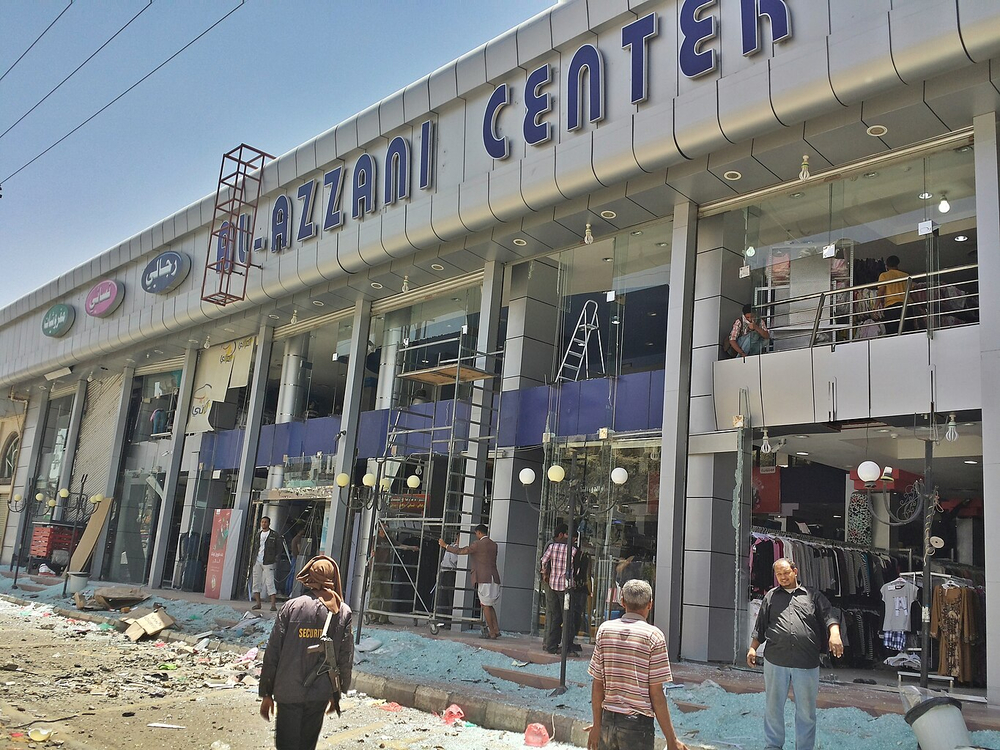
2014
In an effort to combat the growing threat posed by the Islamic State militant group in Syria, Saudi Arabia joined forces with four other Arab states, along with the United States, to conduct air strikes targeting the strongholds of the extremists. The participating Arab states included Jordan, Bahrain, Qatar, and the United Arab Emirates.
The decision to launch the air strikes came in response to the rapid expansion of the Islamic State in Syria and Iraq, where the militants had established a stronghold and were carrying out brutal attacks on civilians. The coalition aimed to degrade the capabilities of the insurgent group and disrupt their operations in the region.
The air strikes marked a significant turning point in the efforts to combat the Islamic State, demonstrating a unified front among Arab states and Western powers in the fight against terrorism. The coordinated military action sent a strong message of condemnation to the extremist group and showed a commitment to restoring peace and stability in the region.
The joint operation also highlighted the strategic partnership between Saudi Arabia and the United States in addressing security challenges in the Middle East. The collaboration between the Arab states and the U.S. underscored the importance of regional cooperation in addressing common threats and safeguarding the interests of the international community.
Overall, the participation of Saudi Arabia and other Arab states in the air strikes against Islamic State strongholds in Syria was a significant step towards countering the threat posed by the extremist group and restoring peace in the region. The coalition's efforts underscored the commitment to combating terrorism and promoting stability in the Middle East.
#SaudiArabia #ArabStates #UnitedStates #AirStrikes #IslamicState #Syria #Coalition #Terrorism #MiddleEast #SecurityCooperation.
View details2012
Saudi Arabia made a historic decision to permit women athletes to participate in the Olympics, marking a significant shift from its previous stance on female participation in sports. This change came after pressure from the International Olympic Committee (IOC) and human rights organizations to end the country's ban on female athletes. The Saudi Arabian Olympic Committee selected two female athletes to compete in the 2012 London Olympics: Wodjan Ali Seraj Abdulrahim Shahrkhani in judo and Sarah Attar in track and field.
The inclusion of women athletes from Saudi Arabia was seen as a step forward for gender equality in the conservative kingdom, where women's participation in sports had been heavily restricted. It was a symbolic move that aimed to empower women and promote equality in sports on a global stage. The decision was praised by many as a positive development towards greater gender inclusivity in sports.
The participation of the Saudi female athletes in the Olympics was a significant moment for women's rights in the country and attracted widespread media coverage. Both Wodjan Ali Seraj Abdulrahim Shahrkhani and Sarah Attar received support and encouragement from around the world as they made history by representing Saudi Arabia at the Olympic Games.
The presence of the Saudi women athletes at the Olympics not only broke barriers and challenged stereotypes but also inspired other women in the country to pursue their sporting dreams. It was a landmark moment that highlighted the potential for social change and progress in Saudi Arabia.
The decision to allow women athletes to compete in the Olympics for the first time marked a turning point in Saudi Arabia's approach to women's participation in sports, opening the door for more opportunities and advancements in the future. It signified a shift towards greater gender equality and inclusivity in the country's sporting landscape. #SaudiArabia #Olympics #GenderEquality #EmpowerWomen #HistoricMoment
View details2011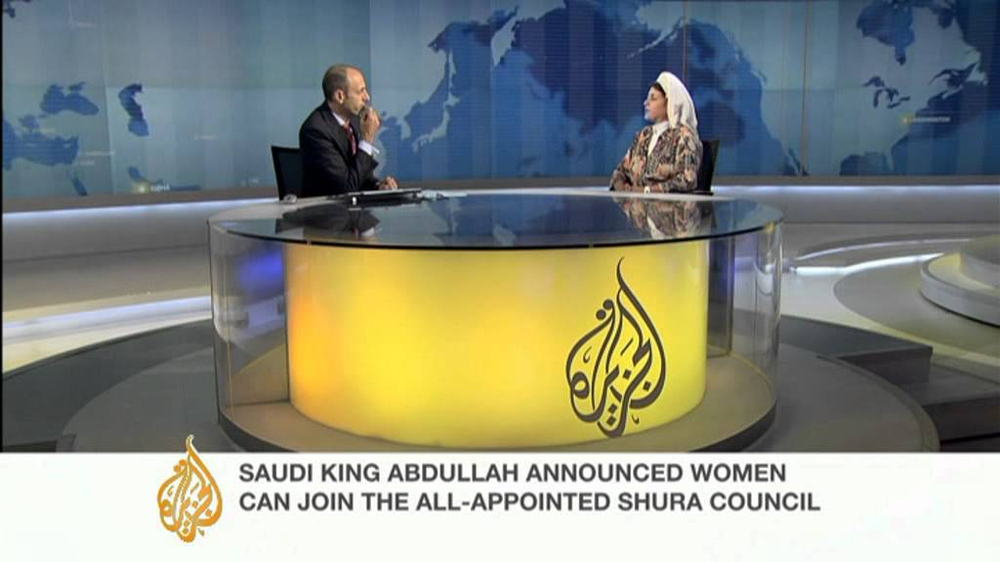
In 2011, King Abdullah of Saudi Arabia issued a decree permitting women to participate in municipal elections as voters and candidates, marking a milestone towards gender equality in the conservative kingdom. This decision was a significant shift from the previous ban on women's political involvement.
The background of this decree can be traced back to King Abdullah's efforts to modernize the country and empower women. It reflected a growing recognition of women's contributions to society and their right to participate in shaping their communities' future.
The impact of this decree was profound, as it opened doors for women to have a voice in local governance for the first time. It was a step towards gender equality and a recognition of women's rights in a country where they had long been marginalized in the public sphere. The decree also signaled a shift in societal norms and attitudes towards women's roles in the public realm.
Following the decree, women in Saudi Arabia began to register to vote and run for office in municipal elections. This move paved the way for greater female representation in decision-making processes at the local level and set a precedent for further reforms in the country.
King Abdullah's decree allowing women to vote and run in municipal elections was a historic moment that marked a significant advancement towards gender equality in Saudi Arabia. It was a testament to the changing attitudes towards women's rights and representation in the kingdom.
#SaudiArabia #GenderEquality #WomensRights #Empowerment #Progress #MunicipalElections.
View details2005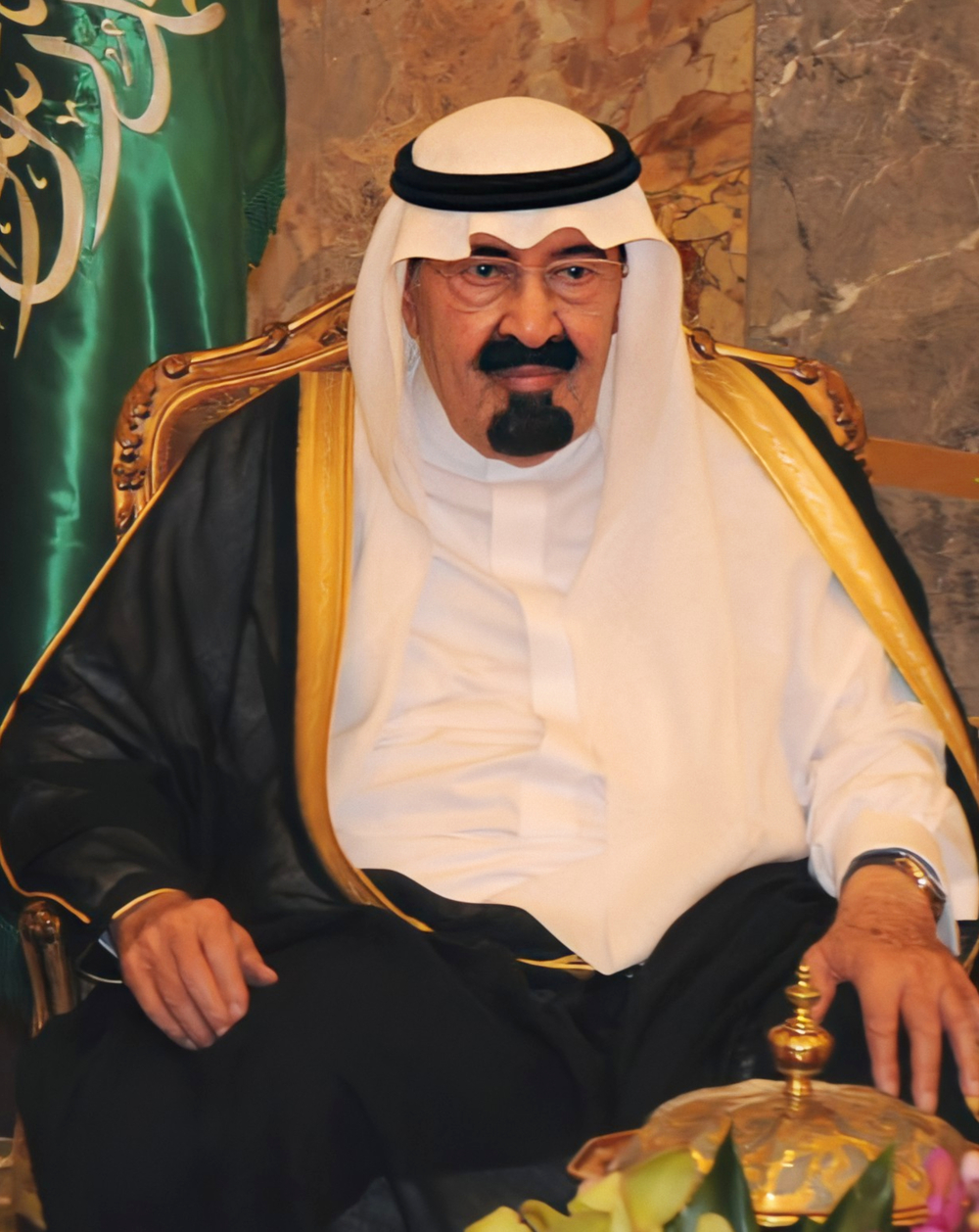
Following the passing of King Fahd, Abdullah bin Abdulaziz Al Saud ascended to the throne, becoming the King of Saudi Arabia. Born in Riyadh, King Abdullah was the tenth son of King Abdulaziz, the founder of modern Saudi Arabia. Known for his progressive views, King Abdullah implemented some social and economic reforms during his reign.
As the new monarch, King Abdullah sought to modernize the country while upholding its conservative values. He focused on improving education, healthcare, and infrastructure, as well as promoting women's rights within the constraints of the country's traditional practices. Under his leadership, Saudi Arabia experienced economic growth and increased global engagement.
King Abdullah also played a significant role in regional diplomacy, working towards stability in the Middle East. He supported efforts to resolve conflicts in the region, including the Israeli-Palestinian conflict and the crisis in Iraq. His efforts were aimed at promoting peace and cooperation among Arab nations.
During his reign, King Abdullah faced challenges such as terrorism and internal dissent. He took a strong stance against extremism and worked to combat radical ideologies within the country. His government implemented measures to enhance security and prevent terrorist activities in the kingdom.
The reign of King Abdullah was marked by a period of gradual change and modernization in Saudi Arabia. He was respected both domestically and internationally for his leadership and vision for the country. His passing was mourned by many, and his legacy continues to shape Saudi Arabia's trajectory.
#KingAbdullah #SaudiArabia #Modernization #MiddleEastDiplomacy #ProgressiveReforms
View detailsThe King Abdullah Economic City (KAEC) development project was unveiled as part of Saudi Arabia's vision to diversify its economy and reduce its dependency on oil revenues. The project aimed to create a sustainable and vibrant city on the Red Sea coast, serving as a key hub for commerce, industry, and tourism.
The announcement of the KAEC marked an important milestone in the country's efforts to transform its economy and foreign investment. The city was envisioned to be a modern metropolis with state-of-the-art infrastructure, designed to attract businesses and residents alike.
The KAEC project was part of a larger plan to develop several economic cities across Saudi Arabia, each focusing on different sectors to drive economic growth. The ambitious project was also aimed at creating job opportunities for the growing Saudi population and fostering innovation and entrepreneurship in the region.
The impact of the KAEC project was significant, not only for the local economy but also for the broader region. The development of the city would help diversify Saudi Arabia's economy, reduce its reliance on oil revenues, and position the country as a key player in the global economy.
The announcement of the KAEC project sparked excitement among investors and businesses looking to tap into the opportunities presented by the new economic city. It also raised hopes among Saudi citizens for a brighter economic future with new job prospects and a modern living environment.
#KingAbdullahEconomicCity #SaudiArabia #EconomicDevelopment #Infrastructure #Investment #Diversification
View details
2000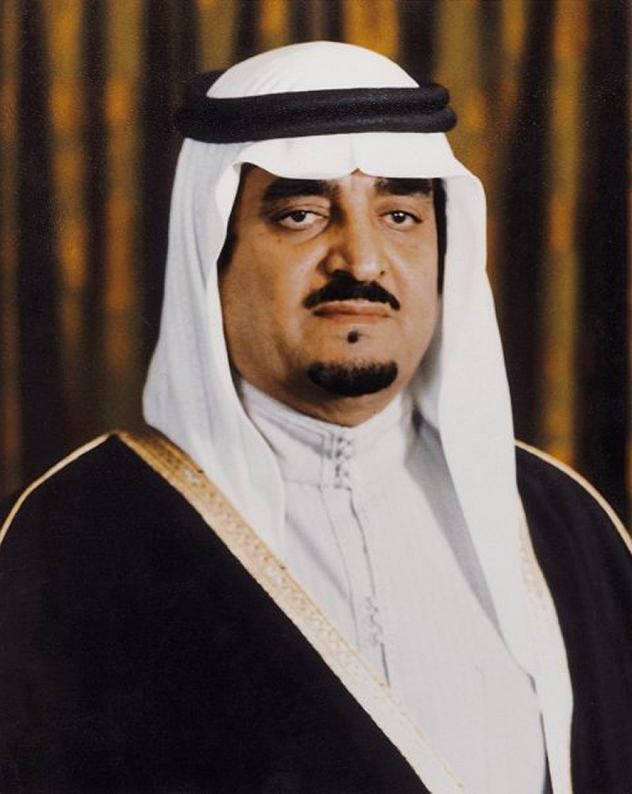
King Fahd of Saudi Arabia made a landmark announcement regarding the "Basic System of Government," a foundational legal framework that delineated the duties and responsibilities of the Saudi ruler and the rights of citizens. This proclamation also included the proposal to establish a Consultative Council (Majlis al-Shura), marking a significant step towards formalizing governance structures within the Kingdom.
Historical Context
Saudi Arabia, established in 1932 by King Abdulaziz Al Saud, traditionally operated without a formal constitution, relying on Islamic law (Sharia) and royal decrees to govern. By the late 20th century, internal and external pressures necessitated a more structured approach to governance. The Gulf War of 1990-1991, regional instability, and calls for political reform and modernization contributed to King Fahd's decision to introduce the Basic System of Government.
The Basic System of Government
The Basic System of Government, often referred to as the "Basic Law," is not a constitution in the Western sense but rather a codification of existing principles and practices, rooted in Islamic tradition. It consists of nine parts and 83 articles that outline the framework for governance, including the powers of the king, the structure of the government, and the rights and duties of citizens.
Key Provisions:
Foundation and Governance:
The system emphasizes that the Kingdom of Saudi Arabia is a sovereign Arab Islamic state with Islam as its religion, the Quran and the Sunnah (traditions of the Prophet Muhammad) as its constitution.
The government is based on justice, consultation (Shura), and equality according to Islamic law.
Role of the King:
The king is the head of state, the supreme commander of all military forces, and the symbol of unity and leadership.
His responsibilities include implementing Islamic law, ensuring the country's security, and protecting its interests.
Rights and Duties of Citizens:
The law guarantees the protection of human rights in accordance with Islamic law.
It underscores the duty of citizens to adhere to the laws, pay taxes, and defend the country.
The Consultative Council (Majlis al-Shura)
One of the most significant aspects of the Basic Law was the establishment of the Consultative Council (Majlis al-Shura). This council is intended to provide advice and counsel to the king on matters of policy and governance, embodying the principle of Shura (consultation) which is a fundamental aspect of Islamic governance.
Structure and Function:
Initially composed of 60 members appointed by the king, the council's membership has since expanded to 150 members.
Members are chosen based on their expertise and experience in various fields, including education, law, economics, and science.
The council has the authority to propose new laws, amend existing ones, and provide oversight on governmental agencies.
While the council’s recommendations are not binding, its establishment marked a move towards more inclusive and consultative governance.
Significance and Impact
The introduction of the Basic System of Government and the establishment of the Majlis al-Shura represented a significant development in the political evolution of Saudi Arabia. It was an attempt to balance the traditional Islamic governance model with the demands of a modern state. This move aimed to enhance stability, improve governance, and address the aspirations of a rapidly modernizing society.
Legacy
King Fahd's reforms laid the groundwork for further modernization and reforms under subsequent rulers. The Basic Law remains a central document guiding the governance of Saudi Arabia. The Majlis al-Shura has gradually increased its role and influence, providing a platform for more structured and systematic governance.
#MomentsOfLife #MoofLife_Moment #MoofLife #SaudiArabia #BasicLaw #KingFahd #MajlisAlShura #Governance #PoliticalReform
View details1999
The Saudi Arabian government took a groundbreaking step by issuing identification cards to women for the first time. This move marked a significant shift in the country's policies towards gender equality.
Prior to this development, women in Saudi Arabia faced numerous restrictions, including limitations on their ability to engage in various activities without a male guardian present. Without official identification, women encountered obstacles in accessing services, traveling, and conducting basic transactions.
The introduction of ID cards for women represented a crucial advancement towards empowering them and granting them more independence. With these cards, women could now have their own legal identity and be recognized as equal members of society. This measure also facilitated their participation in the workforce and encouraged their involvement in the public sphere.
The impact of this policy change reverberated across Saudi society, sparking conversations about gender roles and rights. It symbolized a gradual but significant progression towards greater gender inclusivity and social reform in the traditionally conservative nation.
The issuance of ID cards to women in 2001 marked a milestone in Saudi Arabia's journey towards modernization and women's empowerment. It set the stage for further reforms aimed at enhancing women's rights and promoting gender equality in the country.
#SaudiArabia #GenderEquality #WomenEmpowerment #SocialReform #IDCards #HistoricEvent
View details1990
Following Iraq's invasion of Kuwait and the subsequent threat it posed to regional stability, Saudi Arabia took a significant stance by denouncing this act of aggression. In response to this breach of international law, Saudi Arabia condemned Iraq's actions and urgently sought the intervention of the United States to address the escalating crisis.
The invasion of Kuwait by Iraq had a profound impact on the geopolitical landscape of the region, prompting Saudi Arabia to express grave concern over the violation of Kuwait's sovereignty. Recognizing the potential threat to its own security, Saudi Arabia swiftly called upon the US to intervene and restore peace and order in the region.
Saudi Arabia's condemnation of Iraq's invasion of Kuwait not only highlighted its commitment to upholding international norms and principles but also underscored its willingness to take decisive action in the face of such provocations. By seeking the assistance of the US, Saudi Arabia demonstrated its strategic partnership and reliance on American support to address the crisis effectively.
The event marked a critical turning point in the Gulf region as it set the stage for a coalition of nations to come together in opposition to Iraq's aggression. The diplomatic efforts of Saudi Arabia in condemning the invasion and mobilizing international support played a pivotal role in shaping the outcome of the ensuing conflict.
In conclusion, Saudi Arabia's condemnation of Iraq's invasion of Kuwait and its appeal to the US for intervention underscored the gravity of the situation and the imperative need to address it swiftly. The event reflected Saudi Arabia's commitment to regional stability and collective security, setting the stage for a coordinated response to the crisis.
#SaudiArabia #KuwaitInvasion #USIntervention #RegionalStability
View details1987
Saudi Arabia and Egypt mended their diplomatic ties in 1987 after being severed for nearly a decade. The break originated in 1979 when Egypt signed a peace agreement with Israel, a move that led Saudi Arabia to sever official relations in solidarity with other Arab nations.
The reconciliation between the two key Arab nations marked a significant shift in regional politics and cooperation. It aimed to enhance stability in the Middle East and strengthen unity among Arab countries. The decision to resume diplomatic relations was seen as a pivotal moment for fostering peace and collaboration in the region.
The restoration of ties between Saudi Arabia and Egypt had far-reaching implications, not only for the two nations but also for the broader Arab world. It signaled a willingness to set aside past disagreements and work towards common goals.
The event was met with a mixture of hope and caution by regional and international observers. Many welcomed the reconciliation as a step towards greater unity and solidarity among Arab nations. However, others remained skeptical about the sustainability of the renewed alliance, given the complex political dynamics in the Middle East.
The resumption of diplomatic relations between Saudi Arabia and Egypt underscored the importance of diplomacy and dialogue in resolving conflicts and advancing mutual interests. It exemplified the power of reconciliation in overcoming differences and building bridges between nations.
#SaudiArabia #Egypt #DiplomaticRelations #MiddleEast #Reconciliation
View details1986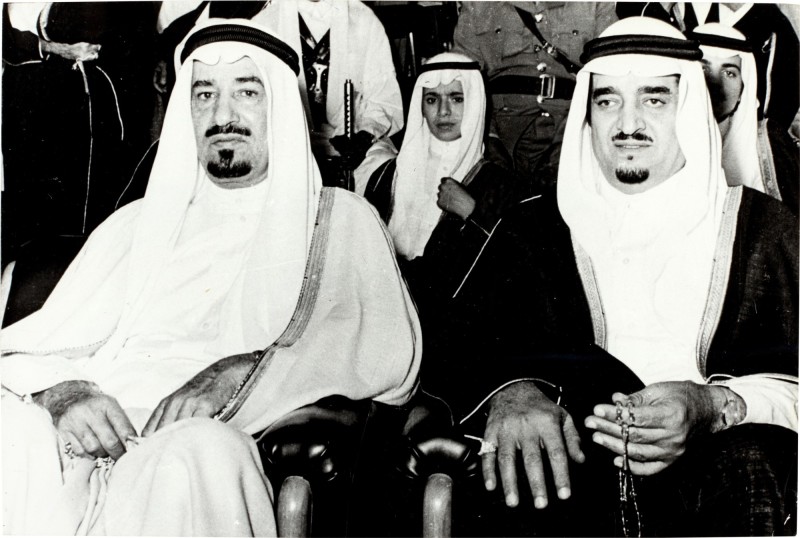
In 1986, King Fahd of Saudi Arabia officially adopted the title "Custodian of the Two Holy Mosques" (خادم الحرمين الشريفين), marking a significant moment in the modern history of Saudi Arabia and the Islamic world. This title reflects the King's role in overseeing the holy cities of Mecca and Medina, which house Islam's most sacred sites, the Masjid al-Haram (the Grand Mosque) and the Masjid an-Nabawi (the Prophet's Mosque).
Historical and Religious Significance
The title "Custodian of the Two Holy Mosques" carries deep historical and religious significance. It underscores the responsibility of the Saudi monarch to protect and maintain the two holiest sites in Islam. Mecca is the birthplace of the Prophet Muhammad and the location of the Kaaba, the qibla (direction of prayer) for Muslims around the world. Medina is the site of the Prophet's Mosque and his final resting place. Together, these cities form the spiritual heart of the Islamic faith.
King Fahd's Reign
King Fahd bin Abdulaziz Al Saud became the King of Saudi Arabia in 1982, succeeding his half-brother King Khalid. His reign was marked by significant economic and infrastructural development, bolstered by the country's vast oil wealth. However, his assumption of the title "Custodian of the Two Holy Mosques" in 1986 was one of the most symbolic acts of his kingship.
Motivations for Adopting the Title
The adoption of this title can be seen as a move to reinforce the legitimacy and religious authority of the Saudi monarchy. By emphasizing their role as guardians of Islam's holiest sites, the Saudi rulers underscore their unique position within the Muslim world. This title also reflects a commitment to ensuring the safety, security, and accessibility of these sites for pilgrims.
Enhancements and Developments
King Fahd's reign saw extensive renovations and expansions of both the Grand Mosque in Mecca and the Prophet's Mosque in Medina. These projects aimed to accommodate the increasing number of pilgrims participating in the Hajj and Umrah pilgrimages, which are central to Islamic practice. The enhancements included enlarging the prayer areas, improving infrastructure, and incorporating modern facilities to manage the massive influx of visitors each year.
Broader Implications
The adoption of the title "Custodian of the Two Holy Mosques" had broader implications for Saudi Arabia's international and domestic policies. It enhanced the Kingdom's standing within the Islamic world, reinforcing its role as a leader and a protector of Islamic heritage. This move also aligned with Saudi Arabia's efforts to project itself as a stable and pious nation, committed to the well-being of the global Muslim community.
Legacy
King Fahd's adoption of the title remains a defining aspect of his legacy. It has been continued by his successors, including the current king, Salman bin Abdulaziz Al Saud, who also carries the title. The ongoing commitment to the preservation and enhancement of the holy sites in Mecca and Medina continues to be a central element of the Saudi monarchy's identity and its relationship with the Muslim world.
#MomentsOfLife #MoofLife_Moment #MoofLife #CustodianOfTheTwoHolyMosques #KingFahd #SaudiArabia #IslamicHeritage #Mecca #Medina
View details1982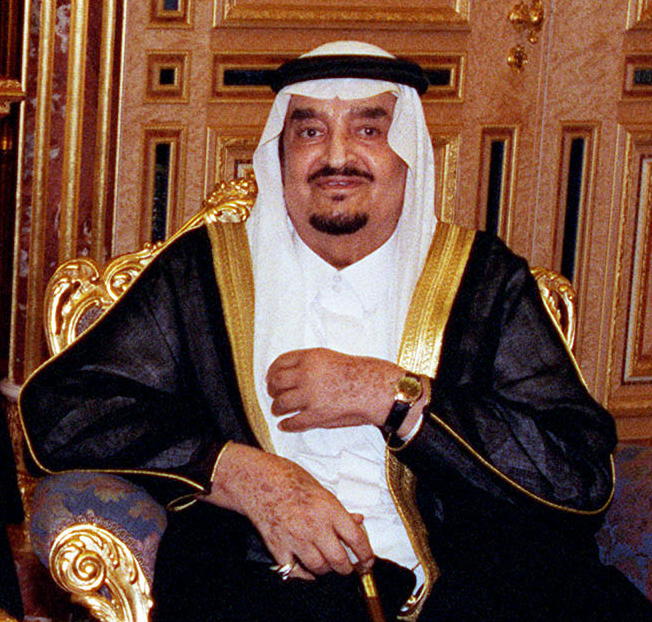
In 1982, King Fahd ascended to the throne of Saudi Arabia following the death of his brother, King Khalid. This transition in leadership marked a pivotal moment for the kingdom, as King Fahd was known for his modernization efforts and ambitious vision for the country's development.
King Fahd's accession brought about several significant changes in Saudi Arabia. He implemented economic reforms aimed at diversifying the country's oil-dependent economy, investing in infrastructure projects, and expanding the role of the private sector. Additionally, he played a key role in strengthening Saudi Arabia's position on the global stage, notably through his leadership during the Gulf War in 1990.
During his reign, King Fahd also prioritized social issues, including education and healthcare. He established numerous universities and healthcare facilities across the kingdom, contributing to improved standards of living for Saudi citizens. Moreover, he focused on maintaining stability in the region, particularly in the face of regional conflicts and geopolitical challenges.
The reign of King Fahd saw Saudi Arabia solidify its position as a key player in the Middle East, with the country playing a crucial role in regional diplomacy and energy markets. His leadership style emphasized pragmatism and consensus-building, enabling him to navigate complex political landscapes both domestically and internationally.
Overall, King Fahd's accession to the throne in 1982 marked a turning point in Saudi Arabia's history, ushering in a period of significant growth and modernization for the kingdom.
#KingFahd #SaudiArabia #Modernization #EconomicReforms #Leadership
View details1981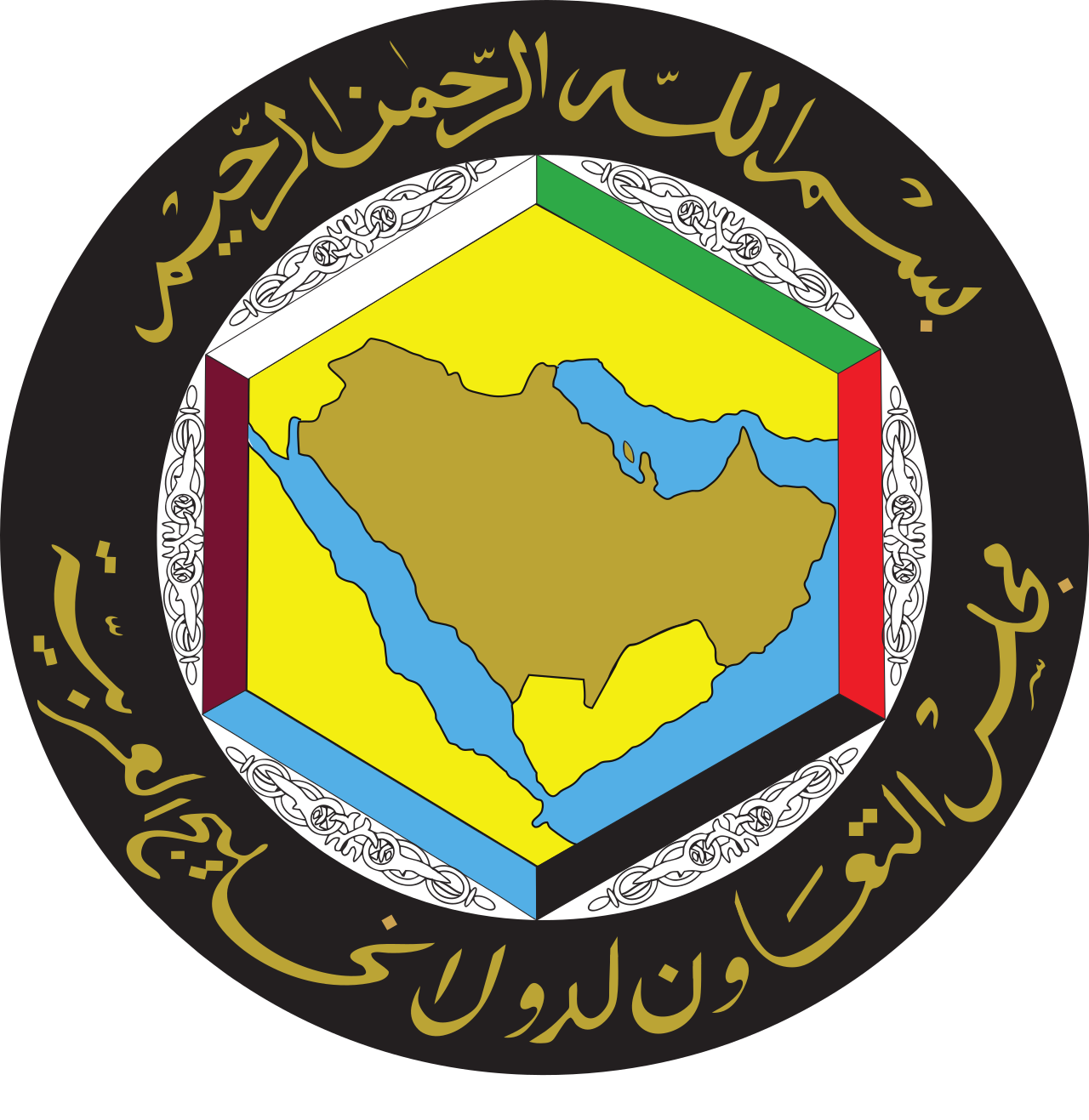
In 1981, Saudi Arabia, alongside five other countries, marked a milestone by officially launching the Gulf Cooperation Council (GCC). The founding members included Bahrain, Kuwait, Oman, Qatar, Saudi Arabia, and the United Arab Emirates, with the primary aim of promoting economic and security cooperation in the Gulf region.
The GCC was established against the backdrop of significant political and security challenges in the Middle East. The Iran-Iraq War and the Soviet invasion of Afghanistan heightened the need for greater regional unity and collaboration. By forming the GCC, Saudi Arabia and its partners sought to strengthen their collective security, enhance economic ties, and foster closer cultural and social relations.
The founding of the GCC had a profound impact on the region. It provided a platform for member states to address common challenges, such as regional security threats and economic vulnerabilities. The organization facilitated dialogue and cooperation among Gulf countries, helping to promote stability and prosperity in the region.
Over the years, the GCC has evolved to address new challenges and opportunities. The organization has expanded its focus to include issues such as energy cooperation, environmental sustainability, and social development. Saudi Arabia, as a founding member and one of the largest economies in the region, has played a key role in shaping the GCC's agenda and priorities.
The launch of the GCC with Saudi Arabia as a founding member marked a significant step towards greater unity and cooperation in the Gulf region. It laid the foundation for ongoing collaboration among member states and underscored the importance of collective action in addressing shared challenges.
#GCC #SaudiArabia #RegionalUnity #EconomicCooperation #Security #MiddleEast.
View details1979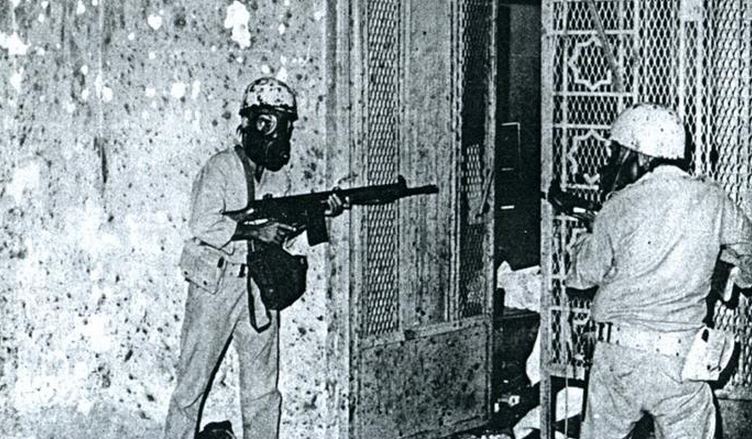
The Siege of the Grand Mosque in Mecca by extremists was a pivotal event in Saudi Arabia's history. The extremists, followers of a Saudi cleric, took over the holiest site in Islam, the Grand Mosque, for several days, demanding the overthrow of the Saudi royal family.
The extremists believed that the ruling Saudi family had lost its Islamic legitimacy and sought to establish an Islamic caliphate. The siege caused a violent confrontation between the extremists and the Saudi security forces, resulting in a high number of casualties. The Saudi government responded by calling in the military to flush out the extremists from the mosque.
The siege had a profound impact on Saudi Arabia, leading to increased security measures, including the establishment of a special force dedicated to protecting the holy sites. The incident also exposed the vulnerability of the Saudi government to internal threats and led to a reevaluation of its policies towards religious extremism.
The Siege of the Grand Mosque in Mecca by extremists underscored the challenges of balancing religious traditions with modern governance. It served as a wake-up call for the Saudi government to address the roots of extremism and strengthen its security apparatus. The event remains a somber reminder of the potential for extremism to disrupt the social fabric of the kingdom.
#Mecca #GrandMosque #Extremism #SaudiArabia
View details1975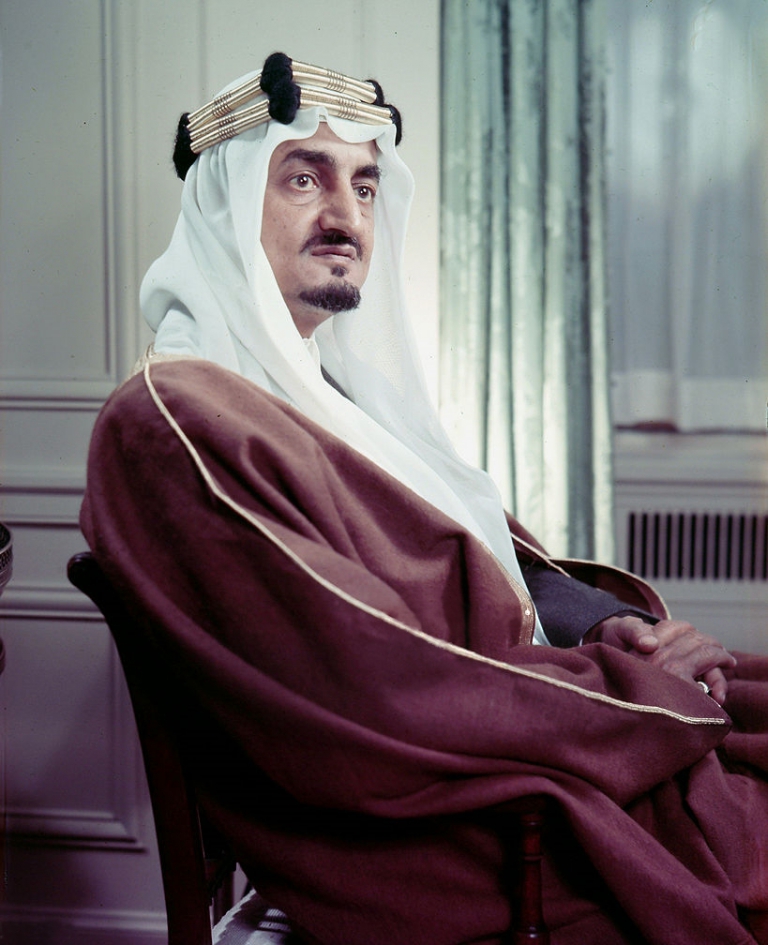
King Faisal of Saudi Arabia met an untimely end at the hands of his nephew, Faisal bin Musaid. The assassination shocked the nation and the world, as King Faisal was known for his modernization efforts and strong leadership. His death paved the way for his brother, Khalid, to assume the throne.
The motive behind the assassination was speculated to be rooted in the perpetrator's mental instability, rather than political or personal vendettas. Faisal bin Musaid was declared mentally ill after the assassination and was subsequently executed for his crime. King Faisal's death marked a tragic loss for Saudi Arabia, as he had been a key figure in the country's modernization and economic development.
Despite the abrupt transition of power, King Khalid took over the reins of the kingdom and continued many of King Faisal's initiatives. During his reign, King Khalid focused on maintaining stability and furthering economic growth in Saudi Arabia. He pursued policies that promoted social welfare and education, ensuring the prosperity of the nation.
The assassination of King Faisal and the ascension of King Khalid had a lasting impact on Saudi Arabia's history. It underscored the vulnerability of even the most powerful leaders and highlighted the importance of succession planning in the monarchy. The event served as a reminder of the challenges and risks associated with leadership in the volatile region.
The kingdom mourned the loss of King Faisal but found solace in the capable hands of King Khalid, who guided Saudi Arabia through a period of stability and growth. Their legacies live on in the modernization and development of the kingdom, shaping its future trajectory.
#SaudiArabia #Assassination #Succession #Monarchy
View details1973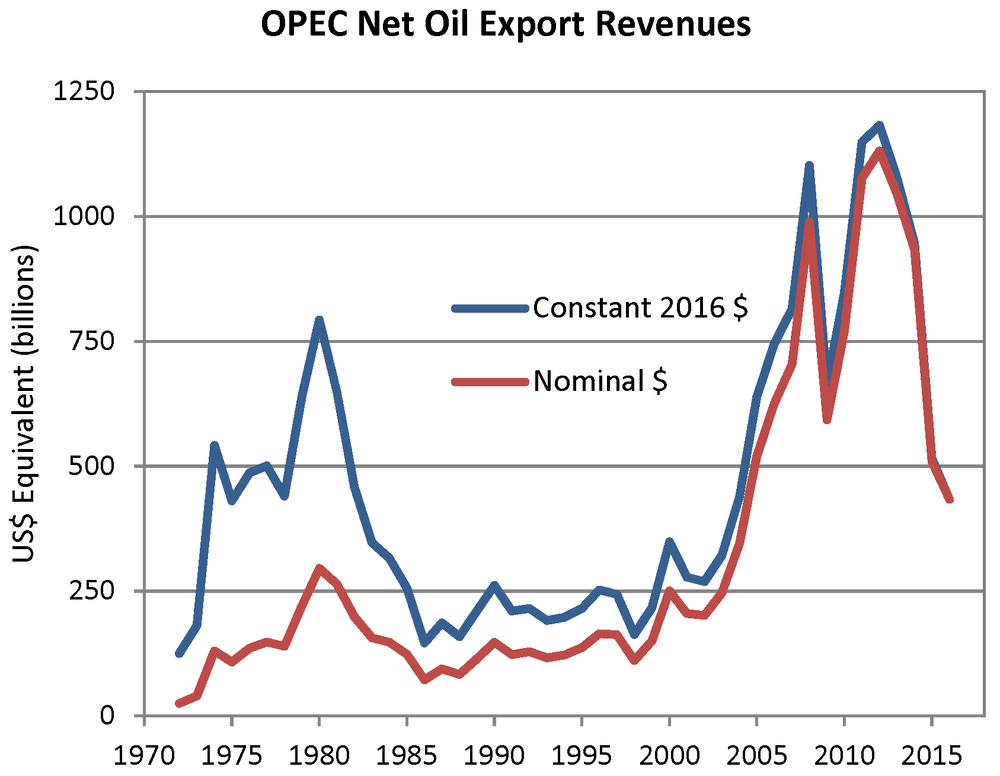
In the early 1970s, tensions in the Middle East escalated due to the Arab-Israeli conflict. In response to Western support for Israel, the Organization of the Petroleum Exporting Countries (OPEC), led by Saudi Arabia, implemented an oil embargo against nations seen as supporting Israel. This move had significant repercussions on the global economy.
The oil crisis began when OPEC announced a 5% production cut, followed by an embargo on oil exports to the United States, the Netherlands, Portugal, and South Africa. The sudden reduction in oil availability led to a sharp increase in oil prices, causing a ripple effect across industries worldwide. Countries heavily reliant on oil imports faced fuel shortages, soaring energy costs, and inflation. The crisis exposed the vulnerability of nations depending on foreign oil and underscored the influence of oil-producing countries.
The oil embargo by OPEC, spearheaded by Saudi Arabia, marked a shift in the balance of power in the international arena. It demonstrated the ability of oil-rich nations to wield influence through a strategic resource like oil. The crisis also prompted Western nations to reassess their energy policies and reduce dependence on foreign oil.
Ultimately, the 1973 oil crisis and the subsequent embargo by OPEC, including Saudi Arabia, highlighted the interplay between geopolitics and the global economy. It served as a wake-up call for countries to diversify their energy sources and prioritize energy security. The legacy of the crisis resonates in ongoing efforts to reduce reliance on fossil fuels and transition towards sustainable energy solutions.
#OPEC #SaudiArabia #OilCrisis #Geopolitics #EnergySecurity #GlobalEconomy
View details1964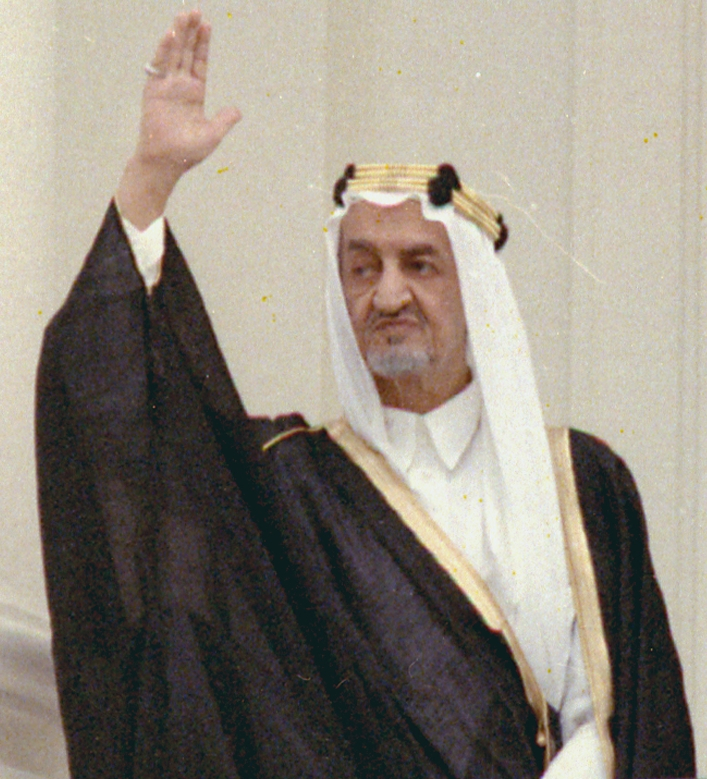
In 1964, King Faisal ascended to the throne of Saudi Arabia, following the passing of his brother, King Saud. King Faisal was known for his modernization efforts and diplomatic skills, having previously served as the foreign minister.
His reign marked a significant period of transformation for Saudi Arabia, characterized by social and economic reforms. King Faisal implemented various policies to improve education, healthcare, and infrastructure, aiming to modernize the country while preserving its traditional values.
Internationally, King Faisal played a key role in strengthening Saudi Arabia's relationships with other nations, particularly with Western powers. He was instrumental in the formation of OPEC and used his influence to advocate for Arab interests on the global stage.
Under King Faisal's leadership, Saudi Arabia experienced rapid development and growth, solidifying its position as a major player in the Middle East and beyond. His focus on economic diversification and social progress laid the foundation for the country's future prosperity.
Overall, King Faisal's ascension to the throne in 1964 marked a crucial moment in Saudi Arabia's history, shaping the country's trajectory for years to come. His legacy as a reformer and statesman continues to be revered both at home and abroad.
#KingFaisal #SaudiArabia #Modernization #Diplomacy #Reform #OPEC #Legacy
View details1960
In 1960, the Organization of the Petroleum Exporting Countries (OPEC) was formed with Saudi Arabia as a founding member. OPEC was established by five major oil-producing countries to coordinate and unify petroleum policies to ensure fair and stable prices in the global oil market.
Saudi Arabia, as one of the world's largest oil producers, played a crucial role in the formation of OPEC. The country's vast oil reserves gave it significant influence within the organization, allowing it to shape decisions and policies that would impact the global oil industry.
The formation of OPEC marked a significant shift in the oil market dynamics. By coming together, oil-producing countries sought to assert more control over their valuable natural resources and reduce the influence of foreign oil companies. OPEC's establishment signaled a new era of cooperation among oil-producing nations, with the aim of maximizing profits and ensuring a steady income from oil exports.
Saudi Arabia's involvement in OPEC has had far-reaching consequences for the global economy. As a key player in the organization, Saudi Arabia has been instrumental in setting production quotas and pricing strategies that have influenced oil prices worldwide. The country's influence within OPEC has allowed it to shape energy policies and navigate geopolitical challenges related to oil production and distribution.
The formation of OPEC with Saudi Arabia as a founding member underscores the strategic importance of oil-producing nations in shaping the global energy landscape. The organization's efforts to maintain stability in the oil market have had a lasting impact on economies, industries, and geopolitics around the world.
#OPEC #SaudiArabia #OilIndustry #GlobalEconomy #EnergyPolicies
View details1938
In Dhahran, the discovery of oil in commercial quantities revolutionized Saudi Arabia's economy and global standing. The prospecting team, led by geologists, unearthed vast oil reserves beneath the desert sands, sparking euphoria within the nation and fueling rapid development. This pivotal event marked a turning point in Saudi history, propelling the country into a prominent position among oil-producing nations.
The impact of the oil discovery in Dhahran was immediate and profound. It attracted foreign investments and expertise, transforming the region into an oil-rich powerhouse. The newfound resource became a cornerstone of the Saudi economy, providing unprecedented wealth and opportunities for growth and modernization. The once modest town of Dhahran rapidly developed into a bustling hub of industry and commerce, attracting a diverse workforce from around the world.
As oil production expanded, so did Saudi Arabia's influence on the global stage. The Kingdom emerged as a key player in the international oil market, shaping geopolitical dynamics and establishing itself as a vital ally to many nations. The revenue generated from oil exports fueled ambitious infrastructure projects, social programs, and technological advancements, propelling Saudi Arabia's progress into the modern era.
The discovery of oil in commercial quantities in Dhahran epitomized Saudi Arabia's transformation from a desert nation to a modern economic powerhouse. The event represented a seismic shift that reshaped the country's destiny and positioned it as a dominant player in the global energy landscape. The legacy of this momentous discovery continues to shape Saudi Arabia's economy, society, and global standing to this day.
#OilDiscovery #Dhahran #SaudiArabia #EconomicTransformation #GlobalInfluence
View details1933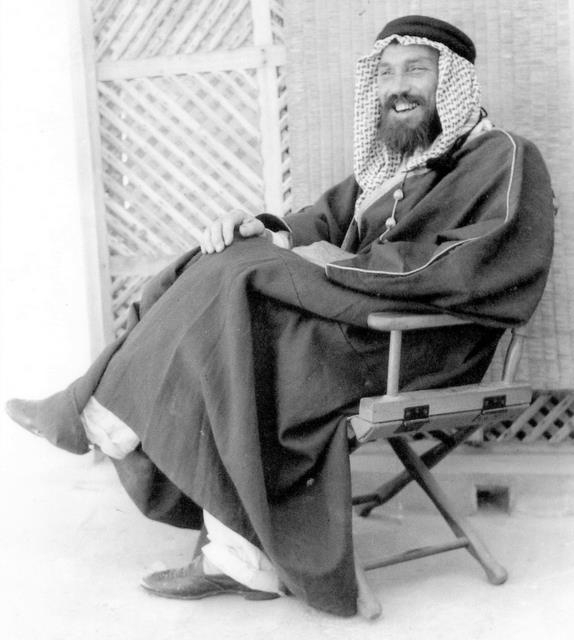
In 1933, a landmark agreement was reached between Saudi Arabia and a group of American geologists to commence oil exploration in the kingdom. This agreement marked the beginning of a pivotal era for the Saudi economy and the global oil industry.
The discovery of oil in commercial quantities had the potential to transform Saudi Arabia from a relatively poor country dependent on agriculture and pilgrimage revenue into one of the wealthiest nations in the world. The agreement with American geologists represented a strategic move by Saudi Arabia to capitalize on its vast oil reserves and leverage them for economic development.
The collaboration with American experts brought advanced technology and expertise to the oil exploration efforts in Saudi Arabia, enabling the kingdom to tap into its oil reserves more efficiently. This partnership laid the foundation for the establishment of the Arabian American Oil Company (Aramco) in the following years, solidifying the presence of American companies in the Saudi oil industry.
The impact of this agreement was far-reaching, not only for Saudi Arabia but also for the global oil market. Saudi Arabia emerged as a key player in the international oil trade, influencing global oil prices and geopolitics. The influx of oil revenue transformed Saudi society, leading to rapid modernization and infrastructure development across the kingdom.
The agreement signed with American geologists to start oil exploration in Saudi Arabia was a turning point in the nation's history, setting the stage for its emergence as a major player in the global oil industry. The partnership with American experts paved the way for the development of the Saudi oil sector and laid the groundwork for the kingdom's economic prosperity.
#SaudiArabia #OilExploration #EconomicDevelopment #GlobalImpact
View detailsThe Arabian American Oil Company, known as Saudi Aramco, was established in Saudi Arabia. This marked a pivotal moment in the country's history, as it solidified Saudi Arabia's position in the global oil market. The company was formed as a partnership between the Saudi government and American oil companies, with the primary goal of overseeing the exploration, production, and distribution of oil in the region.
The establishment of Saudi Aramco had a profound impact on the Saudi economy, transforming it from a predominantly agrarian society to one of the world's leading oil producers. The revenue generated from oil production allowed the country to invest in infrastructure, education, and healthcare, leading to significant advancements in the standard of living for its citizens. Moreover, Saudi Aramco played a crucial role in shaping the geopolitical landscape of the Middle East, as the company's oil reserves made Saudi Arabia a key player in international politics.
Over the years, Saudi Aramco has grown to become the world's largest oil company, with vast reserves and a global presence. The company's success has not only benefited Saudi Arabia but has also had a far-reaching impact on the global oil industry. Saudi Aramco's strategic partnerships and innovative technology have set the standard for oil production worldwide, solidifying its position as a leader in the energy sector.
The establishment of Saudi Aramco remains a defining moment in Saudi Arabia's history, showcasing the country's ability to leverage its natural resources for economic growth and development. The company's continued success underscores the importance of strategic partnerships and investment in technology for sustainable growth in the energy sector. #SaudiAramco #OilIndustry #EconomicDevelopment #GlobalImpact
View details
1932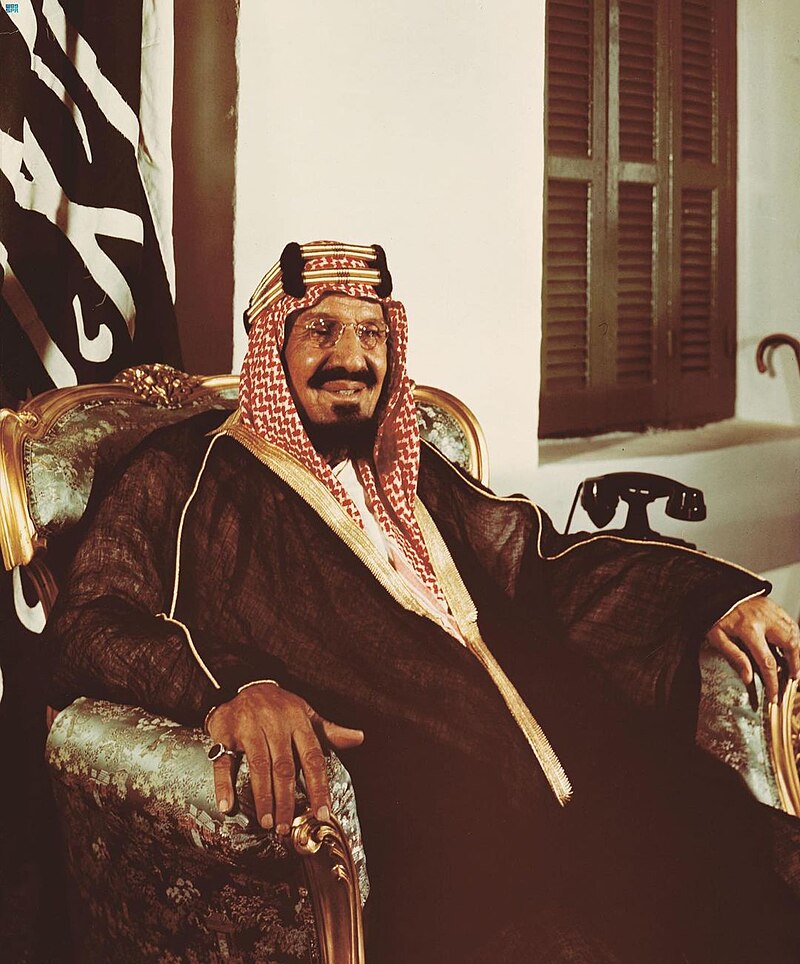
Abdulaziz Ibn Saud, a formidable leader, succeeded in capturing Riyadh, marking a pivotal moment in the formation of the Kingdom of Saudi Arabia. Following years of strategic alliances and conquests, Ibn Saud's vision of unifying the Arabian Peninsula under one rule was coming to fruition.
With the establishment of the Kingdom, Ibn Saud implemented various reforms to modernize and stabilize the region. His leadership brought a sense of unity among the tribes, fostering a newfound strength and identity for the people of Saudi Arabia.
The impact of the establishment of the Kingdom of Saudi Arabia was profound both domestically and internationally. Domestically, it brought stability, governance, and the rule of law, laying the foundation for a prosperous future. Internationally, it positioned Saudi Arabia as a key player in the Middle East, with significant influence in regional politics and economics.
The capturing of Riyadh by Ibn Saud was a culmination of years of struggle and perseverance. It marked a new chapter in the history of the Arabian Peninsula, shaping the destiny of the Saudi people for generations to come.
#AbdulazizIbnSaud #KingdomofSaudiArabia #RiyadhCaptured
View details