Saudi Arabia

A Land of Heritage and Innovation
Related Lives

World War I
The Great War

Serbia
The Heart of the Balkans

Philippines
Pearl of the Orient Seas

History of Quantam computing
Whispers of the Quantum Realm

Mexico
The Land of the Maya

Japan
The Land of the Rising Sun

Ireland
The Emerald Isle

Honduras
Heart of Central America

1928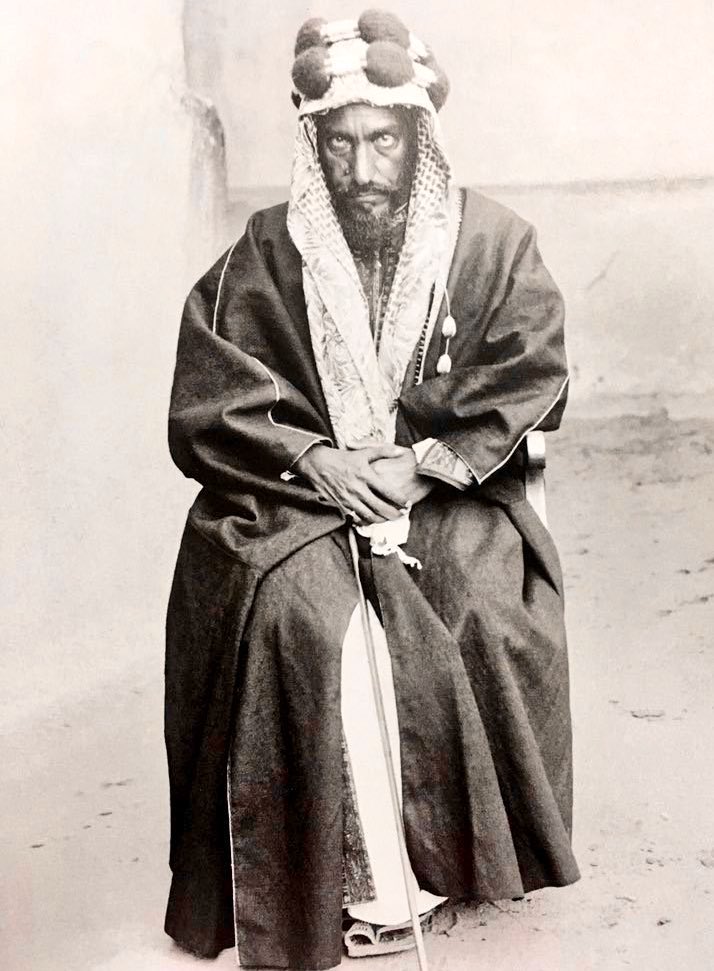
Emir Abdul Rahman bin Faisal, a prominent figure in the history of Saudi Arabia, passed away in 1928. He was known for his leadership and contributions to the political landscape of the region. Emir Abdul Rahman bin Faisal belonged to the powerful House of Saud, which played a crucial role in shaping the Kingdom of Saudi Arabia.
His death had a significant impact on the political and social dynamics of the time. As a respected leader, his absence created a power vacuum that led to a period of uncertainty and instability. The succession process following his death was a turning point for the House of Saud, as it marked a transition in leadership and tested the unity of the ruling family.
Emir Abdul Rahman bin Faisal's legacy lived on through his descendants, who continued to play influential roles in Saudi Arabian politics. His death marked the end of an era but also laid the foundation for future leaders to emerge and guide the Kingdom through its continued development and growth.
#EmirAbdulRahmanbinFaisal #HouseofSaud #SaudiArabia #Legacy
View details1926
Following the collapse of the Ottoman Empire, Ibn Saud emerged as a formidable leader in the Arabian Peninsula. He swiftly consolidated his power, eventually taking control of Najd and Hijaz, which encompassed the holy cities of Mecca and Medina.
Ibn Saud's rise to power was marked by strategic alliances and military conquests, as he sought to unify the fragmented regions under his rule. His leadership was characterized by religious zeal and a vision of establishing a strong Islamic state. By gaining control of Najd and Hijaz, he solidified his authority over the heartland of Islam and positioned himself as the custodian of its holiest sites.
The impact of Ibn Saud's takeover of Najd and Hijaz was profound. It marked the beginning of the modern Saudi state and laid the foundation for the establishment of a unified kingdom. With Mecca and Medina under his control, Ibn Saud became the de facto leader of the Muslim world, wielding significant influence over religious affairs.
The unification of Najd and Hijaz under Ibn Saud's rule also had geopolitical implications, as it solidified Saudi Arabia's position as a key player in the region. The newfound stability and cohesion within the kingdom enabled it to assert itself on the global stage and shape regional dynamics.
In conclusion, Ibn Saud's conquest of Najd and Hijaz, including the holy cities of Mecca and Medina, was a pivotal moment in the history of Saudi Arabia. It not only established him as a dominant force in the Arabian Peninsula but also positioned the kingdom as a central player in the Islamic world.
#IbnSaud #NajdandHijaz #MeccaandMedina #SaudiArabia #ArabianPeninsula #IslamicHistory
View details1925
During the capture of Jeddah, a crucial event in the unification of the Kingdom of Saudi Arabia unfolded. This pivotal moment in history marked the expansion of the Saudi forces led by King Abdulaziz Al Saud. Jeddah, a vital port city on the Red Sea coast, was a strategic location in the unification process due to its economic significance and influence in the region.
The successful capture of Jeddah proved to be a turning point in the campaign to unify the disparate regions of the Arabian Peninsula. It solidified the authority of King Abdulaziz Al Saud over the western part of the country, as well as enhanced his reputation as a skilled leader and military strategist. The conquest of Jeddah enabled the Kingdom to establish control over key trade routes and economic resources, further strengthening its position in the Arabian Peninsula.
The unification of the Kingdom of Saudi Arabia after capturing Jeddah brought about a sense of stability and cohesion to a region that had long been characterized by division and conflict. It paved the way for the establishment of a centralized government and the implementation of reforms aimed at modernizing the country. The capture of Jeddah also helped to consolidate the support of various tribal groups and factions under the leadership of King Abdulaziz Al Saud, fostering a sense of national identity and unity among the Saudi people.
Overall, the capture of Jeddah was a crucial milestone in the unification of the Kingdom of Saudi Arabia, marking the culmination of years of strategic planning and military campaigns. It laid the foundation for the modern Saudi state and set the stage for the social, political, and economic transformations that would follow in the years to come.
#SaudiArabia #Unification #JeddahCapture #KingAbdulaziz
View details1912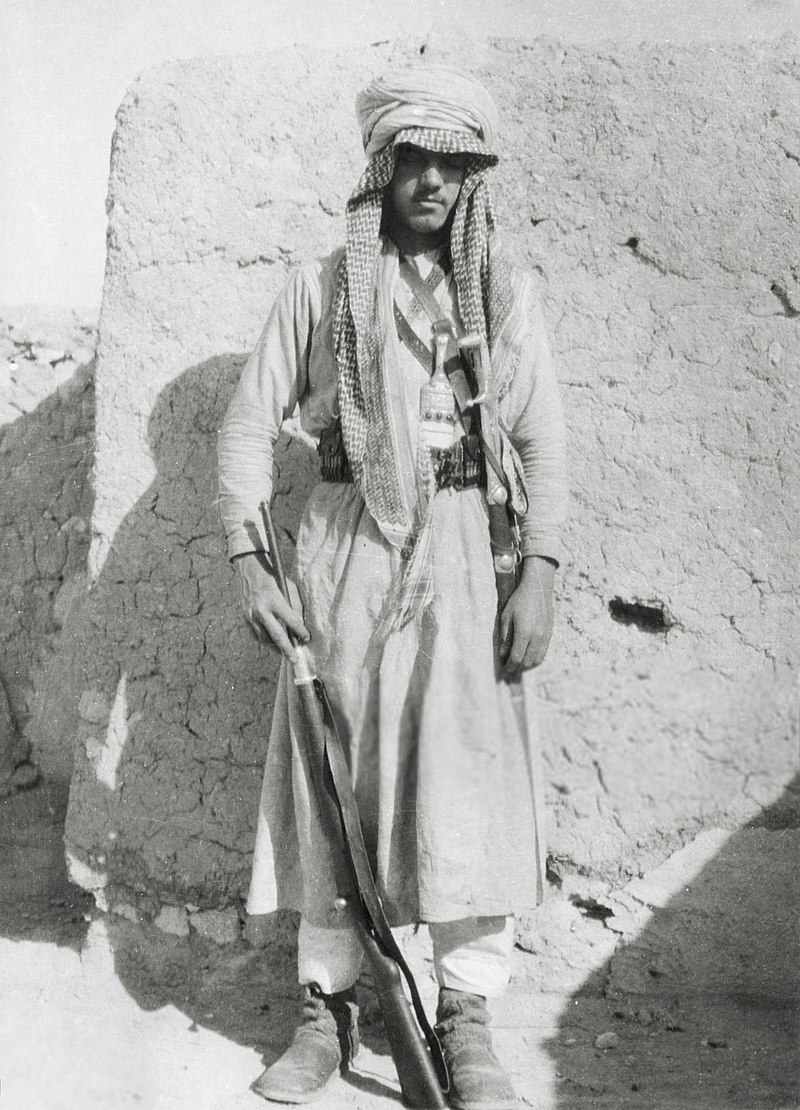
In 1912, the Ikhwan, also known as the Brotherhood, was established on the principles of Wahhabi Sunni Islam, embodying strict adherence to its teachings. This movement played a crucial role in supporting Ibn Saud's efforts to unify the Arabian Peninsula under his rule. The Ikhwan members were fervent believers in the Wahhabi interpretation of Islam, advocating for its purity and the eradication of what they deemed as impurities within the faith.
The Brotherhood's formation brought about a powerful force that aligned with Ibn Saud's ambitions, providing him with dedicated followers who were willing to fight for the expansion of his territories. The Ikhwan became instrumental in Ibn Saud's military campaigns, exhibiting exceptional bravery and unwavering loyalty on the battlefield. Their zeal and combat prowess were pivotal in ensuring Ibn Saud's victories and consolidating his control over vast regions.
The Ikhwan's unwavering commitment to Wahhabism and their fierce dedication to Ibn Saud's cause had a significant impact on the landscape of the Arabian Peninsula. Their military campaigns expanded Ibn Saud's influence and laid the foundation for the eventual establishment of the Kingdom of Saudi Arabia. The Ikhwan's fervor and disciplined approach to warfare contributed greatly to the success of Ibn Saud's campaigns, enabling him to overcome formidable foes and solidify his grip on power.
The founding of the Ikhwan based on strict Wahhabi Sunni Islam and its unwavering support for Ibn Saud underscored the symbiotic relationship between religious zeal and political ambition in shaping the history of Saudi Arabia. The Brotherhood's pivotal role in advancing Ibn Saud's agenda marked a crucial turning point in the region's trajectory, setting the stage for the emergence of a new era under a unified Saudi state.
#SaudiArabia #IkhwanBrotherhood #WahhabiIslam #IbnSaud #ArabianPeninsula #Unity
View details1902
Abdulaziz Ibn Saud, leading the Saudi forces, successfully recaptured Riyadh, establishing the Third Saudi State. This marked a significant turning point in the history of the Arabian Peninsula, reinstating the Al Saud family's control over the region.
Following strategic battles and alliances, Abdulaziz Ibn Saud began his campaign to reclaim Riyadh, a pivotal city for the Arabian tribes. With unwavering determination and effective military tactics, he managed to overcome opposition forces, eventually securing his rule over the city. This victory not only solidified his authority but also set the stage for the unification of various tribes under the banner of the newly formed Saudi state.
The recapture of Riyadh by Abdulaziz Ibn Saud had a profound impact on the political landscape of the Arabian Peninsula. It laid the foundation for the establishment of the modern Kingdom of Saudi Arabia and marked the beginning of a new era characterized by stability and unity. The consolidation of power in Riyadh allowed Abdulaziz Ibn Saud to gradually expand his influence and conquer neighboring territories, ultimately leading to the formation of a centralized government.
The event also had broader implications for the region, as the emergence of the Third Saudi State introduced a new player in the geopolitical dynamics of the Middle East. The establishment of a stable and organized state under the leadership of Abdulaziz Ibn Saud contributed to the overall stability of the region and reshaped alliances and power structures.
In conclusion, the recapture of Riyadh by Abdulaziz Ibn Saud was a pivotal moment in the history of Saudi Arabia, signaling the beginning of a new chapter of unity, stability, and prosperity in the region. #AbdulazizIbnSaud #SaudiArabia #Riyadh #ArabianPeninsula #Unity #Stability
View details1880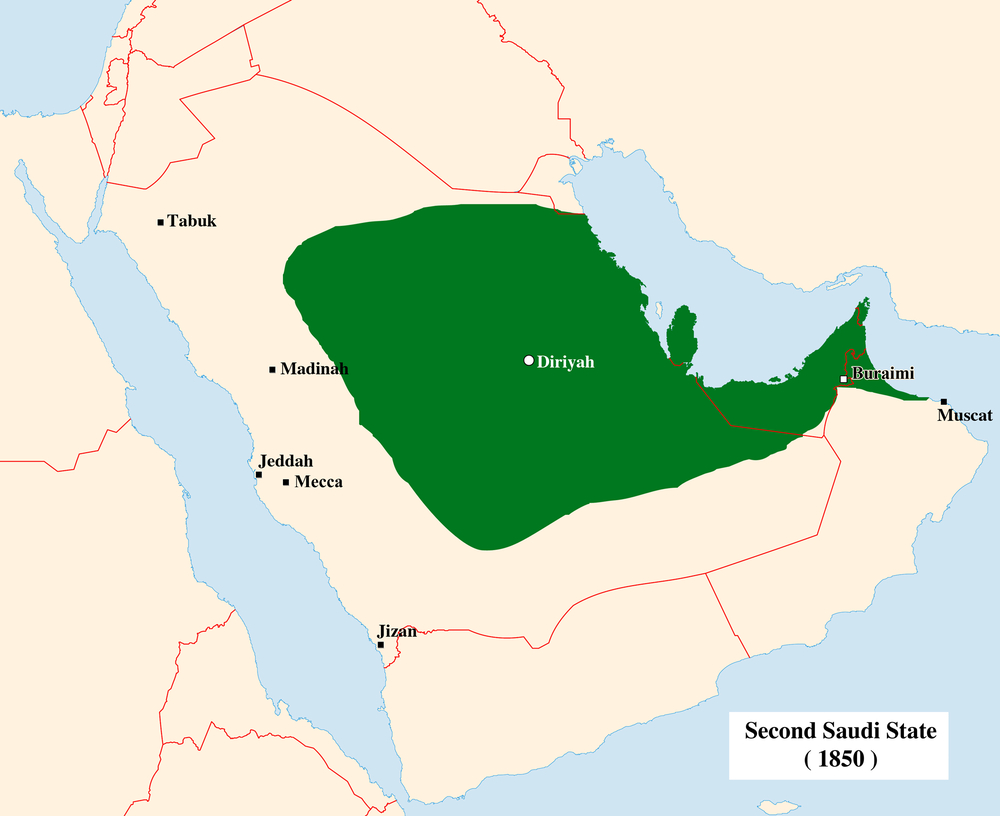
In 1880, the Second Saudi State saw a significant expansion of its territory. The Second Saudi State, led by Emir Abdul Rahman ibn Faisal, sought to consolidate its power and control over the Arabian Peninsula. This expansion was a strategic move to strengthen the state's position amidst regional rivalries and conflicts.
The expansion of the Second Saudi State's territory had a profound impact on the geopolitical landscape of the Arabian Peninsula. It solidified the state's dominance in the central region, allowing it to assert its authority over key trade routes and strategic territories. This expansion also marked the Second Saudi State as a formidable force to be reckoned with, establishing its presence as a major player in the region.
Moreover, the increased territory meant a larger population came under the rule of the Second Saudi State. This brought about changes in governance, trade, and cultural exchange within the newly acquired regions. The expansion also enabled the state to leverage available resources more effectively, contributing to its economic growth and overall stability.
Overall, the expansion of the Second Saudi State's territory in 1880 was a pivotal moment in the state's history. It not only strengthened the state's position regionally but also laid the groundwork for its continued growth and influence in the years to come. The strategic move to expand its territory proved to be a defining factor in the Second Saudi State's quest for power and dominance in the Arabian Peninsula.
#SecondSaudiState #TerritorialExpansion #ArabianPeninsula #EmirAbdulRahmanIbnFaisal
View details1871
Abdul Rahman bin Faisal, the eldest son of the founder of the third Saudi state, King Faisal, led the conquest of Riyadh. This event marked a significant shift in power dynamics within the region. Abdul Rahman's forces successfully overtook the city from the rival Al Rashid clan, consolidating control over the central Arabian Peninsula.
The conquest of Riyadh by Abdul Rahman bin Faisal was a strategic move that not only solidified his family's authority but also established a new era of stability and governance in the region. The victory allowed the Al Saud family to exert greater control over key trade routes and resources, enhancing their influence and standing among neighboring tribes.
Following the conquest, Abdul Rahman implemented various reforms to strengthen the newly acquired territory's administration and economy. This included the establishment of a centralized government, the construction of key infrastructure, and the implementation of fair taxation policies. These efforts laid the foundation for Riyadh's transformation into a thriving urban center.
The conquest of Riyadh by Abdul Rahman bin Faisal played a crucial role in shaping the future trajectory of Saudi Arabia. The event marked the beginning of the Al Saud family's ascendancy to power, paving the way for the eventual unification of the Arabian Peninsula under their rule. The conquest also solidified Riyadh's position as the political and cultural capital of the emerging Saudi state, a status it maintains to this day.
#AbdulRahmanbinFaisal #ConquestofRiyadh #AlSaud #SaudiArabia #HistoricEvent
View details1865
Emir Faisal bin Turki, a skilled and ambitious leader, rose to power in 1865, establishing the Second Saudi State in Saudi Arabia. This momentous event had a profound impact on the region, marking a significant shift in governance and shaping the course of Saudi history.
The establishment of the Second Saudi State came after a period of turmoil and fragmentation in the Arabian Peninsula. Emir Faisal bin Turki seized the opportunity to unite various tribes under his leadership, consolidating power and establishing a stable government. His strategic alliances and military prowess were instrumental in securing the nascent state against external threats and internal challenges.
Under Emir Faisal's rule, the Second Saudi State experienced a period of relative peace and prosperity. The region benefited from improved governance, infrastructure development, and trade opportunities. Emir Faisal's administration implemented reforms to strengthen the economy and ensure the well-being of his subjects, earning him widespread support and loyalty.
Emir Faisal bin Turki's leadership laid the foundation for the modern state of Saudi Arabia, setting a precedent for strong and centralized governance in the region. His legacy continues to be celebrated as a pivotal moment in Saudi history, highlighting the resilience and vision of the Saudi people.
#EmirFaisalbinTurki #SecondSaudiState #SaudiArabiaHistory #UnityandStability #LegacyofLeadership
View details1824
Turki bin Abdullah bin Muhammad established the Second Saudi State in 1824, following a period of unrest and power struggles in the Arabian Peninsula. Turki, a skilled military leader and diplomat, sought to unite various tribes under the banner of Wahhabism, a strict interpretation of Sunni Islam. This religious ideology served as the foundation for the new state, providing a sense of identity and purpose for its followers.
Under Turki's leadership, the Second Saudi State expanded its territory and influence, challenging the political and religious authority of the Ottoman Empire and local rival factions. Turki's strategic alliances with neighboring tribes and his effective governance helped stabilize the region, attracting merchants and settlers to the newly formed state. The economy thrived due to increased trade and agriculture, further solidifying Turki's power base.
The establishment of the Second Saudi State had a lasting impact on the Arabian Peninsula, shaping the socio-political landscape for years to come. Turki's descendants continued to rule the region, furthering the influence of Wahhabism and establishing Saudi Arabia as a prominent player in the Middle East. The legacy of Turki's leadership and the Second Saudi State is evident in the continued dominance of Wahhabism in Saudi society and politics.
#TurkiBinAbdullah #SecondSaudiState #Wahhabism #ArabianPeninsula #SocioPoliticalImpact
View details1819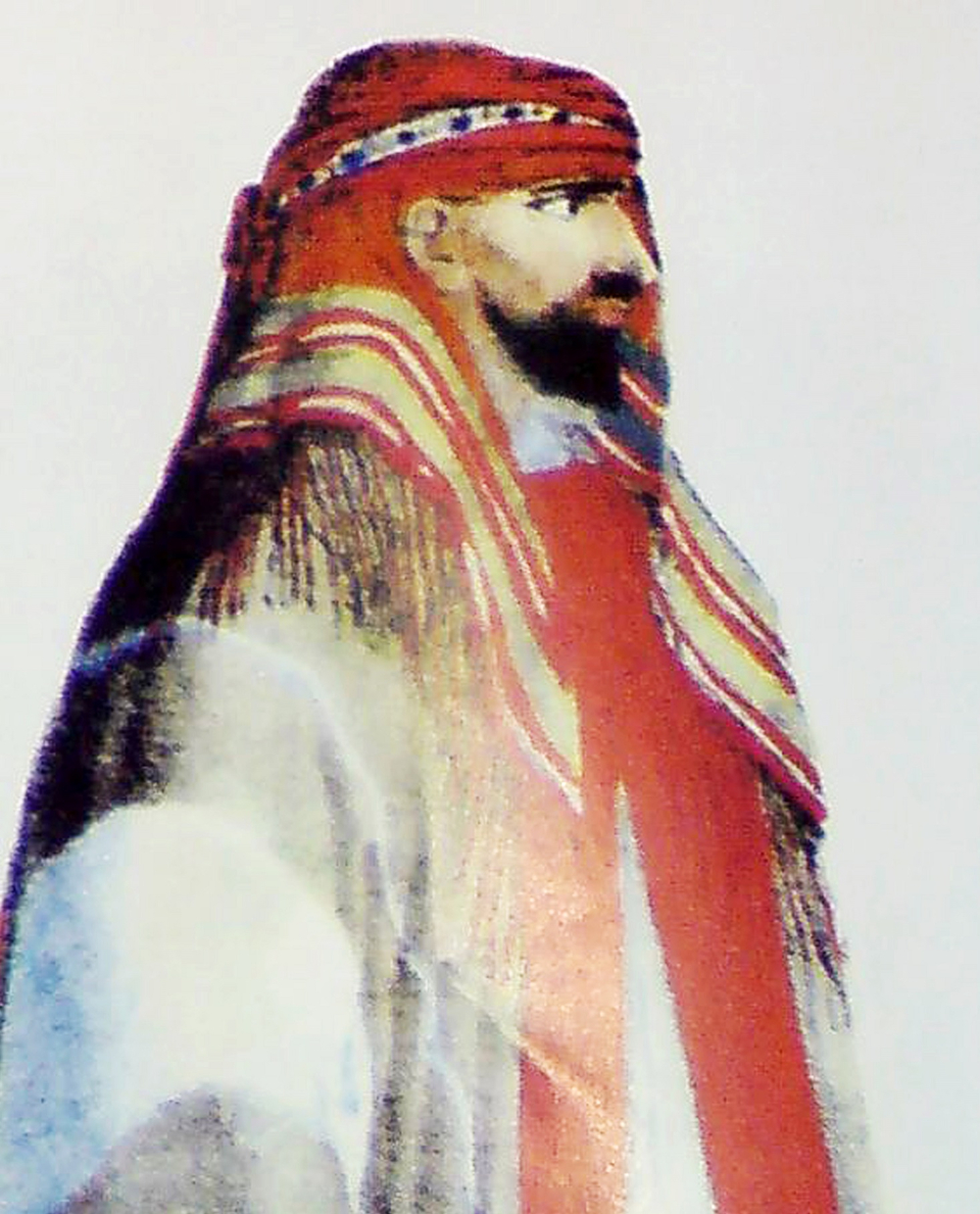
Abdullah bin Saud, a descendent of the first Saudi state's founder, established the Second Saudi State in 1819. This marked the resurgence of the Al Saud family in the Arabian Peninsula after their initial defeat by the Ottomans. Abdullah bin Saud allied with the religious leader Muhammad ibn Abd al-Wahhab, forming a powerful union that aimed to purify Islam and establish strict religious practices in the region.
The Second Saudi State gained momentum and expanded its territory, posing a threat to the Ottoman Empire's control over the Arabian Peninsula. This eventually led to conflicts between the Ottomans and the Saudi forces, with several battles fought for control of the region. Despite facing initial setbacks, Abdullah bin Saud's military acumen and strategic alliances allowed the Second Saudi State to challenge the Ottoman dominance successfully.
The establishment of the Second Saudi State had a significant impact on the political and religious landscape of the Arabian Peninsula. It led to the consolidation of power by the Al Saud family and the spread of Wahhabism, a conservative form of Islam, across the region. The alliance between the Al Saud family and the Wahhabi religious leaders laid the foundation for the future development of Saudi Arabia as a nation deeply rooted in Islamic principles.
Overall, Abdullah bin Saud's establishment of the Second Saudi State in 1819 marked a crucial turning point in the history of the Arabian Peninsula. The rise of the Al Saud family and the influence of Wahhabism shaped the socio-political dynamics of the region for years to come, laying the groundwork for the modern nation of Saudi Arabia.
#AbdullahBinSaud #SecondSaudiState #AlSaud #Wahhabism #ArabianPeninsula
View detailsAbdullah bin Saud, the founder of the Second Saudi State, met his demise in the early 19th century. He was a key figure in the Wahhabi movement, advocating for a puritanical form of Islam. Under his leadership, the Second Saudi State gained momentum and expanded its influence across the Arabian Peninsula.
However, Abdullah's aggressive expansionist policies drew the attention of the Ottoman Empire, which saw the rising power of the Second Saudi State as a threat to its own interests in the region. In response, the Ottomans launched a military campaign against Abdullah and his forces. After a series of battles, Abdullah was captured and subsequently executed.
The death of Abdullah bin Saud had a significant impact on the political landscape of the Arabian Peninsula. With his demise, the leadership of the Second Saudi State was thrown into disarray, leading to a power vacuum that invited further intervention from external powers. The Ottoman Empire took advantage of the situation and moved to dismantle the Second Saudi State, bringing an end to Abdullah's ambitions of creating a Wahhabi caliphate in the region.
Despite his death, Abdullah bin Saud's legacy lived on through the continued influence of the Wahhabi movement in the Arabian Peninsula. The ideology he propagated continued to shape the religious and political landscape of the region for years to come, leaving a lasting impact on the development of Saudi Arabia as a nation.
The death of Abdullah bin Saud marked a turning point in the history of the Arabian Peninsula, highlighting the complexities of power dynamics and external interventions in the region. It serves as a reminder of the enduring influence of religious movements in shaping the political landscape of Saudi Arabia and the broader Middle East. #AbdullahbinSaud #SecondSaudiState #WahhabiMovement
View details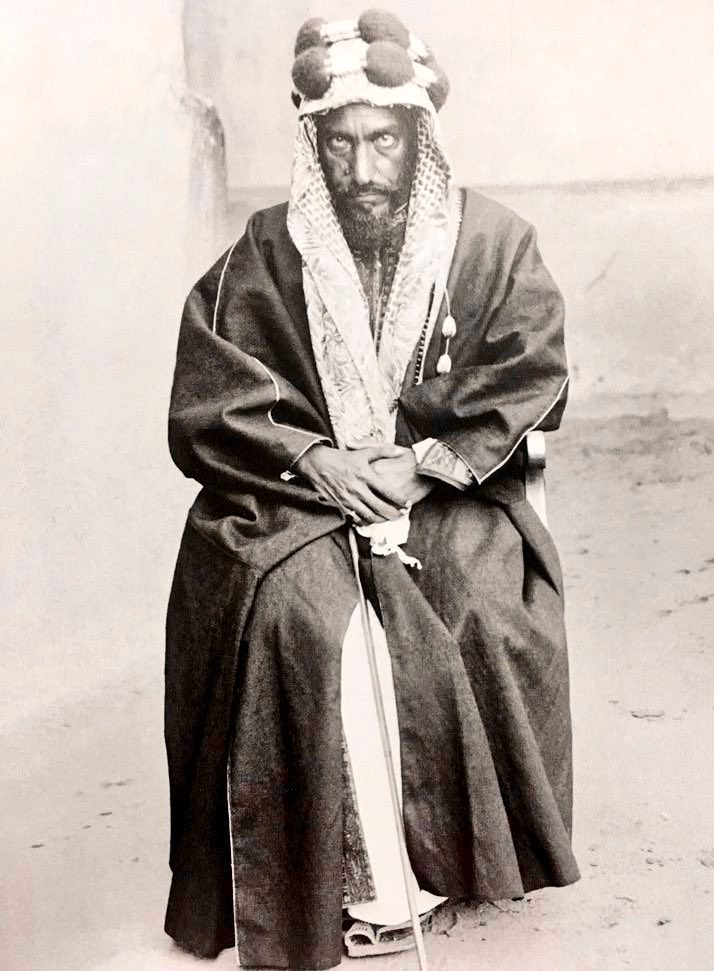
1818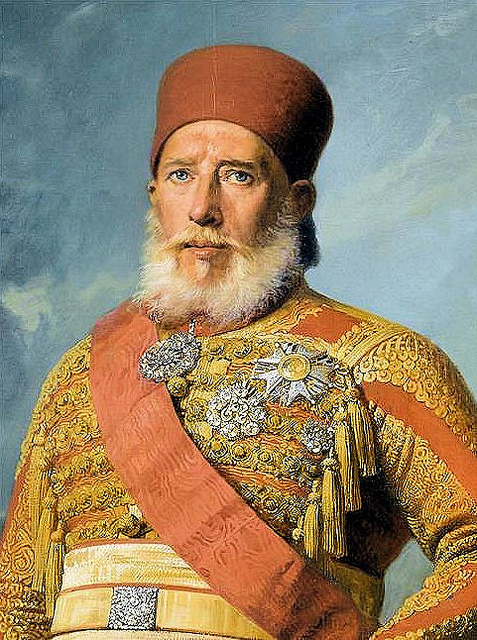
In 1818, Ibrahim Pasha of Egypt led his forces to capture Diriyah, the capital of the Second Saudi State. This marked a pivotal moment in the history of the region, as Diriyah was not only a political center but also a symbol of the Saudi influence in the Arabian Peninsula.
The Second Saudi State, established by Imam Turki bin Abdullah, was facing internal conflicts and external pressures from neighboring powers. With Ibrahim Pasha's military strength and strategic prowess, Diriyah was besieged and eventually fell to the Egyptian forces. The capture of Diriyah led to the end of the Second Saudi State and marked the beginning of Egyptian dominance in the region.
The impact of Ibrahim Pasha's capture of Diriyah was significant. It not only weakened the Saudi influence in the Arabian Peninsula but also solidified Egyptian control over the region. The defeat of the Saudis at Diriyah also served as a warning to other tribal leaders in the area, showcasing the power of external forces in shaping the political landscape of the Arabian Peninsula.
The fall of Diriyah had long-lasting consequences for the Saudi region, as it shifted the balance of power and paved the way for further Egyptian and Ottoman involvement in the Arabian Peninsula. The event marked the end of an era for the Second Saudi State and highlighted the vulnerability of regional powers in the face of external threats.
#IbrahimPasha #DiriyahCapture #SecondSaudiState #RegionalPowerShift #EgyptianDominance #ArabianPeninsula
View detailsIn the early 19th century, the Arabian Peninsula saw a power struggle between the Ottomans and the First Saudi State. The Saudis, led by Saud bin Abdulaziz Al Saud, aimed to establish their authority over the region, challenging Ottoman rule. After a series of conflicts, the Ottomans launched a decisive campaign that led to the defeat of the First Saudi State.
The Ottoman victory marked the regaining of control over the Arabian Peninsula, solidifying their dominance in the region. The defeat of the Saudis had a significant impact on the political landscape, consolidating Ottoman authority and halting the expansion of the First Saudi State. Ottoman control was reestablished over the territories that had been in dispute, restoring their influence in the Arabian Peninsula.
The reconquest by the Ottomans reshaped the balance of power in the region, influencing the governance and administration of the Arabian Peninsula. It marked a turning point in the history of Saudi-Ottoman relations, shaping the dynamics between the two powers for years to come. The event highlighted the strategic importance of the Arabian Peninsula and the competition for dominance among regional powers.
The Ottomans' success in regaining control over the Arabian Peninsula after defeating the First Saudi State underscored their military prowess and political resilience. It showcased their ability to assert authority and maintain territorial integrity in the face of challenges. The event solidified the Ottomans' position as a dominant force in the region and demonstrated their willingness to confront internal and external threats to their rule.
#OttomanEmpire #ArabianPeninsula #SaudiOttomanConflict #HistoricPowerStruggle #RegionalDominance
View details1803
In the early 19th century, the Arabian Peninsula was fragmented among various tribes and factions, with Mecca being a key religious and strategic center. The capture of Mecca by the forces of the First Saudi State marked a pivotal moment in the region's history.
Under the leadership of Emir Saud bin Abdulaziz Al Saud, the Saudi forces advanced towards Mecca, challenging the ruling Sharifate of Mecca, which had held power in the region for centuries. The city's capture symbolized the ascendancy of the Saudi state and its Wahhabi allies in the power struggle for control over the Arabian Peninsula.
The fall of Mecca had reverberations throughout the Islamic world, as the city's religious significance added a layer of complexity to the geopolitical implications of the event. The presence of the Saudi forces in Mecca disrupted the established order and initiated a new chapter in the region's history.
The capture of Mecca by the forces of the First Saudi State showcased the growing influence and power of the Saudi rulers and their religious allies. It solidified their position as key players in the Arabian Peninsula and set the stage for further territorial expansion and consolidation of power in the region.
#Mecca #FirstSaudiState #ArabianPeninsula #HistoricCapture #WahhabiInfluence
View details1773
In 1773, the First Saudi State successfully captured Riyadh, a pivotal event that marked a significant shift in the region's power dynamics. The First Saudi State, led by Muhammad bin Saud and Muhammad bin Abdul Wahhab, aimed to establish a puritanical Islamic state based on their interpretation of Islam.
The capture of Riyadh served as a strategic conquest for the First Saudi State, as it provided them with a stronghold in the heart of the Arabian Peninsula. This event allowed the Saudis to gain control over key trade routes and consolidate their influence over surrounding regions.
The capture of Riyadh also had a profound impact on the political landscape of the Arabian Peninsula. It marked the beginning of the expansion of the First Saudi State and their efforts to establish their authority over central Arabia. The Saudis' strict interpretation of Islam also influenced the cultural and religious practices of the region.
The capture of Riyadh by the First Saudi State paved the way for future conflicts and alliances in the Arabian Peninsula, shaping the course of history for years to come. It laid the foundation for the establishment of the modern Kingdom of Saudi Arabia and continues to resonate in the country's political and social dynamics today.
#FirstSaudiState #RiyadhCapture #ArabianPeninsula #IslamicState
View details1744
In 1744, the establishment of the first Saudi State in Diriyah marked a pivotal moment in the history of Saudi Arabia. This event was led by the alliance between Muhammad ibn Saud, the emir of Diriyah, and Muhammad ibn Abdul Wahhab, a religious scholar. Ibn Saud and Ibn Abdul Wahhab sought to unify the Arabian Peninsula under a strict interpretation of Islam known as Wahhabism.
The alliance between the House of Saud and the religious reformer Ibn Abdul Wahhab gave rise to a new political entity that aimed to challenge the prevailing authorities in the region. The First Saudi State in Diriyah quickly gained momentum, attracting followers who were inspired by the call for a return to the fundamental teachings of Islam. This movement provided a sense of unity and purpose to the Bedouin tribes of the desert.
The establishment of the First Saudi State in Diriyah had a profound impact on the political landscape of the Arabian Peninsula. It challenged the authority of the Ottoman Empire and other local rulers, leading to territorial conflicts and power struggles in the region. The state of Diriyah emerged as a formidable force, expanding its influence and control over neighboring territories.
The legacy of the First Saudi State in Diriyah continues to resonate in Saudi Arabia today. It laid the foundation for the establishment of the modern Kingdom of Saudi Arabia and the ongoing influence of Wahhabism in the country. The alliance between the House of Saud and the religious scholars shaped the cultural, political, and religious identity of the nation.
#SaudiArabia #FirstSaudiState #Diriyah #Wahhabism #PoliticalHistory #CulturalIdentity
View detailsThe unification of the First Saudi State was achieved through the collaboration of Muhammad ibn Saud and Muhammad ibn Abdul Wahhab. The alliance between the political and religious leaders aimed to establish a state based on the principles of Wahhabism, a conservative Islamic movement. Muhammad ibn Saud, the political leader, provided military support and leadership, while Muhammad ibn Abdul Wahhab, the religious scholar, promoted his interpretation of Islam.
The union of these two leaders had a significant impact on the Arabian Peninsula. It led to the expansion of the Saudi state's territory, as they conquered various regions and cities. The idea of a state governed by strict Islamic principles appealed to many tribes and communities, which helped in the rapid growth of the First Saudi State. This unification also posed a challenge to the Ottoman Empire, which controlled the region at that time. The Ottomans viewed the Wahhabi movement as a threat to their authority and launched several campaigns to suppress it.
The alliance between Muhammad ibn Saud and Muhammad ibn Abdul Wahhab established the foundations of the First Saudi State, which lasted for several decades. Their collaboration laid the groundwork for the modern state of Saudi Arabia and the continued influence of Wahhabism in the region. The unification of the First Saudi State under their leadership marked a crucial turning point in the history of the Arabian Peninsula, shaping its political and religious landscape for years to come.
#SaudiArabia #Wahhabism #FirstSaudiState
View details
1517
In 1517, the Ottoman Empire assumed control of Medina in an attempt to expand their influence in the region. This event marked a significant shift in power dynamics, as Medina held immense religious importance as the burial place of the Prophet Muhammad.
The Ottomans' takeover of Medina came as a result of their campaign to assert dominance over the Arabian Peninsula, consolidating their rule over the holy cities of Islam. This move allowed the Ottomans to solidify their authority and further establish themselves as a major player in the Islamic world.
The impact of the Ottoman Empire taking control of Medina reverberated throughout the Muslim world, with the Ottomans now holding sway over one of the religion's most revered cities. This acquisition not only bolstered the Ottomans' political and military strength but also enhanced their religious legitimacy.
The Ottomans' administration of Medina brought about significant changes in the city's governance and infrastructure. They improved public services, maintained religious sites, and promoted stability in the region. The Ottoman presence in Medina also facilitated the pilgrimage to Mecca, ensuring the safety and security of pilgrims traveling through the area.
Overall, the Ottoman Empire's control of Medina in 1517 had far-reaching implications for both the political landscape of the Middle East and the religious dynamics of Islam. Their influence in the region endured for centuries, shaping the cultural and social fabric of Medina and leaving behind a lasting legacy in Saudi Arabia.
#OttomanEmpire #MedinaTakeover #SaudiArabiaHistory #IslamicWorld #PoliticalShift
View detailsThe Ottoman Empire's conquest of Jeddah marked a pivotal moment in the region's history. With its strategic location on the Red Sea coast, Jeddah was a key trading hub, connecting the Ottoman Empire to the Indian Ocean trade routes. The city's capture by the Ottomans facilitated their control over the lucrative trade network and solidified their presence in the Arabian Peninsula.
Under Ottoman rule, Jeddah flourished as a center of commerce, attracting merchants from across the region. The Ottomans invested in the city's infrastructure, establishing new markets, mosques, and public buildings. Jeddah became a bustling cosmopolitan city, showcasing a blend of Ottoman, Arab, and African influences.
The Ottoman conquest of Jeddah had a lasting impact on the region's political landscape. It signified the expansion of Ottoman power into the Arabian Peninsula and played a part in shaping the geostrategic dynamics of the time. The Ottomans maintained control over Jeddah for several centuries, exerting influence over the city's affairs and further integrating it into their vast empire.
Overall, the Ottoman Empire's conquest of Jeddah was a transformative event that left a lasting imprint on the city and the wider Arabian Peninsula. It reshaped Jeddah's identity as a thriving commercial hub and contributed to the region's cultural and economic development. The legacy of Ottoman rule in Jeddah endures to this day, reflected in the city's architecture, traditions, and historical significance.
#OttomanEmpire #JeddahConquest #ArabianPeninsula #TradeHub #HistoricalLegacy
View details1260
Sultan Baybars initiated the construction of the Madrasah of Al-Fath in Mecca, Saudi Arabia, in 1260. This religious educational institution aimed to provide a place for scholars to study and disseminate Islamic teachings. The Madrasah played a crucial role in promoting religious education and scholarship in the region.
The Madrasah of Al-Fath was strategically located in Mecca, one of the holiest cities in Islam, contributing to its significance. The construction of the Madrasah provided a space for students and scholars to deepen their knowledge of Islamic jurisprudence, theology, and other related subjects. This institution became a hub for intellectual exchange and the preservation of Islamic traditions.
Sultan Baybars' support for the construction of the Madrasah of Al-Fath demonstrated his commitment to promoting education and religious learning. The Madrasah's establishment under his patronage highlighted the importance of religious education in the Muslim world during that period.
The Madrasah of Al-Fath became a symbol of intellectual and religious growth in Mecca. It attracted scholars and students from far and wide, contributing to the academic vibrancy of the region. The institution's curriculum and teachings influenced generations of scholars, shaping Islamic thought and education in the centuries to come.
Overall, the construction of the Madrasah of Al-Fath by Sultan Baybars was a significant milestone in the history of Islamic education in Mecca. The institution's legacy continues to resonate in the fields of religious studies and Islamic scholarship. The Madrasah stands as a testament to the enduring importance of education and intellectual pursuits in the Islamic world.
#MadrasahAlFath #SultanBaybars #IslamicEducation #Mecca #SaudiArabia
View details1258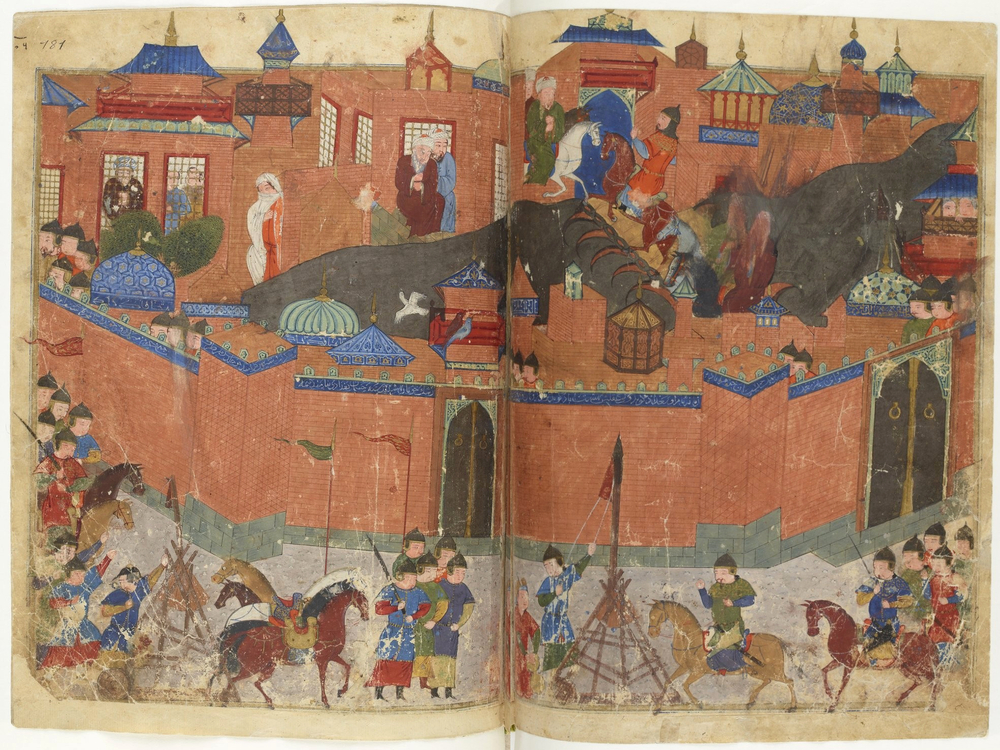
The Siege of Baghdad by the Mongol Ilkhanate marked the culmination of a series of invasions across the Islamic world. Led by Hulagu Khan, the Mongols aimed to conquer the Abbasid Caliphate, which had ruled over a vast empire for centuries. The siege, lasting for weeks, resulted in the fall of Baghdad, bringing an end to the Abbasid Caliphate's reign.
The impact of the Siege of Baghdad was profound, as it led to widespread destruction of the city, including the renowned House of Wisdom library. Countless precious manuscripts were lost, and the intellectual heritage of the Islamic world suffered a severe blow. The political landscape of the region was also altered significantly, with the Abbasid Caliphate collapsing and making way for Mongol rule.
The Arabian Peninsula, including present-day Saudi Arabia, felt the repercussions of the Siege of Baghdad. Trade routes were disrupted, and political alliances were reshaped in the aftermath of the event. The power vacuum left by the fall of the Abbasid Caliphate created opportunities for local rulers to assert their authority, shaping the future dynamics of the region.
The Siege of Baghdad by the Mongol Ilkhanate remains a key moment in history, symbolizing the end of an era for the Abbasid Caliphate. The event's impact reverberated across the Arabian Peninsula and beyond, leaving a lasting legacy that would influence the region for years to come. #SiegeofBaghdad #MongolIlkhanate #AbbasidCaliphate #ArabianPeninsula
View details1250
Following the fall of the Ayyubid dynasty, the Mamluks, originally slave soldiers, seized power in Egypt, establishing the Mamluk Sultanate. Their rise to power indirectly impacted neighboring regions, including Saudi Arabia. The Mamluks ruled Egypt and Syria for several centuries, exerting influence over trade routes and pilgrimage sites important to Saudi Arabia.
The Mamluks' dominance in the region altered political dynamics, shaping alliances and rivalries that impacted Saudi Arabia. As Egypt and Syria became centers of power under Mamluk rule, Saudi Arabia found itself navigating a changing political landscape. The Mamluks' control over key territories influenced trade relationships and diplomatic interactions across the region.
Furthermore, the Mamluks' military prowess and strategic positioning posed both threats and opportunities for Saudi Arabia. The shifting power dynamics in the wake of the Mamluk Sultanate's establishment required Saudi rulers to adapt their strategies and policies to navigate the new reality shaped by the Mamluks' presence in the region.
Ultimately, the establishment of the Mamluk Sultanate in Egypt had lasting implications for Saudi Arabia, as the effects of Mamluk rule reverberated throughout the broader Middle East. The Mamluks' legacy as rulers and military leaders left a mark on the region's political and social fabric, shaping interactions and exchanges that influenced Saudi Arabia's position within the broader Islamic world.
#MamlukSultanate #PoliticalShifts #RegionalImpact #SaudiArabia #IslamicHistory
View details1171
In the 12th century, in the region that is now modern-day Saudi Arabia, Saladin, a skilled military leader, established the Ayyubid dynasty after years of military conquests. Saladin rose to prominence during the conflicts of the Crusades, where he successfully united Muslim forces against the European invaders, earning him respect and admiration among his people.
The founding of the Ayyubid dynasty marked a significant shift in power dynamics in the region, as Saladin's rule brought stability and prosperity to the lands under his control. Known for his chivalry and sense of justice, Saladin implemented policies that promoted tolerance and harmony among different religious and ethnic groups, setting an example for future leaders.
Under the Ayyubid dynasty, art, culture, and architecture flourished, leaving a lasting legacy that can still be seen in the monuments and structures scattered across the region. Trade and commerce also thrived during this period, further solidifying the dynasty's influence and importance in the region.
Saladin's vision and leadership not only shaped the political landscape of the time but also had a lasting impact on future generations, with his principles of unity and fairness continuing to inspire leaders and scholars to this day. The Ayyubid dynasty's legacy as a beacon of justice and progress in the region remains a testament to Saladin's enduring influence.
#Saladin #AyyubidDynasty #SaudiArabia #Crusades #Unity #Legacy
View details1141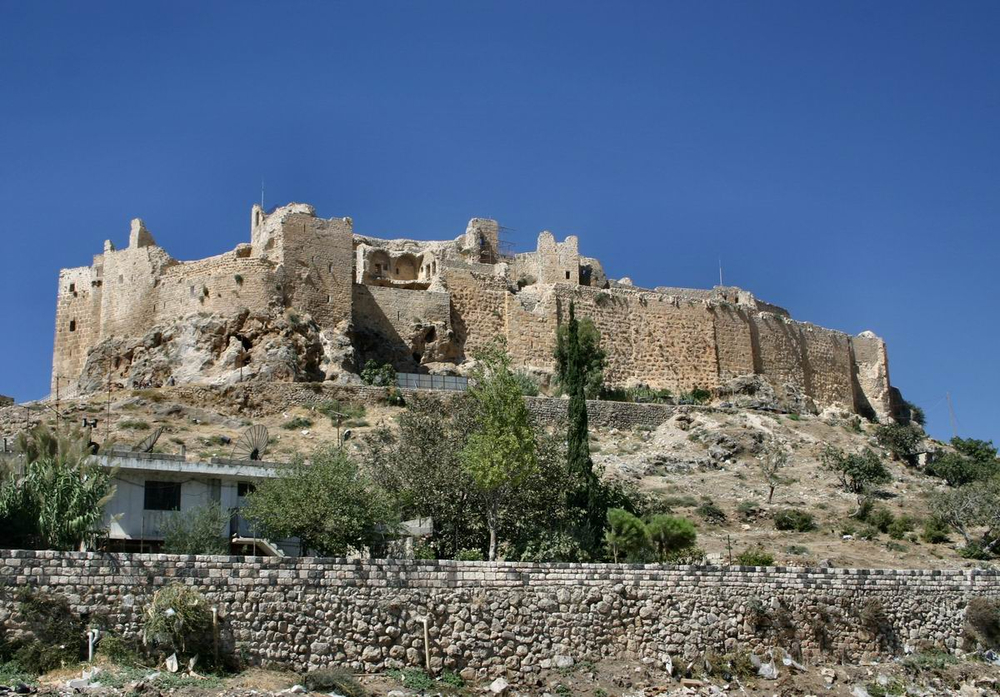
The construction of the citadel of Masyaf by the Ismaili Nizari Shia Muslims marked a pivotal development in the history of the region. Situated in present-day Saudi Arabia, the citadel served as a strategic stronghold for the Ismaili community in the 12th century.
Established under the leadership of the prominent figures of the time, the citadel of Masyaf played a crucial role in safeguarding the Ismaili Nizari Shia Muslims and enabling their community to thrive. This architectural marvel was not only a fortified structure but also a center for learning, governance, and trade.
The citadel's location atop a steep hill provided a natural defense advantage, allowing the Ismaili Nizari Shia Muslims to protect themselves against external threats and assert their autonomy in the tumultuous political landscape of the era. The construction of the citadel demonstrated the community's organizational capabilities and their commitment to securing a prosperous future for their followers.
Over time, the citadel of Masyaf became a symbol of resilience and determination for the Ismaili Nizari Shia Muslims, inspiring generations to come. Its strategic significance and architectural ingenuity continue to be acknowledged by historians and enthusiasts alike.
The legacy of the construction of the citadel of Masyaf by the Ismaili Nizari Shia Muslims endures as a testament to the community's resourcefulness and unity in the face of adversity. This historical event highlights the importance of strategic planning, perseverance, and collective effort in shaping the course of history.
#IsmailiNizariShia #MasyafCitadel #SaudiArabiaHeritage
View details0952
During the Abbasid era, a significant event unfolded in Mecca when the caliph successfully reclaimed control of the holy city. This achievement marked a pivotal moment in the Abbasid dynasty's history, as Mecca held immense religious significance for Muslims worldwide. The Black Stone, a sacred relic housed in the Kaaba, was also reinstated during this period. Its return symbolized a restoration of religious authority and unity within the Muslim community.
The Abbasid caliph's regain of Mecca and the Black Stone sparked joy and relief among Muslims, who viewed the city as the heart of their faith. This event strengthened the caliphate's legitimacy and showcased its ability to uphold religious sanctity. The return of the Black Stone was particularly noteworthy, as it signified the preservation of Islamic heritage and traditions.
The restoration of Mecca to Abbasid control had far-reaching implications for the region and beyond. It solidified the caliphate's influence in the Islamic world and reaffirmed its position as a central authority for Muslims. The event also highlighted the strategic importance of Mecca, not only as a religious center but as a symbol of political power and legitimacy.
Overall, the Abbasid caliph's success in regaining control of Mecca and restoring the Black Stone was a momentous occasion in Islamic history. It underscored the significance of Mecca as a spiritual focal point and demonstrated the Abbasid dynasty's commitment to upholding religious values. The event left an indelible mark on the religious landscape of the time, shaping the future of Islam for generations to come.
#AbbasidDynasty #Mecca #BlackStone #IslamicHistory #ReligiousSignificance #Unity
View details0930
In 930, the Qarmatians, a radical Ismaili Shiite sect, orchestrated the capture of the city of Ahsa in present-day Saudi Arabia. The Qarmatians, known for their extremist beliefs and disruptive actions, aimed to establish their authority in the region. Ahsa, strategically located in the heart of the Arabian Peninsula, held significant economic and agricultural importance, making it a desirable target for the Qarmatians.
The capture of Ahsa by the Qarmatians had a profound impact on the region. The city's residents faced a repressive and harsh rule under the Qarmatian regime. The Qarmatians looted the city, plundered its resources, and imposed their strict ideology on the population. The event disrupted regional trade and stability, causing turmoil among neighboring towns and cities.
The Qarmatians' control over Ahsa also highlighted the religious and political tensions prevalent in the region during that time. The event underscored the power struggles and conflicts between various factions vying for dominance in the Arabian Peninsula. It showcased the Qarmatians' ambition to challenge established authorities and impose their radical agenda on the local populations.
The capture of Ahsa by the Qarmatians serves as a reminder of the complex historical dynamics that have shaped the Arabian Peninsula. It sheds light on the turbulent period marked by competing ideologies and ambitions of different religious sects and political entities. The event underscores the lasting impact of such power struggles on the socio-political landscape of the region.
#Qarmatians #Ahsa #SaudiArabia #Radicalism #PowerStruggles.
View detailsIn the 10th century, the Qarmatians, an extremist Ismaili Muslim sect, orchestrated a daring raid on Mecca, targeting the sacred Kaaba. The Qarmatians, known for their radical beliefs and uncompromising attitudes, viewed pilgrimage to holy sites as meaningless rituals. Their objective was to disrupt the status quo and challenge the authority of the Abbasid Caliphate.
During the raid, the Qarmatians ransacked Mecca, causing chaos and devastation. The most symbolic and audacious act was the theft of the Black Stone from the Kaaba. The Black Stone, a revered relic believed to have been given to Abraham by the archangel Gabriel, holds immense significance for Muslims worldwide. The Qarmatians removed the stone from its place, breaking it into several pieces before carrying it away.
The aftermath of the raid shook the Islamic world to its core. The loss of the Black Stone inflicted deep emotional and spiritual wounds on the Muslim community. It sparked outrage and disbelief, with many questioning the motives and sanity of the Qarmatians. The incident underscored the volatility and complexity of religious extremism and the lengths to which certain factions would go to assert their beliefs.
The Black Stone was eventually returned to Mecca, albeit in damaged condition. Its restoration and reinstallation marked a moment of healing and reconciliation for Muslims. The event served as a stark reminder of the fragility of religious symbols and the importance of safeguarding sacred heritage.
The plunder of Mecca by the Qarmatians and the theft of the Black Stone from the Kaaba left an indelible mark on Islamic history. It symbolized a dark chapter of religious discord and radicalism, highlighting the enduring struggle between orthodoxy and dissent within the Muslim world. The event serves as a cautionary tale against fanaticism and the desecration of sacred sites. #Qarmatians #Mecca #BlackStone #Kaaba #ReligiousExtremism
View details
0899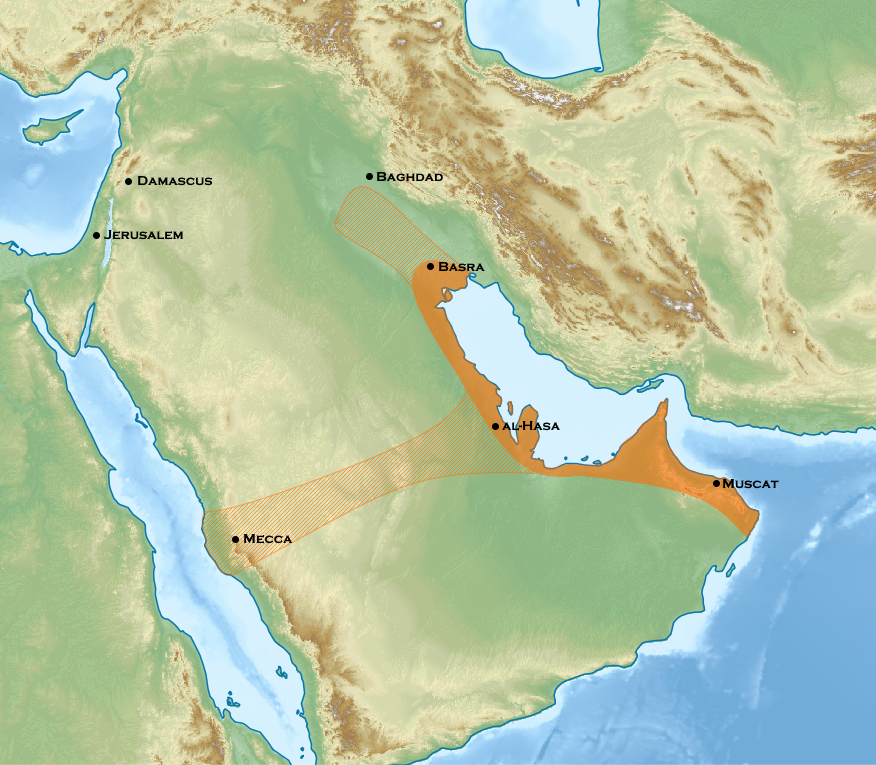
In the late 9th century, the Qarmatians, an extremist Ismaili Shia sect, established their state in Eastern Arabia. Led by Abu Tahir al-Jannabi, the Qarmatians gained control of key regions in present-day Saudi Arabia, Bahrain, and Qatar. Their rise to power disrupted the existing political order in the region and challenged the authority of the Abbasid Caliphate.
The Qarmatians were known for their radical beliefs and fierce independence. They rejected traditional Islamic practices and sought to create a utopian society based on social equality and communal ownership. This set them apart from the ruling powers of the time and garnered both admiration and animosity from neighboring states.
Under the leadership of Abu Tahir, the Qarmatians launched daring military campaigns that resulted in significant territorial gains. Their conquests posed a threat to the stability of the Abbasid Caliphate and other established empires in the region. The Qarmatian state flourished economically, thanks to their control over lucrative trade routes and agricultural lands.
Despite their military prowess, the Qarmatians are perhaps best known for their controversial actions. In 930, they famously ransacked the holy city of Mecca, an unprecedented act of sacrilege that shocked the Muslim world. This event not only demonstrated the Qarmatians' disdain for religious norms but also underscored their willingness to challenge the established order.
The establishment of the Qarmatian state in Eastern Arabia left a lasting impact on the region. Their radical ideology and military conquests reshaped the political landscape, paving the way for future power struggles and conflicts. While the Qarmatians' rule eventually declined, their legacy endured, influencing the trajectory of Islamic history in the Arabian Peninsula.
#Qarmatians #EasternArabia #SaudiArabia #RevolutionaryIdeology #PoliticalDisruption
View details0632
The Battle of al-Bakhra ensued when tribal conflicts emerged in Arabia following the demise of a prominent leader. The clash involved the tribes of Quraysh and Hawazin, striving to claim power and control over territories. Quraysh, under the leadership of Abu Sufyan, sought dominance, while the Hawazin tribe, led by Malik ibn Awf, aimed to defend their interests.
At the battleground of al-Bakhra, both sides fiercely engaged in combat, resulting in a significant turning point in the power dynamics of Arabia. The Hawazin initially gained an advantage, pushing Quraysh forces into a vulnerable position. However, strategic maneuvers by Quraysh troops led by Khalid ibn al-Walid reversed the course of the battle. The expertise and tactical brilliance of Khalid proved pivotal as Quraysh forces managed to overpower the Hawazin, claiming victory in the showdown.
The repercussions of the Battle of al-Bakhra were far-reaching. The triumph of Quraysh solidified their dominance in the region, establishing a stronghold that would shape the future of Arabia. The defeat suffered by the Hawazin not only altered the tribal dynamics but also paved the way for the eventual unification of the Arabian Peninsula under a single leadership.
This historical confrontation exemplified the complex tribal dynamics and power struggles prevalent in pre-Islamic Arabia. The strategic maneuvers and decisive outcome of the battle underscored the importance of leadership and military prowess in shaping the course of history. The legacy of the Battle of al-Bakhra resonates as a defining moment that influenced the trajectory of Arabian geopolitics, setting the stage for future developments and alliances in the region.
#BattleOfalBakhra #Quraysh #Hawazin #ArabianTribes #KhalidIbnAlWalid
View detailsThe Farewell Pilgrimage of Prophet Muhammad at Mount Arafat holds immense historical significance in Islam. The Prophet's pilgrimage took place about two months before his passing, with over 100,000 companions gathered to witness his final pilgrimage. Mount Arafat, located near Mecca in present-day Saudi Arabia, was the focal point of this historic event.
During the pilgrimage, Prophet Muhammad delivered his famous farewell sermon, known as the Khutbah. In his speech, he emphasized the importance of unity among believers and outlined the fundamental principles of Islam. This sermon is revered by Muslims worldwide and continues to guide the faithful in matters of faith and community.
The Farewell Pilgrimage marked the completion of the Prophet's mission and served as a significant moment of spiritual guidance for his followers. It reinforced the teachings of Islam and established a blueprint for future generations to follow. The pilgrimage also solidified the unity of the Muslim community, laying the foundation for the spread of Islam after the Prophet's death.
The event at Mount Arafat further emphasized the principles of equality, humility, and submission to the will of Allah. It showcased the essence of Islamic teachings and brought together people from diverse backgrounds under the banner of faith.
The legacy of the Farewell Pilgrimage continues to inspire millions of Muslims who embark on the annual Hajj pilgrimage to retrace the Prophet's footsteps. The event serves as a reminder of the Prophet's final message and his profound impact on shaping the beliefs and practices of the Islamic faith.
#ProphetMuhammad #FarewellPilgrimage #MountArafat #IslamicUnity #HajjJourney #SaudiArabia
View details