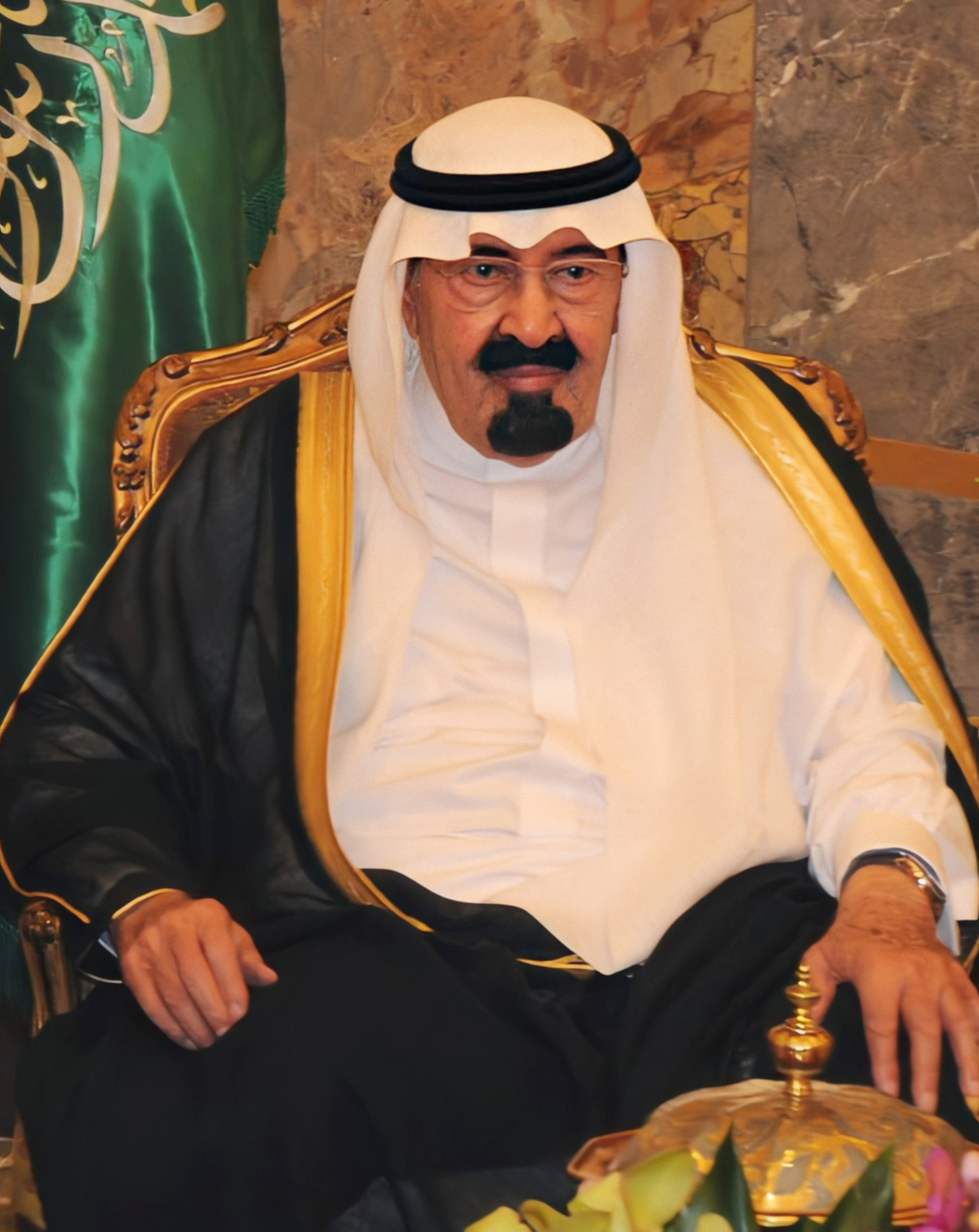
Abdullah bin Abdulaziz Al Saud: New King after King Fahd's Death
Saudi Arabia
Political
Global Trade
4 min read
Updated By: History Editorial Network (HEN)
Published:
Following the passing of King Fahd, Abdullah bin Abdulaziz Al Saud ascended to the throne, becoming the King of Saudi Arabia. Born in Riyadh, King Abdullah was the tenth son of King Abdulaziz, the founder of modern Saudi Arabia. Known for his progressive views, King Abdullah implemented some social and economic reforms during his reign.
As the new monarch, King Abdullah sought to modernize the country while upholding its conservative values. He focused on improving education, healthcare, and infrastructure, as well as promoting women's rights within the constraints of the country's traditional practices. Under his leadership, Saudi Arabia experienced economic growth and increased global engagement.
King Abdullah also played a significant role in regional diplomacy, working towards stability in the Middle East. He supported efforts to resolve conflicts in the region, including the Israeli-Palestinian conflict and the crisis in Iraq. His efforts were aimed at promoting peace and cooperation among Arab nations.
During his reign, King Abdullah faced challenges such as terrorism and internal dissent. He took a strong stance against extremism and worked to combat radical ideologies within the country. His government implemented measures to enhance security and prevent terrorist activities in the kingdom.
The reign of King Abdullah was marked by a period of gradual change and modernization in Saudi Arabia. He was respected both domestically and internationally for his leadership and vision for the country. His passing was mourned by many, and his legacy continues to shape Saudi Arabia's trajectory.
#KingAbdullah #SaudiArabia #Modernization #MiddleEastDiplomacy #ProgressiveReforms

Explore the Life Moments of
 AI Twin