Saudi Arabia Signs the Mecca Joint Defence Agreement
Mecca, Saudi Arabia
Political
7 min read
Updated By: History Editorial Network (HEN)
Published:
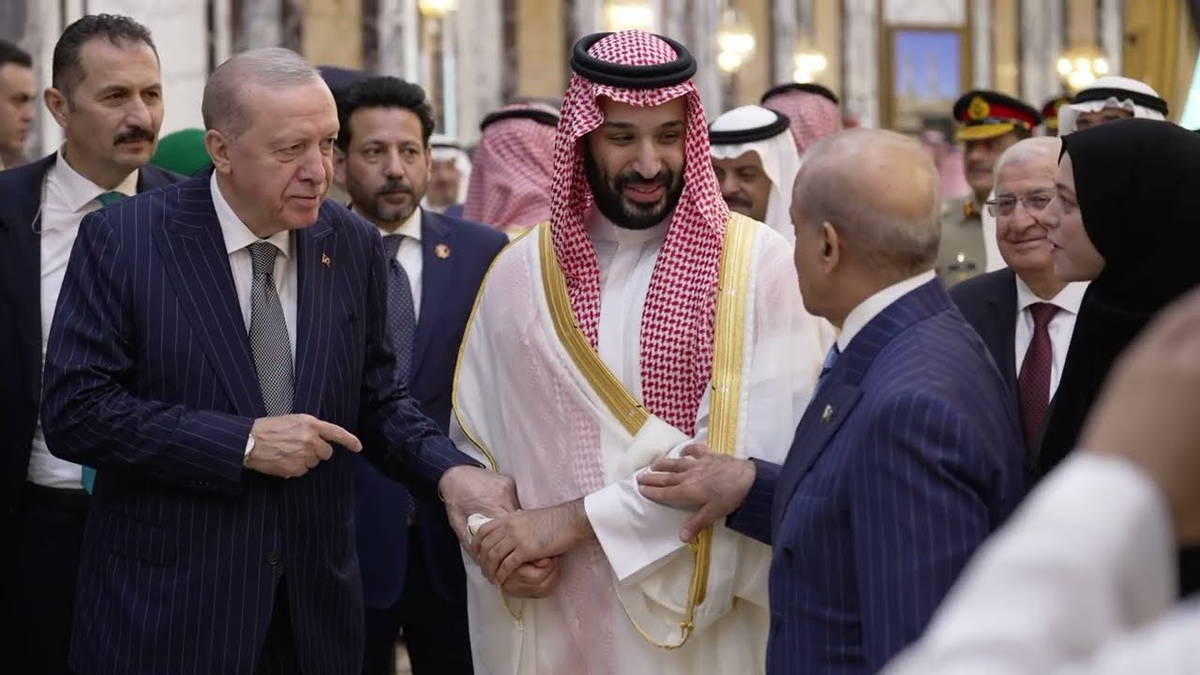
Saudi Arabia formally signed the Mecca Joint Defence Agreement on 07/08/2026, establishing a trilateral security framework with Turkey and Pakistan. The agreement was signed in Mecca by Crown Prince Mohammed bin Salman and was presented as a mechanism for strengthening defense cooperation, improving military coordination, and increasing regional security collaboration.
The agreement emerged during a period of heightened instability in the Middle East. Throughout 2026, regional tensions intensified amid military confrontations involving Iran, armed groups in Yemen, and several nonstate actors operating across the region. Saudi Arabia faced continued concerns regarding missile and drone attacks targeting strategic infrastructure, including energy facilities and border regions.
According to reports describing the agreement, Saudi policymakers viewed the new framework as part of a broader effort to strengthen the Kingdom's security architecture while reducing dependence on any single external security partner. Rather than replacing existing alliances, the pact was described as an additional layer of regional defense cooperation operating alongside Saudi Arabia's established partnerships.
Protecting the Kingdom's economic transformation agenda was another factor behind the agreement. Saudi Arabia's Vision 2030 program includes large scale investments in infrastructure, tourism, technology, logistics, and industrial diversification. Ongoing regional conflicts have increased concerns about the security of major development projects, energy installations, transportation networks, and maritime trade routes.
The agreement also expanded cooperation in several military sectors. Pakistan contributed an established bilateral defense relationship with Saudi Arabia that had already been strengthened through previous agreements. Pakistani military personnel and defense assets operating within Saudi Arabia provided an existing foundation for deeper cooperation.
Turkey contributed defense manufacturing capabilities, particularly in the development and export of military technologies, including unmanned aerial systems. Closer cooperation with Turkish defense industries created additional opportunities for technology transfers, training programs, and procurement agreements.
Saudi Arabia's role within the framework was defined by its economic resources, strategic location, energy production, and influence within the Islamic world. The agreement combined the Kingdom's financial capacity with Turkey's defense industry and Pakistan's military capabilities to create a coordinated security partnership.
Public statements surrounding the agreement emphasized its defensive character. Saudi officials described the framework as a deterrence mechanism designed to strengthen regional stability, protect critical infrastructure, secure maritime routes, and improve military readiness without creating a new offensive alliance.
Why This Moment Matters:
The Mecca Joint Defence Agreement reflected a broader trend in Middle Eastern geopolitics toward diversified security partnerships and greater regional cooperation. The agreement illustrated how states facing evolving security threats increasingly seek multiple strategic partnerships to protect economic interests, energy infrastructure, and national sovereignty.
#SaudiArabia
#MeccaJointDefenceAgreement
#MohammedBinSalman
#Pakistan
#Turkey
#MiddleEast
#Vision2030
#Defense

Explore the Life Moments of
 AI Twin