Global Impact of the 1973 Oil Crisis and OPEC Oil Embargo
Saudi Arabia

Global Trade
Geopolitics
4 min read
Updated By: History Editorial Network (HEN)
Published:
In the early 1970s, tensions in the Middle East escalated due to the Arab-Israeli conflict. In response to Western support for Israel, the Organization of the Petroleum Exporting Countries (OPEC), led by Saudi Arabia, implemented an oil embargo against nations seen as supporting Israel. This move had significant repercussions on the global economy.
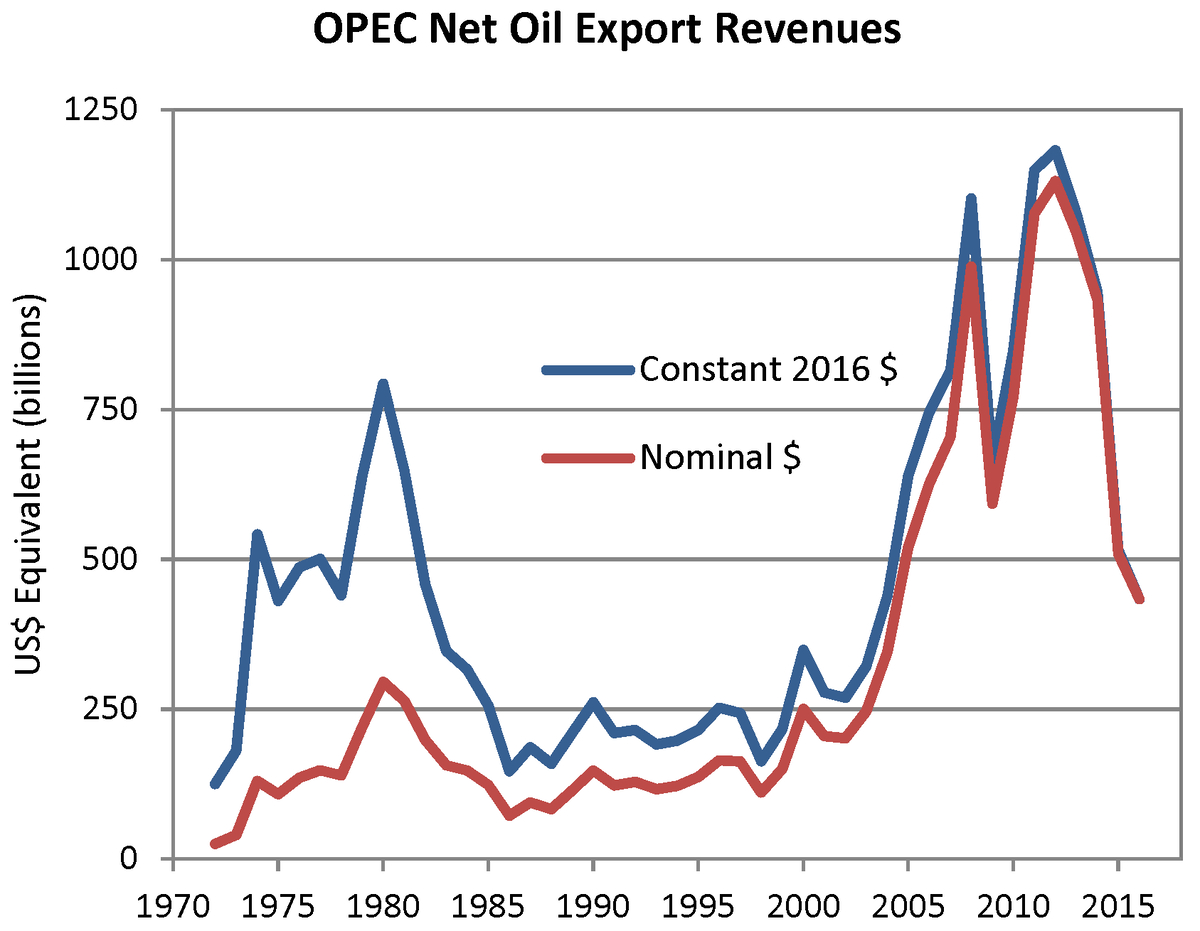
The oil crisis began when OPEC announced a 5% production cut, followed by an embargo on oil exports to the United States, the Netherlands, Portugal, and South Africa. The sudden reduction in oil availability led to a sharp increase in oil prices, causing a ripple effect across industries worldwide. Countries heavily reliant on oil imports faced fuel shortages, soaring energy costs, and inflation. The crisis exposed the vulnerability of nations depending on foreign oil and underscored the influence of oil-producing countries.
The oil embargo by OPEC, spearheaded by Saudi Arabia, marked a shift in the balance of power in the international arena. It demonstrated the ability of oil-rich nations to wield influence through a strategic resource like oil. The crisis also prompted Western nations to reassess their energy policies and reduce dependence on foreign oil.
Ultimately, the 1973 oil crisis and the subsequent embargo by OPEC, including Saudi Arabia, highlighted the interplay between geopolitics and the global economy. It served as a wake-up call for countries to diversify their energy sources and prioritize energy security. The legacy of the crisis resonates in ongoing efforts to reduce reliance on fossil fuels and transition towards sustainable energy solutions.
#OPEC #SaudiArabia #OilCrisis #Geopolitics #EnergySecurity #GlobalEconomy

Explore the Life Moments of
 AI Twin