Outbreak of Second Civil War in Sudan
Sudan

Political
5 min read
Updated By: History Editorial Network (HEN)
Published:
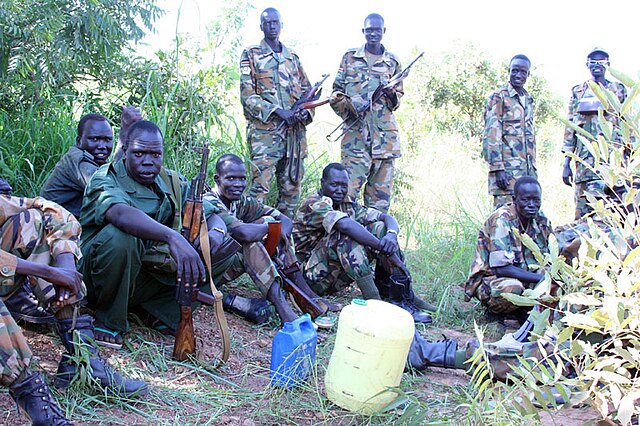
The dissolution of the Addis Ababa Agreement marked a pivotal transition in Sudan’s history, propelling the nation into what is now known as the Second Sudanese Civil War. The abrogation of the agreement was a governmental decision that prompted widespread unrest. This accord had previously granted the southern region autonomy and had been instrumental in concluding the First Sudanese Civil War, which had ravaged the nation for nearly two decades.
As central government policies began to increasingly marginalize the southern region, discontent surged. The imposition of Islamic Sharia Law further fueled dissent among the predominantly non-Muslim population in the south. Economically, the discovery of oil in the southern region added a considerable layer of complexity to the conflict, as control over these resources became a contentious and violent point of dispute.
The Sudan People's Liberation Movement/Army (SPLM/A), led by John Garang, emerged as a primary opposition to the central government, advocating for both regional autonomy and equitable resource distribution. Hostilities escalated and a period of intensified military engagement ensued, impacting millions of lives across the nation.
Over the course of the conflict, an estimated two million people lost their lives, while another four million were displaced from their homes. The humanitarian crisis was exacerbated by widespread famine, disease, and socio-economic disruptions. Entire communities were uprooted, and the infrastructure of southern Sudan was left in tatters.
The local population faced exacerbated vulnerabilities, with limited access to education, healthcare, and basic human rights. The prolonged nature of the conflict fostered a generation who knew nothing but war, perpetuating a cycle of violence and instability.
The international community responded with various levels of intervention, though efforts to broker peace were met with significant challenges. The Comprehensive Peace Agreement, eventually signed, set the groundwork for future resolutions, including the independence of South Sudan.
#MoofLife encapsulates the profound impacts of this period, reflecting the ongoing struggles and resilience of the Sudanese people amidst decades of conflict and hardship.
Explore the Life Moments of
 AI Twin