Relief Expedition Reaches City
Sudan
Political
4 min read
Updated By: History Editorial Network (HEN)
Published:
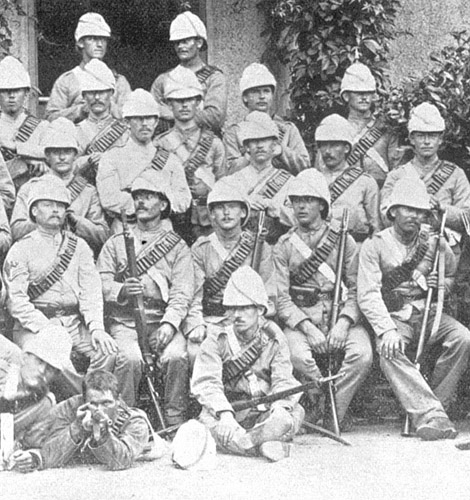
The Gordon Relief Expedition was sent to Sudan to save Major General Charles George Gordon, besieged in Khartoum by Mahdist forces. The Mahdi, Muhammad Ahmad, had declared a jihad to expel the Egyptian-Ottoman rulers and their British supporters.
The British government, initially reluctant to intervene, decided to act due to public pressure and the growing strategic importance of Sudan. General Garnet Wolseley led the two-pronged expedition, traveling via the Nile and the desert. However, delays and logistical challenges plagued the effort, significantly hampering their progress toward Khartoum.
When the advance unit, led by Sir Charles William Wilson, reached the outskirts of Khartoum, they discovered the city had fallen two days earlier. Gordon, revered as one of the greatest British military minds and known for his Christian humanitarianism, was dead. The fall caused great public outrage back in Britain and further complicated British involvement in Sudanese affairs.
This defeat underscored the impact of the logistical difficulties and the resilience of the Mahdist forces. It also highlighted the complexity of colonial interventions in foreign territories and the grave misjudgments that can occur in distant campaigns.
Research shows the Mahdist forces numbered around 50,000, while the British-led expedition comprised approximately 8,500 troops. This stark numerical disadvantage, combined with geographical and tactical challenges, elucidated why the relief effort failed.
The fall of Khartoum marked a pivotal moment in Anglo-Egyptian Sudanese history, shaping British military and administrative strategies. The episode remains a topic of study in military academies for its lessons on leadership, logistics, and the perils of underestimating a determined opponent.
#GordonRelief #Khartoum #Sudan #MahdiRevolt #BritishMilitaryHistory #ColonialIntervention #MoofLife

Explore the Life Moments of
 AI Twin