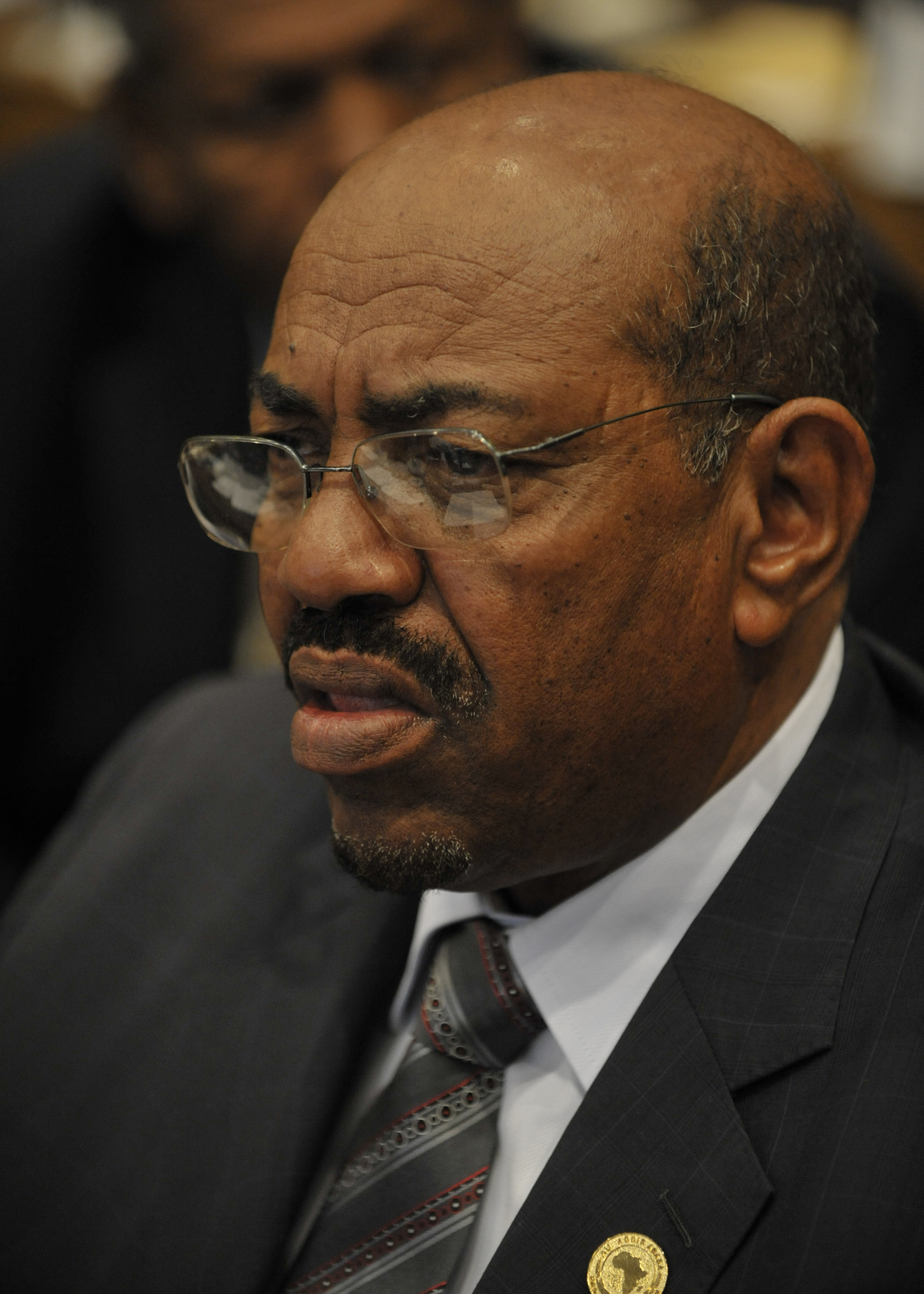
Revolution Leads to Ousting of President
Sudan
Political
Global Trade
5 min read
Updated By: History Editorial Network (HEN)
Published:
The ousting of President Omar al-Bashir in Sudan occurred following a series of anti-government protests that had begun several months earlier. These protests were initially triggered by the government’s decision to triple the price of bread, but quickly escalated into calls for al-Bashir to step down after a nearly three-decade-long rule.
Sustained demonstrations took place across Sudan, with the capital, Khartoum, becoming the epicenter of the movement. The protestors organized sit-ins, marches, and were often met with violent crackdowns from security forces. According to estimates, hundreds were killed and thousands were injured in the confrontations that ensued. Despite the heavy-handed response, the persistence and scale of the protests only grew stronger, eventually garnering international attention and support.
The situation reached a critical juncture when military leaders intervened, placing al-Bashir under house arrest. This move came after pressure from within the armed forces, who themselves were witnessing defections and growing sympathetic towards the demonstrators. The military then assumed control, announcing that a transitional period would be implemented, aiming at restoring a civilian-led government.
Al-Bashir’s ousting marked the end of his 30-year rule, a regime characterized by allegations of corruption, economic mismanagement, and human rights abuses. With him gone, a Transitional Military Council (TMC) took over, promising to facilitate a pathway to democratic elections. However, this transition was not smooth. Protestors continued to demand quicker and more substantial reforms, wary of the military’s intentions.
This moment is a critical episode in Sudan’s history, as it transitioned from autocratic rule towards a hope for democracy. It exemplified the powerful impact of grassroots mobilization and signaled a potential shift in the political landscape of the region. The removal of al-Bashir was not just an isolated incident but part of a broader movement pushing for societal change in Sudan.
#SudaneseRevolution #OmaralBashir #GrassrootsMovement #Sudan #MoofLife

Explore the Life Moments of
 AI Twin