Independence of South Sudan
Sudan

Political
6 min read
Updated By: History Editorial Network (HEN)
Published:
South Sudan's independence marked the culmination of decades of conflict and political friction between the north and south of Sudan. The protracted civil war, characterized by ethnic disparities, religious differences, and resource disputes, laid the groundwork for seeking autonomy. The Comprehensive Peace Agreement, signed in 2005, provided a transitional pathway to address these underlying issues, eventually leading to a referendum.
In the mandated referendum, an overwhelming majority of South Sudanese—approximately 98.83%—voted in favor of secession from the north. This clear mandate for independence reflected the deep-seated desire for self-determination and governance free from the northern influence, which had manifested predominantly in social inequalities and economic exploitation.
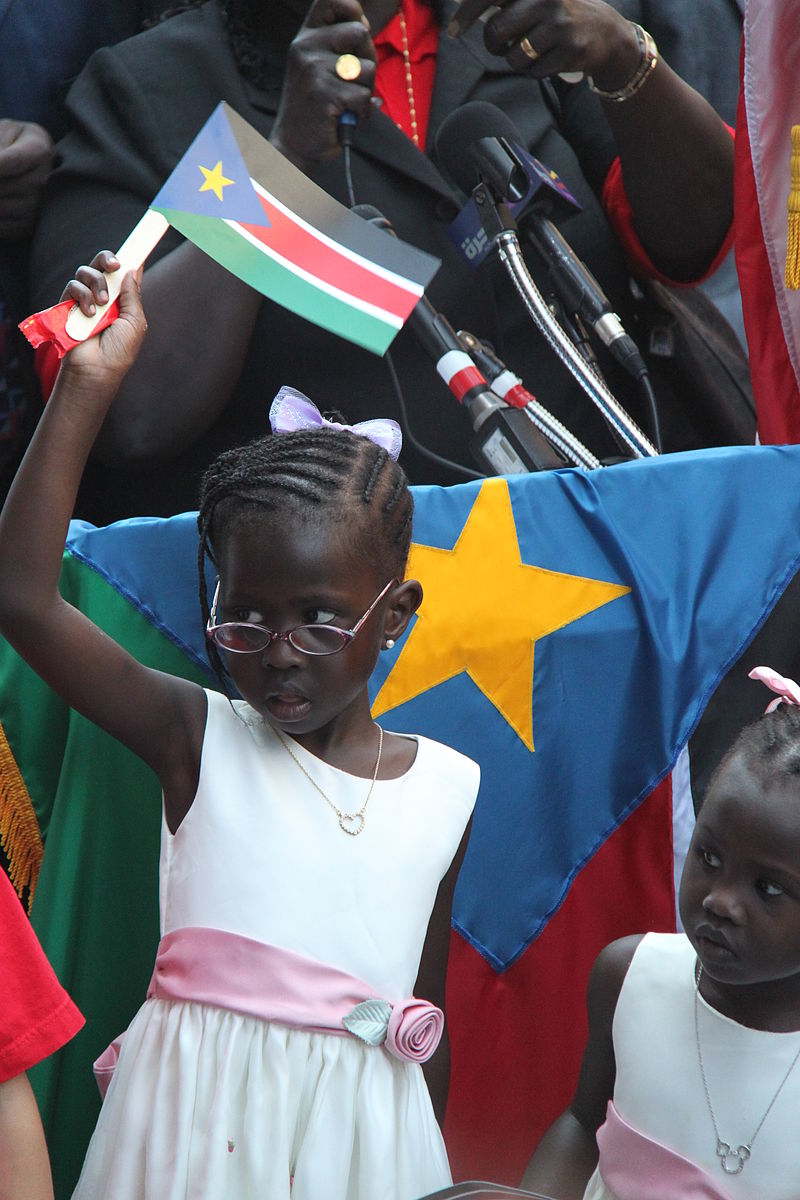
The moment when South Sudan declared itself an independent nation saw widespread public celebrations amid hopes for a new chapter. Juba, the capital city, became the administrative and political nucleus of the nascent country. International recognition followed promptly, with countries and global organizations acknowledging the birth of the world’s newest nation.
However, this milestone also bequeathed a host of challenges to South Sudan. The nascent government faced pressing issues such as establishing stable governance structures, addressing internal ethnic strife, managing and equitably distributing oil revenues, and dealing with the north on border demarcation and resource-sharing agreements. South Sudan gained control of significant oil fields, while Sudan retained the infrastructure, fostering continued interdependence and occasional friction.
Moreover, the socio-economic landscape remained precarious; high poverty rates, limited infrastructure, and inadequate public services posed significant hurdles. International aid and development support became crucial in supporting the country's formative years. The socio-political environment required substantial international diplomatic and financial backing to stabilize and nurture the fledgling state.
This bifurcation of Sudan into two sovereign nations reshaped geopolitical dynamics in the region, portending potential shifts in alliances and regional power equilibriums. As South Sudan navigated its newfound autonomy, the onus lay in transforming years of struggle into sustained peace and development.
#SouthSudanIndependence #GeopoliticalChange #SelfDetermination #Referendum #EthnicConflict #EconomicChallenges #InternationalSupport #MoofLife
Explore the Life Moments of
 AI Twin