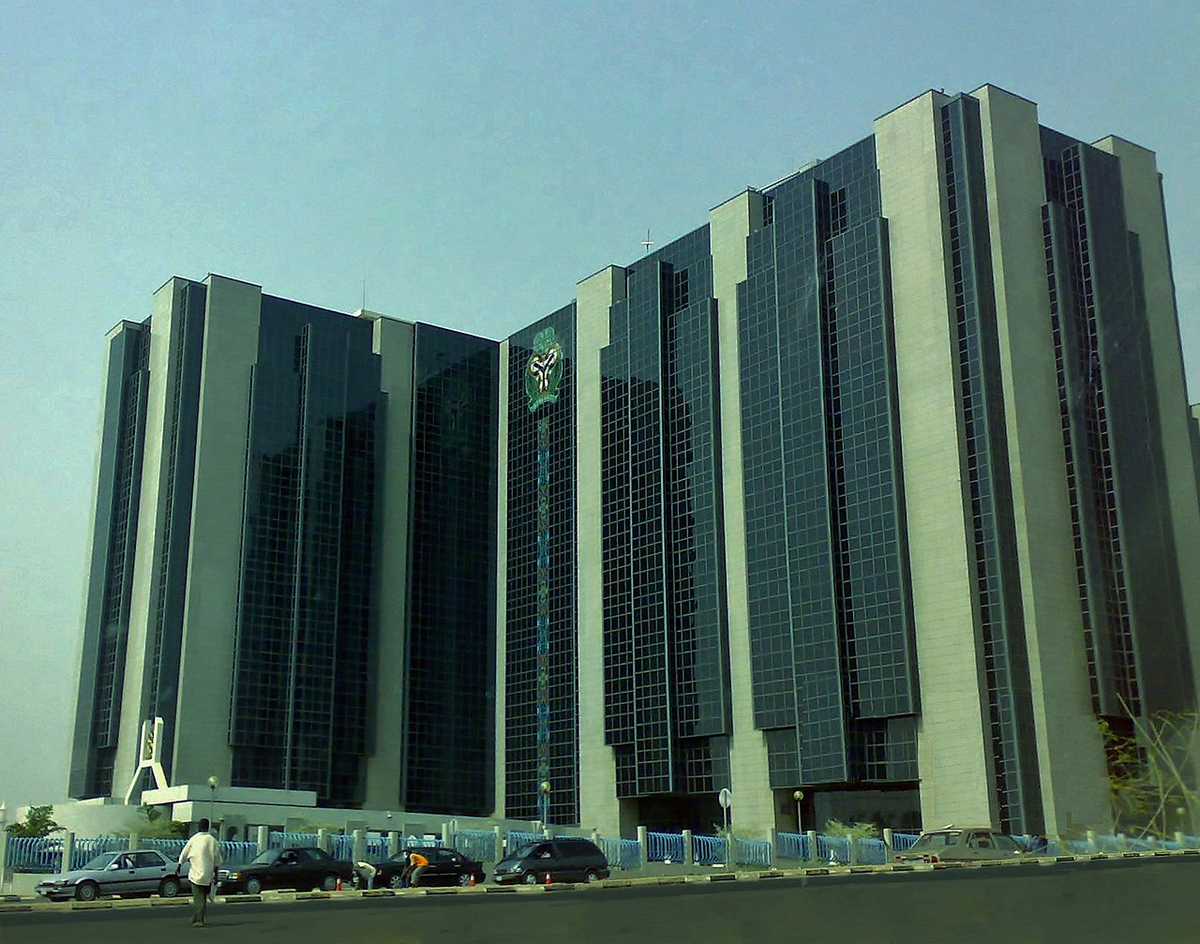
Abuja Becomes the Capital of Nigeria.

Political
Economic Growth
4 min read
Updated By: History Editorial Network (HEN)
Published:
Abuja, Nigeria's newly designated capital, replaced Lagos following a government decision to move the administrative hub away from the country's largest city. The move was aimed at decentralizing power and boosting development in other regions. Abuja's central location and spacious layout were key factors in its selection as the new capital. This transition marked a significant shift in Nigeria's political landscape, bringing about changes in infrastructure, governance, and economic activities.
The relocation to Abuja had a profound impact on the country's socio-economic dynamics. The city underwent rapid development, with new government buildings, embassies, and residential areas springing up. The move attracted investments and international attention, bolstering Nigeria's global standing. Infrastructure projects such as the Nnamdi Azikiwe International Airport and the Abuja National Mosque transformed the city into a bustling metropolis.
The shift in the capital city brought about changes in governance and administration. Government agencies and embassies were relocated to Abuja, leading to a redistribution of resources and power. The move also aimed to address issues of overcrowding and congestion in Lagos, laying the groundwork for a more organized and efficient governmental structure.
The relocation of the capital city from Lagos to Abuja marked a turning point in Nigeria's history, symbolizing a new era of development and progress. The decision reflected a strategic vision to position Abuja as a hub for political, economic, and social activities in the country. The move had far-reaching implications for Nigeria's identity and aspirations, signaling a commitment to growth and modernization.
#Abuja #Nigeria #CapitalCity #Decentralization #Development #Infrastructure #Governance #EconomicGrowth #Transformation

Explore the Life Moments of
 AI Twin