Nigeria Adopts New Constitution

Political
3 min read
Updated By: History Editorial Network (HEN)
Published:
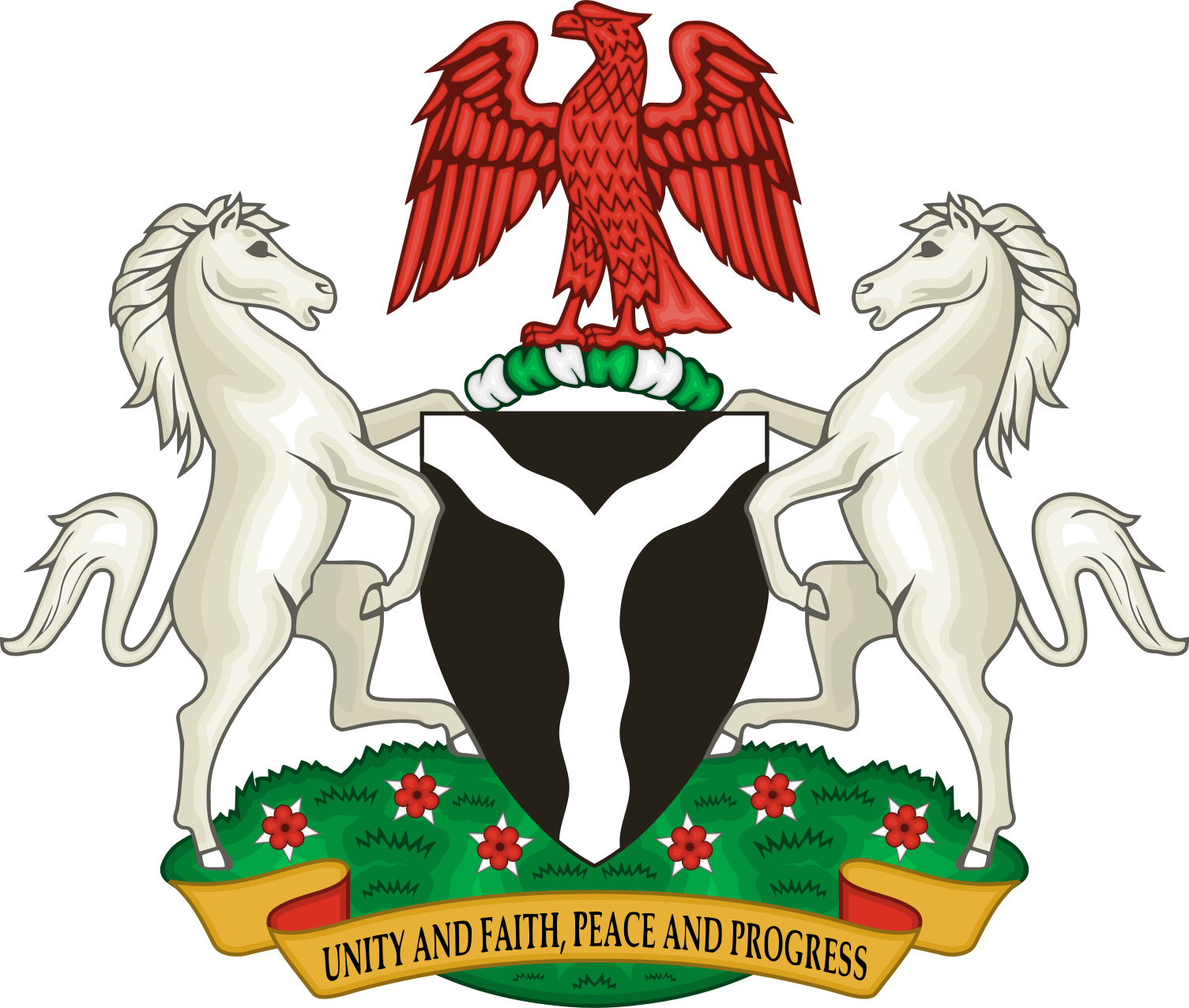
In October 1963, Nigeria transitioned to a republic by enacting a new constitution. This marked a significant shift in the country's governance, as it moved away from its previous monarchical system. The new constitution established Nigeria as a federal republic with a President as the head of state, granting the country greater autonomy and self-governance.
The transition to a republic brought about several changes in the political landscape of Nigeria. It allowed for more inclusive participation in the government, as the President was now elected by the people, reflecting a more democratic process. This shift also signified a break from colonial influences, further asserting Nigeria's independence and sovereignty.
The enactment of the new constitution had a profound impact on the identity and future trajectory of Nigeria. It set the stage for the development of the country as a republic and paved the way for the evolution of its political institutions. This move towards republicanism symbolized a commitment to self-determination and a desire for self-rule within the Nigerian nation.
Overall, Nigeria's transition to a republic in 1963 was a crucial moment in its history, signaling a new era of governance and independence. The enactment of the new constitution laid the foundation for a more democratic and self-governing Nigeria, shaping its political landscape for years to come.
#Nigeria #Republic #NewConstitution #Independence #Democracy

Explore the Life Moments of
 AI Twin