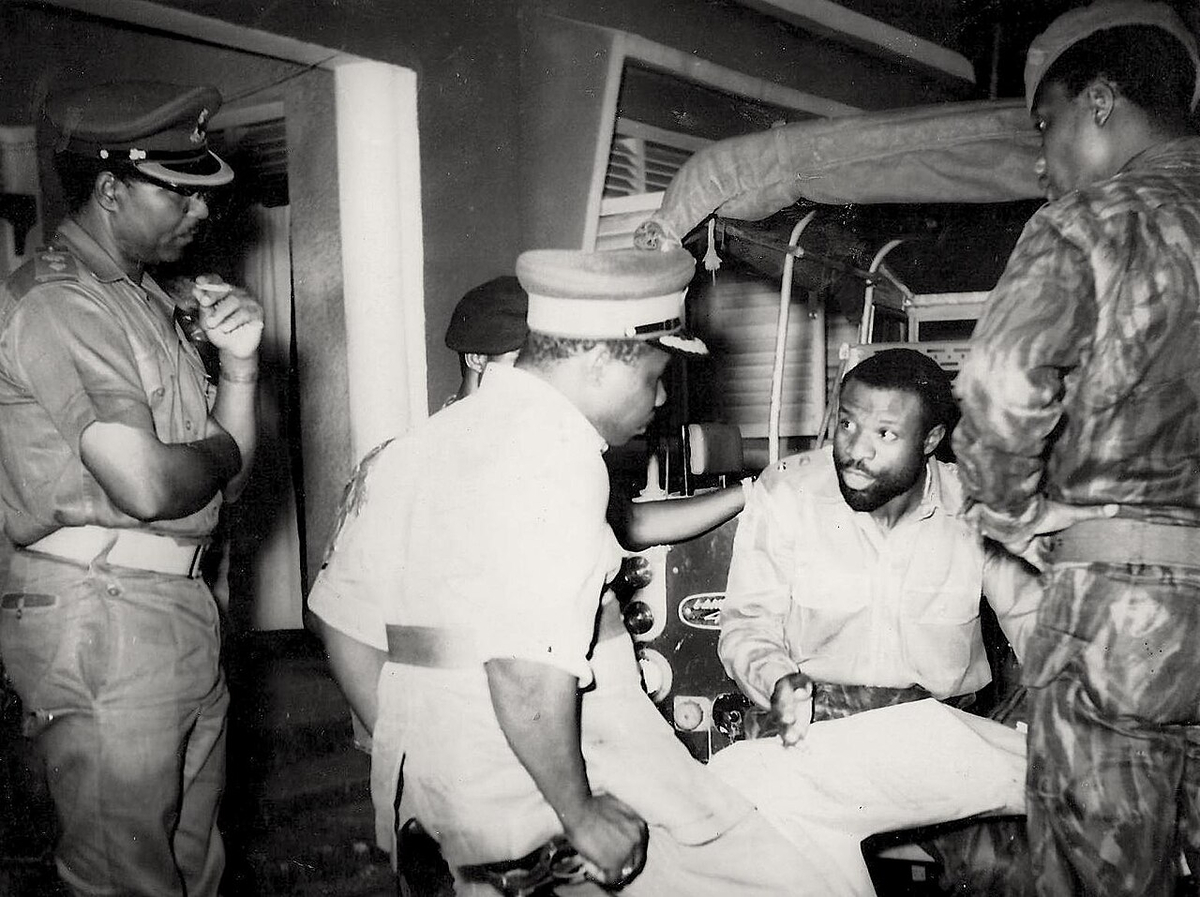
Colonel Ojukwu Flees, Deputy Surrenders: End of Civil War
Political
4 min read
Updated By: History Editorial Network (HEN)
Published:
In the unfolding of events between Nigerian government forces and the breakaway state of Biafra, Colonel Odumegwu Ojukwu, the leader of Biafra, made a decisive move. Faced with the imminent collapse of Biafra in the Nigerian Civil War, Ojukwu fled into exile, leaving his deputy Philip Effiong to manage the surrender to the Nigerian army.
Ojukwu's departure marked a pivotal moment in the conflict that had ravaged the region, as Effiong took on the responsibility of ending the war on behalf of Biafra. The surrender led to the unofficial end of the Nigerian Civil War, with Effiong signing the instrument of surrender on behalf of Biafra, effectively bringing the three-year conflict to a close.
The impact of Ojukwu's decision to flee and Effiong's surrender was profound, signaling the defeat of the breakaway state of Biafra and the reunification of Nigeria. The Nigerian government's victory in the war had far-reaching implications for the country, as it sought to heal the wounds of the conflict and rebuild a unified nation.
The events surrounding Ojukwu's exile and Effiong's surrender reflect the complex and turbulent history of Nigeria during that time. The Nigerian Civil War had caused immense suffering and devastation, leading to widespread displacement and loss of life. Ojukwu's departure and Effiong's surrender were symbolic of the end of a tragic chapter in Nigeria's history, as the country sought to move forward and reconcile its divided past.
#NigerianCivilWar #OdumegwuOjukwu #PhilipEffiong #Biafra #Nigeria #Surrender
Primary Reference
Nigerian Civil War - Wikipedia

Explore the Life Moments of
 AI Twin