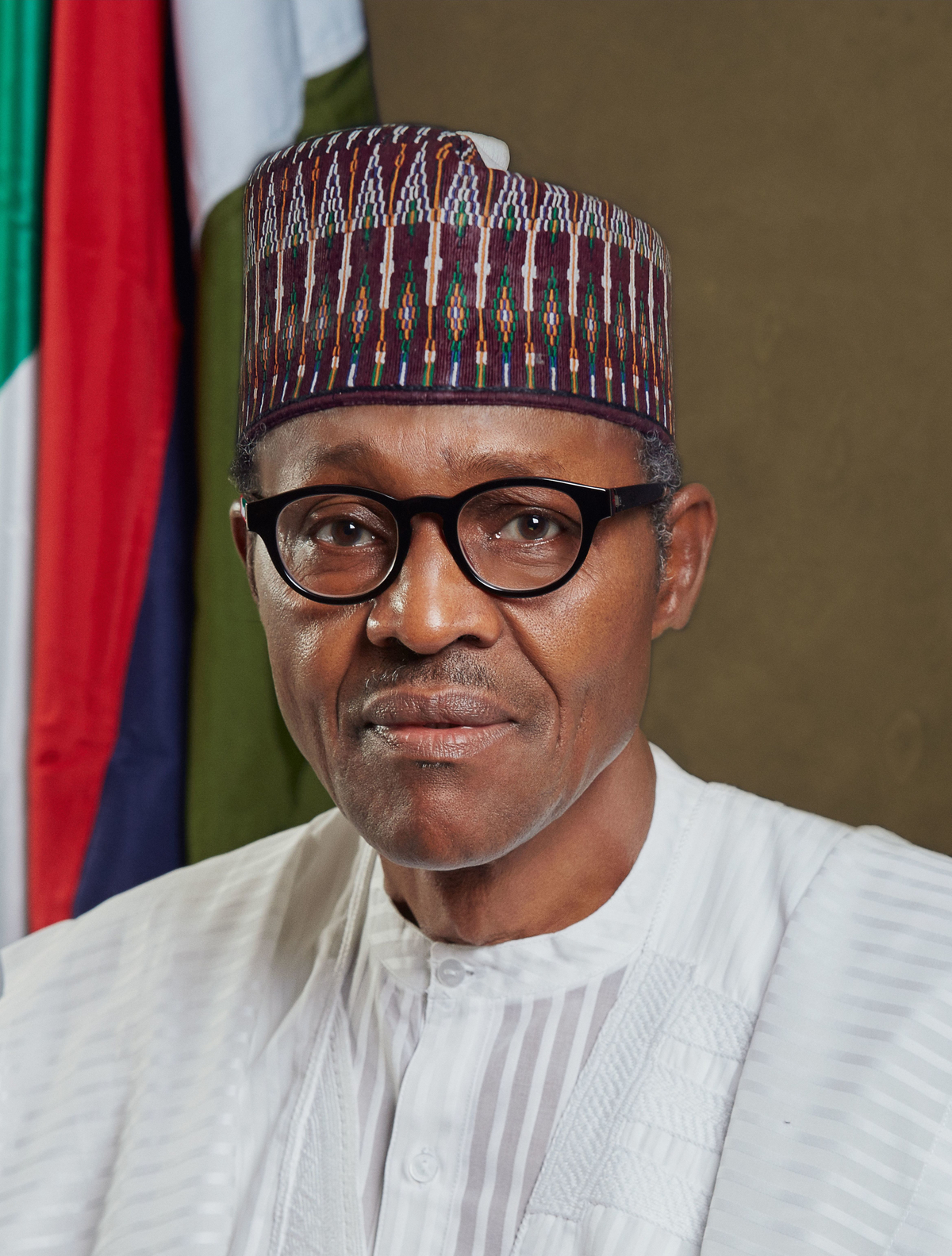
Muhammadu Buhari Elected President
Political
4 min read
Updated By: History Editorial Network (HEN)
Published:
Muhammadu Buhari emerged as the President of Nigeria after winning a landmark election. He defeated the incumbent president, marking a significant transition of power in the country. Buhari, a former military leader, ran on a platform of anti-corruption and security reforms, resonating with the Nigerian population disillusioned with the state of governance in the country.
Buhari's election symbolized a renewed hope for the Nigerian people, promising to tackle rampant corruption and insecurity. His win signified a desire for change and a break from the status quo. As a former military leader, Buhari brought with him a reputation for discipline and order, qualities that many believed were needed to address the challenges facing Nigeria.
The election of Buhari also had broader implications for the region and the continent as a whole. Nigeria, as one of the largest economies in Africa, plays a crucial role in the stability and development of the continent. Buhari's presidency was seen as a step towards a more stable and prosperous Nigeria, which in turn could have a positive impact on the region.
Overall, Buhari's election as President of Nigeria marked a turning point in the country's history. It represented a shift towards a new era of governance, with a focus on addressing corruption and insecurity. The Nigerian people placed their faith in Buhari to lead the country towards a brighter future, free from the shackles of corruption and instability.
#MuhammaduBuhari #NigeriaElection #AntiCorruption #SecurityReforms #RenewedHope

Explore the Life Moments of
 AI Twin