End of British Rule in Nigeria

Political
AfricanIndependence
3 min read
Updated By: History Editorial Network (HEN)
Published:
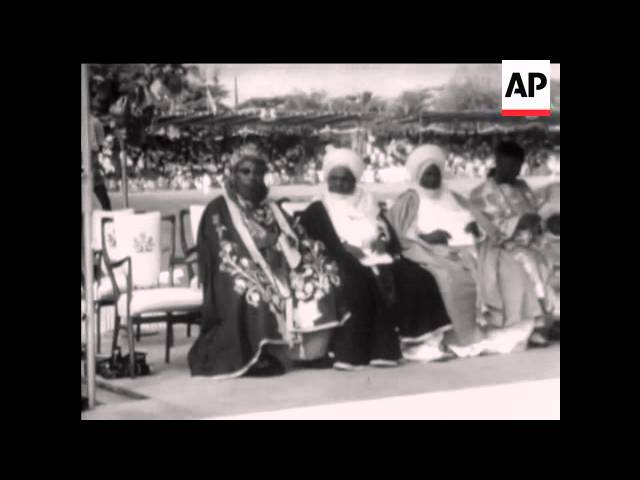
Nigeria gained independence from British colonial rule after years of political struggle and agitation. The journey towards independence began with the formation of political parties and the demand for self-governance by Nigerian nationalists. Through a series of constitutional conferences and negotiations, the path to independence was laid out.
The impact of Nigeria's independence was profound, not only for the nation itself but also for the entire continent of Africa. As the most populous country in Africa, Nigeria's independence inspired other countries in the region to strive for self-rule. The event marked the end of over six decades of British colonial domination and paved the way for the emergence of a new African nation.
With independence came new challenges for Nigeria, including the need to build a stable government, foster national unity among its diverse ethnic groups, and promote socio-economic development. The country faced various internal conflicts and struggles in the years following independence, but it also made significant progress in areas such as education, infrastructure, and healthcare.
Today, Nigeria celebrates its independence as a symbol of freedom and self-determination. The legacy of the independence movement continues to inspire Nigerians to work towards a more prosperous and united nation.
#NigeriaIndependence #BritishColonialRule #PoliticalStruggle #AfricanIndependence #NationalUnity
Primary Reference
Nigerian Independence Day | Boston.gov

Explore the Life Moments of
 AI Twin